

Elevate Your Sushi Game and Embrace Culinary Creativity Like Never Before!
What Substitutes Can I Use for Rice in Sushi?
🍣 Cauliflower rice, quinoa, cucumber slices, and nori wraps are popular alternatives for sushi without rice.
Sushi—the very word conjures images of meticulously rolled morsels bursting with flavor. Traditionally, these bite-sized wonders are crafted with vinegared rice as a staple component, offering a subtly sweet canvas that complements the freshness of raw fish and vegetables. But with rising health-conscious trends and innovative culinary explorations, sushi without rice is carving out its niche in the world of Japanese gastronomy.
In this blog post, we’re rolling out the bamboo mat to unveil a treasure trove of sushi creations that forgo the high-carb base without sacrificing an ounce of the quintessential sushi experience. From crisp cucumber wraps to nourishing quinoa as stand-ins for classic sushi rice, our sushi without rice recipes are not only imaginative but also cater to a diverse palette of dietary preferences.
Whether you’re on a ketogenic quest, harboring a grain intolerance, or simply seeking to spice up your sushi game, these astonishing alternatives offer a refreshing twist on the revered sushi ritual. Join us as we slice into a realm where tradition meets trailblazing taste—with no rice in sight. Prepare to be inspired—your chopsticks will never know the difference!
Table of Contents
- Is Regular Sushi Keto?
- Can You Make Sushi Without Rice?
- Sushi Without Rice: Quinoa
- Sushi Without Rice: Cauliflower Rice
- Sushi Without Rice: Sushi Bowls
- Sushi Without Rice: Bell Pepper
- Sushi Without Rice: Cucumber Wrapped
- Sushi Without Rice: Tofu
- Nori Wraps with Various Fillings
- Featured Articles
- Final Thoughts on Sushi Without Rice
Is Regular Sushi Keto?
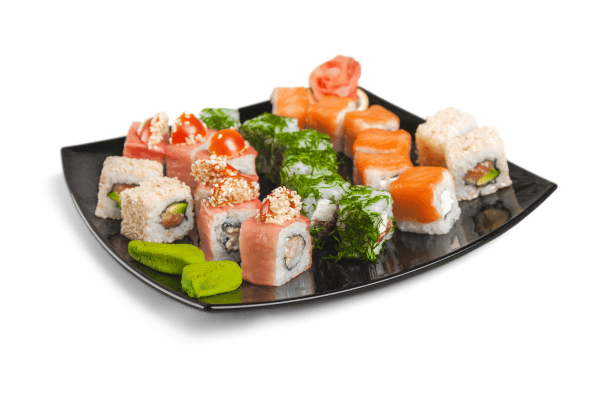
Sushi has become an integral part of the worldwide culinary landscape because of its delicate flavors, captivating creativity, and cultural significance. With their ethereal flavor, sushi rolls are a timeless favorite. However, regular sushi found in restaurants are not keto. For connoisseurs who are concerned about their carb intake, here’s a detailed look at how many carbohydrates are in your favorite maki rolls.
A basic yet crucial ingredient in most sushi dishes is rice that has been seasoned with vinegar, salt, and occasionally sugar. Although sushi patrons frequently misunderstand how much rice is in a single roll, rice is an unquestionable source of carbohydrates. Even before seasoning, a cup of short-grain white rice has roughly 45 grams of carbs.
In addition to adding flavor, the seasoning serves as a preservative. Sushi that is kept at room temperature can benefit from the addition of vinegar or citric acid to inhibit bacterial development, which can alter the amount of carbohydrates available as a result of fermentation.
Remarkably, nori adds a significant quantity of carbohydrates. Your roll could have an additional 8–12 grams if you use two sheets of nori. Though small, these add up for those who are concerned about their health.
Nutritional Facts
The nutritional profile of a typical roll should be as follows:
- Calories: A tempura-filled roll can easily surpass 500 calories, whereas a fresh, 6–8-piece roll might range from 200–250 calories.
- Carbohydrates: A typical roll has between 30 and 50 grams of carbohydrates, depending on the contents and size. The rice provides the majority of the content.
- Proteins: Contrary to popular belief, sushi rolls, which typically contain 15–25 grams of protein each, can be a good source of protein.
- Fats: If avocado, fish roe, or a drizzle of sauces are added, maki can have very low or moderate fat content.
Depending on the chef, the kind of rice, and the specific components in your roll, the amounts may change. However, sushi is often not as low in carbohydrates as people think.
Can You Make Sushi Without Rice?
Sushi enthusiasts have cleverly modified this traditional dish to suit their demands as a result of the increased popularity of diverse diets and the demand for low-carb options. Traditionally made with rice, the traditional sushi roll has been updated to appeal to individuals on the ketogenic diet or just trying to cut back on their carb intake. Using cauliflower rice in place of regular sushi rice is one such creative option.
Rice Alternatives
In addition to being a nutrient-dense substitute, cauliflower rice is a crafty double of the starchy grain that we are all familiar with. Cauliflower may be made to have a texture similar to that of sushi and serve as a blank canvas for the bright tastes of the dish by shredding or processing it until it resembles rice grains. This method also keeps the meal pleasantly low in carbohydrates.
However, how is this rice doppelgänger prepared? The secret is in the seasoning; a little salt and a splash of rice vinegar will replicate the unique tang of sushi rice. While cauliflower rice doesn’t taste as good as real rice, it makes a great foundation for the strong flavor of raw sushi-grade salmon and the crisp freshness of veggies.
Make Your Own Keto Sushi at Home
Never before has making keto sushi rolls at home been so simple. Make sure your cauliflower rice is sufficiently dry to avoid it becoming soggy in your roll before you start. If you’re missing the smooth texture that rice frequently offers in sushi, think about adding some cream cheese to your filling. Cream cheese may give the flavor profile a creamy twist and serve as the ideal binder for your ingredients.
For a real sushi experience, choose raw sushi-grade salmon for your fillings, or experiment with different fresh or pickled vegetables. Next, carefully roll your contents, just like you would with a regular sushi roll, inside a sheet of nori. Cut into little pieces, and voilà—delicious keto sushi rolls that will wow anyone who enjoys carbohydrates.
Dining Out: Sushi Options Low in Carbs
If you’re watching your carbs, you don’t have to give up this delicious treat when eating out at sushi places. Since more people are becoming aware of the need for keto sushi options, many sushi restaurants are becoming more health-conscious and providing options without rice.
Look for terms on menus like “low-carb sushi,” “keto sushi,” or “cauliflower rice” when you go out. Asking your server if the chef can make a roll without rice is not a bad idea. You’ll frequently be pleasantly surprised by how flexible their cuisine is.
The Perfect Keto Sushi Condiments
The traditional toppings for sushi are a must-have for any sushi meal: a drizzle of spicy mayonnaise or sesame seeds to add some crunch, a dab of wasabi for a little heat, and a splash of soy sauce (low-sodium is best if you’re watching your salt intake).
You may have sushi that fits into your low-carb or keto diet without compromising delight by skipping the rice but maintaining all the classic tastes. Sushi without rice can be just as delicious and satisfying, whether you decide to prepare it keto at home with our keto sushi recipe or choose a restaurant that complies with your dietary restrictions.
Sushi Without Rice: Quinoa
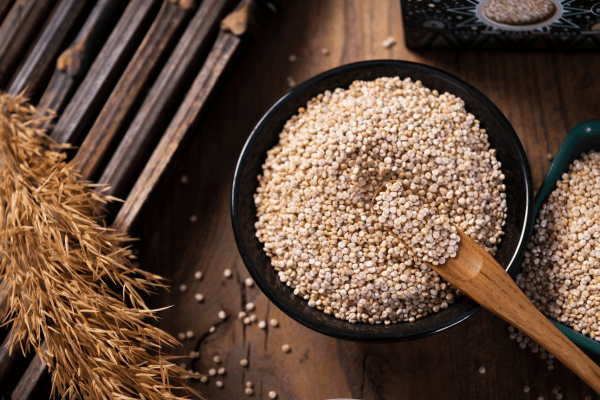
Quinoa is not only gluten-free but also packed with essential nutrients such as protein, fiber, and various vitamins and minerals. Its nutty flavor and slightly chewy texture make it an excellent candidate for sushi rolls, providing added nutritional benefits compared to traditional rice.
Ingredients:
To make quinoa sushi rolls, you’ll need the following ingredients:
- Sushi-grade nori sheets
- Cooked quinoa (preferably cooled to room temperature)
- Sliced vegetables (such as cucumber, avocado, and bell peppers)
- Sushi-grade fish or other protein options (optional)
- Soy sauce, pickled ginger, and wasabi for serving
Preparation Method:
- Cook quinoa according to package instructions and allow it to cool to room temperature.
- Prepare your choice of sushi fillings by slicing vegetables and/or fish into thin strips.
- Step-by-step assembly instructions:
- Place a sushi-grade nori sheet, shiny side down, on a bamboo sushi mat or a clean surface.
- Spread a thin layer of cooked quinoa evenly over the nori sheet, leaving about an inch of space at the top edge.
- Arrange your choice of sliced vegetables and/or fish horizontally across the center of the quinoa-covered nori sheet.
- Using the bamboo sushi mat, carefully roll the nori sheet and fill it into a tight cylinder, applying gentle pressure as you roll.
- Once rolled, use a sharp knife to slice the sushi roll into individual pieces, wiping the knife clean between cuts to ensure neat slices.
- Serve the quinoa sushi rolls with soy sauce, pickled ginger, and wasabi on the side for dipping.
Nutritional Facts
- Calories: 222
- Protein: 8 grams
- Fat: 4 grams
- Carbohydrates: 39 grams
- Fiber: 5 grams
- Iron: 15% of the Daily Value (DV)
Sushi Without Rice: Cauliflower Rice
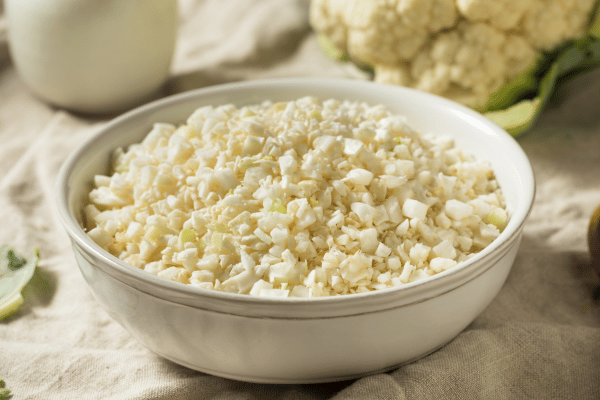
Cauliflower rice is simply finely chopped or grated cauliflower that resembles the texture of rice grains. This versatile ingredient is not only low in carbohydrates but also packed with essential nutrients, including:
Cauliflower Rice Sushi Rolls
Ingredients:
- 1 medium head of cauliflower
- Sushi-grade nori sheets
- Sliced vegetables (e.g., cucumber, avocado, bell peppers)
- Sushi-grade fish or other protein options (optional)
- Soy sauce, pickled ginger, and wasabi for serving
Instructions:
- Prepare the Cauliflower Rice: Cut the cauliflower into florets and pulse in a food processor until it resembles rice grains. Steam or microwave the cauliflower rice until tender, then allow it to cool completely.
- Assemble Sushi Fillings: Slice your choice of vegetables and/or fish into thin strips, ensuring they are ready for assembly.
- Prepare Nori Sheets: Lay a sushi-grade nori sheet, shiny side down, on a bamboo sushi mat or a clean surface.
- Spread Cauliflower Rice: Evenly spread a thin layer of cooled cauliflower rice over the nori sheet, leaving about an inch of space at the top edge.
- Add Fillings: Arrange your choice of sliced vegetables and/or fish horizontally across the center of the cauliflower rice-covered nori sheet.
- Roll Sushi: Using the bamboo sushi mat, carefully roll the nori sheet and fill it into a tight cylinder, applying gentle pressure as you roll.
- Slice and Serve: Once rolled, use a sharp knife to slice the sushi roll into individual pieces. Serve with soy sauce, pickled ginger, and wasabi on the side for dipping.
Tips for Perfect Cauliflower Rice Sushi
- Ensure the cauliflower rice is cooled completely before assembling the sushi to prevent it from becoming mushy.
- Use a sushi mat or damp cloth to roll the sushi tightly, ensuring it holds its shape.
- Experiment with different fillings and flavor combinations to suit your taste preferences.
Nutritional Facts of Cauliflower Rice Sushi (Per Serving)
- Calories: 150-200 calories
- Carbohydrates: 10-15 grams
- Protein: 5-10 grams
- Fat: Less than 5 grams
- Fiber: 3-5 grams
- Vitamins and Minerals: Rich in vitamins C and K, folate, potassium, and manganese
Sushi Without Rice: Sushi Bowls

Poke bowls have taken the culinary world by storm, offering a fresh and customizable approach to enjoying sushi. Originating from Hawaii, poke (pronounced poh-kay) bowls typically feature cubed raw fish served over a base of rice, accompanied by an array of vibrant toppings and flavorful sauces. However, you can easily adapt this concept to create a sushi bowl without rice, using greens and veggies as a nutritious alternative.
Crafting Your Sushi Bowl Without Rice
- Creating a sushi bowl without rice opens up a world of possibilities, allowing you to pack in nutrients while satisfying your sushi cravings. Here’s how to assemble your own sushi bowl masterpiece:
- Choose Your Greens: Start by selecting a base of leafy greens, such as spinach, kale, or mixed salad greens. These greens provide a nutritious foundation for your sushi bowl and add a vibrant burst of color.
- Add Fresh Vegetables: Layer your greens with an assortment of fresh vegetables, such as sliced cucumber, avocado, shredded carrots, and radishes. Not only do these veggies contribute to the bowl’s visual appeal, but they also provide essential vitamins, minerals, and antioxidants.
- Incorporate Protein Toppings: Opt for protein-rich toppings to make your sushi bowl satisfying and filling. Suggested options include:
- Cubed sushi-grade fish (e.g., tuna, salmon, yellowtail)
- Cooked shrimp, crab meat, or tofu
- Marinated tofu or tempeh is a plant-based alternative.
- Edamame beans for an additional protein boost
- Enhance with Flavorful Dressings: Drizzle your sushi bowl with a delicious dressing or sauce to tie all the flavors together. Consider options like soy sauce, ponzu sauce, sesame ginger dressing, or spicy mayo for a kick of heat.
Nutritional Facts of a Sushi Bowl Without Rice
Here’s a breakdown of the approximate nutritional content of a sushi bowl without rice, per serving:
- Calories: 300–400 calories
- Protein: 20–30 grams
- Carbohydrates: 15–25 grams
- Fiber: 5-8 grams
- Healthy Fats: Contains heart-healthy fats from ingredients like avocado and fish, contributing to overall satiety and satisfaction.
Sushi Without Rice: Bell Pepper
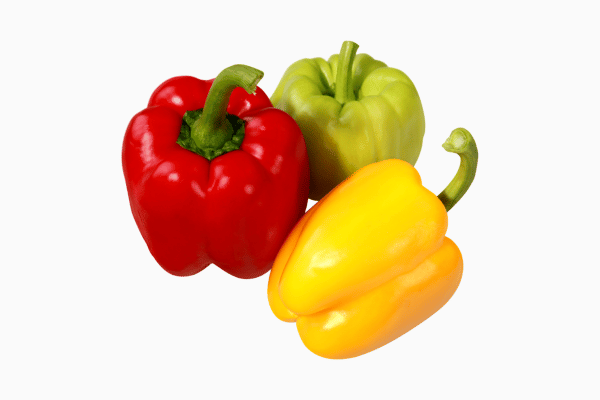
Bell pepper slices offer a unique and vibrant alternative to traditional rice as a base for sushi. Their crisp texture and sweet flavor provide the perfect backdrop for an array of creative fillings. In this section, we’ll explore innovative ways to use bell pepper slices in sushi, suggest filling ideas, and provide techniques for cutting and filling them.
Innovative Use of Bell Pepper Slices
Replacing rice with bell pepper slices not only adds a pop of color to your sushi but also provides additional nutrients and flavor. Here’s how to incorporate bell peppers into your sushi creations:
- Slice Thickness: Cut bell peppers into thin, uniform slices lengthwise to create a flat base for your sushi. Aim for slices that are approximately 1/4 inch thick for optimal stability.
- Color Variety: Experiment with different colors of bell peppers, such as red, yellow, orange, and green, to add visual appeal and variety to your sushi platter.
Ideas for fillings
When it comes to filling bell pepper sushi slices, the possibilities are endless. Here are some creative filling ideas to inspire your culinary adventures:
Vegetable Options:
- Thinly sliced cucumber
- Avocado slices
- Shredded carrots
- Julienned bell pepper strips (use a different color than the base)
- Marinated tofu or tempeh
Protein Options:
- Sushi-grade fish (e.g., tuna, salmon, and yellowtail)
- Cooked shrimp or crab meat
- Smoked salmon or tofu
- Spicy tuna or salmon salad
Techniques for Cutting and Filling Bell Peppers
To ensure your bell pepper sushi slices are both visually appealing and easy to eat, follow these techniques for cutting and filling:
Cutting bell peppers:
- Slice off the top and bottom of the bell pepper to create a flat surface.
- Stand the pepper upright and carefully cut it around the core to remove it.
- Slice the pepper lengthwise into even strips, avoiding the seeds and white pith.
Filling bell pepper slices:
- Lay the bell pepper slices flat on a clean surface.
- Place your desired fillings in the center of each slice, ensuring they are evenly distributed.
- Gently roll or fold the bell pepper slice around the fillings to create a sushi-like roll.
Nutritional Facts
Bell peppers are rich in essential nutrients, including vitamins A and C, fiber, and antioxidants. Here’s a general overview of the nutritional content of one medium-sized bell pepper:
- Calories: 30–40 calories per pepper
- Vitamin A: Provides over 100% of the recommended daily intake (RDI).
- Vitamin C: Offers over 150% of the RDI
- Fiber: 2–3 grams
- Antioxidants: Rich in various antioxidants, including carotenoids and flavonoids
Sushi Without Rice: Cucumber Wrapped
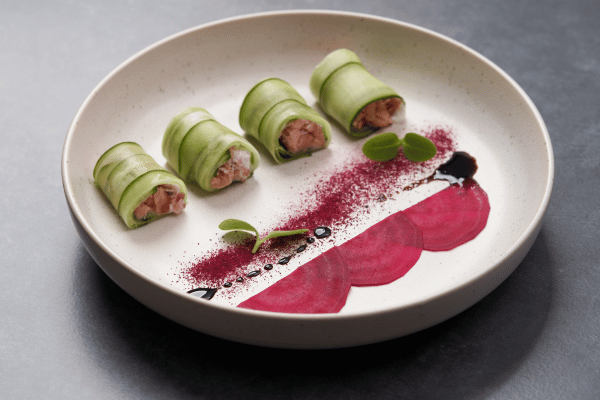
For sushi lovers seeking a low-carb or gluten-free alternative, cucumber-wrapped sushi offers a refreshing and flavorful option. In this section, we’ll explore the innovative use of thinly sliced cucumber as a wrapping material, suggest delicious fillings that pair well with cucumber, and provide tips for perfecting the sushi technique using a mandoline slicer.
Cucumber Wrapping: A Fresh Approach to Sushi
Replacing traditional seaweed nori or rice paper with thinly sliced cucumber adds a crisp and refreshing element to sushi rolls. Cucumber not only provides a light and hydrating base but also complements a variety of fillings with its mild flavor. Here’s how to incorporate cucumber wrapping into your sushi creations:
- Slice Thickness: Use a mandoline slicer or a sharp knife to slice cucumbers lengthwise into thin, uniform strips. Aim for slices that are approximately 1/8 inch thick for flexibility and ease of rolling.
- Preparation: Lay the cucumber slices flat on a clean surface and slightly overlap them to create a cohesive wrapping layer. Trim any excess cucumber as needed to ensure neat edges.
No-Rice Fillings for Cucumber-Wrapped Sushi
When it comes to fillings for cucumber-wrapped sushi, the options are endless. Here are some delicious no-rice fillings that pair well with cucumber:
Protein Options:
- Sushi-grade fish (e.g., tuna, salmon, and yellowtail)
- Cooked shrimp or crab meat
- Smoked salmon or tofu
- Spicy tuna or salmon salad
Vegetable Options:
- Avocado slices
- Thinly sliced bell peppers
- Shredded carrots
- Marinated tofu or tempeh
- Fresh herbs (e.g., cilantro, mint, basil)
Perfecting the Sushi Technique with a Mandoline Slicer
Using a mandoline slicer can help achieve uniform and thin cucumber slices, making it easier to roll and wrap your sushi. Here are some tips for mastering the sushi technique with a mandoline slicer:
- Safety First: Always use the hand guard or protective gloves provided with the mandoline slicer to prevent accidental cuts or injuries.
- Adjust the Thickness: Most mandoline slicers feature adjustable thickness settings. Start with a medium-thickness setting and adjust as needed to achieve the desired thickness for your cucumber slices.
- Even Pressure: Apply even pressure when sliding the cucumber across the blade to ensure uniform slices. Avoid pressing too hard, as this may result in uneven or jagged slices.
- Practice Makes Perfect: Practice slicing a few cucumbers to familiarize yourself with the mandoline slicer before attempting to use it for sushi preparation.
Nutritional Facts
Cucumbers are low in calories and rich in water, making them an excellent hydrating snack. Here’s a general overview of the nutritional content of one cup (about 104 grams) of sliced cucumbers:
- Calories: 16 calories
- Carbohydrates: 3.6 grams
- Fiber: 0.6 grams
- Vitamin K: Over 10% of the recommended daily intake (RDI).
- Vitamin C: About 4% of the RDI.
Sushi Without Rice: Tofu
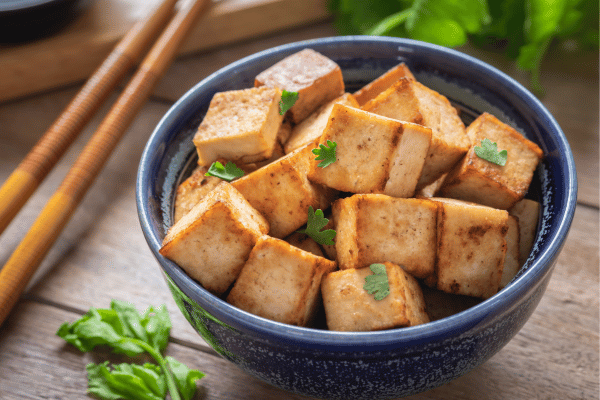
Tofu, a versatile plant-based protein, takes center stage in this innovative sushi-style preparation. Tofu “sushi” steaks offer a delicious and satisfying alternative to traditional sushi rolls, showcasing tofu’s ability to absorb flavors and textures. In this section, we’ll explore how to reimagine tofu as the main feature of sushi-style dishes, including marinating and searing techniques, presentation ideas, and nutritional facts.
Reimagining Tofu as the Main Feature
Tofu, with its mild flavor and adaptable texture, serves as an excellent canvas for sushi-inspired dishes. By marinating and searing tofu steaks, we can enhance their taste and create a savory, umami-rich dish reminiscent of sushi. Here’s how to transform tofu into “sushi” steaks:
- Choosing the Right Tofu: Opt for firm or extra-firm tofu varieties, as they hold their shape well during cooking and mimic the texture of sushi fish.
- Marinating the Tofu: Marinate tofu steaks in a mixture of soy sauce, rice vinegar, sesame oil, and other seasonings of your choice to infuse them with flavor. Allow the tofu to marinate for at least 30 minutes to ensure maximum flavor absorption.
- Searing the Tofu: Heat a skillet or grill pan over medium-high heat and sear the marinated tofu steaks until golden brown and slightly crispy on the outside, while remaining tender and moist on the inside.
Presentation Ideas to Mimic the Sushi Aesthetic
While tofu “sushi” steaks may diverge from the traditional sushi roll format, you can still create a visually stunning presentation that evokes the essence of sushi. Here are some presentation ideas to consider:
- Sushi-Style Plating: Arrange the seared tofu steaks on a platter or individual serving plates, garnished with sliced avocado, pickled ginger, wasabi, and sesame seeds for a sushi-inspired aesthetic.
- Sushi Garnishes: Decorate the tofu steaks with thin slices of cucumber, radish, or carrot to mimic the colorful and vibrant appearance of sushi rolls.
- Dipping Sauces: Serve the tofu steaks with dipping sauces such as soy sauce, ponzu sauce, or spicy mayo in small dishes on the side for dipping, just like traditional sushi accompaniments.
Nutritional Facts
Tofu is a nutritious and protein-rich food that offers a wide range of health benefits. Here’s a general overview of the nutritional content of one serving (about 3.5 ounces, or 100 grams) of tofu:
- Calories: 70–80 calories
- Protein: 8–10 grams
- Fat: 4-5 grams of fat, mostly unsaturated
- Carbohydrates: 1-2 grams
- Fiber: contains minimal fiber content
Tofu is also a good source of essential nutrients such as calcium, iron, and magnesium, making it a valuable addition to a balanced diet.
Nori Wraps with Various Fillings
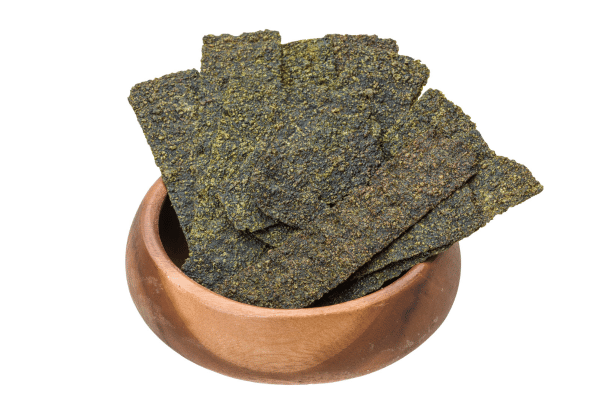
Nori seaweed, traditionally known for its role in sushi rolls, offers endless possibilities beyond the confines of traditional sushi. In this section, we’ll delve into the versatility of nori wraps and explore creative filling combinations to suit a range of dietary preferences. Additionally, we’ll share best practices for wrapping and cutting nori to ensure a seamless and enjoyable culinary experience.
The Versatility of Nori Seaweed
While nori is commonly associated with sushi, its savory flavor and unique texture make it a versatile ingredient for a variety of dishes. From wraps and rolls to snacks and garnishes, nori can elevate any meal with its umami-rich taste and crispy texture. Embracing nori beyond traditional sushi opens up a world of culinary possibilities and allows for endless creativity in the kitchen.
Creative Filling Combinations
Whether you’re following a vegetarian, paleo, or gluten-free diet, nori wraps offer endless opportunities for delicious and satisfying meals. Here are some creative filling combinations to inspire your Nori wrap creations:
Vegetarian Nori Wraps:
- Avocado slices, cucumber, shredded carrots, and sprouts
- Marinated tofu or tempeh with bell peppers, spinach, and sesame seeds
- Grilled portobello mushrooms, roasted red peppers, and hummus
Paleo Nori Wraps:
- Sliced grilled chicken or beef with lettuce, tomato, and avocado
- Smoked salmon, cream cheese, cucumber, and dill
- Shrimp, avocado, mango, and cilantro
Gluten-Free Nori Wraps:
- Sliced turkey or ham with lettuce, tomato, and mustard
- Quinoa salad with roasted vegetables, feta cheese, and olives
- Pulled pork or barbecue chicken with coleslaw and pickles
Best Practices for Wrapping and Cutting Nori
To ensure successful nori wraps, follow these best practices for wrapping and cutting nori:
- Use Fresh Nori Sheets: Start with fresh, high-quality nori sheets to ensure they are pliable and easy to work with.
- Moisten the Edges: Before wrapping, lightly moisten the edges of the nori sheet with water to help seal the wrap.
- Add Fillings Neatly: Arrange your chosen fillings evenly across the center of the nori sheet, leaving a border around the edges.
- Roll Tightly: Roll the nori sheet tightly around the fillings, using a bamboo sushi mat or clean kitchen towel to help create a firm roll.
- Slice Carefully: Use a sharp knife to slice the nori wraps into individual pieces, wiping the knife clean between cuts to ensure neat slices.
Featured Articles
- Keto Sushi Rolls: The Perfect Low Carb Meal
- Healthy Guacamole Recipe: A Flavorful Twist on a Classic Dip
- PF Changs Keto Menu: Unleashing Flavor Without the Carbs
- Keto Broccoli Salad Recipe in 3 Min | Low-Carb Side Dish for a Fresh Lunch
- Never Feel Hunger and Sugar Cravings Again (Keto Diet)
Final Thoughts on Sushi Without Rice
As we wrap up our exploration of innovative sushi recipes, I encourage you to embrace the excitement and creativity that come with experimenting in the kitchen. While traditional sushi holds a special place in culinary culture, there’s something truly delightful about venturing into the realm of non-traditional sushi and discovering new flavors, textures, and combinations.
Trying your hand at sushi without rice, using cucumber wraps, tofu “sushi” steaks, nori wraps with various fillings, or any other innovative sushi recipes, offers a wonderful opportunity to expand your culinary horizons and indulge in the joys of exploration. Whether you’re looking to accommodate dietary preferences, explore new ingredients, or simply shake things up in the kitchen, these recipes offer endless possibilities for delicious and satisfying meals.
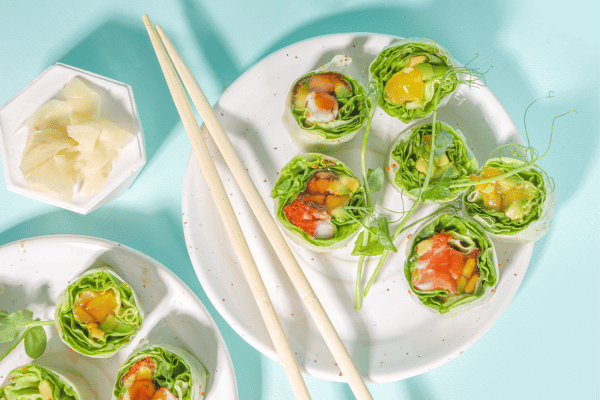
So, don’t hesitate to get creative, experiment with different flavors and ingredients, and make these innovative sushi recipes your own. Whether you’re hosting a sushi night with friends, preparing a special meal for yourself, or simply seeking culinary inspiration, these recipes are sure to delight your taste buds and spark joy in your kitchen adventures.
Remember, the beauty of cooking lies in the freedom to explore, innovate, and create something uniquely delicious. So, roll up your sleeves, gather your ingredients, and dive into the wonderful world of non-traditional sushi. Bon appétit and happy cooking!