

Best Foods for a Healthy Pregnancy: Can You Eat Pork While Pregnant?
What Meat Can a Pregnant Woman Eat?
👉 During pregnancy, it’s safe to eat cooked poultry, beef, and pork. Make sure they’re cooked thoroughly to prevent foodborne illnesses. Never eat raw or undercooked meat to avoid harmful bacteria like Salmonella or E. coli, which can cause food poisoning, risking both the mother and baby’s health.
Welcome to our guide on mastering prenatal nutrition! Expectant mothers often wonder, “Can you eat pork while pregnant?” Pregnancy brings a lot of dietary questions, but don’t worry. We’re here to simplify and give you the insights to nourish yourself and your little one safely.
Pregnancy is a time of excitement and joy but comes with a heightened awareness of what goes into your body. As you embark on this miraculous journey, understanding which foods are beneficial and which ones to avoid becomes paramount.
When it comes to what to eat during pregnancy, some foods like alcohol are a clear no-go. But there are still gray areas, like the debate around eating pork. Don’t fret, we’ve got all the juicy details to ease your mind.
In this detailed guide, we will explore prenatal nutrition, addressing common questions and dispelling misconceptions. From discussing the safety of pork consumption to highlighting essential nutrients for you and your baby’s health, this is your ultimate resource for navigating pregnancy’s dietary journey.
So, can you eat pork while pregnant? Let’s dive in and master the art of nourishing both body and soul during this incredible journey!
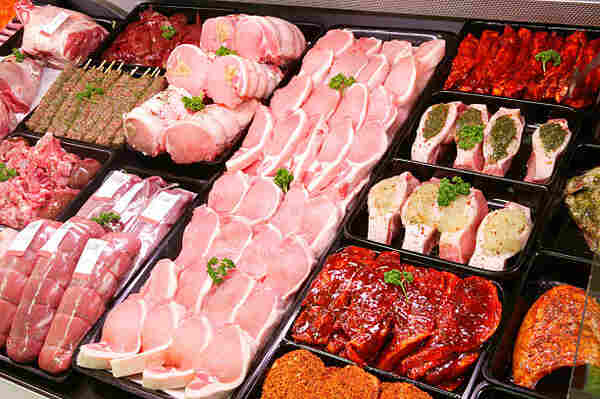
Table of Contents
- Can You Eat Pork While Pregnant?
- What Types of Pork to Eat During Pregnancy
- Foods to Eat and Avoid While Pregnant
- Frequently Asked Questions
- Final Thoughts: Can You Eat Pork While Pregnant?
Can You Eat Pork While Pregnant?
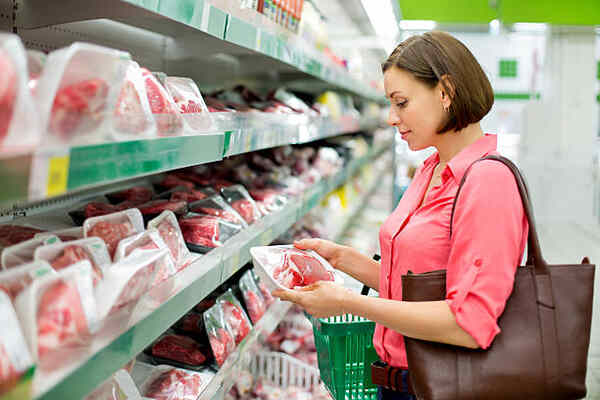
Now for the question, can you eat pork while pregnant? The quick answer: It’s safe to eat pork during pregnancy if cooked thoroughly.
Make sure it reaches 75℃ (165℉) internally until steaming hot. Avoid undercooked pork with pink coloring or blood traces. Pregnant women should cook all meats to this temperature to steer clear of foodborne illnesses like salmonella and listeria.
While pork can offer health benefits during pregnancy, it’s wise to invest in a food-grade thermometer, especially for home cooking.
When dining out, remember to request your pork to be cooked “well done” for safety.
Health Benefits
When eaten safely and in moderation, pork can provide many health benefits for pregnant women. It’s a valuable source of protein, iron, and other essential nutrients crucial for both the mother and baby during pregnancy.
Firstly, pork provides high-quality protein vital for the baby’s muscle, organ, and tissue development. Protein is also key for supporting the mother’s increased blood volume and energy levels during pregnancy.
Iron is vital during pregnancy to prevent iron deficiency anemia, a common condition causing fatigue and other issues. It’s crucial for producing red blood cells and averting anemia in expectant mothers.
Pork is also rich in essential nutrients such as zinc, B12, and niacin. These nutrients help boost energy levels and aid in forming the baby’s nervous system.
Zinc is crucial for immunity and cell growth, while B vitamins promote energy metabolism and nervous system well-being.
Potential Risks
Pork can be a healthy choice for pregnant individuals when eaten safely. However, there are risks to consider.
Foodborne illnesses like listeria and salmonella infection can come from undercooked or contaminated pork. These infections can harm both the mother and baby, possibly causing miscarriage, preterm birth, or severe illness.
Certain pork cuts, such as bacon, sausage, and deli meat, can be high in sodium and saturated fats. These may lead to weight gain and raise the risk of gestational diabetes and hypertension during pregnancy. Processed meats also contain additives and preservatives that may not be best for fetal development.
Another point to note is that pork products may contain parasites like Trichinella spiralis, leading to trichinellosis if pork is undercooked or raw.
Proper cooking eliminates these parasites, but pregnant women should be extra careful to cook pork thoroughly to avoid any risks.
What Types of Pork to Eat During Pregnancy
Can you eat pork while pregnant? Pork products and dishes vary, and you might be curious about their impact during pregnancy.
Here are some common pork dishes with straightforward insights on whether they are safe to eat while pregnant.
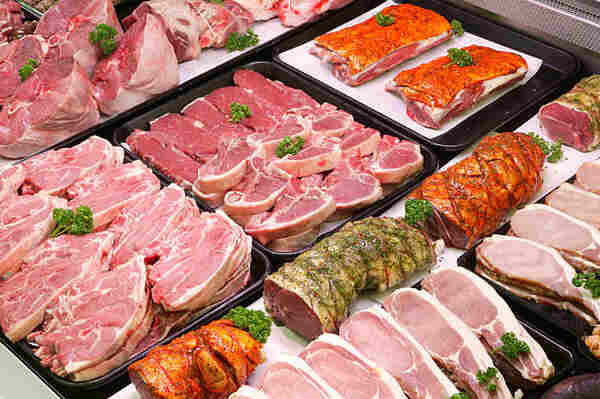
Bacon: Usually, it’s fine to eat bacon when pregnant, just make sure it’s cooked well at high temperatures.
Hotdogs & sausages: Hotdogs and sausages are safe for pregnant women when cooked at the standard temperature of 400°F.
Smoked pork: Pregnant women can safely consume BBQ and smoked pork if cooked thoroughly, even at lower temperatures for longer durations.
Charcuterie pork: Charcuterie pork or cold cuts are typically consumed cold, increasing the risk of harmful bacteria. Pregnant women should heat cold cuts thoroughly before consumption.
Pork liver: Avoid pork liver while pregnant due to its high vitamin A content, which can be toxic and lead to birth defects.
Pork dumplings: Pregnant women can enjoy pork dumplings if the meat inside is cooked to an internal temperature of 165°F.
Pork pies: Pork pies should be consumed steaming hot or immediately after cooking to 165°F to avoid bacterial infection from eating them at room temperature.
Pork rinds: Pork rinds, cooked at higher temperatures than other pork products, are safe for pregnant women. These guilt-free snacks are low risk for food poisoning and provide healthy fats, protein, and B vitamins.
Reheated pork: For pregnant women, it’s safe to eat leftover pork from the fridge if heated to 165°F before consuming.
Foods to Eat and Avoid While Pregnant
Certain factors can impact your pregnancy diet. A balanced diet includes fruits, vegetables, healthy proteins, dairy, and whole grains.
Pregnant women have special dietary needs and may encounter food restrictions. Your nutritionist or doctor might strongly recommend avoiding certain foods.
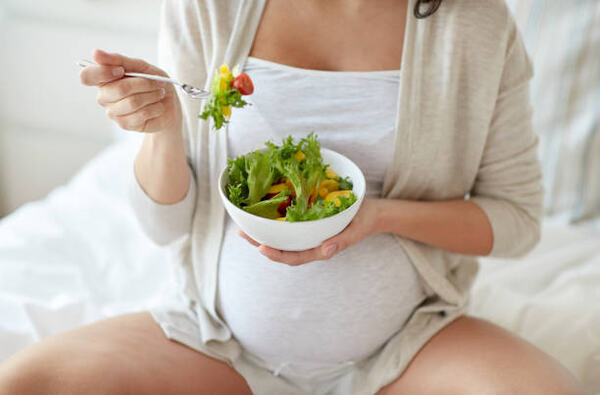
Foods to Eat While Pregnant
A well-balanced diet should include a variety of foods from all food groups, focusing on the following key nutrients:
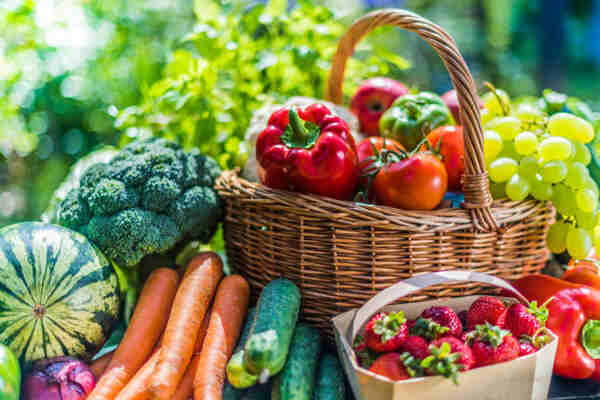
FRUITS & VEGETABLES
Packed with vitamins, minerals, and antioxidants, fruits and vegetables are essential for a healthy pregnancy. Aim for a colorful variety to ensure you’re getting a wide range of nutrients.
WHOLE GRAINS
Foods like whole wheat bread, brown rice, oats, and quinoa provide fiber, vitamins, and minerals necessary for energy and digestion.
LEAN PROTEINS
Opt for lean sources of protein such as poultry, fish, beans, lentils, tofu, and lean cuts of beef or pork. Pâté or meat spreads in sealed, airtight containers that do not require refrigeration before opening are also acceptable.
DAIRY PRODUCTS
Dairy foods such as milk, cheese, and yogurt are great for bone health and development due to their calcium content. Opt for low-fat or fat-free varieties to manage saturated fat intake.
HEALTHY FATS
Incorporate healthy fats like avocados, nuts, seeds, and olive oil. These fats contain crucial fatty acids that aid in the baby’s brain and nervous system development.
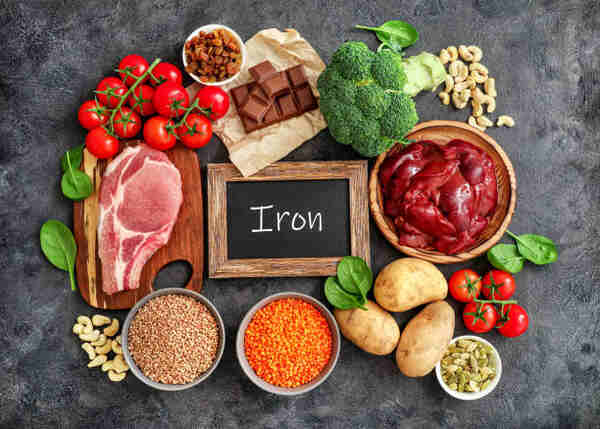
IRON-RICH FOODS
Eat iron-rich foods like lean red meat, poultry, fish, fortified cereals, and leafy greens to boost your intake.
FOLATE-RICH FOODS
Folate plays a vital role in fetal growth, especially in early pregnancy. Eat folate-rich foods such as leafy greens, citrus fruits, fortified cereals, and legumes.
Foods to Avoid While Pregnant
The foods you eat during pregnancy should be beneficial and suited to your condition. Aim for a balanced meal while keeping in mind the key foods to avoid:
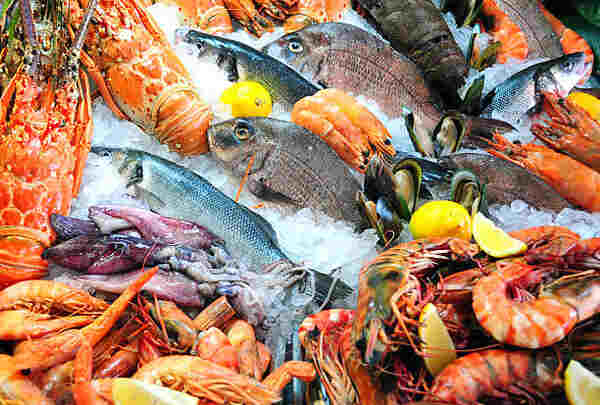
CERTAIN FISH AND SHELLFISH
Refrigerated, smoked seafood such as smoked salmon or smoked trout, and raw fish or shellfish including sushi.
CURED AND RAW OR UNDERCOOKED MEATS
Deli meats and hotdogs should be cooked thoroughly until steaming before consumption. When it comes to raw meats like chicken, beef, pork, and lamb, ensure they are cooked well to avoid any risks.
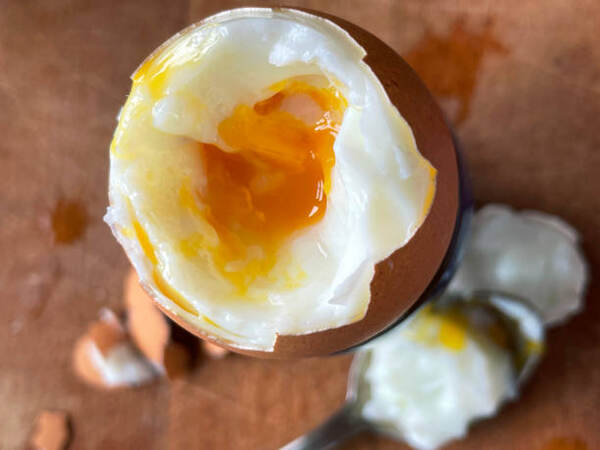
UNDERCOOKED EGGS
Eggs are highly nutritious and safe to eat when pregnant if well-cooked. Avoid consuming raw or lightly cooked eggs or dishes containing them. This applies to cake batter, raw cookie dough, certain sauces, and beverages like Caesar salad dressing, hollandaise sauce, unpasteurized eggnog, custard, and homemade ice cream.
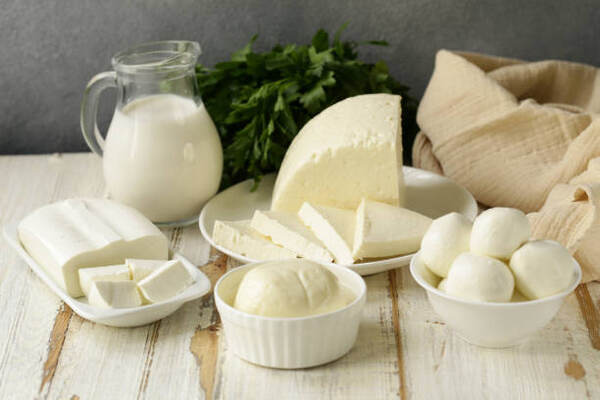
CERTAIN DAIRY PRODUCTS
Milk and milk products are nutritious and generally safe during pregnancy. Avoid unpasteurized milk and unpasteurized dairy products due to listeria risk. Some suggest they’re okay if pasteurized, but to be extra cautious, skip soft cheeses like Brie, feta, blue cheese, and cream cheese during pregnancy.
UNPASTEURIZED JUICE
Washing and juicing at home is okay if you wash fruits and veggies well and sanitize equipment properly.
HIGH MERCURY FISH
For omega-3 fats with low mercury, go for salmon, trout, skipjack tuna, anchovies, herring, and sardines. Steer clear of high-mercury fish like king mackerel, marlin, orange roughy, shark, swordfish, tilefish, and bigeye tuna to reduce risks of birth defects including brain development.
Frequently Asked Questions
What Can You Drink While Pregnant?
During pregnancy, it’s important to drink lots of water daily, aiming for about 8-10 cups. Pasteurized milk and 100% fruit juices are also safe choices, offering vital nutrients such as calcium and vitamin C.
Herbal teas made from pregnancy-safe herbs such as ginger, peppermint, or raspberry leaf can be enjoyed in moderation, but it’s best to avoid teas containing ingredients like licorice root or certain medicinal herbs that may not be safe during pregnancy.
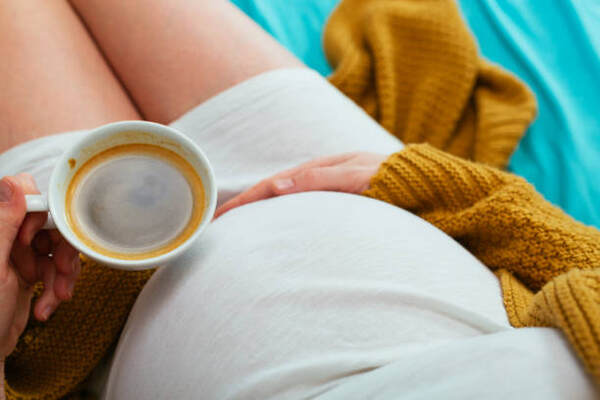
Moderate caffeine intake (up to 200 mg daily) is usually safe, but limit caffeinated drinks. Opt for decaf coffee over regular, as it contains less caffeine. Caffeine is also in tea, energy drinks, chocolate, soda, and certain medications. Check labels to track how much caffeine you consume.
Alcoholic beverages should be completely avoided during pregnancy to prevent fetal alcohol spectrum disorders and other pregnancy complications.
What Snacks Can You Eat While Pregnant?
Select nutrient-rich snacks that offer lasting energy and meet the nutritional requirements of both the mother and the growing baby. Choose snacks with a mix of protein, healthy fats, and carbs to maintain stable blood sugar levels and curb hunger.
Options like nut butter with whole grain crackers or apple slices, Greek yogurt with berries and honey, hummus with carrot sticks or whole grain pita, and a small handful of nuts or seeds are great choices.
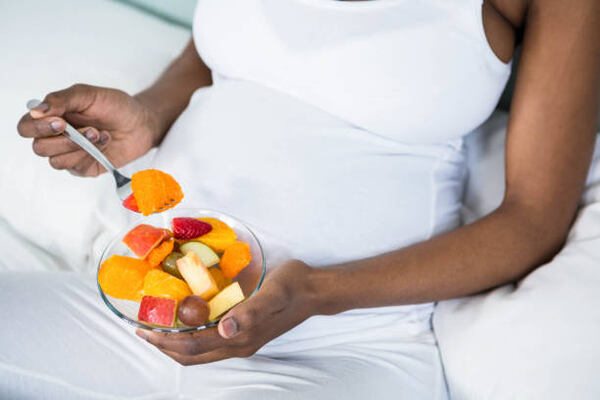
Additionally, fruits like bananas, oranges, and grapes, as well as dried fruits like apricots or raisins, can satisfy sweet cravings while providing essential vitamins and minerals.
Remember to stay hydrated by drinking water or herbal teas alongside your snacks to support overall health and well-being during pregnancy.
Final Thoughts: Can You Eat Pork While Pregnant?
Mastering prenatal nutrition is key to keeping both the mother and baby healthy. Knowing what to eat and what to avoid during pregnancy helps women make smart choices for the best development of the baby and the mother’s health.
It’s important to focus on nutrient-rich foods such as fruits, veggies, lean proteins, whole grains, and dairy. Also, practicing food safety is crucial to prevent foodborne illnesses. Pregnant women should eat a variety of foods from all groups to get the needed nutrients for a healthy pregnancy.
Moreover, keeping hydrated and opting for balanced snacks can curb hunger and offer lasting energy all day long. Remember, each person’s nutritional requirements during pregnancy are different. Consulting a healthcare provider or registered dietitian is vital to creating a customized eating plan that suits individual needs and preferences.
Expectant mothers can confidently start their journey to motherhood with vitality by prioritizing proper nutrition and care.