

Discover the Truth: Is Lamb Red Meat? Exploring Its Nutrition & Benefits
Is Lamb Red Meat?
✅ YES! Lamb is classified as red meat. It is typically darker in color compared to poultry or fish due to its higher myoglobin content. Consuming lamb in moderation can be part of a balanced diet, offering essential nutrients like protein, iron, and B vitamins.
Wondering if lamb is considered red meat? You’re not alone. Let’s explore to uncover the truth about this popular food and how it fits into your diet. While some may question its classification, the answer lies in its color and nutritional content.
Join us as we delve into the world of lamb, exploring its role in maintaining a well-rounded and healthy lifestyle. From its succulent taste to its nutrient-packed composition, there’s much more to lamb than meets the eye. We’ll decipher the mysteries surrounding this protein source, shedding light on its benefits and how it fits into various dietary preferences.
Whether you’re a seasoned lamb enthusiast or just curious about its nutritional significance, this guide will provide you with all the insights you need. Get ready to savor the facts, dispel the myths, and embrace the delicious possibilities that lamb brings to your table.
Is lamb red meat? Let’s uncover the truth together and find out why lamb is a great choice for balanced nutrition.
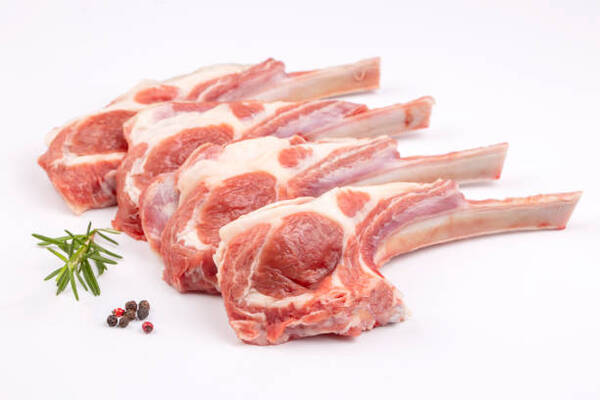
Table of Contents
- Is Lamb Red Meat?
- Lamb Meat Nutrition Facts
- Lamb Meat Health Benefits
- Lamb Meat Potential Risks
- Recipes for Lamb Meat
- Frequently Asked Questions
- Final Thoughts: Is Lamb Red Meat?
Is Lamb Red Meat?

Yes, lamb is unequivocally considered a red meat. While some may question its classification due to its lighter shade compared to beef or pork, the myoglobin content in animal muscles determines the color of the meat.
Myoglobin is a protein found in muscle tissue that gives meat its red hue. Lamb’s myoglobin levels are higher than those found in white meats like poultry or fish, firmly placing it in the category of red meats.
So, is lamb red meat? Beyond its color, lamb shares many nutritional characteristics with other red meats. It is an excellent source of high-quality protein, essential for muscle growth, repair, and overall body function.
Moderately including lamb in your diet can enhance your nutritional intake. Remember to watch portion sizes and choose lean cuts to reduce saturated fat. Lamb’s rich flavor and nutrients make it a tasty and nourishing meal option, bringing culinary variety and health benefits to your plate.
Lamb Meat Nutrition Facts

Young sheep meat in their first year is called lamb, while mutton refers to meat from adult sheep.
Lamb is packed with protein and some healthy fats. Lean, cooked lamb typically contains 25–26% protein. It’s a high-quality protein source, offering all nine essential amino acids necessary for body growth.
Lamb fat content varies based on trimming, diet, age, gender, and feed, typically ranging from 17–21%. It mainly consists of saturated and monounsaturated fats in almost equal parts, with some polyunsaturated fat.
Lamb meat is also a good source of key nutrients like iron, zinc, vitamin B12, and niacin. These nutrients are crucial for energy, immune health, and red blood cell formation.
According to the USDA, 100g of cooked ground lamb offers the following nutrition:
- Calories: 283
- Protein: 24.8g
- Total Fat: 19.6g
- Saturated Fat: 8.12g
- Monounsaturated Fat: 8.32g
- Polyunsaturated Fat: 1.4g
- Carbohydrate: 0g
- Dietary Fiber: 0g
- Sodium: 81mg
- Cholesterol: 97mg
- Iron: 1.79mg
- Niacin: 6.7mg
- Potassium: 201mg
- Phosphorus: 339mg
- Zinc: 4.67mg
Lamb Meat Health Benefits
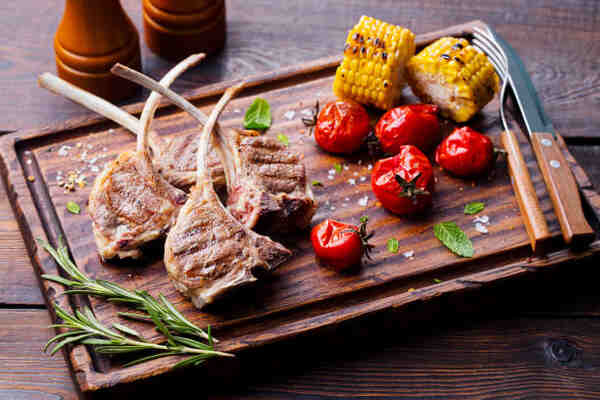
Lamb is packed with vitamins, minerals, and high-quality proteins, making it a great addition to a healthy diet. Here are some benefits of eating red meat like lamb:
Muscle Maintenance
Meat is a top source of high-quality protein in your diet. It has all nine amino acids you need and is known as a complete protein. Getting enough high-quality protein is key for preserving muscle mass, especially as you age.
Insufficient protein intake can speed up and worsen muscle loss as you age, raising the risk of sarcopenia, a condition linked to very low muscle mass. Including lamb or other protein-rich foods in your diet, alongside a healthy lifestyle and regular exercise, can aid in maintaining muscle mass.
Improved Physical Performance
Lamb helps maintain muscle mass and supports muscle function by providing beta-alanine, an amino acid used by your body to produce carnosine, essential for muscle function.
Beta-alanine is abundant in meat like lamb, beef, and pork. Higher carnosine levels in muscles can reduce fatigue and enhance exercise performance. If your diet lacks beta-alanine, such as in vegetarian or vegan diets, it may lower carnosine levels in your muscles.
Alternatively, high doses of beta-alanine supplements can boost carnosine levels in muscles by 40–80%. So, regularly eating lamb or other beta-alanine-rich foods can enhance physical performance for athletes and fitness enthusiasts.
Source of Healthy Fats
Lamb has a good amount of healthy fat, particularly omega-3s, known for their anti-inflammatory properties. Surprisingly, lamb has more omega-3s than beef, making it a valuable source of these healthy fatty acids.
Grass-fed lamb meat provides consumers with conjugated linoleic acid (CLA), a group of chemicals found in linoleic acid. CLA is known to support fat loss and enhance lean muscle mass. Animal studies suggest it may have potential as a cancer fighter, particularly against breast cancer in humans.
Anemia Prevention
Lamb, being red meat, has a higher iron content than chicken or fish. Unlike plant sources, lamb provides heme iron, which is more easily absorbed. Including lamb in your diet can help boost iron levels and prevent anemia.
Anemia is common with low red blood cells leading to reduced oxygen-carrying capacity in the blood. Key symptoms are fatigue and weakness. Iron deficiency is a major cause, preventable with good diet strategies.
Heme-iron is found only in animal-based foods, which is why it’s usually lacking in vegetarian diets and absent in vegan diets. As a result, vegetarians are at a higher risk of anemia than meat-eaters. Consuming red meat can be a key dietary strategy to address iron deficiency anemia.
Immune Boost
Lamb is also rich in immune-boosting zinc, a vital nutrient for optimal immune health, wound healing, DNA and protein synthesis, as well as children’s growth and development.
Insufficient zinc intake can weaken your immune system, leading to various health issues, from common colds to severe infections like pneumonia.
Eating lamb and other zinc-rich foods maintains healthy zinc levels, enhancing immune function. Zinc also supports the taste and smell senses, crucial for enjoying delicious lamb.
Lamb Meat Potential Risks
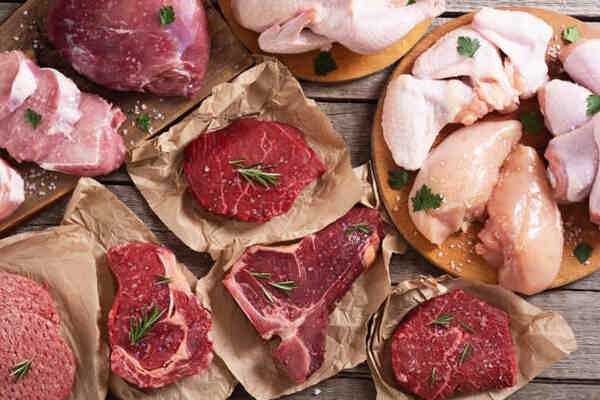
Lamb, similar to other red meats, has a high cholesterol content. Therefore, it’s best to consume it in moderation, especially if you have high cholesterol. Trimming the fat from lamb can lower its cholesterol levels.
Additionally, observational studies show varied findings on the connection between red meat and heart disease. Heart disease is a leading cause of early death, encompassing heart attacks, strokes, and high blood pressure.
Certain studies show a higher risk associated with consuming large quantities of red and processed meat. However, some suggest a risk increase only with processed meat or no impact at all. There is no concrete evidence backing this connection.
Several theories have been proposed to explain the association of high meat intake with heart disease. For example, a high intake of meat may mean less intake of other beneficial foods, such as heart-healthy fish, fruit, and vegetables. It is also linked to unhealthy lifestyle factors, such as lack of physical activity, smoking, and overeating.
Meat doesn’t directly impact your blood lipid profile. Lean lamb has effects similar to fish or white meat, like chicken. Yet, limit cured or high-heat cooked lamb.
Multiple studies suggest that high consumption of red meat can cause an increased risk of colon cancer over time. However, not all studies agree.
Certain compounds in red meat, like heterocyclic amines, may heighten cancer risk. These substances form when meat is cooked at very high temperatures, such as pan frying, baking, or grilling. They are more concentrated in well-done or overcooked meat.
Although there’s no solid evidence directly linking meat consumption to cancer, it’s best to avoid eating too many overcooked processed meats. Choosing smaller portions of lightly cooked meat, like steamed or boiled, is likely a safer and healthier option.
Recipes for Lamb Meat
Lamb meat is usually found fresh or frozen in nearby grocery stores. Many health stores also stock local lamb meat.
Choose local lamb meat whenever possible, and aim for organic, grass-fed options for the best quality. Grass-fed lamb meat, like grass-fed beef, offers a boost in nutrients and health benefits.
Grass-fed lamb has more heart-healthy omega-3 fatty acids. For leaner lamb, choose cuts from the leg or loin and trim visible fat from any lamb cut you purchase.
There are numerous ways to prepare and enjoy lamb meat. Lamb chops are highly favored for their tenderness, often likened to the porterhouse steak of lamb in the culinary realm for a beef comparison.
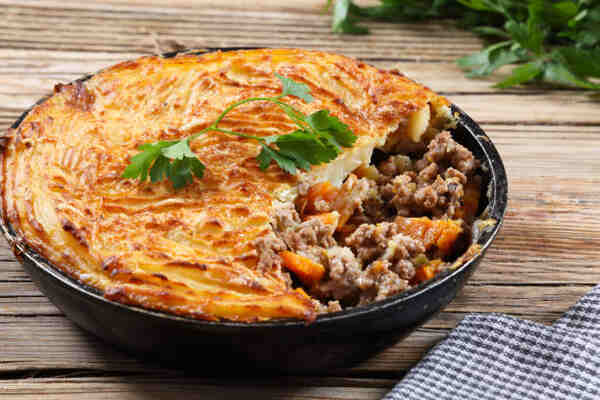
From simple grilled lamb chops to hearty lamb stew and shepherd’s pie, these recipes provide nutritional benefits from lamb:
- Air Fryer Lamb Chops
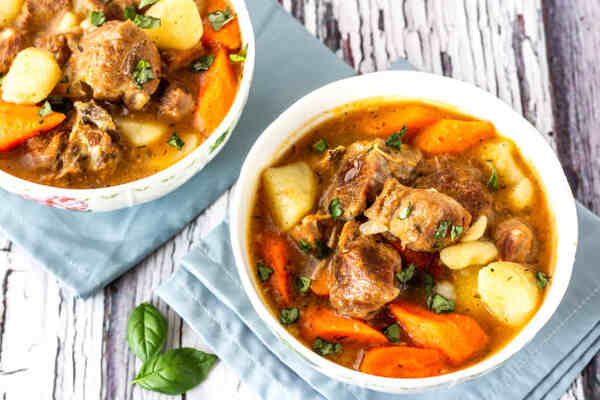
- Lamb Stew with Vegetables
- Grilled Lamb Loin Chops
- Classic Shepherd’s Pie
- Indian Lamb Curry
- Lamb Gyros
Frequently Asked Questions
What is the Healthiest Red Meat?
When it comes to healthier red meat options, lean beef cuts labeled as “round” or “loin” are top picks. They’re lower in fat compared to fattier cuts like ribeye or T-bone steak. Grass-fed beef is also promoted as a healthier choice due to its higher omega-3 fatty acids and CLA content, good for heart health and possibly reducing inflammation.
Another top pick for the healthiest red meat is bison or buffalo. Bison is usually leaner than beef, with fewer fats and calories per serving. It’s packed with protein, iron, and other vital nutrients. Bison is commonly raised without hormones or antibiotics, making it a great choice for those looking for meat from animals raised in more natural settings.
How Often is it Healthy to Eat Lamb?
The healthy way to eat lamb depends on factors like your diet choice, health, and guidelines. Lamb is rich in protein, iron, and B vitamins, but remember moderation is key.
The American Heart Association advises keeping red meat intake, like lamb, to around 3-4 servings weekly. This guidance helps balance red meat’s nutrition with health risks like heart disease and certain cancers from overconsumption.
Adding lamb to your diet a few times a week in a balanced meal plan can offer vital nutrients without excessive red meat. Consider portion control and opt for lean lamb cuts to reduce saturated fat intake. Listen to your body and seek advice from a healthcare expert to decide how often to include lamb based on your health goals and dietary needs.
Final Thoughts: Is Lamb Red Meat?
Now that we’ve answered the question “Is lamb red meat?” it’s crucial to understand its nutritional value and role in a balanced diet.
Lamb provides important nutrients like protein, iron, and B vitamins. However, it’s important to enjoy it in moderation to benefit without raising health risks linked to too much red meat.
By enjoying lean cuts of lamb a few times per week and incorporating it into a diverse range of meals, you can savor its delicious flavors while supporting your overall health and well-being.
Remember, balance is crucial for your diet, and having a variety is key for meeting your nutritional requirements. Whether you love lamb or want to try new foods, moderation and informed choices can let you savor lamb while staying health-conscious.
Incorporate lean lamb cuts into your diet with fruits, veggies, whole grains, and lean proteins for a balanced meal plan that nourishes and pleases your taste buds. Here’s to good food and good health! 🥗🍖🍎