

Discover the Potential Benefits and Risks of Eating One Meal a Day
Is it Healthy to Eat One Meal a Day?
🤔 Eating one meal a day can help some people lose weight and enhance metabolic health, but it might not work for everyone. Risks include lacking nutrients, feeling hungrier, and experiencing negative impacts on mental health and energy. Consult a healthcare provider before trying any strict diet to ensure it suits your nutritional needs and health objectives.
The One Meal a Day (OMAD) diet has gained popularity as a weight loss strategy. It involves eating only one meal per day and fasting for the remaining time. While it may offer an effective weight loss method for some, it is important to understand its potential benefits and risks before considering it as a long-term dietary approach.
The OMAD diet lets you eat any food for one meal, without calorie limits. This flexibility appeals to those who find strict diets challenging. While some healthy adults may find success with this diet, it is not suitable for everyone.
It can be challenging to sustain, especially in social situations or when dining with others. Additionally, the limited eating window may make it difficult to meet daily nutrient needs, potentially leading to nutrient deficiencies if not carefully planned.
Before starting One Meal a Day, it is crucial to consult with a healthcare professional or registered dietitian to ensure it is safe and appropriate for your individual needs.

Table of Contents
- Understanding the One Meal a Day Diet
- Pros & Cons of Eating One Meal a Day
- Preparing for the OMAD Diet
- Comparing OMAD to Other Diets
- Tips for Sustaining the OMAD Lifestyle
- Frequently Asked Questions
- Final Thoughts
Understanding the One Meal a Day (OMAD) Diet
The One Meal a Day (OMAD) diet is a type of intermittent fasting that involves eating only one meal per day and fasting for the remaining time. It is a popular approach for weight loss and is often referred to as 23:1 intermittent fasting.
This means that a person spends 23 hours of the day fasting, leaving just 1 hour per day to consume calories. The OMAD diet allows individuals to eat any type of food during their one meal, without specific calorie restrictions.
The OMAD diet involves eating just one meal a day, which usually covers all daily calorie intake in a single sitting. While there are no set calorie limits, most people on this diet try to get all their daily energy requirements from this single meal.
Eating one meal a day aims to create a calorie deficit for weight loss. In the calorie intake window, prompting the body to burn stored fat for energy during fasting. However, it’s crucial to remember that the OMAD diet doesn’t emphasize meal quality, potentially affecting health.
How OMAD Fits into Intermittent Fasting Patterns
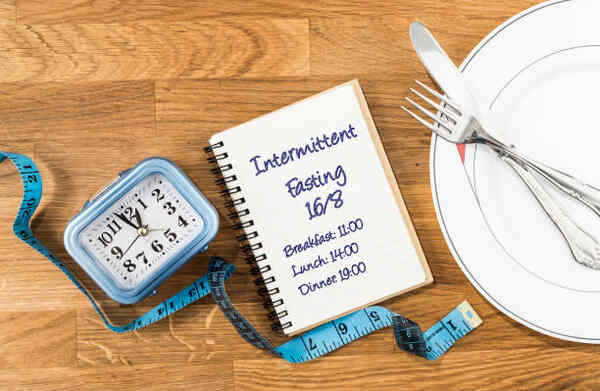
The One Meal a Day diet is a form of intermittent fasting, where you alternate between eating and fasting. This approach has become popular due to its potential health perks like weight loss, better blood sugar levels, and decreased inflammation.
Different fasting patterns exist in intermittent fasting. The OMAD diet centers on eating one meal a day and fasting the rest of the time. This varies from the 16/8 method, where fasting lasts 16 hours with an 8-hour eating window.
While intermittent fasting can help you lose weight, pick a fasting style that suits your life. Get advice from a healthcare pro or dietitian to find the right fasting and eating pattern for you.
Pros & Cons Eating One Meal a Day
The science behind the OMAD diet revolves around the metabolic impact of fasting and its potential health benefits. Intermittent fasting, including the OMAD diet, has been linked to improvements in metabolic syndrome, blood sugar levels, and other markers of health.
Metabolic syndrome refers to a cluster of conditions, including high blood pressure, high blood sugar, excess body fat around the waist, and abnormal cholesterol levels. Research suggests that intermittent fasting can help improve these markers and reduce the risk of developing metabolic syndrome.
Intermittent fasting has shown benefits like weight loss, better insulin sensitivity, reduced inflammation, and improved brain health. Research on the OMAD diet is limited, so more studies are crucial to grasp its long-term health effects.

Health Benefits of Eating One Meal a Day
One meal a day can have a significant impact on metabolism and various aspects of health. Fasting has been shown to increase metabolism, leading to enhanced fat-burning and potential weight loss.
In terms of metabolic health, intermittent fasting has been associated with improved blood pressure, blood sugar control, and cholesterol levels. It can also help reduce body fat mass, particularly visceral fat that accumulates around the organs and is associated with an increased risk of chronic diseases.
Beyond metabolic benefits, intermittent fasting has been linked to improved brain health, increased autophagy (a cellular cleansing process), reduced inflammation, and enhanced longevity in animal studies.
However, more research is needed to fully understand the long-term effects of intermittent fasting, including the OMAD diet, on human health.
Potential Risks and Side Effects
While reduced meal frequency may have potential benefits, it is important to consider the potential risks and side effects associated with this extreme form of calorie restriction.
One of the main concerns with a strict OMAD diet is the potential for low blood sugar, especially if individuals are not able to consume enough calories during one meal. This can lead to symptoms such as dizziness, weakness, and difficulty concentrating.
Additionally, the OMAD diet may pose additional risks for certain individuals, such as those with diabetes or other underlying medical conditions. It can also be challenging to meet daily nutrient needs within a single meal, potentially leading to nutrient deficiencies if not carefully planned.
One meal a day is also unsuitable for certain groups like pregnant or breastfeeding women, children, teens, older adults, and individuals with eating disorders. Having only one meal a day can foster disordered eating habits, affect social interactions, and prove challenging to maintain for many.
Calorie restriction, especially with extreme methods like one meal a day, can harm metabolism and reduce muscle mass. Approach calorie consumption and intermittent fasting carefully with guidance from a healthcare professional or dietitian.
Preparing for the OMAD Diet
Before starting the OMAD diet, it is important to have a well-planned diet to ensure adequate nutrient intake. Since it involves eating only one meal a day, it is crucial to make that meal as nutrient-rich as possible.
Designing a diet plan for this regimen requires choosing nutrient-rich foods with a variety of vitamins, minerals, and essential nutrients. This guarantees the body gets all it needs despite the time-restricted eating.
Besides nutrient intake, meal timing is crucial. Selecting the best daily eating period can enhance OMAD benefits and promote general health.

Choosing Your Daily Meal Time Wisely
Selecting the most suitable daily meal time is an important consideration when following the OMAD diet. While some individuals prefer to have their meal in the evening, others may opt for breakfast or lunch as their one meal.
Opting for dinner in the evening enables longer fasting periods during the day, potentially boosting fat burning and aiding weight loss. It also syncs with the body’s natural circadian rhythm, as metabolism usually slows down in the evening.
Regardless of the chosen meal time, it is important to ensure that the meal provides adequate calories to meet daily energy needs. This requires careful planning to include a balance of macronutrients (carbohydrates, proteins, and fats) and a variety of nutrient-rich foods.
Planning Nutrient-Rich Meals to Support Your Body
When following the OMAD diet, it is essential to plan nutrient-rich meals that provide all the necessary nutrients for the body. Since diet restricts calorie intake to a single meal, it is crucial to make every calorie count.
For good nutrition, eat a mix of foods from all groups: lean proteins, whole grains, fruits & veggies, and healthy fats. Choose foods rich in vitamins, minerals, and antioxidants for better health.
It’s crucial to watch portion sizes and get adequate calories to meet your energy needs. While the diet restricts calories, it shouldn’t lead to severe deprivation or nutrient shortfalls. Working with a registered dietitian can assist in crafting a balanced meal plan that meets your body’s requirements when on the One Meal a Day diet.
Comparing OMAD to Other Diets

OMAD is just one approach to weight loss and intermittent fasting. It is important to understand how it compares to other diets and which may be more suitable for specific individuals.
In terms of weight loss, it can be effective due to the calorie restriction and potential metabolic benefits. However, it is not necessarily superior to other weight loss diets and may pose additional risks due to its extreme nature.
When comparing the OMAD diet to traditional diets that involve calorie restriction throughout the day, it’s crucial to think about personal preferences, lifestyle, and health conditions. Talking to a healthcare provider or dietitian can guide the best dietary choice for lasting weight control and health.
Why Some People Choose OMAD Over Intermittent Fasting
While there are various intermittent fasting regimens to choose from, some people may prefer the OMAD diet due to its simplicity and flexibility. The OMAD diet allows for one substantial meal, which can provide a sense of satisfaction and allow for more indulgent food choices.
Moreover, the OMAD diet might be easier in social settings or when eating out since you only have to plan for one meal. This simplifies sticking to the diet and keeping up with social interactions.
However, it is important to note that the OMAD diet may not be suitable for everyone and can pose potential risks. It is essential to consider individual needs, preferences, and any underlying health conditions when choosing an intermittent fasting regimen or dietary approach.
Expert Tips for Sustaining the OMAD Lifestyle
Sustaining the OMAD lifestyle requires careful planning and consideration of various lifestyle factors. Here are some expert tips to support the OMAD lifestyle:
- Prioritize a balanced diet: Ensure that your one meal contains a variety of nutrient-rich foods from all food groups.
- Stay physically active: Regular exercise can support weight loss, improve overall health, and complement the diet.
- Stay hydrated: Drink plenty of water and other non-caloric beverages throughout the day to stay hydrated and support overall health.
- Listen to your body: Pay attention to hunger and fullness cues to ensure you’re consuming enough calories and meeting your nutritional needs.
- Seek professional guidance: Consult with a registered dietitian or healthcare professional for personalized advice and support in maintaining the OMAD lifestyle.
Staying Hydrated and Managing Hunger

When following the OMAD diet, it’s crucial to stay hydrated throughout the day. Drinking water and non-calorie beverages can help curb hunger and prevent dehydration. It’s important to listen to your body and drink whenever you feel thirsty.
Managing hunger can be a challenge on the OMAD diet, especially during the fasting period. To help manage hunger, you can try drinking herbal tea or black coffee, which are low in calories and can help suppress appetite. These beverages can also help satisfy cravings without breaking your fast.
Remember that besides staying hydrated and controlling hunger, you must prioritize getting adequate nutrients in your one meal. Opt for nutrient-rich foods containing vital vitamins, minerals, and macronutrients. Including a mix of fruits, veggies, whole grains, lean proteins, and healthy fats helps you meet your nutritional requirements.
Integrating Exercise with OMAD for Enhanced Benefits
Integrating exercise with the OMAD diet can enhance its benefits, particularly when it comes to fat loss and improving body composition. Regular exercise can help increase calorie burn, build lean muscle mass, and improve overall fitness.
When adding exercise to your routine, remember to think about timing and fueling. Consider working out before your meal to benefit from the post-exercise fat-burning phase. If you choose to exercise after eating, ensure you fuel your body with the right nutrients to back your workout.
Additionally, it’s important to listen to your body and adjust your exercise intensity and duration as needed. If you’re feeling fatigued or lightheaded, it may be a sign that you need to adjust your calorie intake or timing of your meal to better support your exercise routine.
Frequently Asked Questions
Is OMAD Safe for Everyone?
OMAD may not be safe for everyone. It’s important to consider individual health conditions, risk factors, and overall health before starting this diet. Certain groups, such as children, pregnant or breastfeeding women, and individuals with underlying medical conditions, should avoid the OMAD diet. It’s always best to consult with a healthcare professional or registered dietitian before making any significant dietary changes.
How Long Should I Follow the OMAD Diet for Noticeable Results?
The duration of following the OMAD diet for noticeable results can vary. Some people may see initial weight loss and changes in body composition within a few weeks. However, it’s important to maintain a balanced and sustainable diet and lifestyle for long-term weight control and sustained fat loss. It’s recommended to consult with a healthcare professional or registered dietitian to determine the most appropriate timeframe for your individual goals and needs.
Can I Drink Coffee or Tea Outside of My One Meal?
Yes, you can drink coffee or tea outside of your one meal on the OMAD diet. However, it’s important to choose low-calorie options such as black coffee or herbal tea without added sugar or cream. Be mindful that some sweetened or high-calorie beverages may increase your calorie intake and potentially impact insulin levels and appetite.
What are the Best Foods to Eat on the OMAD Diet?
There are no set foods for eating one meal a day. Focus on nutrient-rich foods for essential vitamins, minerals, and macros. Include fruits, veggies, whole grains, lean proteins, and healthy fats. Plan meals to meet your needs in your one-meal window.
Final Thoughts
Exploring the ins and outs of the One Meal a Day Diet requires a close look at its pros and cons. While OMAD offers metabolic perks and simplifies meal planning, it’s crucial to consider your health needs and consult a healthcare provider before adopting this eating plan.
Highlighting nutrient-rich meals, staying hydrated, and exercising regularly can support the sustainability of the OMAD lifestyle. When comparing OMAD to regular diets or intermittent fasting, it’s important to weigh the pros and cons to see if it aligns with your goals and preferences.
Remember, personalized nutrition plans designed for your needs lead to better long-term health and well-being.