

Our Beginner-Friendly Guide Shows you How to Make Delicious, Carb Free Bread Recipe with Ease.
Can I Make Carb Free Bread Recipe Vegan or Dairy-Free?
✅ YES! You can make carb free recipe bread vegan or dairy-free by using flax or chia eggs as egg substitutes and plant-based milks or oils instead of dairy products. Adding psyllium husk or xanthan gum can help with binding.
Imagine being able to enjoy a slice of bread without compromising carb-conscious goals. Welcome to the world of zero-carb bread. In this world, everything is still satisfyingly bread-like, only without all the carbs.
This food game-changer has become an immediate staple, especially for beginners as they fire up their low-carb journey or just look out for healthier options.
Carb free bread recipe is trending, and there’s a good reason why. It’s not about cutting carbs alone; it’s about adopting a lifestyle that embraces good energy levels, weight management, and feeling well. For the low-carb rookie, carb-free bread offers a harmless, easy, yummy start to healthy eating habits without feeling deprived.
In this post, you will learn the basics: what makes carb free bread recipe different, the benefits it accrues, and easy recipes to get you started. Whether you are just starting or simply curious, this guide will provide you with the knowledge and inspiration necessary to make carb free bread recipe a staple in your kitchen.
Table of Contents:
- Understanding Carb Free Bread
- Essential Ingredients for Carb Free Bread Recipe
- Step-by-Step Carb Free Bread Recipe
- Baking Tips and Tricks
- Tips for Achieving the Perfect Rise
- Troubleshooting Common Issues
- Nutritional Facts for Carb-Free Bread Recipe
- Other Carb Free Bread Recipes
- Best Flours to Use for Carb Free Bread Recipe
- Storing and Serving Bread
- Frequently Asked Questions
- Final Thoughts
Understanding Carb Free Bread Recipe
What is Carb Free Bread?
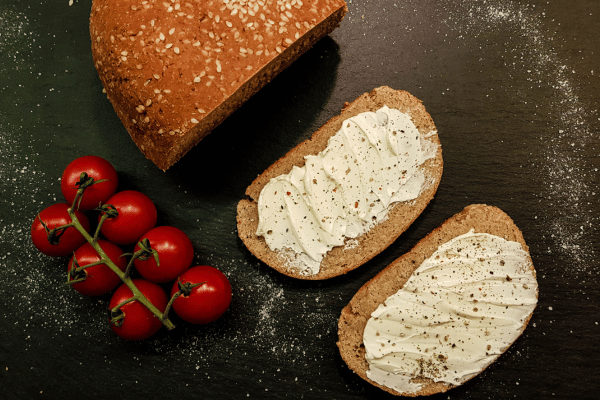
Carb free bread is a type of bread that relies on no other traditional carbohydrates besides wheat flour and other grain-based additives.
In turn, low-carb additives or zero-carb ones like almond flour, flaxseed, coconut flour, and eggs become their proxy elements to help reach a bread-like consistency. This will result in something like regular bread in taste and texture, without the carb load that can send blood sugar levels flying.
How It Differs from Regular Bread
The ingredients and nutritional makeup are the big difference between carb-free and normal bread.
Normal bread usually consists of wheat flour, which is highly carbohydrate-rich. When taken in excess, these carbohydrates raise blood sugar levels and contribute to weight gain.
On the other hand, bread free from carbs replaces these high-carb components with their low-carb counterparts; hence, it is more suitable for those going on a low-carb or ketogenic diet.
Another big difference is the texture and taste. While low-carb bread may be just as fulfilling, it can be denser or generally have a different texture than regular bread. It may taste slightly different based on the ingredients, but it can be as enjoyable as any loaf of your favorite bread when the recipe is right.
Common Misconceptions About Carb Free Bread Recipe
Misconceptions regarding carb free bread recipe are few, and some of the most important ones include:
- Carb-Free Bread Tastes Bland: Most people believe it does not take flavor well. Of course, with the perfect blend of ingredients and seasonings, there could be so much more to this, actually flavorful and satisfying.
- Impossible to Make at Home: Another myth that people have about carb free bread recipe is that they are difficult or confusing to make at home. Some simple recipes are available to bake carb free bread recipe using only a handful of elements and with very little effort.
- Nutrient-Lacking Due to Low Carb Content: Many have this misconception that carb free bread recipes are lacking in nutrition because of its low content of carbohydrates.
However, most of the recipes for zero-carb bread use ingredients such as almond flour, flaxseed, and eggs rich in healthy fats, protein, and fiber. Understanding these aspects of carb-free bread recipe dispels the myths and lets us know why it’s a valuable option for people who want to take advantage of the pleasures of eating bread.
Essential Ingredients for Carb Free Bread Recipe

Creating a carb free bread recipe requires specific ingredients that cater to a low-carb lifestyle. Here are the key components to making delicious and satisfying carb-free bread.
Low-Carb Flour Alternatives
The foundation of carb-free bread is low-carb flour alternatives. Unlike traditional wheat flour, these options have minimal carbohydrates and offer different textures and flavors:
- Almond Flour: A popular choice, almond flour is made from finely ground almonds. It provides a slightly nutty flavor and a moist texture, making it ideal for many low-carb baking recipes. Almond flour is rich in healthy fats, protein, and fiber, making it a nutrient-dense option for carb-free bread.
- Coconut Flour: Made from dried and ground coconut meat, coconut flour is another excellent low-carb alternative. It has a mild coconut flavor and is very absorbent, requiring less flour than almond flour. Coconut flour is high in fiber and works well with other flours for a balanced texture.
- Psyllium Husk Powder: This fiber-rich ingredient often adds structure and volume to zero-carb breads. It helps mimic the texture of gluten, making your bread more elastic and less crumbly.
- Eggs: Eggs play a crucial role in carb free bread recipe. They act as a binder, providing structure and moisture to the bread. Eggs also taste rich and help achieve a light, airy texture. In some recipes, you may find that more eggs are used to compensate for the lack of gluten found in traditional bread.
- Baking Powder: Baking powder is essential for helping your bread rise and achieve a fluffy texture. It’s a leavening agent that creates air pockets in the dough, giving the bread a light and airy feel. For the best results, ensure that your baking powder is gluten-free and aluminum-free.
- Seasonings and Flavor Enhancers: Carb-free bread can sometimes have a blander taste, so adding seasonings and flavor enhancers is key to creating a delicious loaf:
- Salt: A basic ingredient that enhances the overall flavor of the bread.
- Herbs and Spices: Adding dried herbs like rosemary, thyme, or oregano can give your bread an aromatic and flavorful twist.
- Cheese: Incorporating cheese, like parmesan or cheddar, adds richness and depth to your carb-free bread.
Combining these essential ingredients allows you to create a variety of carb free bread recipe that suit your taste preferences and dietary needs. Whether making a simple loaf or experimenting with different flavors, these ingredients will help you always achieve the perfect carb-free bread.
Step-by-Step Carb Free Bread Recipe
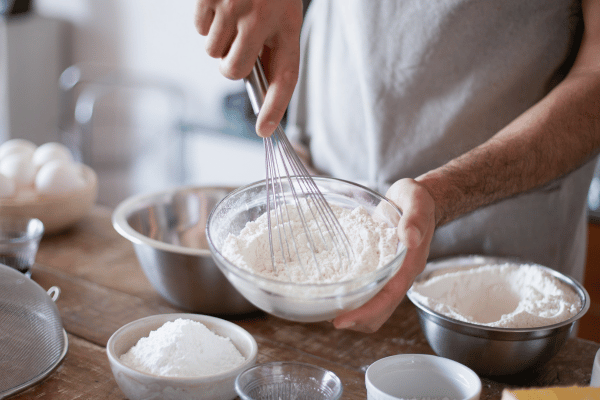
Making carb-free bread at home can be a rewarding experience, especially when you follow these detailed step-by-step instructions. Whether a seasoned baker or a beginner, this guide will help you create a delicious loaf of carb-free bread.
Ingredients
- 2 cups almond flour
- 1/4 cup coconut flour
- 2 tablespoons psyllium husk powder
- 1 tablespoon baking powder
- 1/2 teaspoon salt
- 4 large eggs
- 1/2 cup unsalted butter, melted (or coconut oil for dairy-free)
- 1/2 cup warm water
- Optional: 1 teaspoon apple cider vinegar (to help with rising)
- Optional: Herbs, seeds, or cheese for added flavor
Instructions
- Preheat Your Oven: Preheat your oven to 350°F (175°C). Line a loaf pan with parchment paper or grease it with butter or coconut oil to prevent sticking.
- Mix the Dry Ingredients: Combine the almond flour, coconut flour, psyllium husk powder, baking powder, and salt in a large mixing bowl. Stir until the ingredients are well blended. This ensures that the leavening agent (baking powder) is evenly distributed, which is crucial for a good rise.
- Prepare the Wet Ingredients: Whisk together the eggs, melted butter (or coconut oil), and warm water in a separate bowl. If you’re using apple cider vinegar, add it to this mixture. The warm water helps the batter come together smoothly, while the vinegar can help the bread rise slightly.
- Combine Wet and Dry Ingredients: Slowly pour the wet ingredients into the dry mixture, stirring continuously until a thick batter forms. The batter should be thick but not too stiff, with no visible lumps.
- Let the Batter Rest: Let the batter rest for about 5 minutes. This allows the psyllium husk and flours to absorb the liquid, helping the bread to firm up and achieve the right texture.
- Transfer to the Loaf Pan: Pour the batter into your prepared loaf pan. Use a spatula to smooth the top, ensuring an even surface. If desired, sprinkle seeds or herbs on top for extra flavor and texture.
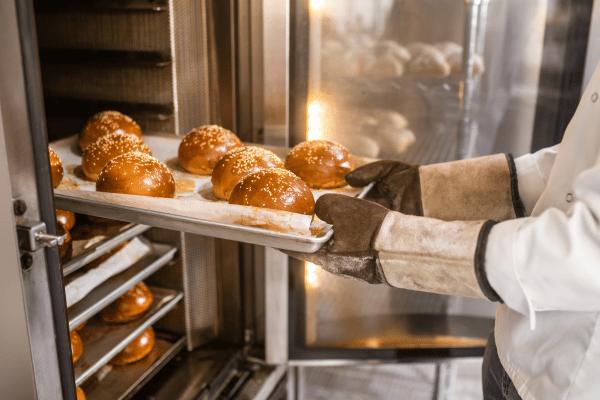
- Bake the Bread: Place the loaf pan in the preheated oven and bake for 45-50 minutes, until the top is golden brown and a toothpick inserted into the center comes out clean. Avoid opening the oven door frequently, which can affect the rising process.
- Cool and Slice: Once the bread is fully baked, please remove it from the oven and allow it to cool in the pan for about 10 minutes. Then, transfer the bread to a wire rack to cool completely before slicing. This step is crucial for avoiding a gummy texture.
Tips for Beginners
- Measure Accurately: Use a kitchen scale for the flours to ensure precise measurements. Almond and coconut flours are particularly dense; slight variations can affect the texture.
- Don’t Overmix: Overmixing the batter can result in a dense loaf. Mix just until the ingredients are combined.
- Avoid Overbaking: Carb-free bread can dry out quickly, so monitor the baking time. If the top starts to brown too quickly, cover it loosely with aluminum foil.
Suggested Variations and Add-Ins
- Herbs: For an aromatic twist, add 1-2 teaspoons of dried herbs like rosemary, thyme, or oregano to the batter.
- Seeds: Sprinkle sesame, sunflower, or flaxseeds on top of the batter before baking for added crunch and nutrition.
- Cheese: For a richer flavor, mix in 1/2 cup of shredded parmesan, cheddar, or any other cheese you like.
By following these steps and tips, you’ll have a loaf of carb-free bread that’s perfect for sandwiches, toast, or simply enjoying with a pat of butter. Feel free to experiment with the variations to make the recipe your own!
Baking Tips and Tricks
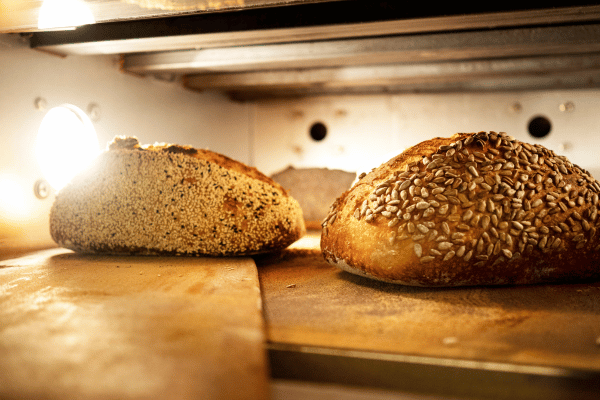
Mastering the art of baking carb-free bread recipes involve more than just following a recipe. The right techniques can make all the difference in achieving the perfect texture, flavor, and rise. Here are some tips and tricks to help you bake the best carb-free bread.
Achieving the Best Texture and Flavor
- Use Fresh Ingredients: Ensure your almond flour, coconut flour, and other ingredients are fresh. Stale or outdated ingredients can negatively impact the flavor and texture of your bread.
- Balance Your Flours: Almond flour and coconut flour combine to create a balanced texture. Almond flour adds moisture and a soft crumb, while coconut flour adds structure. Too much coconut flour can make the bread dry and crumbly, so be sure to follow the recipe measurements carefully.
- Add Moisture with Fats: Healthy fats like butter, coconut oil, or olive oil enhance flavour and keep the bread moist. Please don’t skimp on these ingredients; they are crucial for achieving a tender crumb.
- Incorporate Eggs for Structure: Eggs are essential in carb-free bread to provide structure and bind the ingredients together. They also contribute to a light and airy texture. If you prefer denser bread, you can reduce the number of eggs, which may affect the rise and overall texture.
Tips for Achieving the Perfect Rise
- Use Baking Powder: Baking powder is your go-to leavening agent in carb-free bread. Ensure it’s fresh and within its expiration date. Old baking powder won’t provide the necessary lift, resulting in a denser loaf.
- Consider Adding Apple Cider Vinegar: A small amount of apple cider vinegar (about 1 teaspoon) can help improve the rise by reacting with the baking powder, creating more air bubbles in the batter.
- Avoid Overmixing: Overmixing the batter can deflate the air bubbles, leading to a denser bread. Mix just until the ingredients are combined for the best rise.
- Don’t Skip the Resting Time: Allowing the batter to rest for a few minutes before baking gives the psyllium husk and other fibers time to absorb moisture and expand, contributing to a better rise and texture.
Troubleshooting Common Issues
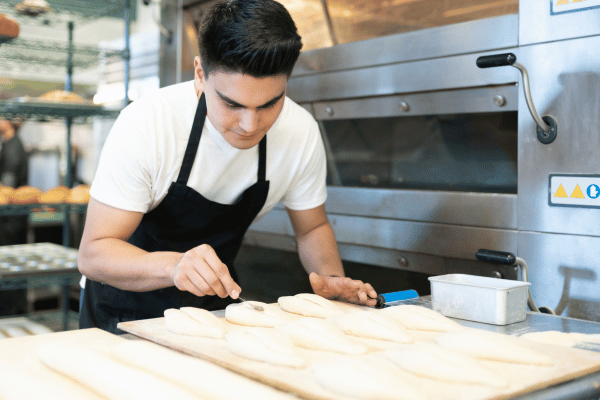
- Bread is Too Dense: If your bread turns out too dense, it could be overmixing, old baking powder, or needing more leavening. Ensure you’re using the correct baking powder and avoid overworking the batter. Also, ensure your eggs are at room temperature, as cold eggs can cause the bread to be dense.
- Bread is Crumbly: Crumbly bread is often the result of too much coconut flour or insufficient binding agents like eggs. Ensure you’re accurately measuring your ingredients, and consider adding an extra egg if your bread is falling apart. You can also increase the psyllium husk powder slightly to improve the structure.
- Bread Didn’t Rise: If your bread didn’t rise as expected, check the freshness of your baking powder and eggs. Also, ensure your oven is properly preheated before placing the bread inside. Adding a small amount of apple cider vinegar can also help with rising.
- Bread is Too Dry: Dryness can occur if the bread is overbaked or there needs to be more coconut flour in the mix. To avoid this, keep a close eye on your baking time and consider reducing the amount of coconut flour slightly. Adding more fat, such as butter or oil, can also help retain moisture.
Following these tips and tricks, you’ll be ready to bake carb free bread recipe with the perfect texture, flavour, and rise. Remember, practice makes perfect, so don’t be afraid to experiment with different techniques and ingredients to find what works best.
Nutritional Facts for Carb Free Bread Recipe
The nutritional content of carb-free bread can vary depending on the specific ingredients and quantities used. Below is an estimate based on the provided recipe:
Serving Size: 1 slice (assuming 12 slices per loaf)
- Calories: 160-180 kcal
- Total Fat: 14-16g
- Saturated Fat: 4-5g
- Cholesterol: 70-80mg
- Sodium: 250-300mg
- Total Carbohydrates: 3-5g
- Dietary Fiber: 2-3g
- Sugars: 1g or less
- Net Carbohydrates: 1-2g
- Protein: 5-7g
Key Points
- Low in Carbs: This recipe’s net carbohydrates are very low, making it suitable for those following a ketogenic or low-carb diet.
- High in Healthy Fats: The high-fat content, primarily from almond flour and butter (or coconut oil), provides a rich energy source.
- Good Source of Protein: Eggs and almond flour contribute to the protein content, making this bread more filling and satisfying.
- Fiber Content: Psyllium husk powder and coconut flour add fiber, which helps with digestion and can contribute to a feeling of fullness.
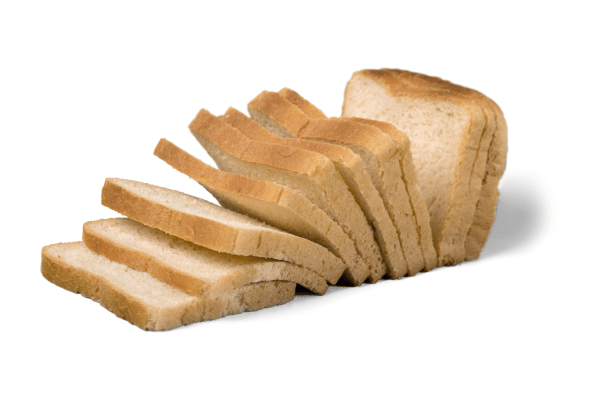
Factors Affecting Nutritional Content
- Butter vs. Coconut Oil: Using butter will slightly increase the saturated fat content, while coconut oil will add more medium-chain triglycerides (MCTs), which are often favored in ketogenic diets.
- Additional Ingredients: Adding seeds, nuts, or cheese can increase the calorie, fat, and protein content while still keeping carbs low.
Consider the specific brands and products you use, as the nutritional values can vary slightly depending on these factors. This estimate is a general guide, and it’s advisable to calculate the nutrition facts based on your exact ingredients for the most accurate information.
Other Carb Free Bread Recipe
If you want to expand your carb free bread recipe options, try some delicious variations. Each recipe is designed to be low in carbohydrates while offering different flavors and textures. Below are some popular carb free bread recipe and their estimated net carbs per serving.
Keto Cloud Bread
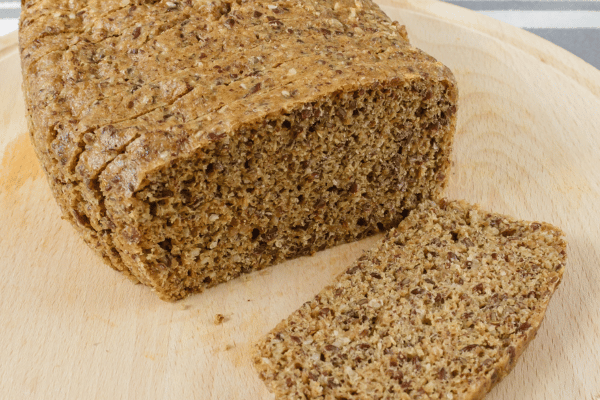
Keto cloud bread, or “oopsie bread,” is a light and fluffy alternative to traditional bread. Made primarily from eggs and cream cheese, it has a soft texture that is perfect for sandwiches or as a base for toppings.
Ingredients:
- 3 large eggs
- 3 ounces cream cheese, softened
- 1/4 teaspoon cream of tartar
- Optional: herbs or spices for flavor
Net Carbs: 0.5g per slice (assuming 8 slices)
Flaxseed Bread
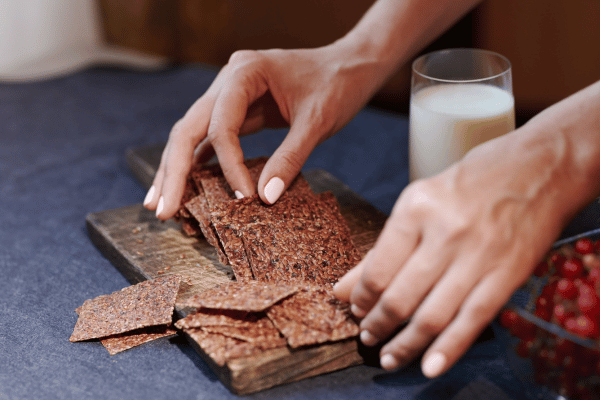
Flaxseed bread is a dense, fiber-rich option that’s perfect for toasting. Flaxseeds are low in carbs and high in omega-3 fatty acids, making this bread a nutritious choice.
Ingredients:
- 1 cup ground flaxseed meal
- 1/4 cup coconut flour
- 4 large eggs
- 1/4 cup water
- 1/4 cup olive oil
- 1 tablespoon baking powder
- 1/2 teaspoon salt
Net Carbs: 1g per slice (assuming 12 slices)
Cauliflower Bread
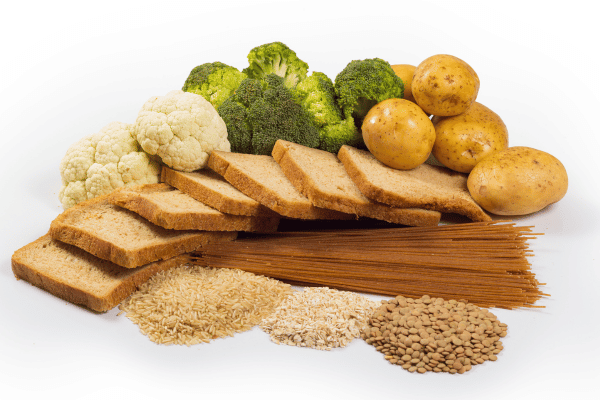
Cauliflower bread is a low-carb, gluten-free alternative with cauliflower as the base ingredient. It’s great for making open-faced sandwiches or as a pizza crust.
Ingredients:
- 1 medium head of cauliflower, grated or priced
- 2 large eggs
- 1/2 cup shredded mozzarella cheese
- 1/4 cup grated parmesan cheese
- 1 teaspoon dried oregano
- 1/2 teaspoon garlic powder
- Salt and pepper to taste
Net Carbs: 1.5g per slice (assuming 8 slices)
Coconut Flour Bread
Coconut flour bread is a low-carb and gluten-free option with a slightly sweet flavor, making it ideal for breakfast or a snack.
Ingredients:
- 1/2 cup coconut flour
- 6 large eggs
- 1/2 cup unsalted butter, melted
- 1/4 teaspoon sea salt
- 1 teaspoon baking powder
Net Carbs: 2g per slice (assuming 12 slices)
Psyllium Husk Bread
Psyllium husk bread is a hearty and filling option that closely mimics traditional bread in texture. Psyllium husk provides fiber and helps give the bread structure.
Ingredients:
- 1 cup almond flour
- 1/4 cup coconut flour
- 2 tablespoons psyllium husk powder
- 1/4 cup melted coconut oil
- 4 large eggs
- 1/2 teaspoon baking soda
- 1 teaspoon apple cider vinegar
- 1/2 teaspoon salt
Net Carbs: 1.5g per slice (assuming 12 slices)
Zucchini Bread
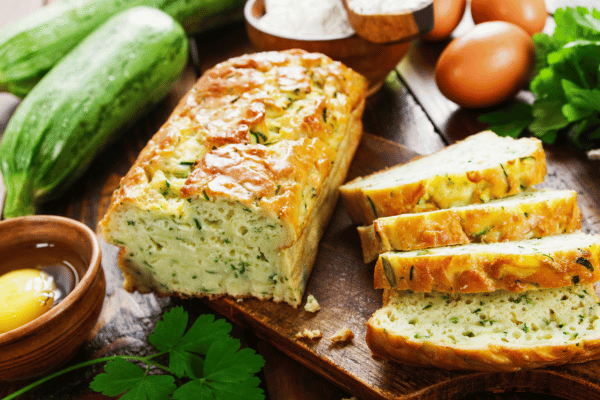
Zucchini bread is a moist and flavorful option that incorporates grated zucchini. It adds moisture and nutrients while keeping the carb count low.
Ingredients:
- 1 medium zucchini, grated
- 3 large eggs
- 1/4 cup almond flour
- 1/4 cup coconut flour
- 1/4 cup melted butter or coconut oil
- 1 teaspoon baking powder
- 1/2 teaspoon cinnamon (optional)
- Salt to taste
Net Carbs: 2g per slice (assuming 10 slices)
Cheesy Garlic Breadsticks
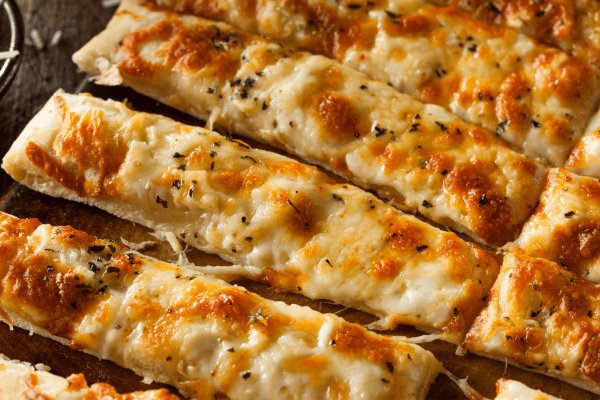
These low-carb breadsticks are perfect for those who love a cheesy, garlicky flavor. They make a great side dish or snack.
Ingredients:
- 1 1/2 cups shredded mozzarella cheese
- 1 cup almond flour
- 1 teaspoon baking powder
- 1 large egg
- 1 teaspoon garlic powder
- 1/2 teaspoon Italian seasoning
- Optional: fresh parsley and more cheese for topping
Net Carbs: 1g per breadstick (assuming 10 breadsticks)
Coconut Flour Flatbread
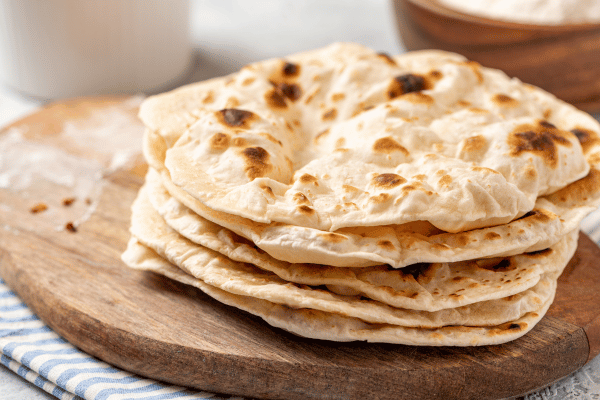
Coconut flour flatbread is versatile and can be used for wraps, tacos, or as a pizza base. It’s quick to make and requires minimal ingredients.
Ingredients:
- 1/4 cup coconut flour
- 4 large eggs
- 1/4 cup water or almond milk
- 1/4 teaspoon baking powder
- Pinch of salt
Net Carbs: 2g per flatbread (assuming 6 flatbreads)
Almond Flour Focaccia
This almond flour focaccia is soft and fluffy, perfect for those who miss the taste of traditional Italian bread. It’s great for dipping in olive oil or serving with salads.
Ingredients:
- 2 cups almond flour
- 1/4 cup coconut flour
- 2 large eggs
- 1/4 cup olive oil
- 1 tablespoon fresh rosemary
- 1/2 teaspoon garlic powder
- 1 teaspoon baking powder
- Salt to taste
Net Carbs: 2g per slice (assuming 12 slices)
Chia Seed Bread
Chia seed bread is packed with fiber and healthy fats. Chia seeds add a slight crunch and help keep the bread moist.
Ingredients:
- 1 cup almond flour
- 1/4 cup chia seeds
- 3 large eggs
- 1/4 cup water
- 1/4 cup melted coconut oil
- 1 teaspoon baking powder
- 1/2 teaspoon salt
Net Carbs: 1.5g per slice (assuming 12 slices)
These carb free bread recipe offer variety and are perfect for anyone following a low-carb or ketogenic diet. With their low net carb counts, you can enjoy bread without compromising your dietary goals.
Best Flours to Use for Carb Free Bread Recipe
Choosing the right flour is crucial for creating carb free bread recipe that tastes great and has the right texture. Here’s a breakdown of the best flours for carb-free baking and how they contribute to the perfect loaf.
Almond Flour
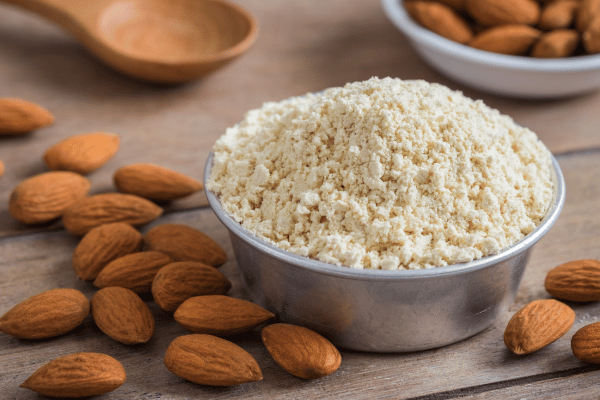
- Overview: Almond flour is one of the most popular flour for low-carb and carb-free baking. It’s made from finely ground almonds and has a mild, nutty flavor. Almond flour is rich in healthy fats, protein, and fiber, making it a nutrient-dense choice for carb-free bread.
- Why It Works: Almond flour provides a moist texture and a slightly sweet flavor, making it ideal for bread, muffins, and other baked goods. It’s also naturally gluten-free, perfect for those with gluten sensitivities.
- Tips for Use: Almond flour can be used alone or with other low-carb flour to create a balanced texture. Because it’s denser than traditional flour, you may need more eggs or other binding agents to achieve the right consistency in your bread.
Coconut Flour
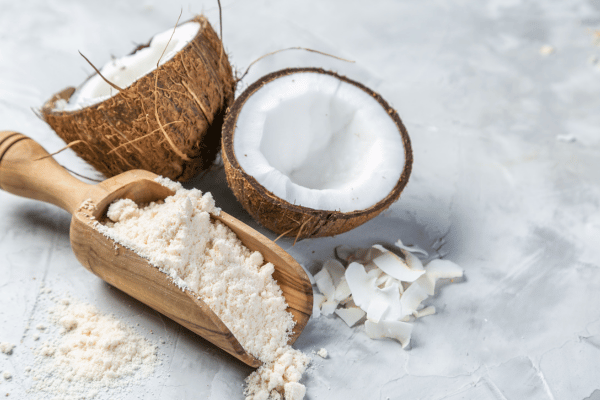
- Overview: Coconut flour is made from dried, ground coconut meat. It’s incredibly absorbent, which means a little goes a long way. Coconut flour has a mild coconut flavor and is high in fiber, making it another excellent choice for carb-free baking.
- Why It Works: Coconut flour is low in carbs and high in fiber, which helps create a filling and satisfying bread. Its absorbent nature means it soaks up liquids, which can help create a bread with a firmer texture.
- Tips for Use: Because coconut flour is so absorbent, you’ll need to use it sparingly. A typical ratio is to use about 1/4 cup of coconut flour for every 1 cup of almond flour. Additionally, you’ll need to increase the amount of liquid and eggs in your recipe to compensate for the dryness coconut flour can create.
Psyllium Husk Powder
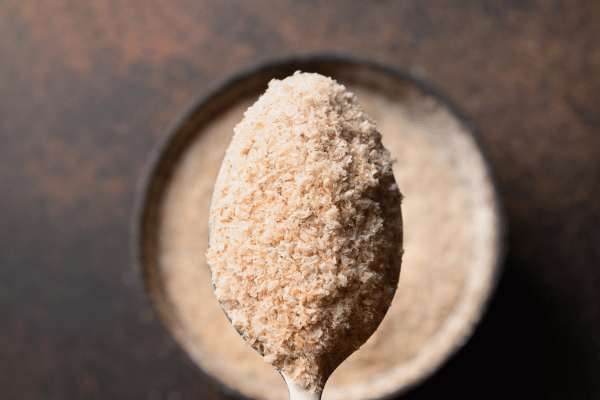
- Overview: Psyllium husk powder is derived from the seeds of the Plantago ovata plant. It’s a highly soluble fiber that absorbs water and forms a gel-like substance, which can mimic the texture of gluten in bread.
- Why It Works: Psyllium husk powder adds structure and elasticity to carb-free bread, helping to create a chewy texture similar to traditional bread. It also helps retain moisture, preventing your bread from becoming too dry.
- Tips for Use: A little psyllium husk powder goes a long way. Typically, 1-2 tablespoons are enough for most recipes. It’s best used with almond flour or coconut flour to improve the texture and rise of your bread.
Flaxseed Meal
- Overview: Flaxseed meal is ground flaxseeds. It’s rich in omega-3 fatty acids and fiber and has a slightly nutty flavor. Flaxseed meal can be used as a flour alternative or as a binding agent in carb-free recipes.
- Why It Works: Flaxseed meal adds moisture and a slightly chewy texture to bread. It’s also a natural egg replacer, useful in vegan or egg-free baking. The high fiber content helps create a more filling bread.
- Tips for Use: Flaxseed meals can be used alone or with other low-carb flour. To use them as an egg substitute, combine 1 tablespoon of flaxseed meal with 3 tablespoons of water for each egg in the recipe.
Sunflower Seed Flour
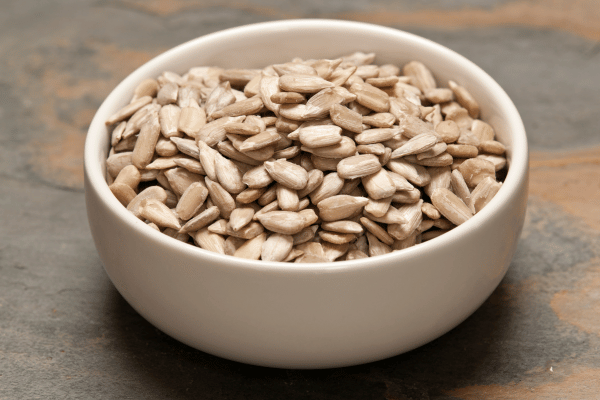
- Overview: Sunflower seed flour is made from ground sunflower seeds and is a lesser-known but effective low-carb flour option. It has a mild, slightly sweet flavor and is packed with protein and healthy fats.
- Why It Works: Sunflower seed flour offers a good balance of texture and flavor in carb-free bread. It’s also rich in vitamin E and other antioxidants, making it nutritious.
- Tips for Use: In most recipes, sunflower seed flour can be used as a 1:1 substitute for almond flour. However, it can react with baking soda or powder to create a green tint in baked goods. Add a splash of lemon juice or vinegar to the batter to prevent this.
Chia Seed Flour
- Overview: Chia seed flour is made from finely ground chia seeds. Like flaxseeds, chia seeds are high in omega-3 fatty acids and fiber. Chia seed flour can help add moisture and binding power to carb-free bread.
- Why It Works: Chia seed flour, due to its small seed size, helps keep the bread moist and provides a slight crunch. It’s also a good plant-based protein and fiber source, making it a healthy addition to carb-free recipes.
- Tips for Use: Chia seed flour is best used in combination with other flours, like almond or coconut flour. You can also make a chia seed gel by mixing 1 tablespoon of chia seeds with 3 tablespoons of water, which can replace eggs or improve the texture of your bread.’
Oat Fiber
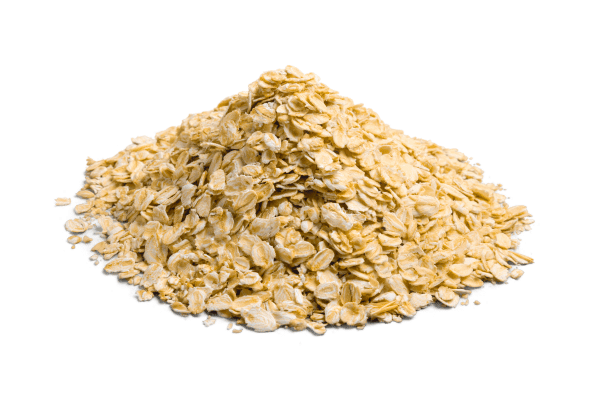
- Overview: Oat fiber is made from the hulls of oats and is virtually carb-free. It adds bulk and texture to baked goods without adding significant calories or carbs.
- Why It Works: Oat fiber is a great option for adding texture and structure to carb-free bread. It’s particularly useful in recipes where you want to create a light, fluffy texture without adding carbs.
- Tips for Use: Use oat fiber sparingly, as it’s light and absorbent. It works well when combined with almond flour or coconut flour to create a more balanced bread texture.
Storing and Serving Carb Free Bread Free Recipe
Proper storage and serving methods are essential to maintaining the freshness and quality of your carb-free bread. Here’s how to ensure your bread stays delicious and ideas for enjoying it.
Storing Carb-Free Bread
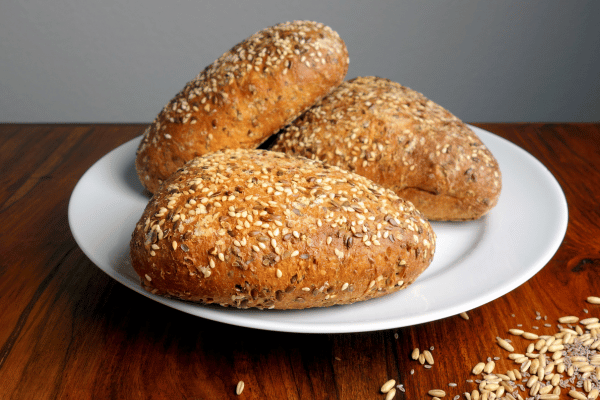
Carb-free bread, made with ingredients like almond flour and coconut flour, lacks preservatives found in store-bought bread. This means it can spoil more quickly if not stored properly. Here are some best practices:
- Room Temperature Storage: If you plan to consume the bread within a few days, store it at room temperature. Place the bread in an airtight container or wrap it tightly in plastic wrap to prevent it from drying out. Keeping the bread in a cool, dry place away from direct sunlight is best. Carb free bread recipe typically stays fresh at room temperature for 2-3 days.
- Refrigeration: For longer storage, refrigerate the bread. Wrap it tightly in plastic wrap or an airtight container to prevent moisture loss. Refrigerated carb free bread recipe can stay fresh for up to a week. Remember, refrigeration might slightly alter the texture, making it denser.
- Freezing: Freezing is the best option if you want to store the bread for an extended period. Slice the bread before freezing so you can thaw only what you need. Wrap each slice individually in plastic wrap or parchment paper, and then place all slices in a freezer-safe bag. This prevents the slices from sticking together and makes it easy to grab a slice or two when needed. Carb free bread recipe can be frozen for up to 3 months without losing its flavor or texture.
Serving Carb Free Bread Recipe

Carb free bread recipe is versatile and can be enjoyed in many ways. Here are some serving ideas to inspire you:
- Sandwiches: Use carb free bread recipe as a base for your favorite sandwiches. Whether it’s a classic turkey and cheese, a BLT, or a veggie-packed delight, carb free bread recipe makes a satisfying sandwich without the carbs.
- Toast: Carb free bread recipe makes excellent toast. Pop a slice in the toaster and top it with butter, avocado, or your favorite spread. You can also add a sprinkle of seeds or herbs for extra flavor.
- Breakfast Option: Carb free bread recipe pairs well with eggs. Serve it alongside scrambled eggs, use it as a base for eggs benedict, or make a carb-free French toast by soaking slices in a mixture of eggs, almond milk, and a touch of cinnamon before frying.
- Croutons: Turn your carb free bread recipe into croutons for salads or soups. Cube the bread, toss it with olive oil, and bake until golden and crispy.
- Garlic Bread: To make a quick and easy garlic bread, spread a mixture of butter, garlic, and parsley over slices of carb-free bread. Toast in the oven until the edges are crispy.
- Dips and Spreads: Serve carb free bread recipe with your favorite dips and spreads, such as hummus, guacamole, or a keto-friendly cheese dip. It’s perfect for a low-carb snack or appetizer.
Freezing Carb Free Bread Recipe for Longer Storage
Freezing carb free bread recipe is a great way to ensure you always have a loaf on hand. Here’s how to do it effectively:
- Slice the Bread: Before freezing, slice the bread into individual portions. This makes thawing just what you need easier without defrosting the entire loaf.
- Wrap Each Slice: Wrap each slice tightly in plastic wrap or parchment paper. This prevents freezer burn and keeps the bread fresh.
- Use a Freezer Bag: Place the individually wrapped slices in a freezer-safe bag. Squeeze out as much air as possible before sealing the bag to prevent ice crystals from forming.
- Label and Date: Label the bag with the date you froze the bread. While carb free bread recipe can last up to 3 months in the freezer, it’s good to know how long it’s been stored.
- Thawing Instructions: When ready to enjoy the bread, remove the desired number of slices from the freezer. You can thaw them at room temperature for about 30 minutes, toast them directly from frozen, or warm them in the oven.
By following these storage and serving tips, you can enjoy fresh and delicious carb free bread recipe anytime without worrying about it going to waste. Whether making sandwiches, toasting them for breakfast, or storing them for later, these practices ensure your bread remains as tasty as the day you baked it.
Frequently Asked Questions
How do I Make my Carb Free Bread Recipe Rise Better?
To help your carb free bread recipe rise better, follow these tips:
- Use Fresh Baking Powder: Ensure your baking powder is fresh, as carb-free bread’s primary leavening agent. Old baking powder may need to provide the necessary lift.
- Add Apple Cider Vinegar: Incorporating a small amount of apple cider vinegar (about 1 teaspoon) into the batter can help improve the rise by reacting with the baking powder.
- Avoid Overmixing: Overmixing the batter can deflate the air bubbles, leading to a denser bread. Mix just until the ingredients are combined
- Rest the Batter: Allow the batter to rest for a few minutes before baking. This gives ingredients like psyllium husk and flours time to absorb the liquid and expand, aiding in the rising process.
Why is My Carb Free Bread Recipe Dense and Heavy?
Carb free bread recipe can be dense and heavy for several reasons:
- Overmixing: Overmixing the batter can cause the air bubbles to collapse, resulting in a denser loaf. Mix just until the ingredients are incorporated.
- Old Leavening Agents: Using old or expired baking powder or baking soda can result in poor rising, leading to denser bread.
- Incorrect Ratios: Using less flour, especially coconut flour, can make the bread less dense. Ensure you measure your ingredients accurately and follow the recipe proportions.
- Cold Ingredients: Eggs or other ingredients can prevent the bread from rising properly, contributing to a dense texture. Use room-temperature ingredients for best results.
Why Does My Carb Free Bread Recipe Crumble Easily?
Carb free bread recipe can crumble easily due to the following reasons:
- Too Much Coconut Flour: Coconut flour is very absorbent and can make the bread dry and crumbly if used in excess. Ensure you’re using the correct amount and balancing it with enough liquid and binding agents.
- Insufficient Binding Agents: Not enough eggs or other binding agents like psyllium husk powder can cause the bread to fall apart. Eggs help hold the bread together, so add an extra egg or a bit more psyllium husk.
- Insufficient Resting Time: Cutting the bread before it has fully cooled can cause it to crumble. Allow the bread to cool completely before slicing to ensure it holds together.
Can I Make Carb Free Bread Recipe Without Eggs?
Yes, you can make a carb free bread recipe without eggs, but it may require some adjustments:
- Egg Substitutes: You can use flaxseed or chia seed gel as an egg substitute. Mix 1 tablespoon of ground flaxseed or chia seeds with 3 tablespoons of water for each egg you’re replacing. Let it thicken for a few minutes before adding it to the batter.
- Texture Considerations: Bread made without eggs may be denser and not rise as much as bread made with eggs. You may also need to adjust the liquid content slightly to achieve the desired texture.
- Leavening: Ensure you use a good leavening agent, like fresh baking powder, to help the bread rise even without eggs.
Is Carb Free Bread Recipe Suitable for Keto Diets?
Yes, a carb free bread recipe is highly suitable for keto diets. These breads are made with low-carb flour like almond flour and coconut flour, which are keto-friendly. The net carbohydrates in carb free bread recipe are typically very low, helping you maintain ketosis. Just be mindful of any additional ingredients you use, such as add-ins or toppings, to ensure they are also low in carbs and fit within your keto diet.
Final Thoughts
Baking carb free bread recipe at home is a great way to control your ingredients and tailor recipes to your dietary needs. It also opens up a world of possibilities for enjoying bread without the carbs.
Whether you’re following a low-carb, keto, or gluten-free diet, the right combination of flour and techniques can help you create delicious and satisfying bread.

From understanding the best flours to use to mastering the art of getting the perfect rise, this guide has provided you with the knowledge and tools to bake a carb free bread recipe that meets your needs and tastes great.
Feel free to experiment with different variations, add-ins, and storage methods to make your carb free bread recipe experience as enjoyable as possible. Remember, practice makes perfect, and each loaf you bake brings you closer to finding the ideal recipe for your taste buds.
Baking carb free bread recipes can become a staple in your kitchen that satisfies your cravings without compromising your dietary goals.
Happy baking!