

Discover Carb Content & More Nutrition Info of Low-Carb Flours
Is Chickpea Flour Keto-Friendly?
❎ NO! Chickpea flour is not considered keto-friendly because it contains a high amount of carbohydrates. With about 45 grams of carbs per cup, it can interfere with ketosis, the state your body aims for on a ketogenic diet. For those following keto, low-carb flours like almond or coconut flour are better choices.
Chickpea flour is a healthy alternative to wheat flour made from ground chickpeas. It is rich in protein, vitamin E, and fiber, but has more carbohydrates than nut-based flours. For those on a keto diet, it’s important to understand total carbs versus net carbs to decide if chickpea flour fits into a low-carb plan.
While it offers health benefits, its higher carb content makes it less suitable for strict keto diets. Almond and coconut flours are better low-carb options. Chickpea flour is often used in savory dishes, but using it in keto recipes requires careful portion control.
Chickpea flour, made from ground chickpeas, is a great alternative to regular flour. While it is nutritious, it contains a considerable amount of carbohydrates. If you’re on keto, it’s important to monitor net carbs, as the higher carbohydrate content may not be suitable for strict keto plans.
It is gluten-free and contains a good amount of protein and fiber, making it a healthy choice for those looking for alternative flours. It has a nutty taste that works well in dishes like flatbreads, pancakes, and baked goods.
When using this flour alternative on keto, watch your portion sizes and total carbs to stay in ketosis. Trying different recipes and adjusting amounts can help you enjoy its benefits while keeping within your keto goals.
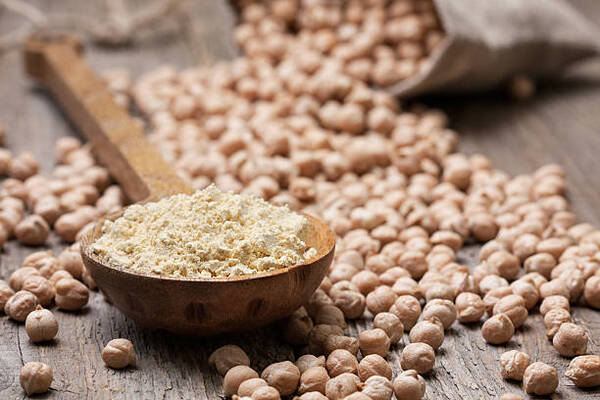
Table of Contents
- Understanding Chickpea Flour
- Carbohydrate Content of Chickpea Flour
- How Chickpea Compares with Other Low-Carb Flours
- Is Chickpea Flour Keto-Friendly?
- Frequently Asked Questions
- Final Thoughts
Understanding Chickpea or Gram Flour
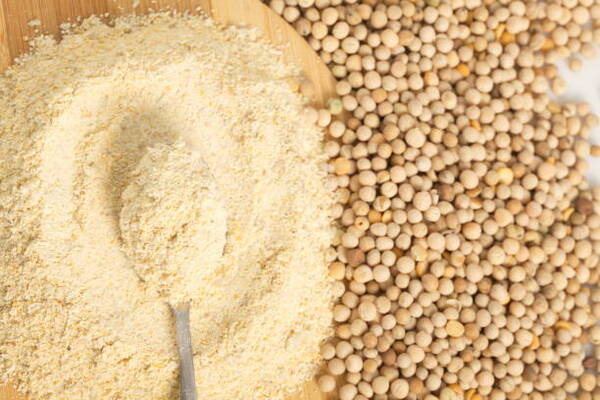
Chickpea flour, also known as besan or gram flour, is made by grinding dried chickpeas or garbanzo beans. It’s often used as a substitute for wheat flour, especially in gluten-free and health-focused cooking.
This flour is thick with a unique taste and works well in savory dishes like flatbreads, pita, and batter snacks. It is plant-based and provides good amounts of fiber and protein.
But there is one important thing to know. Chickpea has more carbs compared to many flours used in keto diets. If you care about net carbs, this is something to keep in mind.
Keto diets focus on lowering carbs and choosing ingredients with fewer net carbs. Let’s look closer at what’s in this flour and its nutrition so you can decide if it fits your diet.
What Is Chickpea Flour Made From?
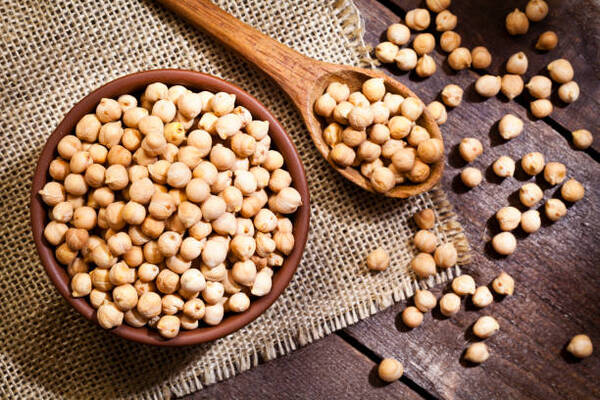
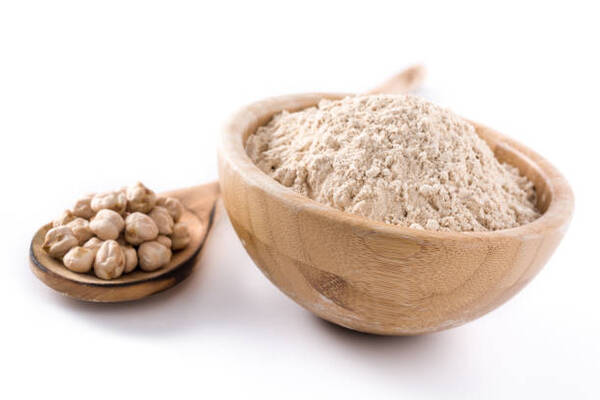
Chickpea flour, also called besan or gram flour, is made by grinding dried chickpeas into a fine powdery flour. It contains only chickpeas and is naturally gluten-free.
That’s why people who can’t eat gluten or want an alternative to all-purpose flour often choose chickpea, coconut, or almond flour.
This flour made from chickpeas has a strong, earthy, and beany flavor. Because of this, chickpea flour is mostly used in savory dishes.
In Middle Eastern and Indian cuisines, you’ll find it in popular foods like falafel and pakoras. In these dishes, chickpea flour adds both structure and flavor without needing extra gluten for texture.
Chickpea flour is heavier than regular wheat flour alternatives, so it absorbs liquids differently and gives a denser texture. Because of this, people often mix it with other flours when cooking.
It works best in recipes where a thicker, more substantial texture is desired.
Nutritional Breakdown of Chickpea Flour
A closer look at chickpea flour shows it has both good and bad points. Each serving contains plenty of protein and fiber, which helps provide steady energy and support digestion.
This flour also has vitamin E, an antioxidant that keeps your skin healthy and boosts your immune system.
But you should know that chickpea flour is high in calories, with about 110 calories per ounce. While this is fine for most diets, if you follow a keto diet, you need to watch both your calorie and carb intake. Chickpea has more carbs than coconut or almond flour, making it harder to use in keto recipes.
Because chickpea contains a lot of nutrients, it can be a good choice for diets with moderate carbs. However, it may not be suitable for very low-carb or keto diets.
Carbohydrate Content of Chickpea Flour
Chickpea flour has a lot of carbs in it. There are about 18 grams of total carbs in one ounce.
If you take away the dietary fiber, you get about 13 grams of net carbs for each serving. People on keto try to keep their grams of carbs under 50 each day, so this is quite high.
The high total carbs and net carbs make this flour not the best pick for strict keto diets. Still, some people might use a little chickpea flour or pick recipes that are made to work with the carbs it has.
Net Carbs vs. Total Carbs in Chickpeas
The difference between total carbs and net carbs is very important when you are looking at chickpea flour and if it fits in a keto diet. Total carbs include all types of carbs in food.
Net carbs do not count fiber, because the body does not break it down. In chickpea flour, there are 18 grams of total carbs and 13 grams of net carbs in one ounce or a 30-gram serving.
Compared to keto-friendly almond flour, which has only about 1-2 grams of net carbs per serving, chickpea has much more. If you’re on a keto diet and want to stay in ketosis, you need to be careful with chickpeas because even a small amount can use up a big part of your daily carb limit.
Because chickpea flour has more net carbs, it’s not the best choice for a keto diet. You can reduce the amount you use to help meet your carb goals, but almond flour and other low-carb flours are usually better for keto recipes.
How Chickpea Compares with Other Low-Carb Flours

Chickpea flour has many competitors in the keto flour world. It has more net carbs than most others. If you follow a keto diet, almond flour and coconut flour are the best choices.
Almond flour has a mild flavor and is high in fat, making it a popular choice for many keto recipes. With only 2 grams of net carbs per ounce, almond flour is ideal for keto baking and breading.
Coconut flour adds a unique texture and is high in fiber, making it an excellent choice for baking desserts. It contains 4 grams of net carbs per ounce and is often used in fluffy pancakes, muffins, and hearty breads, as well as for thickening sauces.
Soy flour has 5 grams of net carbs per ounce and is great for pancakes and protein mixes. Made from ground soybeans, it is gluten-free and popular in low-carb cooking. It also adds moisture and improves texture in keto recipes like pancakes and muffins.
Chia flour, made from ground chia seeds, is a popular low-carb option for keto diets. It’s low in net carbs and rich in omega-3 fatty acids and fiber, providing health benefits. Often combined with almond or coconut flour, it improves texture and moisture in baked goods like muffins and pancakes.
Psyllium husk powder comes from psyllium husks, which are high in fiber. It absorbs water and expands, giving structure and a crumb-like texture to baked goods. This makes it essential for low-carb bread, cakes, and pies.
Use low-carb flours to improve homemade crackers, pizza crust, muffins, and pancakes, or as a thickener for sauces and gravies.
Is Chickpea Flour Keto-Friendly?
Chickpea flour has some health benefits. But it does not fit well with a ketogenic diet because it is high in carbs. It does not have as much fat as you need when you make keto recipes.
Chickpeas can be used in very small amounts in some flexible keto diets. Still, it is not good for staying in ketosis.
If you are on a ketogenic diet, nut flours like almond or coconut flour are better choices. These flours have fewer net carbs and more fat. They are better for your keto needs when it comes to making food.
The Role of Carbs in the Keto Diet
Carbs are very important when you follow a keto diet. You need to eat less than 50 grams of carbs each day. This helps put your body into ketosis.
In this state, your body uses fat for energy instead of carbs. You have to watch your carb intake closely to stay in ketosis.
Some flours, like chickpea flour, are high in carbs. If you eat chickpea flour, it can stop your body from staying in ketosis. It is better to use flour substitutes that are low in carbs, like coconut flour and almond flour.
These choices do not add many carbs. They also give you more fat, which is good on a keto diet. It is important to change what you eat so you keep your meals healthy but also stay in ketosis.
Knowing the carb content in your food is important when following a keto diet. When baking or cooking with flour, choose low-carb options that fit your keto rules. These flours make meal prep easier and give better results.

Common Uses on Keto
Keto baking can seem tricky, but the best way to learn is by trying it yourself. You can use chickpea flour in keto recipes, but only in small amounts.
People often add it to pancakes or muffins to get a bread-like feel in those foods. But, it has more carbs, so you should not use it often in keto cooking.
Common uses:
Add chickpea flour in small amounts to keto recipes like pancakes or muffins.
Use it in some savory recipes like keto pita bread or low-carb wraps.
Mix it with nut-based flours to cut down on carbs in recipes.
Chickpea flour is useful, but there are risks like going over your carb limits or misjudging your portion size.
If you want options that fit the keto diet better, look for other flours that are made to be low-carb for these recipes.
Frequently Asked Questions
What are the Best Keto-Friendly Flours?
Almond flour and coconut flour are popular choices among individuals following a ketogenic diet due to their low carbohydrate content and versatility in various recipes.
In addition to these options, flaxseed meal and chia flour are also excellent alternatives for baking while adhering to the principles of the keto diet. These alternative flours let you enjoy a variety of dishes while staying in ketosis.

What are Some Keto Recipes that Use Chickpeas?
Chickpeas, despite being slightly higher in carbohydrates, can still be incorporated into keto recipes when used thoughtfully. One creative way to use chickpeas in a keto-friendly manner is by using chickpea flour to bake low-carb bread or creating innovative desserts such as sugar-free chocolate chip cookies.
By incorporating small quantities of chickpeas and combining them with other low-carb ingredients, you can develop recipes that align with the principles of the ketogenic diet. It’s essential to be mindful of portion sizes and overall carb intake when including chickpeas in your keto meal plan.
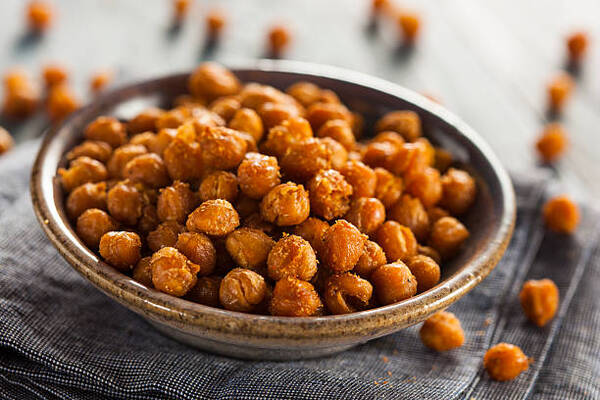
Also, trying different cooking methods like roasting or air-frying chickpeas can add a crunchy texture to salads or make a tasty snack for those on a keto diet. Just remember to enjoy them in moderation to stay in ketosis and meet your diet goals.
Final Thoughts
Chickpea flour has health benefits but contains more carbs, which can be a challenge for strict keto diets. It’s important to understand the difference between net carbs and total carbs when planning your meals.
You can use this flour in small amounts on a keto diet, but be sure to track your intake to stay within your carb limits. If you need help with keto-friendly foods or recipes, a free consultation can be useful.
Moreover, chickpea flour is a versatile, gluten-free ingredient that adds nutrition to many dishes, making it a great choice for people with gluten sensitivities or celiac disease.
Additionally, it contains protein and fiber, which help you feel full and support digestion. Adding chickpea flour to your meals can boost nutrition and add a unique flavor to your dishes.