

Your Complete Guide to Lactose-Free Milk on a Keto Diet
Is Lactose-Free Milk Keto-Friendly?
❎ NO! Lactose-free milk is not considered keto-friendly because it still has natural sugars and carbs, even though it doesn’t contain lactose. This means it can add up in carbs on a keto diet. For a better low-carb option, choose unsweetened plant-based milks.
Milk and dairy can be confusing on keto. Cheese and butter work well, but regular and lactose-free milk have too many carbs. If you’re lactose intolerant and doing keto, choose low-carb plant milks like unsweetened almond or coconut milk instead.
Sweetened lactose-free milk is not ideal for a strict keto diet because it contains a high level of carbohydrates similar to regular milk. However, some alternatives may contain fewer carbs. The process of making it lactose-free converts milk sugar into glucose and galactose without eliminating the carbs.
If you follow a low-carb diet, choose sugar-free almond milk, coconut milk, Greek yogurt, and other nut milks. Always check nutrition labels to make sure the milk or milk alternative fits your daily carb limit. Some dairy products, like heavy cream, cream cheese, and hard cheeses, work well for keto, but regular milk usually has too many carbs.
If you have lactose intolerance, you might think lactose-free milk is the perfect choice. But it’s not that simple. This guide will help you understand lactose-free milk and how it fits into your keto lifestyle.
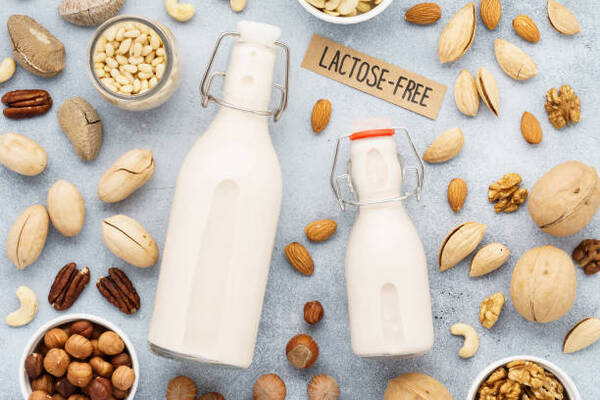
Table of Contents
- Understanding Lactose-Free Milk and Keto Compatibility
- Nutritional Comparison: Lactose-Free vs. Regular Milk
- Is Lactose-Free Milk Keto-Friendly?
- Top Milk Alternatives for a Ketogenic Diet
- Using Lactose-Free Milk in Keto Recipes
- Frequently Asked Questions
- Final Thoughts
Understanding Lactose-Free Milk and Keto Compatibility
When you’re trying to maintain ketosis, every carb counts. This makes you look closely at every food and drink, including lactose-free milk. While it’s a great option for those with lactose intolerance, its keto compatibility is questionable.
The primary concern with the keto diet is its high carbohydrate content. Even without lactose, this type of milk and other types of milk still contain sugars that can impact your low-carb goals.
Let’s explore what makes milk lactose-free and how the ketogenic diet works to determine its role.

What Makes Milk Lactose-Free?
Although most individuals are born with the ability to digest lactose, the main sugar found in milk, it is estimated that approximately 75% of the global population loses this capability as they get older.
Lactose intolerance happens when the body doesn’t make enough lactase, an enzyme that breaks down lactose, the sugar in dairy. Whole milk, half-and-half, and evaporated milk each have about 10 grams of lactose per serving, so it’s important to watch how much you consume.
Lactose-free milk is regular cow’s milk treated to help people with lactose intolerance digest it.
To create lactose-free milk, manufacturers add the lactase enzyme directly to the milk. This enzyme breaks down the lactose into two simpler sugars: glucose and galactose.
Your body can then easily absorb these sugars without the digestive distress associated with lactose intolerance, and it may help prevent an allergic reaction for those sensitive to dairy.
For low-carb diets, the key point is that the carbohydrate amount stays the same. The sugar is changed but not removed.
Nutritional Comparison: Lactose-Free vs. Regular Milk
When you’re on a ketogenic diet, understanding the nutritional details of your food is crucial. A common question is how lactose-free milk stacks up against regular milk, especially regarding its carb content.
At first glance, you might think removing lactose would lower the carbs, but that’s not the case. The carbohydrate count remains almost identical, which is a major factor for anyone tracking their intake to stay in ketosis.

Carbohydrate Content Differences
The most significant factor for keto dieters is the grams of carbohydrates in their food. When comparing lactose-free milk to regular milk, the carb content is surprisingly similar.
A standard cup (240 ml) of either whole milk or lactose-free milk contains about 12 grams of carbohydrates. This is because the lactose is converted into other sugars, not eliminated.
This amount can easily use up more than half of the daily carb limit for someone on a strict keto diet. In comparison, many unsweetened plant-based milks have much fewer carbs, making them a better choice.
For example, unsweetened almond milk has less than one gram of net carbs per cup. To see the difference clearly, here is a comparison of the total carbohydrate contents per cup of common milk types:
- Whole Cow’s Milk: 12 grams
- Lactose-Free Milk: 12 grams
- Unsweetened Almond Milk: 1 gram
- Unsweetened Coconut Milk: 1 gram
Impact on Ketosis and Blood Sugar Levels
Maintaining ketosis requires keeping your carbohydrate intake extremely low to prevent spikes in blood sugar and insulin. Since lactose-free milk contains glucose and galactose, it can affect your blood sugar levels similarly to regular milk. These simple sugars are absorbed quickly by the body.
For someone on a low-carb diet, consuming the 12 grams of carbs found in a cup of lactose-free milk can be enough to raise blood sugar and potentially interfere with ketosis.
Your body will prioritize using that glucose for energy, pausing the fat-burning process you’ve worked hard to achieve.
Therefore, if you’re closely watching your blood sugar or trying to stay in deep ketosis, lactose-free milk isn’t the best choice. It’s safer to pick drinks with little or no sugar to keep your body burning fat and your blood sugar steady.
Is Lactose-Free Milk Keto-Friendly?
So, is lactose-free milk keto-friendly? In short, it’s generally not the best choice for a standard keto diet. The high carb intake from a single serving can make it challenging to stay within your daily carb limits.
While it might be possible to fit a very small amount into your plan, most keto dieters will find it easier to avoid it altogether. There are several factors to consider before you decide to pour a glass.

Factors Affecting Keto Suitability
Deciding whether a splash of lactose-free milk can fit into your keto diet depends on a few key factors. It’s not a simple yes or no, as individual carb tolerances and daily goals vary among keto dieters.
The most important thing is how many carbs you can eat each day. If you stick to 20 grams of net carbs daily, even one serving of lactose-free milk might slow your progress. Always check nutrition labels to know exactly what you’re eating.
Here are the main factors that impact if lactose-free milk is keto-friendly for you:
Serving size is important; a small splash in your coffee is very different from drinking a full glass.
Your daily carb limit determines how much flexibility you have. You must account for the 12 grams of carbs per cup in your daily total.
Always choose unsweetened versions of any milk, though even unsweetened lactose-free milk is high in carbs.
Can You Stay in Ketosis With Lactose-Free Milk?
Staying in ketosis while drinking lactose-free milk is possible but very hard. Because it has a lot of carbs, you would need to eat very few carbs from other foods to stay in ketosis.
For most people on a keto diet, this isn’t a practical or sustainable approach. Consuming a beverage with such a high carb count in one go makes it incredibly easy to exceed your daily limit of net carbs, which would signal your body to exit ketosis.
Ultimately, while a tiny amount might not throw you off, relying on lactose-free milk as a regular part of your diet is risky. To ensure you remain in ketosis without stress, it’s far better to choose one of the many low-carb milk alternatives available.
Top Milk Alternatives for a Ketogenic Diet
If regular milk is off the table, what can you enjoy instead? Fortunately, the market is filled with excellent keto milk alternatives. These plant-based options provide a creamy texture without the high carb count.
From nut milks like almond milk to the rich flavor of coconut milk, you have plenty of dairy alternatives to choose from. These substitutes make it easy to enjoy everything from your morning coffee to keto-friendly smoothies.
Nut Milks: Almond, Macadamia, and More
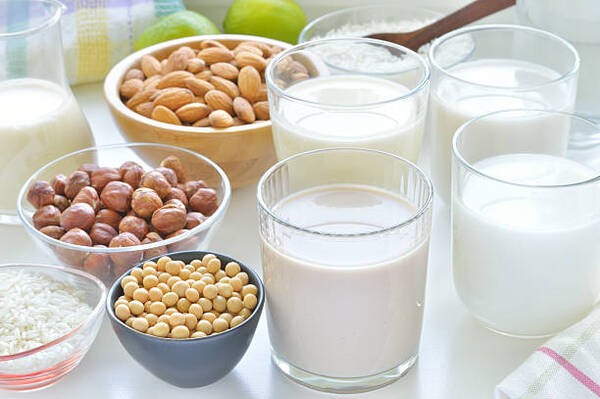
Nut milks are a go-to for many following a keto lifestyle, and for good reason. They are typically very low in carbohydrates, especially when you choose the unsweetened varieties.
Unsweetened almond milk is one of the most popular and widely available options. Another fantastic choice is macadamia nut milk, which offers a rich, creamy texture and is also low in carbs.
Cashew milk and soy milk are also other options, though they’re slightly higher in carbs than almond milk, so checking the label is still important. The key is to always avoid sweetened versions, which have added sugars that will disrupt ketosis.
Here are some great nut milks for keto dieters:
- Unsweetened Almond Milk: Contains around 1 gram of net carbs per cup.
- Macadamia Nut Milk: Known for its rich flavor and low carb count.
- Unsweetened Cashew Milk: A creamy option with about 2 grams of carbs per cup.
- Flax Milk: A nut-free option made from flaxseeds, low in carbs and high in omega-3s.
Coconut Milk and Other Plant-Based Options
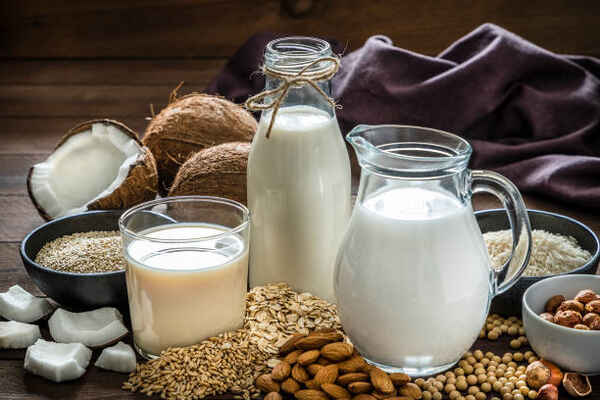
Beyond nut milks, there are other excellent plant-based options for your keto journey. Unsweetened coconut milk is a fantastic choice, available in both a thinner, drinkable version in a carton and a thicker, canned version perfect for cooking and rich desserts.
Hemp milk is an excellent alternative, boasting a nutty flavor and providing a good source of omega-3 fatty acids.
However, not all plant-based milks are suitable for a keto diet. It’s best to avoid oat milk and rice milk, as they are made from grains and have high carbohydrate content.
Soy milk is also often higher in carbs and comes with potential concerns, so it’s advisable to steer clear of it as well.
Using Lactose-Free Milk in Keto Recipes
If you have lactose-free milk on hand and want to use it, you might wonder if it can work in keto recipes. While it can add a creamy texture, its high carb content makes it a less-than-ideal ingredient for most keto dieters.
Using lactose-free milk means you need to be careful with portion sizes and track your carbs. Usually, there are better milk substitutes that give the same creaminess without the extra carbs. But if you want to use it, try to use it sparingly.

Ideal Uses: Coffee, Smoothies, and Baking
When consuming milk on keto, use only a small amount. A little splash can add creaminess without adding too many carbs.
Think of it as a condiment rather than a primary liquid. For example, a tablespoon or two in your morning coffee might be manageable within your daily carb limit.
The same goes for smoothies, where you could use a small amount alongside a lower-carb liquid like water or almond milk.
Here are a few ways you could use it sparingly: Add a small splash to coffee for creaminess. Use a few tablespoons in smoothies to enhance texture, mixed with a low-carb base.
Include only in baking recipes that call for a very small amount of milk. Add to sauces to thin a creamy sauce without adding too many carbs.

Tips for Maximizing Nutritional Benefits With Milk Substitutes
Choosing the right keto milk substitute is essential for maximizing its health benefits. With so many options available, a few simple tips can help you find the best option for your needs.
The number one rule is to always read nutrition labels. Look for the lowest number of grams of net carbs per serving. This usually means picking products that are explicitly labeled “unsweetened,” as flavored or original versions often contain hidden sugars.
Always opt for unsweetened products, as this is crucial for avoiding added sugars. Check the carbohydrate content and compare different brands to find one with the lowest net carbs.
Be mindful of serving sizes to help keep your carbohydrate intake in check. Consider your specific needs: almond milk is versatile for general use, while canned coconut milk is ideal for rich, creamy recipes.
Frequently Asked Questions
Is Lactose-Free Milk Better for Keto than Skim or Whole Milk?
No, lactose-free milk is not better for keto than skim or whole milk. All three have a similarly high carb content of around 12 grams per cup. In fact, skim milk can sometimes have even more carbs than whole milk. For a keto diet, it’s best to avoid all of them.
Are There Keto-Approved Store Brands of Lactose-Free Milk?
There are no truly keto-approved brands of lactose-free milk because the product itself is naturally high in carbohydrates. Keto dieters should instead look for store brands of unsweetened almond milk, coconut milk, or other nut milks, and always check nutrition labels for the lowest grams of carbohydrates.
Do you Need Dairy on Keto if You’re Lactose Intolerant?
No, you do not need dairy products to follow a successful keto diet, especially if you have lactose intolerance or a dairy allergy. There are plenty of dairy-free, keto-friendly fats and proteins available, and low-carb milk alternatives make it easy to maintain a thriving keto lifestyle without any dairy.
Final Thoughts
Lactose-free milk can fit into your keto lifestyle as a tasty and nutritious option. Just be sure to check its carb content to stay within your keto goals.
As you explore various lactose-free milk alternatives such as nut milks and coconut milk, you’ll discover new ways to enjoy your favorite recipes while maintaining ketosis.
Being informed about your choices is essential for succeeding on a keto diet. For more tips and personalized guidance, visit our blog to discover the best options for your keto journey!