

Your Ultimate Guide to Eating Beans on Keto Smartly
Can You Eat Beans on Keto Without Breaking Ketosis?
🤔 Most beans are high in carbs, which can make it hard to stay in ketosis. However, some lower-carb options like green beans and black soybeans can fit into a keto diet in moderation. If you love beans, just watch your portion sizes and track your daily carb intake carefully.
Starting the keto diet can be tough, especially when it comes to figuring out what foods are allowed. Since this diet is low in carbs and high in fats, there’s a lot to consider. One common question is about beans: Are they a good source of protein and fiber, or do they have too many carbs?
Most beans are high in carbohydrates and generally unsuitable for a strict keto diet. However, low-carb options like green beans and black soybeans can be included in moderation. To incorporate beans into keto, practice strict portion control and monitor daily net carb counts.
Despite their carb content, beans provide significant health benefits, including high protein and fiber, even in small amounts. Understanding the net carbs in various beans is vital for adhering to low-carb limits, and a cyclical keto diet may offer a more flexible approach by allowing higher-carb beans on certain days.
We will guide you through the place of beans in a ketogenic diet, exploring which types can fit into your meals and which ones to avoid.

Table of Contents
- Can You Eat Beans on Keto?
- Nutritional Breakdown of Beans on Keto
- Health Benefits of Beans on Keto
- Which Beans Can Fit Into a Keto Meal Plan?
- Beans to Limit or Avoid on Keto
- How to Include Beans in a Keto Diet
- Frequently Asked Questions
- Final Thoughts
Can You Eat Beans on Keto?
For the most part, the answer is no. Most common beans, such as black beans and pinto beans, are packed with carbohydrates, making them nearly impossible to fit into a standard high-fat diet that severely restricts carb intake.
However, it’s not a complete ban. A few specific types of beans are much lower in net carbs and can be enjoyed in small, measured portions. It all comes down to choosing the right bean and watching how much you eat to stay within your daily carb limit.
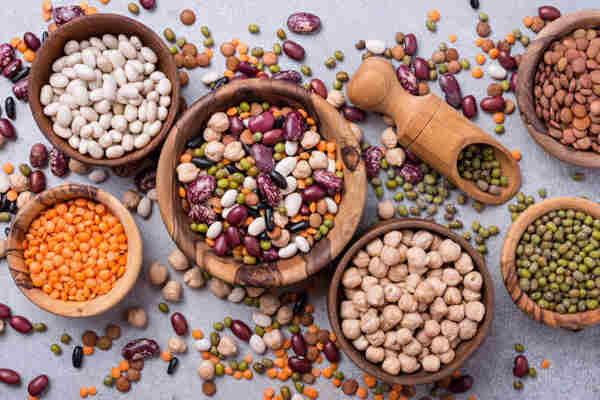
Basics of the Keto Diet
The ketogenic diet, or keto diet, is a high-fat, low-carb diet that induces a metabolic state known as ketosis. In ketosis, the body becomes highly efficient at burning fat for energy instead of relying on glucose from carbs.
Achieving this state is key to many of the diet’s potential benefits, including weight loss. To get there, you must pay close attention to your food consumption. A keto diet limits the daily carb intake to between 20 and 50 grams of net carbs.
The transition into ketosis can take a few weeks and may come with temporary side effects like fatigue or bad breath. However, these symptoms usually fade as your body adapts to its new primary fuel source, often leading to increased focus and energy.
Why Are Most Beans Not Recommended for Keto?
The primary reason most beans don’t work for a ketogenic diet is their high carbohydrate content. As starchy vegetables, they contain a significant number of total carbs, which can quickly use up your entire daily allowance.
For example, a half-cup serving of black beans delivers around 20 grams of net carbs, which could be your entire carb budget for the day. This makes it extremely difficult to incorporate them without getting kicked out of ketosis.
Most beans are too high in carbohydrates for a keto diet. Even after accounting for fiber, their net carbs are still excessive, making them unsuitable for a standard keto approach.
Legumes vs. Beans
You might hear the terms “legumes” and “beans” used interchangeably, but there is a difference. Legumes are a broad category of plants, and beans are the seeds from those plants. The legume family includes beans, peas, lentils, and peanuts.
When you’re on a low carb diet like keto, the distinction between these terms is less important than the nutritional facts of the specific food. Whether it’s a bean or another type of legume, the crucial factor is its net carb count.
For keto compliance, you should evaluate each food individually. Some types of beans are high in carbs, while some legumes, like peanuts, can be keto-friendly in moderation. The goal is to stay within your daily net carb allowance, regardless of the food group.
Nutritional Breakdown of Beans on Keto
Beans have a robust nutritional profile, often praised for being high in protein and packed with fiber. These are valuable nutrients for any diet.
However, on keto, the most critical number is the grams of carbs. The net carb amount is what determines if a food can fit into your daily meal plan.
While a cup of beans provides essential nutrients, its carbohydrate content can be a dealbreaker. We’ll explore how to navigate this by looking at specific carb counts and identifying which beans offer the best nutritional trade-off for keto dieters.

Carbohydrate Content in Beans
The carb count in most beans is the main obstacle for anyone on a keto diet. To understand their impact, you need to look at net carbs, which are calculated by subtracting the fiber from the total carbs.
Since fiber isn’t digested and doesn’t raise blood sugar, it’s not included in your daily limit. Unfortunately, even with high fiber, many beans still have high net carb counts.
A single cup of most bean varieties can easily exceed the daily 20-50 gram carb limit of a ketogenic diet. This makes them difficult to include without careful planning. These high carb numbers mean that even a small serving can put you at risk of falling out of ketosis.
Here is a breakdown of the net carbs in one cup of common beans:
- Black Beans: 25.8g
- Kidney Beans: 29.1g
- Pinto Beans: 29.4g
- Chickpeas (Garbanzo): 32.5g
- Baked Beans: 37.9g
- Black Soybeans: 10.0g
- Green Beans: 5.8g
Protein, Fiber, and Micronutrients in Beans
Beyond their carb content, beans are celebrated for being a high-protein and high-fiber food. Protein is crucial for building muscle and controlling appetite, while soluble fiber aids digestion and promotes a healthy gut. Beans are also rich in amino acids, the building blocks of protein.
These legumes are packed with essential nutrients that support overall health. However, they also contain compounds that some people may be concerned about. These include phytates, which can interfere with mineral absorption, and lectins, which can irritate the gut wall in high amounts.
Soaking raw beans before cooking helps reduce anti-nutrients like lectins and phytates, while proper cooking neutralizes them. Despite these compounds, beans are rich in essential micronutrients like folate and iron, offering significant health benefits.
Health Benefits of Beans on Keto
Even though most beans are high in carbs, incorporating the few keto-friendly options can offer some impressive health benefits.
Beans are known to support overall health by contributing to a balanced diet. Consuming them, even in small amounts, can help improve your gut microbiome and promote better colon health due to their high fiber content.
Studies have also linked bean consumption to a lower risk of chronic diseases. Including them in your diet may help manage blood sugar, lower blood pressure, and reduce cardiovascular risk factors like high cholesterol.
For those using a flexible keto diet for weight loss, the protein and fiber in beans can help you feel full and satisfied, which aids in appetite control and supports your goals.
Which Beans Can Fit Into a Keto Meal Plan?
Now for the good news: you don’t have to give up all beans on keto. Certain types of beans have a much lower amount of carbs, making them suitable for a low-carb meal plan. The two best options are green beans and black soybeans.
These low-carb keto beans can be added to your meals as long as you pay close attention to portion sizes. Even with keto-friendly choices, moderation is key to ensuring your carb intake remains low enough to maintain ketosis. Let’s look closer at these options.
Green Beans
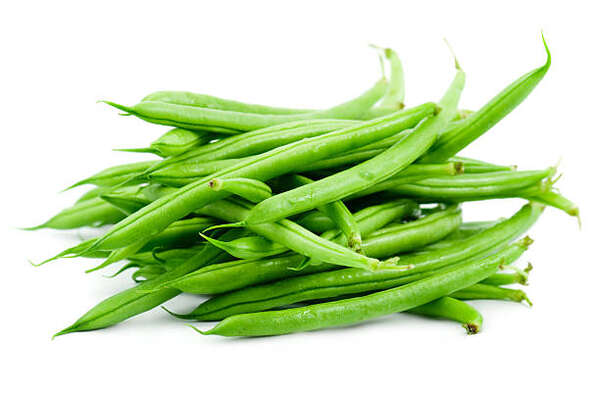
Green beans are one of the best vegetables you can eat on a keto diet. Unlike starchy vegetables, they are very low in carbohydrates. A single cup of raw green beans contains only about 5.8 grams of net carbs, making them an excellent choice for keeping your carb intake down.
Their versatility makes them easy to add to any meal. You can enjoy them steamed, roasted, or stir-fried. A simple side of green beans tossed with olive oil, salt, and pepper pairs perfectly with a protein source like grilled chicken for a complete, low-carb meal.
Green beans are a great keto option because they are low in net carbs, provide a good source of fiber and vitamin C, and are easy to prepare in various ways. They also add satisfying crunch and volume to meals.
Black Soybeans
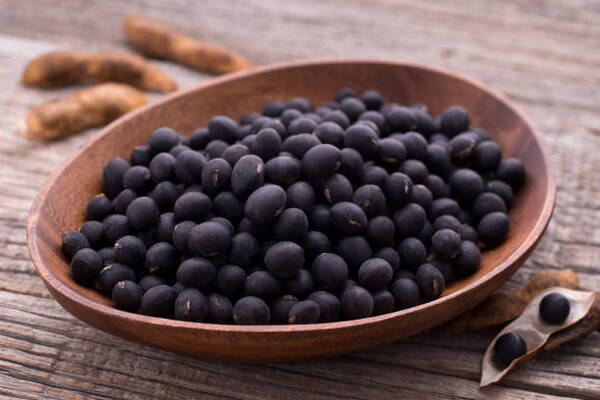
Black soybeans are often called the champion bean for the keto diet. They are celebrated for being high in protein and significantly lower in net carbs compared to other beans. This makes them a fantastic option when you’re craving beans but want to stick to your keto plan.
However, it’s important to be cautious and read labels carefully. The net carb count for black soybeans can vary between brands and what is reported by different sources. For example, some labels report 10 grams of net carbs per cup, while other data suggest a much lower number.
Because of this variation, it’s best to approach black soybeans with a mindset of moderation. Keep your portion sizes small to ensure you don’t accidentally go over your daily carb limit.
Edamame and Lupini Beans
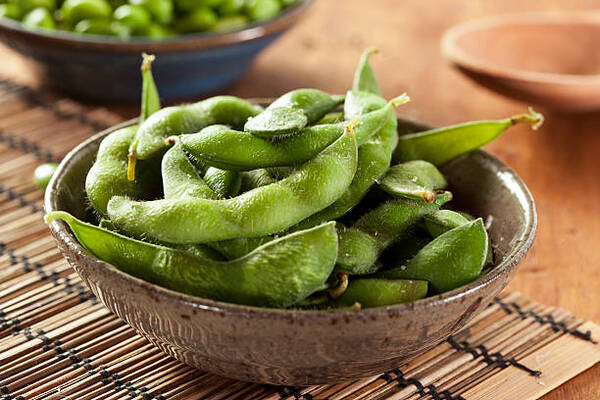
Edamame, which are immature soybeans, are another great choice for a low-carb diet. They are not only low in carbs but also packed with protein, making them a satisfying and nutritious snack or addition to a meal.
A one-cup serving of edamame has around 14 grams of carbohydrates, but its high fiber content brings the net carbs down to a manageable level for many on a keto plan.
Lupin beans are another option to consider in moderation. One cup of lupini beans has approximately 16 grams of total carbohydrates. However, with around 5 grams of fiber, the net carbs amount to about 10 grams.
Beans to Limit or Avoid on Keto
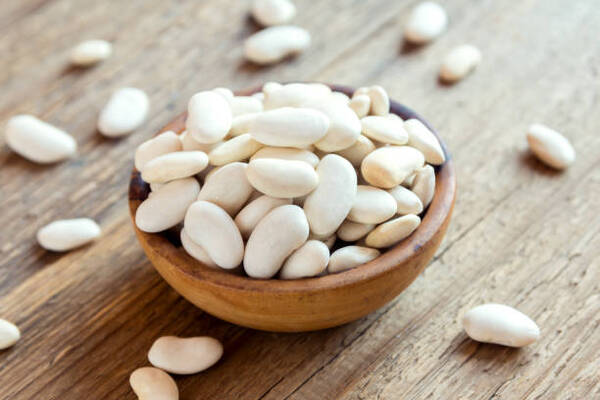
While some beans get the green light, many others should be avoided on a ketogenic diet. Beans with a high carb count can quickly knock you out of ketosis, undermining your efforts. Varieties like kidney beans, pinto beans, navy beans, and chickpeas are particularly high in carbohydrates.
Just a small serving of these beans can contain enough carbs to meet or exceed your entire daily allowance. Because of this, it’s safest to steer clear of them entirely while following a strict keto diet.
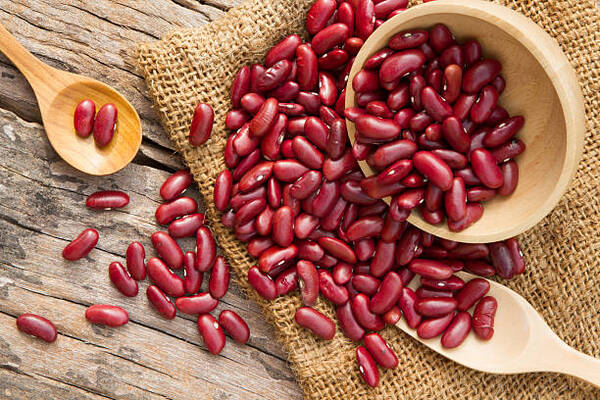
High-Carb Beans: Kidney, Pinto, and Navy Beans
High-carb beans like kidney, pinto, and navy beans are not a good fit for the keto diet. Their net carb counts are simply too high to be compatible with a very low-carb lifestyle. A single cup of these beans can contain more carbohydrates than you’re supposed to eat in an entire day on keto.
For instance, pinto beans have 29.4 grams of net carbs per cup, while kidney beans contain 29.1 grams. Navy beans, also known as cannellini beans, are not far behind with 28 grams of net carbs. Consuming these would make it nearly impossible to stay in ketosis.
Chickpeas and Baked Beans on Keto
Chickpeas, also known as garbanzo beans, are another popular legume that unfortunately doesn’t make the cut for keto. With a carb count of 32.5 grams of net carbs per cup, they are far too high for a low-carb diet. This means hummus made from chickpeas is also generally off-limits.
Baked beans are even worse, making them one of the top beans to avoid. They are not only high in carbs naturally, but are also typically prepared with lots of sugar and molasses. This adds a significant amount of extra carbs, with a single cup containing around 37.9 grams of net carbs.
How to Include Beans in a Keto Diet
If you’re a bean lover, there are smart ways to keep them in your life while on keto. The key is to be strategic with your food choices. This means sticking to low-carb beans and paying very close attention to portion sizes. Careful carb intake tracking is non-negotiable.
For some keto dieters, a modified approach like a cyclical ketogenic diet allows for scheduled high-carb days, where beans can be enjoyed more freely. For a standard keto diet, however, a little planning goes a long way in making room for a small serving without disrupting ketosis.

Portion Control and Carb Counting Tips for Beans
Successfully including beans in your keto diet hinges on portion control. Even with low-carb options like black soybeans or green beans, the amount of carbs can add up quickly if you’re not careful. The first step is to know the net carb amount in the beans you choose.
A food scale helps measure precise portions. Stick to small serving sizes, like half a cup, and factor those carbs into your daily limit. Consider timing your bean consumption around workouts to use the extra carbs for energy.
To get the most out of beans on a keto diet, always measure your serving size and calculate the net carbs for that portion. Subtract the bean carbs from your daily total, and choose low-carb beans exclusively. It also helps to eat beans alongside high-fat, low-carb foods to balance your meal.
Best Low-Carb Bean Alternatives for Keto Meals
If you miss the texture and heartiness of beans in recipes like chili or refried beans, there are some fantastic low-carb bean alternatives. These substitutes can help you recreate your favorite dishes without the high carb count. One popular option is making beanless refried beans using ingredients like zucchini, onion, and spices.
Enoki mushrooms are another excellent choice. They have a satisfying texture and contain only 3 grams of net carbs per cup, making them perfect for soups and salads. Peas can also work in moderation, as they offer a similar feel to beans in certain dishes, though their carb count is higher than other alternatives.
Great keto bean alternatives include beanless refried beans made with zucchini, enoki mushrooms for soups and stir-fries, small amounts of peas for color and texture, and Chomps meat sticks as a high-protein, low-carb snack.
Frequently Asked Questions
Can I Occasionally Eat Beans and Stay in Ketosis?
Yes, you can occasionally eat beans and stay in ketosis if you are careful. Stick to small amounts of low-carb beans like green beans or black soybeans. Keto dieters must track their carb intake diligently to ensure the serving fits within their daily net carb limit.
Are There Health Benefits to Eating Beans on Keto?
Absolutely. Even in small, keto-friendly portions, beans offer significant health benefits. They are high in fiber and protein, which can support digestive health and help you feel full. Their nutrients contribute to overall health and may reduce the risk of heart disease when part of a balanced diet.
What are Good Substitutes for Beans in Keto Recipes?
On a low-carb diet, excellent alternative keto beans include beanless refried beans made from zucchini, enoki mushrooms for soups, and peas in strict moderation. These food choices mimic the texture of beans in many recipes without overloading you with carbs, making them great substitutes for your favorite dishes.
Final Thoughts
So, while beans are generally not a staple in a traditional keto diet due to their higher carbohydrate content, there are exceptions worth considering. Green beans, black soybeans, edamame, and lupini beans can fit into your meal plan when consumed in moderation.
Understanding the nutritional breakdown and health benefits of these keto beans allows you to make informed choices that can enhance your keto journey.
By practicing portion control and exploring low-carb options, you can enjoy the flavors and benefits of beans while staying aligned with your dietary goals. Don’t hesitate to incorporate beans into your keto diet!