

The Ultimate Beginner’s Guide to a Vegetarian Paleo Lifestyle
Can a Paleo Diet Be Vegetarian?
✅ YES! A paleo diet can be vegetarian, but it takes some adjustments. Since paleo excludes grains, legumes, and most dairy, vegetarians need to rely on plant-based proteins like nuts, seeds, and eggs (if allowed). It’s possible, but balancing nutrients like protein, iron, and B12 requires careful planning.
Have you ever thought about combining a vegetarian diet with a paleo diet? While they seem different—one focusing on plants and the other on meat—they can actually complement each other. Both emphasize eating whole foods.
A vegetarian paleo diet merges paleo eating principles with a vegetarian lifestyle, emphasizing whole foods such as vegetables, fruits, nuts, seeds, and healthy fats, while excluding meat, dairy, grains, and legumes. This diet may offer health benefits like weight loss, improved blood sugar control, and enhanced overall health.
You can easily get enough protein from nuts, seeds, almond flour, and other plant-based foods. To switch to this way of eating, it helps to plan your meals and make a shopping list. This approach is flexible and can fit your personal health goals.
Ready to dive into vegetarian paleo living? This guide is here to help you start your journey with a fun and healthy approach to eating! Let’s explore how to create a balanced, sustainable diet that fuels your body and keeps things exciting.
Table of Contents
- Understanding the Vegetarian Paleo Diet
- Is a Vegetarian Paleo Lifestyle Possible?
- Foods to Eat and Avoid on a Vegetarian Paleo Diet
- Building a Balanced Vegetarian Paleo Meal Plan
- Health Benefits and Risks of a Vegetarian Paleo Diet
- Frequently Asked Questions
- Final Thoughts
Understanding the Vegetarian Paleo Diet
So, what exactly is a vegetarian paleo diet? It’s a dietary approach that takes the foundational rules of the paleo diet and adapts them for someone who doesn’t eat meat. This means your meals will consist of natural, unprocessed foods that our Stone Age ancestors might have eaten, but without any animal products.
The diet works by eliminating grains, legumes, dairy, and processed sugars, while focusing on a rich variety of plant-based foods. You’ll build your meals around vegetables, fruits, nuts, and seeds.
Principles of Paleo Eating
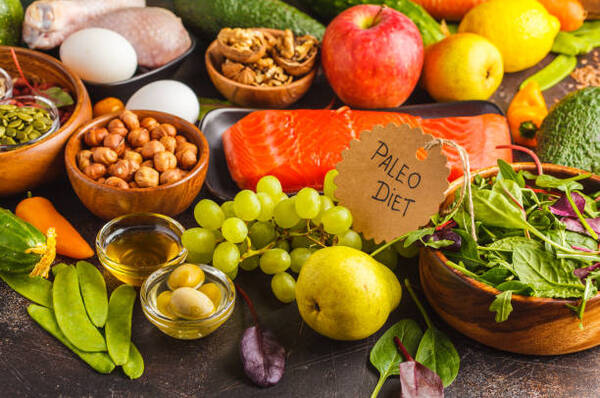
The paleo diet is designed to mirror the eating habits of our hunter-gatherer ancestors from the Paleolithic era. This way of eating encourages you to skip modern processed foods, grains, dairy, and sugar.
Instead, you focus on whole, unprocessed foods like fresh vegetables, fruits, nuts, seeds, and healthy fats. While the traditional paleo diet includes lean meats and seafood, the vegetarian version adapts this principle.
For many health enthusiasts, adopting this diet is about more than just food. The goal is to emulate this ancient food concept using the foods available to us today, with a strong emphasis on high quality and sustainability. It’s about taking proven nutritional approaches and applying them to a modern context.
You don’t have to sacrifice your standard of living; it’s about knowing what’s good for your body and merging paleo ideas with modern science. This approach helps you resist processed foods and make healthier choices.
Essential Differences Between Vegetarian, Vegan, and Paleo Diets
It can be helpful to understand the key differences between a vegetarian diet, a vegan diet, and a paleo diet. A vegetarian diet typically excludes meat, poultry, and fish. There are different types, such as lacto-ovo-vegetarians who eat dairy and eggs, and ovo-vegetarians who eat eggs but not dairy.
A vegan diet is stricter, excluding all animal products, including meat, dairy, eggs, and even honey. It’s a lifestyle that aims to avoid all forms of animal cruelty. Veganism is based entirely on plant foods.
In contrast, the traditional paleo diet includes meat and fish but excludes dairy, grains, and legumes. The vegetarian paleo diet combines these ideas by taking the paleo framework of avoiding grains, dairy, and legumes while adhering to the vegetarian principle of not eating any animal products.
Is a Vegetarian Paleo Lifestyle Possible?
You might be asking if it’s truly possible to follow a paleo diet as a vegetarian. The simple answer is yes! While a traditional paleo diet encourages eating meat, the root of the lifestyle is about eating whole foods and plants. This common ground makes a vegetarian paleo diet an achievable goal.
This diet requires you to assess your health goals and make adjustments. Avoiding all animal products means you must watch your nutrition. The approach is flexible and can be tailored to your needs. We’ll cover overcoming challenges and finding suitable protein sources.
Overcoming Common Challenges Without Meat
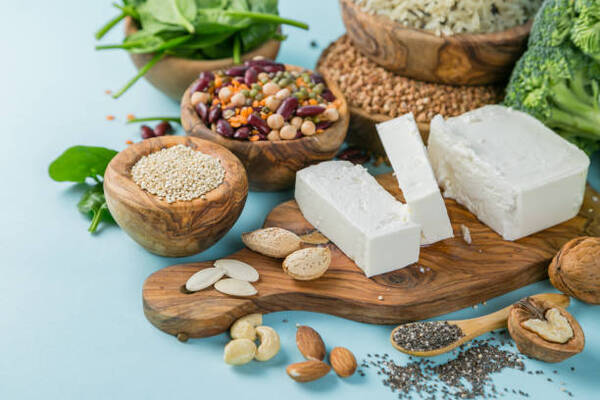
One of the most common concerns for anyone starting a vegetarian paleo diet is how to get enough protein without animal protein. Legumes and beans, common protein staples in many vegetarian diets, are not permitted on a paleo plan. This means you have to get creative with your protein sources.
Another challenge is ensuring you meet all your nutritional needs. Planning is key to making sure you get a wide range of vitamins and minerals. However, this diet can also be a solution for those with ethical issues about eating meat, as it aligns with a commitment to avoiding animal products.
To succeed, focus on finding diverse, paleo-approved protein sources and planning meals to ensure a balanced intake of nutrients. Listen to your body and adjust your diet as needed, and prioritize an abundance of vegetables to get essential vitamins.
Protein Sources for Vegetarian Paleo Dieters
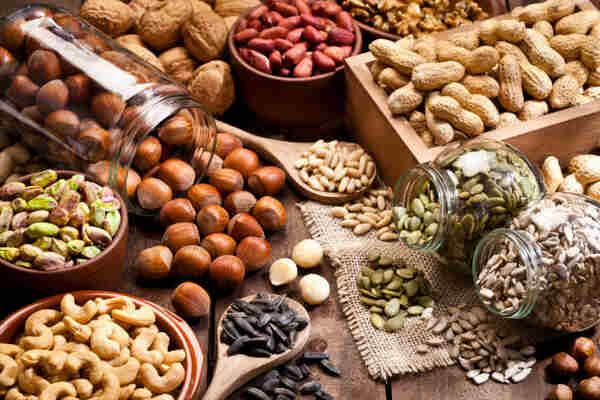
So, how do you get enough protein on a vegetarian paleo diet? Thankfully, there are plenty of excellent plant-based protein sources that fit within the paleo guidelines. Nuts and seeds are your best friends on this eating plan. Items like almond butter, sunflower seeds, and pumpkin seeds are not only delicious but also packed with protein.
Flours made from nuts and seeds, such as almond flour and coconut flour, can also contribute to your daily protein intake when used in baking or cooking. By incorporating a variety of these foods into your meals and snacks, you can easily meet your protein requirements.
Some of the best protein sources to include in your diet are pumpkin seeds, which provide about 10 grams of protein per 1/4 cup serving, and sunflower seeds, which offer roughly 7 grams of protein for the same amount.
Almonds are another great choice, giving you 7 grams of protein per 1/4 cup, while walnuts supply about 4.5 grams per 1/4 cup. Almond butter is also a strong option, with 7 grams of protein in just two tablespoons. Including these foods regularly can help vegetarian paleo dieters reach their protein goals.
Foods to Eat and Avoid on a Vegetarian Paleo Diet
Starting a new diet means learning what to eat and avoid. The vegetarian paleo diet focuses on whole, minimally processed, nutrient-rich foods that exclude grains, dairy, and legumes.
Your shopping cart will be filled with colorful vegetables, fruits, nuts, and seeds. Understanding the specific items that are encouraged and restricted will make meal planning and grocery shopping much simpler.
Paleo-Friendly Plant-Based Foods
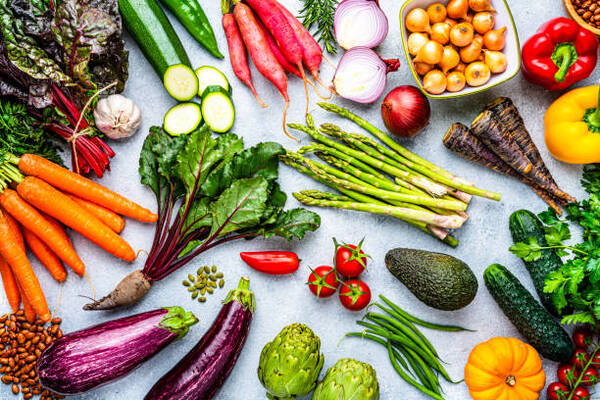
When you’re following a vegetarian paleo diet, your meals will be vibrant and full of flavor. You get to enjoy a wide array of plant-based, whole foods. Focus on filling your plate with non-starchy vegetables like leafy greens, broccoli, and peppers, which provide essential nutrients without spiking your blood sugar.
Starchy vegetables like sweet potatoes and yams are also excellent choices, offering energy and fiber. Healthy fats are a cornerstone of this diet, so include plenty of olive oil, coconut oil, and avocados in your meals.
Here are some of the best foods to eat:
- Leafy greens like kale and romaine lettuce
- Non-starchy vegetables like broccoli, onions, and tomatoes
- Starchy vegetables like sweet potatoes and turnips
- Fruits like berries, apples, and bananas
- Nuts and seeds
- Healthy fats like olive oil, coconut oil, and avocado oil
- Herbs and spices for flavor
Foods Commonly Restricted in Vegetarian Paleo Choices
Just as important as knowing what to eat is knowing what to avoid. On a vegetarian paleo diet, you’ll need to steer clear of several food groups that are common in other diets. All animal products, including meat, poultry, and fish, are off the menu.
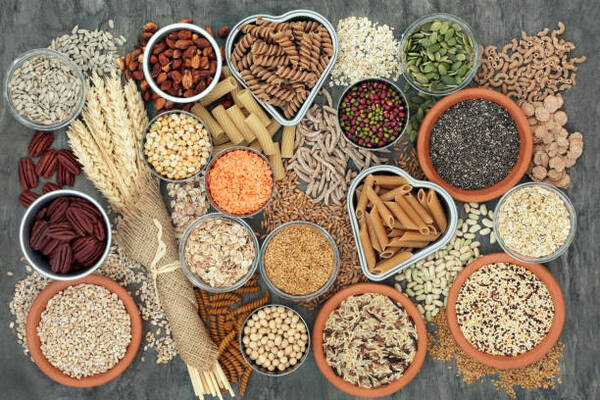
Additionally, all dairy products are excluded. This means no milk, cheese, or yogurt. Grains are also out, so you’ll have to say goodbye to wheat, rice, corn, and oats.
Legumes, a category that includes black beans, chickpeas, and peanut butter, are also restricted in a strict paleo approach.
Here are the main foods to avoid:
- All animal products (meat, poultry, fish, eggs)
- All dairy products
- All grains (wheat, rice, corn, oats)
- Legumes (beans, lentils, peanuts)
- Refined sugars and processed snacks
- Certain vegetable oils
- Soy products like tofu
Building a Balanced Vegetarian Paleo Meal Plan
Success on any diet often comes down to preparation. Building a balanced vegetarian paleo meal plan is essential to ensure you’re getting the right nutrients and staying on track. A little planning goes a long way in preventing you from reaching for non-compliant foods when you’re hungry.
Creating a weekly meal plan and a corresponding shopping list can take the guesswork out of your daily meals. This helps you stick to your goals and makes the transition smoother.
Sample Daily Menu Ideas
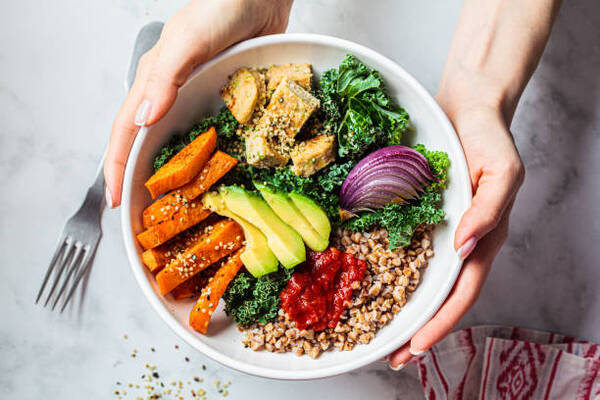
Wondering what a day of eating on a vegetarian paleo diet looks like? It’s more delicious and satisfying than you might think. You can start your day with a filling and nutritious breakfast that will keep you energized for hours.
For lunch, a large, colorful salad or roasted vegetables can be a perfect midday meal. Don’t forget about snacks! A handful of nuts or a simple smoothie can keep hunger at bay.
For dinner, you can get creative with vegetable curries or hearty bowls. Using ingredients like coconut milk can add creaminess and healthy fats to your dishes.
Here is a sample menu to inspire you:
Breakfast: Sweet Potato Breakfast Bowl with almond butter and berries. Another option is a chia pudding made with coconut milk.
Lunch: Roasted Brussels Sprouts with pomegranate or a large salad with fresh vegetables and an olive oil-based dressing.
Dinner: Cauliflower and Sweet Potato Curry.
Snack: A Strawberry and Beetroot Detox Smoothie or a handful of almonds.
Weekly Planning Tips for Beginners
Transitioning to a new way of eating can be challenging, but a simple weekly meal plan can help. Take some time each week to plan your breakfasts, lunches, dinners, and snacks. This will make creating a focused shopping list easier.
When starting out, don’t worry about being perfect right away. Transition gradually from your current diet. For specific health concerns or goals, consult a registered dietitian for a personalized plan.
Here are some tips for your first few weeks:
Batch cook staples like roasted sweet potatoes or chopped vegetables.
Keep your pantry stocked with paleo-friendly snacks like nuts and seeds.
Experiment with one new recipe each week to keep things exciting.
Prepare your shopping list based on your meal plan to avoid impulse buys.
Health Benefits of a Vegetarian Paleo Diet
Adopting a vegetarian paleo diet can offer a range of impressive health benefits. By focusing on whole, unprocessed foods, you naturally cut out many of the ingredients linked to modern health issues. This dietary change can be a powerful tool for weight loss and improving your overall health.
Many people who follow this lifestyle report improvements in key health markers. It may help lower blood pressure, improve blood sugar control, and reduce the risk of heart disease.
Potential Nutritional Advantages
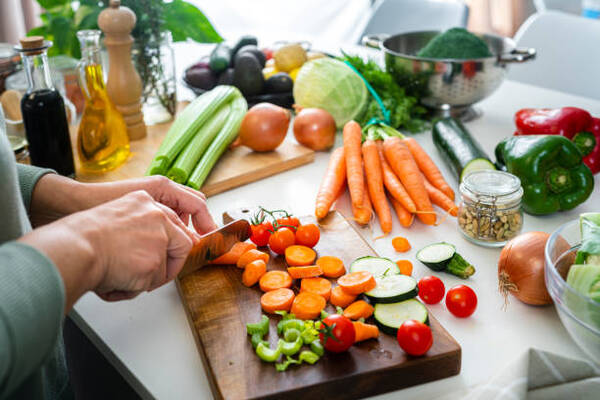
A vegetarian paleo diet emphasizes nutrient-dense foods like vegetables, fruits, nuts, and seeds, providing essential vitamins and minerals. It’s also high in fiber, supporting gut health and digestion.
This diet also eliminates many inflammatory foods, such as refined sugar, processed grains, and dairy. Reducing inflammation can have wide-ranging health benefits, from clearer skin to reduced joint pain. Healthy fats from avocados and olive oil support brain health and hormone function.
While you’ll need to be mindful of certain nutrients like Vitamin B12 (often found in animal products), a well-planned vegetarian paleo diet can be incredibly nourishing.
You may want to consider your vitamin D intake and get adequate sun exposure or use a supplement if needed.
Potential Risks
A vegetarian paleo diet emphasizes clean eating and whole foods but poses challenges. Eliminating legumes, grains, and most dairy limits plant-based protein options, making it hard for vegetarians to meet protein needs without relying on eggs or nuts.
Another concern is the potential for nutrient deficiencies. Important nutrients like vitamin B12, iron, zinc, and calcium are commonly found in animal products or fortified foods that are restricted on a paleo diet.
Without careful planning or supplementation, followers of a vegetarian paleo diet might experience fatigue, weakened immunity, or slower muscle recovery.
Lastly, this diet can be restrictive and hard to maintain long-term. Avoiding animal products and key plant staples limits meal variety and may cause disordered eating. To reduce risks, plan meals carefully, use fortified foods, and consider supplements.

Tips for Maintaining Energy and Wellness
Feeling energetic and well is a top priority on any healthy diet. On a vegetarian paleo plan, it’s important to ensure you’re eating enough calories and the right balance of macronutrients to fuel your body.
Don’t be afraid of healthy fats and starchy vegetables, as they provide sustained energy.
A focus on high-protein plant-based foods at every meal will also help with satiety and muscle maintenance. Listening to your body is crucial.
If you feel tired, you might need to increase your intake of complex carbs or healthy fats. Aligning your diet with your personal health goals will help you thrive.
To keep your energy up, make sure to include a source of protein and healthy fat with every meal, and stay hydrated by drinking plenty of water throughout the day.
Avoid skipping meals, especially breakfast, and incorporate starchy vegetables like sweet potatoes for long-lasting energy.
Frequently Asked Questions
How Can I Transition Smoothly Into Vegetarian Paleo Living?
To transition smoothly, gradually remove restricted foods from your diet. Plan weekly meals and make detailed shopping lists to stay organized. Explore new recipes you enjoy. For specific health goals, consult a registered dietitian for personalized advice.
Can Athletes Follow a Vegetarian Paleo Diet Successfully?
Yes, athletes can successfully follow a vegetarian paleo diet, but it requires careful planning. You must ensure you’re consuming enough calories and high-protein plant-based foods to meet your increased nutritional needs for performance and recovery. The health benefits can be a great asset for athletic training.
What are Common Mistakes to Avoid on a Vegetarian Paleo Diet?
Common mistakes include not eating enough calories, which can lead to low energy, and neglecting protein sources. Another error is not varying your food choices, potentially leading to nutrient gaps. Ensure your meal plan includes plenty of vegetables, a variety of protein sources, and healthy fats.
Final Thoughts
Adopting a vegetarian paleo lifestyle can be both rewarding and nutritious. By understanding the core principles of paleo eating and identifying plant-based protein sources, you can successfully create balanced meals that align with your dietary choices.
With the right knowledge and planning, you can successfully follow a vegetarian paleo diet and enjoy its health benefits. Thoughtful meal choices and an open mind will help you thrive on this unique path.
If you’re ready to make the transition, visit our blog for more recipes and feel free to reach out for guidance and support!