

Discover Whether or Not “Is Shakeology Keto Friendly” in this Blog Post; Explore Facts and Make an Informed Choice for Your Diet.
Is Shakeology Keto Friendly?
🥤 Shakeology is not considered keto-friendly due to its higher carbohydrate content, which may impact ketosis for individuals following a strict ketogenic diet.
Shakeology has gained immense popularity in the health and wellness community for its claims of providing essential nutrients, supporting weight loss, and promoting overall well-being. Created by Beachbody, a renowned fitness company, Shakeology is marketed as a complete nutritional supplement that can replace a regular meal or be used as a snack. Like protein shake, it boasts a blend of protein, fiber, vitamins, minerals, and superfood ingredients, making it an appealing option for those seeking a convenient and nutritious meal replacement solution.
On the other hand, the ketogenic diet focuses on reducing carbohydrate intake to induce a state of Ketosis in the body, where it primarily burns fat for energy instead of carbohydrates. Given Shakeology’s popularity and the increasing number of individuals following the keto diet, it’s natural to wonder if Shakeology can be incorporated into a keto lifestyle.

But the question is shakeology keto friendly? In this comprehensive guide, we will delve into the specifics of Shakeology’s ingredients, nutritional profile, and the fundamental principles of the ketogenic diet.
We will explore whether or not “is shakeology keto friendly” and whether it aligns with a ketogenic diet’s requirements, including its carbohydrate content, fat composition, and impact on Ketosis. By the end of this guide, you will clearly understand whether Shakeology can be considered keto-friendly and how it may fit into your ketogenic journey.
Table of Contents
- What is Shakeology?
- Analyzing Shakeology’s Ingredients
- Evaluating Shakeology’s Nutritional Content
- Is Shakeology Keto Friendly?
- Recommendations and Alternatives
- Final Thoughts
What is Shakeology?
Shakeology is a famous meal replacement shake created by Beachbody, a well-known fitness company. Marketed as a complete nutritional supplement, Shakeology is designed to provide a convenient and nutrient-rich alternative to regular meals. It has gained a significant following in the health and wellness community, with many individuals incorporating it into their daily routines.
At its core, Shakeology is a powdered shake mix that can be easily prepared by mixing it with water or another preferred liquid. The formula combines a blend of proteins, fiber, vitamins, minerals, and superfood ingredients to offer a comprehensive nutritional profile.
The ingredients in Shakeology vary depending on the flavor or variant chosen. Still, they typically include plant-based proteins like peas, brown rice, and sacha inchi. These protein sources provide essential amino acids and support muscle repair and growth.
In addition to proteins, Shakeology includes a range of vitamins and minerals, such as vitamin C, vitamin D, vitamin E, vitamin B complex, magnesium, and zinc. These micronutrients are vital for various bodily functions, including immune support, energy production, and overall health maintenance.
One of the notable aspects of Shakeology is its inclusion of superfood ingredients. These are nutrient-dense foods known for their high concentration of beneficial compounds. Examples of superfoods in Shakeology include chia seeds, spirulina, goji berries, flaxseed, and many others. These ingredients are intended to provide additional antioxidants, fiber, omega-3 fatty acids, and other beneficial nutrients.
Shakeology also offers different flavors, ranging from chocolate and vanilla to tropical fruit and café lattes. This variety allows individuals to choose a flavor that suits their preferences and makes the shake more enjoyable.

Beachbody positions Shakeology as more than just a meal replacement shake. They claim it can provide various benefits, such as supporting weight loss, improving digestion, boosting energy levels, enhancing immune function, and promoting overall well-being. While individual experiences may vary, many users have reported positive results and have become loyal followers of Shakeology.
It is important to note that Shakeology is intended to replace only some meals indefinitely. Instead, it is designed to serve as a convenient option when preparing a regular meal is impractical or as a snack to bridge nutritional gaps. Beachbody encourages individuals to maintain a balanced diet and lifestyle alongside incorporating Shakeology into their routine.
In the following sections of this guide, we will explore Shakeology’s nutritional composition in more detail and assess its compatibility with the ketogenic diet. By understanding its ingredients and evaluating its macronutrient profile, we can determine whether Shakeology can be considered keto-friendly and fits within the guidelines of a ketogenic lifestyle.
Analyzing Shakeology’s Ingredients
To determine the compatibility of Shakeology with the ketogenic diet, it is essential to examine its ingredients and nutritional composition closely. Understanding the macronutrient breakdown and potential impact on Ketosis will provide insights into whether Shakeology can be considered keto-friendly.
Proteins
Shakeology utilizes a blend of plant-based proteins, including pea protein, brown rice protein, and sacha inchi protein. These protein sources are generally low in carbohydrates and can contribute to satiety and muscle maintenance. While proteins are a crucial component of any diet, it is essential to ensure that the total protein content of Shakeology aligns with your specific ketogenic goals, as excessive protein intake can potentially hinder Ketosis.
Carbohydrates
The carbohydrate content is critical in determining whether Shakeology suits a ketogenic diet. Ketogenic diets typically restrict carbohydrate intake to induce a state of Ketosis. The exact carbohydrate content of Shakeology varies depending on the flavor and variant, but it is essential to review the nutrition label for each specific product carefully. While Shakeology is generally marketed as a low-carb option, it is crucial to ensure that the carbohydrate content aligns with your desired level of carbohydrate restriction for Ketosis.
Fiber
Shakeology is typically fortified with fiber from various sources, including fruits, vegetables, and seeds. Fiber is essential for digestive health, satiety, and blood sugar management. While fiber does contribute to the total carbohydrate content, it is generally subtracted when calculating grams of net carbs for a ketogenic diet. The fiber content of Shakeology can help mitigate the impact of carbohydrates on blood sugar levels and potentially support Ketosis.
Fats
The fat content of Shakeology can vary depending on the specific ingredients and flavor. While the ketogenic diet emphasizes a high intake of healthy fats, it is essential to consider the source and quality of fats used in Shakeology. Look for beneficial fats, such as MCT or coconut oil, which can support Ketosis and provide sustained energy.
Superfood Ingredients
Shakeology incorporates various superfood ingredients, such as chia seeds, spirulina, goji berries, and flaxseed. These ingredients contain antioxidants, vitamins, minerals, and other beneficial compounds. While superfoods can enhance the nutritional value of Shakeology, it is essential to evaluate their potential impact on the overall macronutrient profile and carbohydrate content.

Evaluating Shakeology’s Nutritional Content
When assessing the compatibility of Shakeology with the ketogenic diet, it’s important to compare its nutritional information to the specific requirements of a keto lifestyle. Generally, a ketogenic diet aims to keep carbohydrate intake low, moderate protein intake, and high fat intake to promote Ketosis. Let’s examine Shakeology’s nutritional content in light of these requirements.
Analyzing the Carbohydrate Content and Sources
The carbohydrate content is crucial in determining whether a product is compatible with a ketogenic diet. While the exact carbohydrate content of Shakeology can vary depending on the flavor and variant, it is essential to review the nutrition label for each specific product carefully.
The typical recommendation for a ketogenic diet is to consume around 20-50 grams of net carbohydrates daily. Net carbohydrates are calculated by subtracting the fiber content from the total carbohydrates since fiber is not digested and does not impact blood sugar levels or Ketosis.
Shakeology often contains significant dietary fiber from fruits, vegetables, and seeds. Fiber is subtracted when calculating net carbohydrates, so while the total carbohydrate content might appear relatively high, the net carbohydrates may be lower, making it more suitable for a ketogenic diet.
Examining the Protein and Fat Content
Protein and fat play essential roles in a ketogenic diet. Protein supports muscle maintenance and satiety, while fat provides a significant energy source and helps maintain a state of Ketosis. It is crucial to evaluate the protein and fat content of Shakeology to determine its compatibility with the ketogenic lifestyle.
Protein content in Shakeology typically comes from a blend of plant-based sources like pea protein, brown rice protein, and sacha inchi protein. While protein is an essential macronutrient, it’s important to consider the amount consumed to avoid excess protein intake, potentially hindering Ketosis. Be mindful of the protein content in Shakeology and adjust your overall protein intake accordingly to align with your specific ketogenic goals.
Fat content in Shakeology can vary depending on the specific ingredients and flavor. It is advisable to choose Shakeology variants incorporating healthy fats such as MCT or coconut oil. These fats are known to support Ketosis and provide sustained energy.
You can assess its compatibility with the ketogenic diet by analyzing Shakeology’s nutritional content, specifically the carbohydrate, protein, and fat composition. It’s crucial to carefully review the nutrition label of each Shakeology product and consider your macronutrient requirements when following a ketogenic lifestyle.
Is Shakeology Keto Friendly?
To determine whether Shakeology is keto-friendly, evaluating its impact on Ketosis and considering potential challenges or concerns is essential. Let’s delve into the key factors determining the compatibility of Shakeology with a ketogenic diet.
Ketosis is a metabolic state in which the body primarily utilizes fat for fuel instead of carbohydrates. This shift occurs when carbohydrate intake is significantly reduced, and the body breaks down stored fats into ketones to provide energy. Achieving and maintaining Ketosis is the primary objective of a ketogenic diet.
In a keto diet, carbohydrate intake is typically limited to 20-50 grams of net carbohydrates daily. Keeping carbohydrates low encourages the body to enter Ketosis and rely on fat as its primary energy source. Adequate protein intake is maintained to support muscle health, while healthy fats are emphasized to provide energy and satiety.
How Shakeology Can Affect Ketosis
When considering whether Shakeology is keto-friendly, assessing its impact on Ketosis is essential. While Shakeology is marketed as a nutritional supplement and meal replacement, its composition can vary depending on the flavor and variant chosen.
The carbohydrate content of Shakeology is a crucial consideration. While Shakeology may contain a significant amount of total carbohydrates, it often includes a substantial fiber content. As fiber is subtracted when calculating net carbohydrates, the impact on blood sugar levels and Ketosis may be lower. However, it is still crucial to review the nutrition label and ensure that the net carbohydrate content of Shakeology aligns with your desired level of carbohydrate restriction for maintaining Ketosis.
Protein content is another essential aspect to evaluate. While protein is necessary for muscle maintenance and overall health, excessive protein intake can hinder Ketosis. Carefully consider the protein content of Shakeology and adjust your overall protein consumption to fit your specific ketogenic goals.
Regarding fat content, Shakeology can vary in the types and amounts of fats used. It is advisable to select Shakeology variants that incorporate healthy fats such as MCT oil or coconut oil, which can support Ketosis and provide sustained energy.
Addressing Potential Challenges and Concerns
When incorporating Shakeology into a ketogenic diet, there are a few potential challenges and concerns to address:
Individual variations: Every individual’s response to different foods can vary. Some people may find that Shakeology fits well within their ketogenic diet and helps them maintain Ketosis, while others may experience challenges in reaching or sustaining Ketosis while consuming Shakeology.
Total carbohydrate intake: Considering your overall carbohydrate intake from all sources is essential when including Shakeology in your ketogenic diet. If Shakeology pushes your total carbohydrate intake beyond your desired limits, it may be necessary to adjust other diet components to compensate.
Personal goals and preferences: Your specific goals, preferences, and tolerance for carbohydrates may influence your decision on whether Shakeology is suitable for your keto lifestyle. Evaluating your needs and consulting with a healthcare professional or nutritionist can help you make an informed choice.

Recommendations and Alternatives
If you decide to incorporate Shakeology into your ketogenic diet, here are some recommendations to help you do so effectively:
Shakeology Flavors with Lower Net Carbohydrate Content
Carefully review the nutrition labels of different Shakeology flavors and select those with lower net carbohydrate counts to better fit within your daily carbohydrate limit.
Overall Macronutrient Intake
Since Shakeology contains carbohydrates, adjusting your remaining meals and snacks is essential to stay within your desired carbohydrate limit for Ketosis. This may involve reducing carbohydrate intake or modifying your protein and fat ratios to accommodate Shakeology.
Partial Meal Replacement
Instead of replacing an entire meal with Shakeology, consider using it as a snack or a partial meal replacement. Pair it with keto-friendly options like a handful of nuts or a serving of low-carb vegetables to balance out your macronutrients and enhance satiety.
Track your Intake and Monitor Ketosis
Keep track of your daily macronutrient intake, including the carbohydrates from Shakeology, to ensure you remain within your targeted keto range. Use ketone testing methods or other indicators of Ketosis like Keto Mojo GKI Kit to monitor how Shakeology affects your individual ketosis levels.
Alternative Keto-Friendly Meal Replacement Options
If Shakeology doesn’t align with your keto goals or preferences, alternative meal replacement options are specifically formulated for a ketogenic diet. Here are a few examples:
Keto meal Replacement Powders
Look for meal replacement powders explicitly marketed as keto-friendly. These products contain low-net carbohydrates, moderate protein, and high-quality fats to support Ketosis.
Homemade Keto Meal Replacement Shakes
You can also create keto-friendly meal replacement shakes using ingredients that meet your specific macronutrient needs. Combine low-carb protein powder, healthy fats like avocado or coconut oil, and fiber-rich ingredients like flaxseeds or chia seeds. Customize the flavor with keto-friendly sweeteners or natural extracts.
Whole Food Options
Instead of relying on meal replacement shakes, consider whole food alternatives that are naturally low in carbohydrates and rich in healthy fats and proteins. Examples include avocados, nuts, seeds, low-carb vegetables, and high-quality animal or plant-based protein sources.
When choosing alternative meal replacement options, always read the labels, review the nutritional content, and consider the specific macronutrient ratios that best align with your keto requirements.
Final Thoughts
Determining whether Shakeology is keto-friendly requires carefully evaluating its nutritional content, specifically its carbohydrate, protein, and fat composition. While Shakeology can be incorporated into a ketogenic diet with proper adjustments and considerations, reviewing the specific flavor variants and choosing those with lower net carbohydrate content is essential.
When incorporating Shakeology into a keto diet, tracking your overall macronutrient intake is crucial, adjusting your remaining meals and snacks accordingly and monitoring your ketosis levels to ensure you stay within your desired range. Remember that individual responses to different foods may vary, so listening to your body and adjusting based on your unique needs and goals is essential.
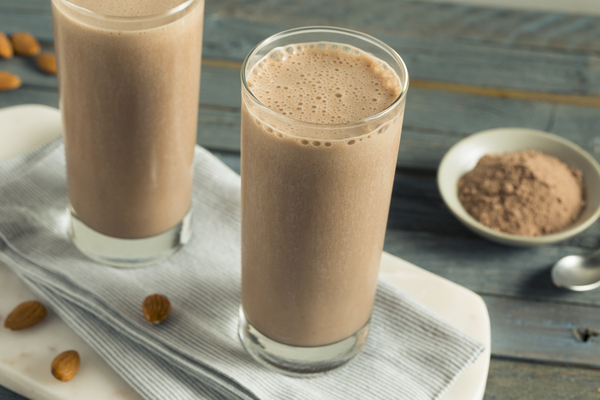
If Shakeology does not meet your keto requirements or preferences, alternative meal replacement options are specifically formulated for a ketogenic diet, there is a lot on our youtube channel. These options can balance low net carbohydrates, moderate protein, and healthy fats to support Ketosis.
Ultimately, making informed decisions about incorporating meal replacements into your ketogenic lifestyle should be based on your individual goals, preferences, and carbohydrate tolerance. Consulting with a healthcare professional or registered dietitian can provide personalized guidance and ensure you are on the right track with your keto diet.
Remember that the most sustainable and prosperous approach to any diet aligns with your personal needs, promotes overall health, and allows for long-term adherence.