
Discover the Science: How Many Calories Break a Fast Safely?
How Many Calories Will Kick You Out of a Fast?
👉 Even a small number of calories can interrupt the fasting process. If you strictly follow your intermittent fasting plan, it means consuming zero calories during your fasting window. However, those on a modified fasting diet can sometimes consume up to 25% of their daily calorie needs while fasting.
When it comes to fasting, many questions arise, and one important one is the balance between calorie restriction and the benefits of fasting. In this exploration of intermittent fasting, we answer a fundamental question: “How many calories break a fast?”
To achieve optimal results from fasting, it’s important to understand the physiological aspects. While some advocate consuming only water during fasting for its benefits, others argue that coffee, tea, MCT oil, and bone broth are also permissible. So, what’s the truth behind it all?
We will explore the science behind fasting and clarify how consuming calories during fasting can potentially disrupt the process. Whether you’re an experienced intermittent faster or a curious beginner, this exploration aims to shed light on the elusive threshold that distinguishes fasting from eating.
We will simplify the complexities and provide practical insights to help you make informed choices. Join us in uncovering the impact of calories on fasting and unlocking the secrets to maximize the benefits of intermittent fasting. Let’s answer the question: How many calories break a fast?

Table of Contents
- What is Intermittent Fasting?
- How Many Calories Break a Fast?
- What to Eat When Fasting
- What to Eat When Breaking a Fast
- Frequently Asked Questions
- Final Thoughts: How Many Calories Break a Fast?
What is Intermittent Fasting?
Intermittent fasting (IF) is an age-old practice that can help you reach optimal levels of health and wellness. This method does not require eliminating any specific foods or nutrients, it solely focuses on when and how frequently you are supposed to eat.
Intermittent fasting offers significant health benefits. It naturally limits calorie intake to aid in weight loss.
Research suggests that intermittent fasting promotes ketosis, which can enhance fat burning, improve cognitive function, reduce inflammation, lower insulin resistance and blood sugar levels, and potentially extend lifespan.
Intermittent fasting is not a diet. It is an eating pattern that emphasizes when you eat rather than what you eat.
However, the food you consume also plays a crucial role in utilizing intermittent fasting to achieve body transformation and improve health. Additionally, the food you abstain from is equally important when discussing factors that can disrupt fasting.
Before we answer how many calories break a fast, let’s explore the different types of intermittent fasting below.
Time-Restricted Eating
This type of intermittent fasting involves specific daily timeframes. You simply take breaks from consuming food for certain periods, which vary depending on the intermittent fasting schedule you choose.
For example, in a 16:8 intermittent fasting plan, you eat all your food within an eight-hour window. The remaining 16 hours of the day are for fasting. Other popular time-restricted eating options include 12:12, 14:10, 18:6, and 20:4 (or the Warrior Diet).
5:2 Diet
The 5:2 diet follows a weekly approach instead of a daily one. You eat your regular diet for five days, and consume only 500 to 600 calories on two separate days.
Alternate Day Fasting
Alternate-day fasting also follows a weekly pattern. You alternate between a regular eating day and a fasting day, consuming only 500/600 calories. This routine is repeated week after week.
Water Fasting
Water fasting involves abstaining from food for 24-72 hours, with some individuals extending it further up to 7 days. Only water is permitted during this period. We advise you to have medical supervision before attempting it.
Dry Fasting
Dry fasting is also called an absolute fast, which means abstaining from food and drinks, including water. You can convert any fasting method, such as TRE, 5:2, and ADF, into a dry fast, excluding water fasting.
How Many Calories Break a Fast?
So, how many calories break a fast? Well, it depends on the type of fasting and the reason behind your fast.
If you fast for ketosis, you can technically remain in ketosis even while consuming energy. Ketosis is when our bodies primarily use fat for energy. This state typically occurs approximately 8-12 hours after our last meal, depending on factors such as activity level.
To maintain ketosis, energy intake must come from foods that do not stimulate insulin release. This is why some individuals can consume MCT oil and bulletproof coffee during their fasting period while still considering it a fast.
When you’re following a strict TRE protocol, the goal is to have no calorie intake during your fasting window. This approach helps make fasting easier to stick to, as even a few calories can increase hunger for some people.
To stay in a fasted state, you must avoid consuming any food or drink that contains calories. This means that any food or drink with a significant amount of energy will break your fast during intermittent fasting.
If you’re fasting to reduce carbohydrate intake, consuming a few calories technically won’t disrupt your fast. People often fast as a straightforward method to consume fewer calories in total.
Certain fasting protocols, such as the 5:2 diet and ADF, permit a limited intake of calories (around 500/600) during fasting periods. In this case, you can consume foods and drinks that help you reach your desired calorie goal within your fasting window.
How many calories break a fast? To sum up, the amount of calories that will break your fast depends on the type of fast you’re following and your specific goals.
What to Eat When Fasting

How many calories break a fast? Consuming any caloric substance can break your fast, but again, it depends on the fasting protocol you’re following.
During fasting, some individuals opt to consume small quantities of specific foods and beverages. Bone broth may be acceptable to consume for some. While it does technically break a fast, bone broth can be a good supplement to prevent hunger pangs depending on your goals.
Supplements have minimal impact on fasting. Choose sugar-free, filler-free multivitamins that are low in calories. Fish or algae oil supplements are also calorie-free and low in digestible carbs when taken as recommended.
To support your performance goals, you may use supplements such as protein powder, branched-chain amino acids (BCAAs), essential amino acids (EAAs), collagen, creatine, electrolytes, and caffeine while fasting.
For those who want to make fasting a daily ritual and enjoy its benefits, a flexible approach like a ‘fat fast’ can be taken. This involves blending coconut oil, MCT oil, grass-fed butter, or cacao butter into a warm liquid during the fasting period.
If you’re practicing a zero-calorie fasting method such as 16:8 or 14:10, here are some drinks that you can have during your fasting periods:
- Water (sparkling or mineral water is also okay)
- Unsweetened coffee and tea (black is best, but a splash of milk in one cup is fine)
- Lemon water (other fruit infusions are also available)
- Up to two diet sodas per day (some artificial sweeteners might affect blood sugars, but having two diet sodas should be okay)
- Diluted apple cider vinegar (a spoonful in a glass of water won’t break your fast)
What to Eat When Breaking a Fast
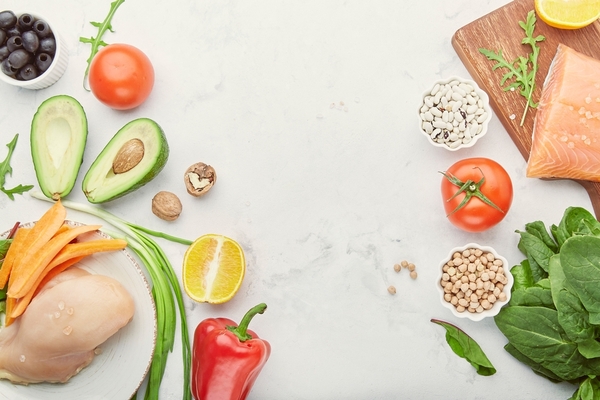
Planning your post-fasting meal prevents overeating and shocking your body after a long period without food. Also, your digestive system hasn’t been digesting for a while, so it needs a meal with gentle foods to ease it back into digesting solid food.
Before starting your fast, remember to plan a post-fast meal. It’s best to avoid consuming a large meal to prevent undesirable symptoms. After longer periods of fasting, it’s important to be mindful during the post-fast phase.
Refeeding syndrome is a serious condition that can be life-threatening. It can happen when there are sudden changes in fluid and electrolyte levels during this period.
Proper digestion and absorption of nutrients, especially carbohydrates, require adequate levels of specific electrolytes like magnesium, potassium, and phosphate.
The reintroduction period for food usually lasts a day. It might take about three days to feel comfortable eating larger meals after fasting for longer periods.
When reintroducing food, it’s best to opt for low-carb, easily digestible choices such as cooked vegetables, bone broth, and fermented foods. Aim for a combination of lean protein, vegetables & fruits, whole grains, healthy fats, and calcium-rich foods for a well-balanced meal.
However, please consult your healthcare provider for personalized advice.
Frequently Asked Questions
What are Some Zero-Calorie Drinks?
Several zero-calorie beverage options are popular for hydrating without consuming calories. Water is the ultimate zero-calorie drink, providing essential hydration without any added energy.
Black coffee and plain tea, when consumed without sugar, cream, or additives, are virtually calorie-free and offer a mild caffeine boost. Herbal teas like peppermint or chamomile are also great choices, adding flavor without adding calories.
Sparkling water, infused with natural flavors and no added sugars, provides a refreshing fizzy alternative. Choosing these zero-calorie drinks can help you stay hydrated while sticking to your dietary goals and supporting overall health.
What is Dirty Fasting?
Dirty fasting, also known as lazy or modified fasting, involves consuming low-calorie or zero-calorie beverages during fasting. This allows for a more flexible approach compared to traditional water fasting.
While strict fasting methods require abstaining from anything other than water, dirty fasting permits the consumption of beverages like coffee, tea, or diet sodas, which often contain minimal calories. Supporters argue that dirty fasting can be more sustainable and easier to stick to. However, even minimal caloric intake may trigger metabolic responses that could compromise some fasting benefits.
The definition of dirty fasting can vary, but it generally refers to a less strict approach that includes limited calorie intake through beverages while still maintaining a fasting state.
Final Thoughts: How Many Calories Break a Fast?
Knowing the impact of calorie intake while fasting is crucial for anyone exploring intermittent fasting. How many calories break a fast is not just about the numbers. It’s about finding the right balance between fasting and eating.
When delving into the science of fasting, it becomes evident that even small caloric intake can hinder the physiological benefits of abstaining from food. With this understanding, people can make informed decisions and tailor their fasting approach to align with their health goals.
When it comes to intermittent fasting, breaking a fast can vary from person to person. However, to fully experience the benefits of fasting, it’s important to stick to a true fasting state by avoiding calories during designated fasting periods.
This exploration serves as a guide to make informed choices on your fasting journey. By prioritizing zero-calorie drinks and staying attuned to your body’s signals, you can optimize your fasting experience and reap the rewards of improved metabolic health and overall well-being.
As we wrap up this discussion, let the knowledge gained here guide you on your journey of fasting, promoting a healthier and more informed lifestyle.