

Discover The Best Types Of Flax Seeds, Their Health Benefits, And How To Add Them To Your Diet For Maximum Nutrition And Wellness.
What Are the Health Benefits of Flax Seeds?
🌰 Flax seeds are rich in omega-3 fatty acids, fiber, and antioxidants. They help support heart health, and digestion, and reduce inflammation.
Flaxseed has earned a place as an edible nutritional powerhouse full of omega-3 fatty acids, fiber, and antioxidants that generally help improve one’s health.
Whether one wants to benefit the digestive system or just add some nutrients from plant sources in their diet, flaxseed is generally an effective option.
In this ultimate guide, we’ll explore the best flax seed available to help you maximize their benefits. From ground flaxseed and flaxseed oil to organic milled flax seeds, cold-milled flax seeds, and whole flaxseed, we’ll break down the key qualities of each form and how to easily incorporate them into your daily routine for maximum nutrition.

Table of Contents:
- Why Flax Seed is Essential for a Healthy Diet
- Types of Flax Seed: Which One is Best?
- Criteria for Choosing Best Flax Seed Brands
- Top 5 Best Flax Seed Brands for Maximum Nutrition
- How to Incorporate Flax Seed Into Your Diet
- Featured Articles
- Final Thoughts
Why Flax Seed is Essential for a Healthy Diet
Flax seeds have long been celebrated as a nutrient-dense food, making them a staple in healthy diets worldwide. These tiny seeds pack a powerful punch of essential nutrients that can benefit your body in numerous ways. Let’s dive into why flax seeds should be a part of your daily routine.

Nutritional Benefits of Flax Seed
- Rich in Omega-3 Fatty Acids (ALA): Flax seeds are one of the best plant-based sources of alpha-linolenic acid (ALA), a type of omega-3 fatty acid that plays a crucial role in heart health. ALA helps reduce inflammation and may lower the risk of chronic diseases.
- High in Fiber for Digestive Health: Just two tablespoons of ground flaxseed provide about 4 grams of dietary fiber, which is essential for maintaining a healthy digestive system. The high fiber content aids in regular bowel movements and prevents constipation.
- Contains Lignans: Flax seeds are one of the richest sources of lignans, plant compounds that have antioxidant properties. Lignans have been linked to a reduced risk of certain cancers, such as breast and prostate cancer, making flaxseed a powerful addition to your diet.
Health Benefits of Flax Seed
- Supports Heart Health and Cholesterol Reduction: Flax seeds’ omega-3 fatty acids and lignans can help lower bad cholesterol levels and improve heart health. Studies suggest that regular flaxseed consumption may reduce cardiovascular disease risk.
- Aids in Digestion and Regularity: Flax seeds’ soluble and insoluble fibers work together to promote healthy digestion. They help add bulk to stool, making it easier to pass, and support overall digestive health.
- May Help in Weight Management: Flax seeds contain fiber that helps you feel fuller for longer, which can aid in weight management. Incorporating flax seeds into your meals may reduce your overall calorie intake and support your weight loss goals.
Why Choosing High-Quality Flax Seed Matters
Not all flax seeds are created equal. The nutritional content of flaxseed products can vary significantly depending on their quality and form. For instance, ground flaxseed offers better absorption of nutrients compared to whole flaxseed, while flaxseed oil provides a concentrated source of omega-3s.
Additionally, choosing organic milled flax seeds or cold-milled flax seeds ensures you get the maximum nutritional benefits without unwanted additives or contaminants. Always opt for high-quality flaxseed products to maximize their health benefits and incorporate them effectively into your diet.
Types of Flax Seed: Which One is Best?
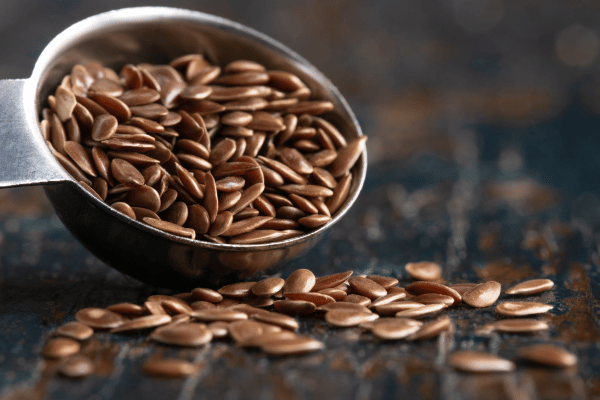
Flax seeds come in various forms, each with its own unique benefits and potential drawbacks. Let’s explore the different types of flax seeds and determine which one is best for you.
Whole Flax Seeds
Pros:
- Longer Shelf Life: Whole flax seeds have a naturally protective outer shell that helps them stay fresh for longer periods. This means they can be stored for months without going rancid.
- Minimal Processing: Whole flax seeds undergo minimal processing, so they retain their natural nutrients and are less prone to oxidation.
Cons:
- Harder to Digest: Whole flax seeds are difficult for the body to break down, meaning you may not fully absorb their nutrients. To get the most health benefits, grind them before consumption.
Best Use: Whole flax seeds are ideal for those who want a longer shelf life and are willing to grind them fresh as needed. They can also be sprinkled on top of dishes for added crunch.
Ground (Milled) Flax Seeds
Pros:
- Easier to Absorb Nutrients: Ground flaxseeds are much easier for the body to digest and absorb, allowing you to benefit from their full nutritional potential. This is especially important for improving digestion and managing blood sugar levels.
- Versatile in Recipes: Ground flaxseeds can be easily added to smoothies, baked goods, or yogurt, making them a convenient way to boost your fiber and omega-3 intake.
Cons:
- Shorter Shelf Life: Once ground, flaxseeds are more prone to oxidation and can go rancid quickly. To maintain freshness, ground flaxseeds must be stored in an airtight container in the refrigerator.
- More Prone to Oxidation: Ground flaxseeds can lose their nutritional value if not stored properly, so always buy ground flax from a reputable source and check for freshness.
Best Use: Ground flaxseeds are perfect for everyday use and for those looking to maximize nutrient absorption. They are particularly beneficial for people managing blood sugar levels and aiming to increase their dietary fiber intake.
Flax Seed Oil
Pros:
- Concentrated Source of Omega-3s: Flaxseed oil provides a concentrated dose of omega-3 fatty acids, making it an excellent supplement for heart health.
- Convenient for Cooking or Supplements: Flaxseed oil can be easily added to salads and smoothies or taken as a dietary supplement, offering a quick and easy way to enhance your omega-3 intake.
Cons:
- Lacks Fiber: Unlike whole or ground flaxseeds, flaxseed oil does not contain dietary fiber, so that it won’t support digestive health similarly.
- Highly Perishable: Flaxseed oil is highly sensitive to light and heat, making it prone to rancidity. Store it in a dark, cool place and consume it within a few weeks after opening.
Best Use: Flaxseed oil is ideal for those who need a quick omega-3 boost without the added fiber. It’s great for drizzling over dishes or mixing into cold foods but should be used for cooking at low temperatures.
Golden vs. Brown Flax Seed
Nutritional Comparison:
Golden and brown flax seeds are similar in nutritional content and rich in omega-3 fatty acids, lignans, and fiber. However, there are slight variations:
- Golden Flax Seeds Often have a milder flavor and may contain slightly higher amounts of omega-3 fatty acids.
- Brown Flax Seeds: Typically have a nuttier taste and are more widely available.
Which One is More Nutritious?
Both types offer significant health benefits, including supporting heart health, managing blood sugar levels, and potentially reducing the risk of breast cancer. The choice between golden and brown flaxseed ultimately comes down to personal preference in taste and availability.
Choosing the Best Type for You
Due to their ease of nutrient absorption and versatility, ground flaxseeds are the top choice for maximum health benefits, including better digestion, improved heart health, and stabilized blood sugar levels.
However, if you prefer a longer shelf life, grind whole flax seeds as needed. Flaxseed oil is your best bet for a concentrated source of omega-3s without fiber.
Criteria for Choosing Best Flax Seed Brands

Choosing the right flax seed brand is essential for maximizing its nutritional benefits. With so many options available, factors like organic certification, sustainability, and packaging should be considered to ensure freshness. Here, we’ve rounded up the criteria for choosing the best flax seed:
Criteria for Choosing the Best Flax Seed:
- Organic Certification: Look for brands that offer organic flax seeds to avoid pesticides and chemicals, ensuring a cleaner and more natural product.
- Non-GMO and Sustainability Practices: Brands that commit to non-GMO and sustainable farming practices provide a higher-quality product that is better for both consumers and the environment.
- Packaging for Freshness: Flax seeds are prone to oxidation, so vacuum-sealed or resealable packaging is crucial for maintaining freshness and preventing spoilage.
- Customer Reviews and Ratings: Positive customer reviews and high ratings can be strong indicators of product quality, consistency, and overall satisfaction.
Top 5 Best Flax Seed Brands for Maximum Nutrition

Bob’s Red Mill Organic Golden Flaxseed Meal
Highlight Features:
- It is made from premium organic golden flax seeds, finely ground for easy nutrient absorption.
- Rich in omega-3 fatty acids and fiber, making it an excellent choice for heart health and digestion.
- It comes in resealable packaging to maintain freshness.
Nutritional Benefits: This brand offers a high concentration of lignans and ALA, making it ideal for boosting overall health.
Price: Approximately $8 for a 16 oz bag.
Why It’s a Good Choice: Bob’s Red Mill is a trusted name in whole grain products, and their flaxseed meal is perfect for adding to smoothies, oatmeal, or baking recipes.
Spectrum Essentials Organic Ground Flaxseed
Why It’s a Good Choice for Daily Use:
- Spectrum Essentials offers high-quality ground flaxseed that is certified organic and non-GMO. It is easy to incorporate into your daily routine.
- Packed in a vacuum-sealed bag to preserve their nutritional value and prevent oxidation.
Nutritional Benefits: A balanced mix of fiber and omega-3 fatty acids supports heart health and digestion.
Price: Around $6 for a 14 oz bag.
Why It’s a Good Choice: This brand is versatile and can be easily added to yogurt, cereal, or smoothies, making it an ideal choice for everyday use.
Anthony’s Organic Whole Flaxseed
Best for Baking and Recipes:
- It offers whole organic flax seeds, perfect for those who prefer to grind their own for fresher nutrient absorption.
- Non-GMO and sustainably farmed, ensuring high quality and nutritional integrity.
Nutritional Benefits: Whole flax seeds are rich in lignans, fiber, and omega-3s, making them a nutritious addition to baked goods like bread and muffins.
Price: About $10 for a 2 lb bag.
Why It’s a Good Choice: The whole seeds have a longer shelf life and can be used in various recipes, providing both texture and nutrition.
Viva Naturals Organic Ground Flaxseed
Premium Organic Option:
- Cold-milled and certified organic, Viva Naturals ground flaxseed retains maximum nutritional value.
- It comes in a resealable bag to maintain freshness and prevent spoilage.
Nutritional Benefits: High in fiber, omega-3 fatty acids, and lignans, this product is ideal for those looking for a top-quality organic option.
Price: Approximately $12 for a 1.5 lb bag.
Why It’s a Good Choice: Viva Naturals is the go-to brand if you’re looking for a premium option that guarantees quality and nutritional content.
Premium Gold Whole Flaxseed
Best Budget-Friendly Option:
- Offers both golden and brown flax seeds, providing versatility and excellent value for money.
- USDA organic and non-GMO certified, ensuring a clean and safe product.
Nutritional Benefits: Rich in dietary fiber, antioxidants, and omega-3s, it supports heart health and digestion at an affordable price.
Price: Around $10 for a 4 lb bag.
Why It’s a Good Choice: This brand provides a high-quality product at a budget-friendly price, making it accessible for those looking to incorporate flax seeds into their diet without spending too much.
How to Incorporate Flax Seed Into Your Diet

Flax seeds are incredibly versatile and can be easily added to a variety of dishes to enhance their nutritional value. Incorporating them into your daily diet can help you reap the benefits of their high omega-3 content, fiber, and antioxidants. Here’s how to do it right for maximum nutrition.
Daily Dosage Recommendations
For most adults, consuming 1-2 tablespoons of flax seed per day is optimal to gain the health benefits without overdoing it. This amount provides a healthy dose of fiber, omega-3 fatty acids, and lignans without excessive calorie intake. Start with a smaller amount, such as 1 tablespoon per day, and gradually increase to 2 tablespoons as your body adjusts.
Easy Ways to Add Flax Seed to Your Meals
- Smoothies and Shakes: Adding ground flaxseeds to your morning smoothie or protein shake is one of the easiest ways to incorporate them into your diet. Blend 1-2 tablespoons into your favorite recipe to boost its fiber and omega-3 content without altering the taste.
- Sprinkling on Salads, Oatmeal, and Yogurt: Ground flaxseeds can be sprinkled over salads, oatmeal, or yogurt for a subtle nutty flavor and added crunch. This is a quick and simple way to enhance the nutritional value of your meals.
- Baking with Flax Seed in Muffins, Bread, and Cookies: Flax seeds can be incorporated into baked goods like muffins, bread, and cookies. In recipes, you can replace some flour with ground flaxseeds or use them as an egg substitute (1 tablespoon of ground flaxseed mixed with 3 tablespoons of water equals one egg).
Using Flax Seed Oil in Cooking
- Best Uses: Flaxseed oil is best used in cold dishes to preserve its delicate omega-3 fatty acids. It’s perfect for salad dressings, drizzling over steamed vegetables, or mixing into dips and sauces. Its mild, nutty flavor pairs well with a variety of foods, making it a versatile addition to your kitchen.
- Avoiding Heat to Preserve Nutrients: Flaxseed oil should not be used for cooking at high temperatures, as heat can destroy its valuable omega-3 and other nutrients. Avoid using it for frying or baking; add it to dishes after they’ve been cooked, or use it as a finishing oil for maximum health benefits.
By incorporating flax seeds into your diet in these simple ways, you can enjoy their numerous health benefits and effortlessly enhance the nutritional profile of your meals. Whether you prefer ground flaxseeds, whole seeds, or flaxseed oil, there’s a method that fits seamlessly into your lifestyle.
Featured Articles
- Keto Bread Recipe: How to Make Delicious Low Carb Bread
- Keto Thickener: Low-Carb Substitutes for Culinary Mastery
- High Protein Keto Diet: 30 Foods to Fuel Your Fitness Goals!
- Why KETO Is Beneficial For Your Brain
- 5 Tricks To Reach Ketosis Faster
Final Thoughts
Incorporating flax seeds into your diet is a simple and effective way to boost your nutrition with essential omega-3 fatty acids, fiber, and antioxidants.
From supporting heart health and digestion to providing a plant-based source of essential nutrients, flax seeds are a versatile addition to any healthy lifestyle.

Remember to start with the recommended daily dosage and explore including flax seeds in your meals, such as adding them to smoothies, sprinkling them on salads, or using them in baking. By choosing the right type of flax seed and following proper storage practices, you can enjoy maximum nutrition and flavor.
With this guide, you can make informed decisions and effectively incorporate this powerful superfood into your diet.