

Is Cabbage Keto? Let’s Talk About Carbs in Cabbage
Is Cabbage Suitable for Keto Diets?
✅ YES! Cabbage is an excellent choice for a keto diet because it’s low in carbs and high in fiber, keeping net carbs minimal. Both green and red cabbage fit well for those reducing their carbohydrate intake.
Cabbage is an excellent choice for those monitoring carb intake, as it has a low total carb count and minimal net carbs due to its high fiber content, making it suitable for a keto diet. Rich in vitamin C, cabbage promotes immune health and combats oxidative damage.
Its versatility makes green cabbage one of the most popular and nutritious vegetables, and incorporating it into your diet can help maintain healthy blood pressure and overall well-being.
Cabbage is a healthy, low-carb vegetable that many people enjoy. It is fresh, crunchy, and a good source of potassium, which helps maintain healthy blood pressure. Cabbage is highly versatile and can be enjoyed in numerous ways, making it a great choice for various diets.
You can shred, ferment, or steam cabbage. It’s a staple for anyone wanting to eat healthier. Let’s take a closer look at the carbs in cabbage has and what else makes it good for you.
Table of Contents
- Understanding Carbs in Cabbage
- Cabbage Nutrition Facts
- Health Benefits of Including Cabbage in Your Diet
- Best Low-Carb Cabbage Recipes
- Frequently Asked Questions
- Final Thoughts
Understanding Carbs in Cabbage
Cabbage is loved for its low carb count, making it ideal for those tracking carbs. One cup of raw cabbage contains just over 5g of total carbs.
Because it has a lot of fiber, the net carbs in cabbage stay low. This means it can help those who need to keep their blood sugar steady.
Total Carb Content per Serving
Cabbage’s total carb content can change a little based on the type and the way you prepare it. Here is what you get for one cup of raw cabbage:
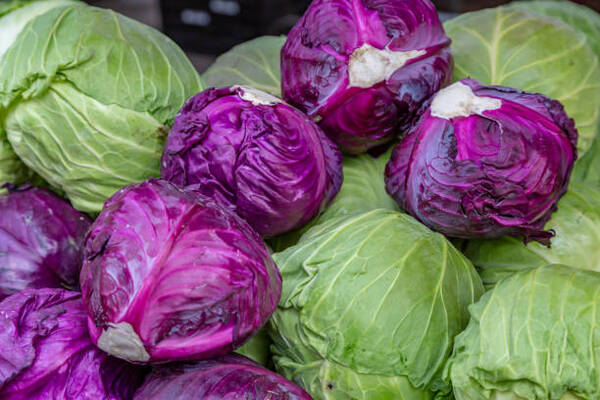
Green Cabbage varieties have 5.2g of total carbs per cup. Red Cabbage has about 6.6g total carbs as it has a bit more natural sugars.
Most carbs in cabbage are fiber, keeping net carbs low. Red cabbage has more antioxidants and slightly more sugar than green.
Either way, cabbage remains a reliable low-carb, nutrient-rich choice. Pair green or red cabbage with protein-rich foods for a balanced meal.
Net Carbs vs. Fiber Explained
What makes cabbage stand out is its low net carbs, meaning fewer carbohydrates are absorbed by your body.
Because cabbage is high in fiber, it has a very low glycemic index, making it ideal for those managing blood sugar or following a keto diet. The fiber also helps you feel full longer and slows the impact of carbs on insulin levels.
Choosing cabbage for your meals helps lower your glycemic response and boosts micronutrient intake, supporting digestion and keeping blood sugar stable.
Cabbage Nutrition Facts
Cabbage is packed with vitamin C, which strengthens your immune system and helps fight oxidative damage from free radicals.
There is also a lot of vitamin K in cabbage, essential for blood clotting and strong bones. It contains vitamin A forms like lutein and zeaxanthin, which support eye health.
Key Vitamins and Minerals
Cabbage and other cruciferous vegetables (cauliflower, broccoli, Brussels sprouts, kale, and collard greens) are full of key nutrients that help the body work well.
Some of the most important vitamins and minerals it has are:
- Vitamin C: Total ascorbic acid helps the immune system stay strong and can cut down on swelling.
- Vitamin K: It is needed for strong bones and helps the blood to clot the right way.
- Vitamin E: It gives the body antioxidant protection and keeps the cells safe from harm.
- Lutein: You find a lot of this in red cabbage. Lutein helps protect your eyes from vision damage.
- Potassium: This is a good source and helps keep your blood pressure and fluid levels in balance.
When combined, these key nutrients support a healthy lifestyle by protecting heart health and keeping your mind sharp.
Adding low-carb cabbage, including red cabbage, to your diet boosts vitamin intake, helps maintain healthy blood pressure, and protects vision, making it an excellent choice for overall wellness.
Calorie Count and Macronutrient Profile
Cabbage is very low in calories, with about 22 calories per cup. It contains around 1.1 grams of protein per serving, making it a low-calorie, filling option for those on a diet.
Cabbage nutrition shows it contains less than 0.1 grams of fat per serving, making it almost fat-free. Its fiber helps you feel full, supporting your eating plans. Larger cabbage heads allow you to prepare more food at once.
Because the calorie count is so low, cabbage is a great pick for people who want to watch what they eat. You can pair cabbage with higher-protein foods so you get a meal that is filling and good for you.
Health Benefits of Including Cabbage in Your Diet
Adding low-carb cabbage to your meals offers many benefits. Its antioxidants help prevent vision damage and age-related macular degeneration. Cabbage also supports strong cognitive function, keeping the mind clear at any age.
If you want to deal with different health problems in a natural way, the consistent intake of foods like cabbage is a good idea. It is a great choice for people who want to get more nutrition with simple and low-cost foods.
Supports Digestive Health
Packed with dietary fiber, cabbage supports digestive health by regulating bowel movements and preventing discomfort. This nutritious vegetable is ideal for those on a keto diet or seeking a healthier lifestyle.
Additionally, rich antioxidants help combat oxidative damage in the gut, promoting better gut function, which aids in managing cholesterol and reducing gastrointestinal risks.
Cabbage aids digestion by providing fiber that reduces discomfort and promotes regular bowel movements. It supports gut health, helping your body absorb nutrients more effectively.
If you add cabbage to your meals, you are helping your health in the long run. It gives you a better chance for quick recovery and helps to keep some diseases away.
Promotes Cardiovascular Health
Cabbage boosts cardiovascular health as a low-carb, low glycemic index vegetable that helps manage cholesterol. Rich in vitamin K and potassium, it supports healthy blood pressure and overall heart function.
Additionally, its antioxidants combat oxidative damage, potentially lowering the risk of heart attack and stroke. Regular consumption not only supports heart function but also enhances overall well-being for people of all ages.
Weight Management and Blood Sugar Control
If you want to manage weight, cabbage is a great low-calorie choice. Its fiber keeps you full longer, reducing the need to snack and helping you stay on track with your fitness goals.
For blood sugar control, the fiber in cabbage slows sugar absorption into the bloodstream. Fiber also helps lower cholesterol, and potassium lowers blood pressure.
This makes cabbage helpful for managing diabetes. Using cabbage leaves instead of flour tortillas can cut extra carbs while keeping your meals tasty.
Reduces Cancer Risk
Emerging research highlights the potential for cabbage to lower cancer risk. Cabbage contains antioxidants that combat oxidative damage, which is linked to various types of cancer.
Cruciferous vegetables, particularly red cabbage, are renowned for their high levels of glucosinolates, compounds that exhibit anti-cancer properties.
Consistent intake of cabbage may support overall wellness by enhancing the body’s defense against carcinogens. Its low glycemic index also makes it ideal for health-focused diets.
Best Low-Carb Cabbage Recipes
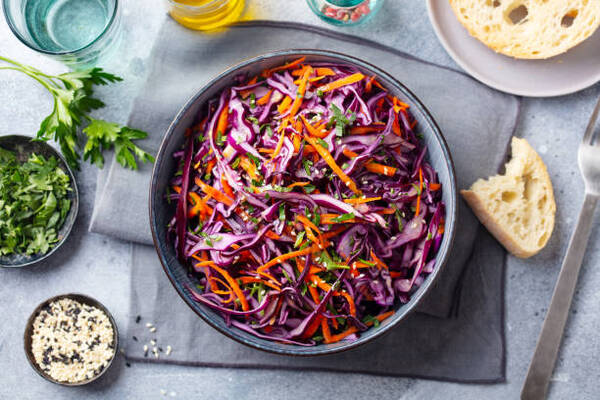
There are fun ways to eat cabbage. You can chop it and add it to salads, or make keto tortillas with cabbage wraps using steamed leaves instead of flour tortillas. Fill them with your favorite ingredients and add protein for a satisfying meal.
You can also try home preservation by fermenting low-carb cabbage. This way, you get things like sauerkraut or kimchi that you can add to your meals all year.
Cabbage is a good food to use in many ways. Even if you keep it simple, you still get good taste and texture. This makes cabbage a great choice for anyone wanting to eat healthy.
Frequently Asked Questions
How do Carbs in Cabbage Compare to Other Leafy Greens?
Cabbage has fewer carbs than some other cruciferous veggies like collard greens. One cup of green, red, or purple cabbage provides good nutrients while staying low in carbs. This makes cabbage a great choice for those wanting to limit their carb intake.
Can Eating Cabbage Help with Weight Loss?
Yes! Cabbage has a low calorie count, and it is full of fiber, which can help with weight management. You can feel full but still not get a lot of calories from it. Many people also use the infamous cabbage soup diet to help them reach their fitness goals.
Are There Any Side Effects of Eating Too Much Cabbage?
Eating too much cabbage can cause digestive discomfort, such as bloating or gas. Some people may also experience typical food allergy symptoms. If you have a mugwort allergy, you might get oral allergy syndrome from cabbage allergies. In severe cases, it’s best to see an allergist.
What are the Best Ways to Prepare Cabbage to Retain its Nutrients?
Using stainless steel knives when cooking and adding lemon juice can help preserve the nutrients in cabbage. Also, keeping the right humidity during storage helps cabbage last longer and stay fresh.
You can eat cabbage raw and shredded in dishes like coleslaw, or cook it in soups and stews. Only wash cabbage right before using it.
Rinse cabbage leaves well under running water before cutting or eating. You can chop cabbage for stir-fry dishes, steam the leaves, and use them as wraps for meat or other fillings.
Final Thoughts
Cabbage is a healthy and versatile vegetable that fits well into many diets. It is low in carbs and packed with important vitamins and minerals. There are many easy and tasty ways to cook cabbage while keeping it low in carbs.
Including low-carb cabbage in your meals supports heart health, weight management, and blood sugar control. Packed with nutrients and versatile in cooking, cabbage is a nutritional powerhouse worth adding to your diet.
Try some tasty low-carb cabbage recipes to add variety to your meals. These dishes are delicious and healthy, helping you enjoy the benefits of cabbage while making your meals more flavorful and nutritious.