

Expert Insights Revealed: Do You Need Carbs to Build Muscle?
How Much Carbs Do I Need for Muscle Growth?
💡 The carbs required for muscle building depend on activity level, metabolism, and muscle mass. For best results in active individuals, aim for 3-5 grams of carbs per kilogram of body weight daily. Remember to balance carbs with protein and fats for overall nutrition and fitness goals.
Join us as we dive deep into the age-old question: “Do You Need Carbs to Build Muscle?” Strap in as we unravel the mysteries behind muscle growth and carbohydrate intake.
Whether you’re a seasoned gym-goer or just starting your fitness journey, understanding the role of carbs in muscle development is crucial. Get ready to have your misconceptions shattered and your knowledge expanded as we decode the science behind this hotly debated topic.
In this detailed guide, we’ll simplify intricate scientific ideas into easy-to-understand pieces. No need for fancy words or confusing terms – just clear explanations for everyone. Whether you’re curious about carbs or already know your stuff, we’ve got you covered.
Prepare to understand how carbohydrates fuel your workouts, enhance recovery, and support muscle gains. We cover everything from dispelling myths to delving into the latest research.
So grab your go-to protein shake, relax, and let’s delve into this informative journey together. Do you need carbs to build muscle? It’s time to distinguish reality from fiction and reveal the facts about carbs and muscle growth. Let’s get started!
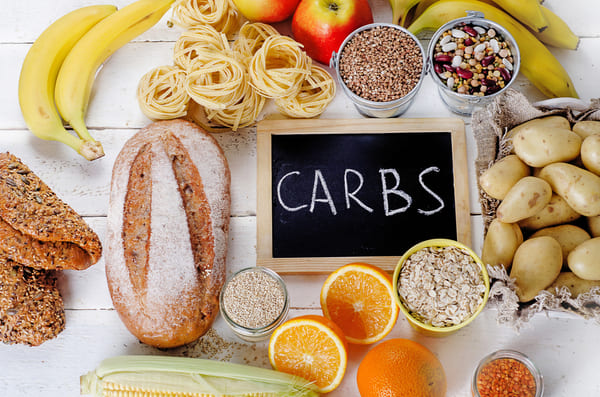
Table of Contents
- The Role of Carbs in Muscle Growth
- Do You Need Carbs to Build Muscle?
- How to Build Muscle on Low-Carb and Keto Diets
- Frequently Asked Questions
- Final Thoughts: Do You Need Carbs to Build Muscle?
The Role of Carbs in Muscle Growth

When you fuel your muscles for physical activity, remember that carbs are your body’s top fuel source. Along with protein and fats, carbs play a key role in vital bodily functions beyond building muscle.
So do you need carbs to build muscle? Carbs are crucial for muscle growth as they fuel intense workouts and help with recovery after exercise.
When you eat carbs, they turn into glucose, the body’s main energy source for working out. This energy is key for getting through tough training sessions, so you can push your limits and build muscles with resistance training.
They provide energy to your muscles, regulate blood sugar, and enhance metabolic functions. Carbs are essential for muscle growth through these mechanisms.
Glycogen Depletion
During exercise, your body uses stored glucose (glycogen) for energy to power your workouts and muscle growth. When energy is needed, glycogen breaks down into glucose. Without sufficient carbs, muscles lack energy for optimal performance.
Consuming carbs provides glucose for energy. After you exercise, your glycogen stores are depleted and need to be replenished. Consuming carbs after exercise helps restore these stores for future workouts.
To replenish glycogen stores after working out, it’s important to eat high-glycemic carbs right after exercise, then every 30 minutes for four to five hours, according to a 2018 study.
Muscle Loss Prevention
Consuming enough carbs helps the body maintain muscle mass during weight training as muscles need carbs to function well. Moreover, resistance training creates tiny tears in muscle fibers and connective tissue.
Without enough carbs, your body can’t produce sufficient protein to repair muscle damage. It might break down existing muscles to generate energy, leading to muscle loss. Eating healthy carbs can prevent this muscle loss.

Muscle Recovery
Eating carbs post-workout aids recovery by helping muscles repair faster, cutting healing time. Without carbs after exercise, the body taps into muscle tissue for energy, leading to muscle loss and longer recovery.
Carbs also fight fatigue, keeping you fresh for your next workout, as per a 2020 article.
Blood Sugar Control
Carbs are important for controlling blood sugar levels. Intense exercise triggers stress hormones, raising blood sugar levels and potentially causing fatigue and reduced muscle function.
Eating carbs post-workout balances hormone levels and stabilizes blood sugar, aiding muscle recovery, enhancing performance, and preventing health issues like insulin resistance.
Protein Synthesis
Carbs also boost metabolic functions, such as protein synthesis, crucial for muscle building in resistance training. When paired with protein, carbs transport amino acids to muscles for repair and growth.
It’s crucial to understand that not all carbs are the same. Opt for complex carbohydrates like whole grains, fruits, and veggies over simple carbs such as sugary snacks and refined grains. Complex carbs offer lasting energy and are packed with fiber and essential nutrients.
Do You Need Carbs to Build Muscle?
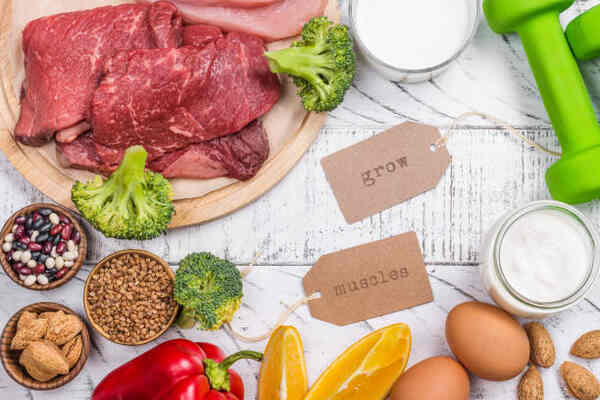
Now you know the role of carbohydrates, let’s answer the question: do you need carbs to build muscle? The required carbohydrate consumption for building muscle depends on individual metabolism, activity level, and dietary preferences.
Carbs are crucial for energy during exercise and muscle recovery. Some people can build muscle without lots of carbs, but most benefit from including carbs in their diet for energy, intense workouts, and muscle repair.
The impact of carbs on muscle building differs for each person. Find a diet that matches your personal goals and preferences. Seek advice from a nutritionist or fitness expert to customize a nutrition plan to promote muscle growth.
How Many Carbs Should You Eat for Building Muscle?

There isn’t a universal carb consumption plan for building muscle. Your carb needs depend on factors like fitness goals, body composition, age, and training volume. Here are some basic carb intake guidelines to boost your muscle gains:
Consume 8 to 10 grams of carbs per kilogram of lean body weight daily for better strength performance and muscle gain.
Have a carb-rich meal an hour before resistance training, right after your workout, and again 2-3 hours post-lifting for optimal results.
Opt for complex instead of simple carbohydrates to avoid blood sugar spikes. Bananas or dates are great quick energy sources before workouts.
The 2020-2025 Dietary Guidelines for Americans suggest adults get 45% to 65% of their total calories from carbs. Consulting a registered dietitian can assist in figuring out your ideal carb intake.
How to Build Muscle on Low-Carb and Keto Diets
The idea that only high protein intake builds muscle is a major myth in fitness. Your body needs a balanced diet with nutrients from different foods to maximize muscle growth.
While protein is crucial for muscle development, carbohydrates are also necessary to fuel your body and muscles for peak performance.
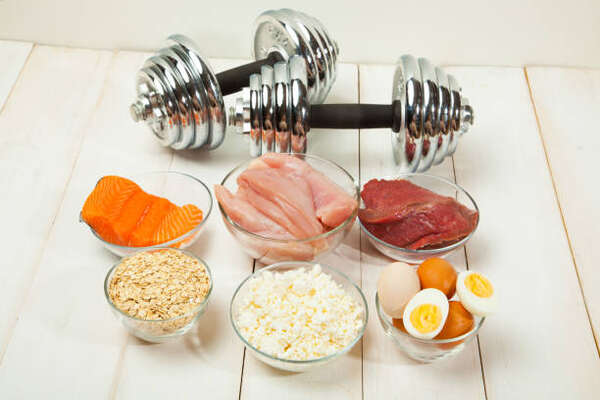
But how about those on low-carb diets? Do you need carbs to build muscle?
Research studies compared people on a low-carb diet with those eating their usual foods. Surprisingly, one study showed that the low-carb group lost fat and gained lean body mass. Lasting six weeks, this study offered insights into cutting carbs for building muscle. The outcome is those on the keto-friendly diet gained double the muscle mass.
If you’re dedicated to your low-carb or keto diet and aiming to optimize strength performance and muscle mass, here are some key tips to maximize your results.
Monitor your calorie intake diligently. To lose weight, burn more calories than you consume. To build muscle, eat more calories than you burn. Increase your calorie intake by about 10-15% above maintenance levels for muscle growth.
Consider your protein intake. Excessive protein can disrupt ketosis, but this is rare. However, inadequate protein hampers muscle tissue repair post-workout. Remember to balance protein with carbs for a well-rounded keto diet.

Cutting carbs while building muscle requires boosting protein intake. Aim for protein to make up about 20% of your diet (on a keto diet, aim for around 30% protein), and limit carbs to around 10% of your daily calories.
Another important aspect to think about is when you consume carbohydrates. Having a meal or snack with carbs 1-2 hours before exercising can give you the fuel you need for the best performance. Likewise, eating carbs within 30 minutes after a workout helps refill glycogen stores and supports muscle recovery.
So do you need carbs to build muscle? Including the right amount of carbohydrates in your diet can significantly boost your workouts and help you gain muscle mass. Choose complex carbs from whole foods and time your intake strategically for optimal results.
Frequently Asked Questions
Can you build muscles without carbs?
Carbs fuel intense workouts and aid muscle recovery. For those on low-carb or keto diets, focus on protein and enough fat calories for muscle growth. Protein is essential for muscle repair and growth, and consuming an adequate amount of protein-rich foods such as lean meats, fish, eggs, and plant-based protein sources can support muscle development.
It’s important to remember that cutting carbs might affect workout performance and energy levels. Those on low-carb diets should monitor progress closely and tweak their approach to reach fitness goals. While you can build muscle with a high-protein low-carb diet, optimal physical performance and muscle growth require adequate carb intake.
Do you need more protein or carbs to build muscle?
To build muscle effectively, protein and carbohydrates are key players. The focus may shift based on personal factors and training objectives. Protein supplies essential amino acid crucial for muscle repair and growth.
Carbs are also crucial as they fuel the body during intense workouts, enhancing performance and aiding muscle recovery. While protein is vital for muscle building, carbs are equally important for providing energy for workouts and restoring glycogen stores afterward.
A balanced diet with enough protein and carbs is essential for optimal muscle growth and athletic performance.
Final Thoughts: Do You Need Carbs to Build Muscle?
The whole debate on carbs for muscle building is pretty complex. While protein gets a lot of credit for muscle growth by fixing and building muscle tissue, carbs are also super important in supporting this whole process.
Do you need carbs to build muscle? To optimize muscle growth, carbohydrates play a crucial role by fueling intense workouts and aiding in post-exercise recovery. However, the ideal carbohydrate intake varies based on individual needs, metabolic rate, and activity level.
Ultimately, it’s important to find the right balance between protein and carbs that fits your fitness goals and lifestyle. With a clearer grasp of how carbs affect muscle growth, you can make smart dietary decisions to boost muscle-building efforts and stay healthy.