

Beginner’s Guide: How Do You Start the Keto Diet Today
How Do You Properly Start the Keto Diet?
💡 HERE’S HOW: To properly start the keto diet, set clear goals, calculate macros, stock keto groceries, plan simple meals, track progress, and adjust as needed for long-term success.
Thinking about starting the keto diet but not sure where to begin? You’re not alone.
Jumping into a new way of eating can feel a little like cleaning out your closet. You know it’s going to be worth it, but the first step feels overwhelming.
Keto, short for ketogenic, is all about swapping carbs for healthy fats so your body runs on fat instead of sugar.
Sounds simple, right? Still, questions pop up: What do I eat? Is it safe? How do I get through that first week without giving up?
That’s exactly what this guide is here for. We’ll break down what keto really is, why people swear by it, and give you a step-by-step plan to get started.
By the end, you’ll feel confident about taking those first steps into keto living without the stress.
Table of Contents:
- What Is the Ketogenic Diet?
- Why Choose the Keto Diet?
- Is the Keto Diet Safe for Everyone?
- How Do You Start the Keto Diet
- Expert Tips for Success and Common Beginner Mistakes
- Managing Keto Side Effects
- Related Articles
- Frequently Asked Questions
- Final Thoughts
What Is the Ketogenic Diet?
At its core, the ketogenic diet, better known as keto, is all about flipping the fuel switch in your body. Normally, you run on glucose, which comes from carbs like bread, pasta, and fruit.
But when carbs are cut way down, your body turns to fat for energy. This magical shift is called ketosis, and it’s like teaching your body to run on premium fuel instead of the regular stuff.
The result? Your body burns fat more efficiently, giving you steady energy and fewer sugar crashes.
But here’s where it gets interesting: keto isn’t one-size-fits-all. There are actually a few different ways to do it and lose weight, depending on your goals and lifestyle.
- Standard Ketogenic Diet (SKD): The classic version—low carbs (about 20–50g per day), moderate protein, and high fat diet. Perfect for beginners and weight loss.
- Targeted Ketogenic Diet (TKD): Designed for active folks. You eat a small amount of carbs around workouts to fuel performance while still staying in ketosis.
- Cyclical Ketogenic Diet (CKD): More advanced. This approach cycles between strict keto days and higher-carb days, often used by athletes or bodybuilders.
- High-Protein Keto: A slight twist on the standard version—higher protein intake while still keeping carb intake very low. It’s good for those who want to maintain or build muscle.
Think of these types as different “modes” of keto, like adjusting gears on a bike. Most people start with the standard version, then experiment once they’re comfortable.
The key is finding the one that fits your lifestyle without making you feel restricted.
Why Choose the Keto Diet?
So, why do people willingly say goodbye to bread, pasta, and sweets for a high-fat lifestyle? The answer is simple: the results speak for themselves.
Keto isn’t just a trend, it’s a tool that helps people feel better, look better, and in many cases, improve their overall health. Let’s break down the big reasons why so many folks swear by it.
- Weight Loss That Feels Natural: Keto helps your body become a fat-burning machine. Instead of relying on constant carb refuels, your body dips into stored fat for energy. Many people notice the pounds dropping without feeling like they’re starving themselves.
- Energy Without the Roller Coaster: Ever notice how a big plate of pasta gives you energy for an hour, then knocks you out cold on the couch? Keto flips that script. With fat as your main fuel, energy is steady and long-lasting—no sugar highs, no 3 p.m. crashes.
- Hunger and Craving Control: When you eat balanced keto meals, your blood sugar stays stable. That means fewer “hangry” moments and less late-night rummaging through the pantry. Keto makes it easier to walk past the cookie jar without a second thought.
- Mental Clarity and Focus: Your brain loves ketones—they act like supercharged brain fuel. Many people report sharper concentration, better memory, and less brain fog once they’ve been in ketosis for a while.
- Better Blood Sugar Balance: For people dealing with insulin resistance or type 2 diabetes, keto can be a game-changer. By cutting high carb foods, you reduce the spikes and dips in blood sugar, helping your body respond more effectively to insulin.
- Heart Health Support: When done right, keto emphasizes healthy fats like avocado, olive oil, and salmon. This shift away from processed carbs and sugars may improve cholesterol levels and support long-term heart health.
- A Boost for Active Lifestyles: Believe it or not, athletes and fitness enthusiasts are using keto, too. Some adapt to burn fat more efficiently during workouts, while others use targeted or cyclical keto to fuel performance without relying on constant carb loading.
In short, keto offers more than just quick weight loss—it’s about better energy, sharper thinking, and feeling in control of your body again. It’s like hitting the reset button on your metabolism and daily routine.
Is the Keto Diet Safe for Everyone?
The keto diet may be a powerful tool, but like any lifestyle change, it’s not the perfect fit for everyone.
Most healthy adults can give it a go without issues, but if you’re pregnant, breastfeeding, or dealing with conditions like type 1 diabetes, liver problems, or kidney disease, it’s smart to check with your doctor first.
Even for those who can safely try it, the first week might feel a little bumpy thanks to the keto flu symptoms. The good news? It usually passes quickly, and many people end up feeling better than ever once their body adjusts.
Some people wonder how keto compares to other eating styles like a balanced diet or even the Mediterranean diet. While both focus on whole foods, keto diet reduces carbs much more aggressively.
That means you’ll rely on fats for fuel, including some saturated fat, though balance is still key.
Think of keto as a new pair of running shoes. It can take a little breaking in, but if it fits your lifestyle and health needs, it might just carry you farther than you expected.
How Do You Start the Keto Diet
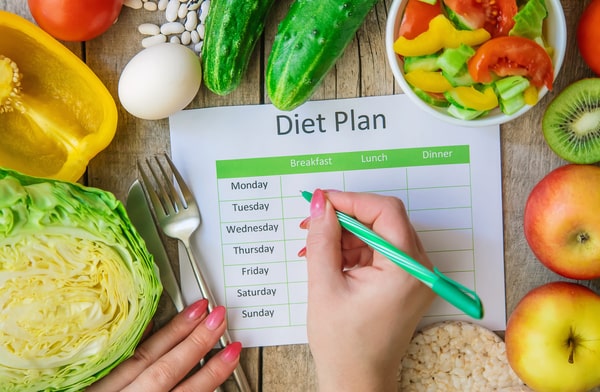
Starting keto isn’t about perfection, it’s about taking small, smart steps. With a little planning, the switch to a low-carb, high-fat lifestyle can feel a lot less intimidating (and even a little exciting). Let’s break it down step by step.
Step 1: Set Your Personal Health and Fitness Goals
Before going keto, get clear on your why. Is it weight loss, more energy, better focus, or improved health? Specific goals like dropping 10 pounds or ditching afternoon crashes give you direction and motivation.
Think of it like setting a GPS before a road trip; knowing your destination makes the journey a whole lot smoother.
Step 2: Calculate Your Daily Macros and Calorie Needs
Keto isn’t a free pass to eat unlimited bacon and cheese—your numbers still matter. To stay in ketosis, you’ll want the right balance of fat, protein, and carbs.
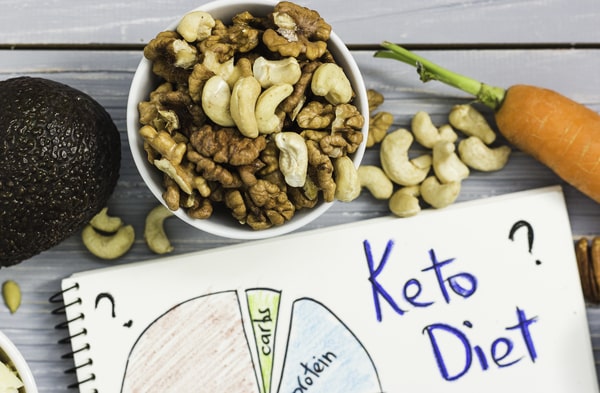
Most people do well with about 70–75% of calories from fat, 20–25% from protein, and just 5–10% from carbs (usually 20–50 grams per day).
Don’t worry, you don’t have to do math on the back of a napkin. There are plenty of free keto calculators online that can figure it out for you based on your weight, height, age, and activity level.
Step 3: Stock up on Keto-Approved Groceries
Your kitchen sets the stage for keto success. If it’s filled with carb rich foods like chips, bread, and cookies, sticking to your eating plan will feel like a battle. The fix? Restock with foods that actually work for you.
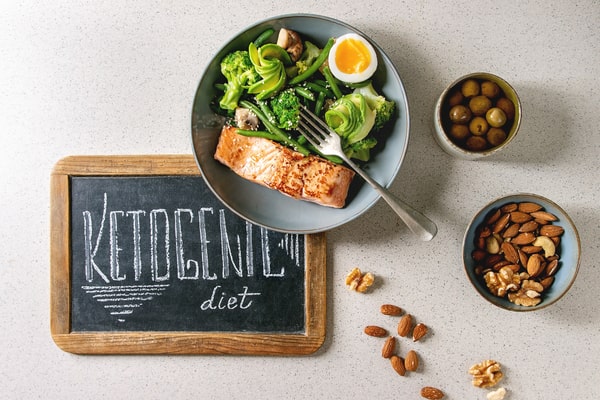
Think protein staples like chicken, beef, pork, fish, and eggs. Add healthy fats such as avocados, olive oil, butter, coconut oil, and nuts.
Don’t forget low-carb veggies like spinach, cauliflower, zucchini, and broccoli. They’ll keep your meals colorful and satisfying. For snacks, keep it simple: cheese sticks, pork rinds, olives, or hard-boiled eggs.
Pro tip: stick to the outer aisles of the grocery store. That’s usually where the fresh, whole, keto-friendly foods live, while the middle aisles are full of temptation.
Step 4: Plan Simple Meals and Snacks for Your First Week
The first week of keto doesn’t have to feel like a full-on cooking show. Keep it simple! Having a plan makes it way easier to stay on track and avoids those “what do I eat now?” panic moments.
Start with easy meals you know you’ll enjoy: eggs with avocado for breakfast, bunless burgers for lunch, and a juicy steak or roasted chicken with veggies for dinner.
For snacks, think grab-and-go—cheese, boiled eggs, nuts, or even cucumber slices with cream cheese.
The goal isn’t to make things fancy; it’s to give yourself structure while your body adjusts. Once you get the hang of it, you can experiment with new recipes. But for now, keep it stress-free and delicious.
Step 5: Track Progress and Adjust as Needed
Keto isn’t a “set it and forget it” deal. Your body will respond differently over time, so it helps to check in on your progress.
That could mean hopping on the scale, snapping progress photos, or simply paying attention to your energy and mood.
If something feels off like stalling weight loss or low energy, tweak your macros, adjust your portions, or swap certain foods. The key is staying flexible and patient with yourself.
Expert Tips for Success and Common Beginner Mistakes
Starting keto can feel exciting but a little overwhelming at first. The good news? A few smart habits can set you up for success, while knowing what not to do can save you from frustration. Let’s break it down.
Expert Tips for Success
- Stay hydrated: Keto can flush water and electrolytes from your system, so sip water and add a pinch of salt or electrolyte drinks.
- Keep meals simple: Stick with easy, repeatable meals until you’re comfortable. Complicated recipes can wait.
- Meal prep when you can: Having keto-friendly food ready means fewer temptations when hunger strikes.
- Listen to your body: Everyone’s carb tolerance is different, so pay attention to how you feel rather than obsessing over perfection. Take body breaks when needed.
- Build sustainable eating habits: Remember, keto isn’t meant to feel like a restrictive diet. Pay attention to your food intake and choose nutrient-dense options like full fat dairy and fatty fish.
- Celebrate small wins: Whether it’s better focus or looser jeans, those little victories keep motivation high.
Common Beginner Mistakes
- Cutting carbs too fast: Going from pasta every day to zero overnight can cause a rough “keto flu.” Gradual changes often feel easier.
- Forgetting electrolytes: Skipping sodium, potassium, and magnesium can leave you sluggish or crampy.
- Eating too many “keto snacks”: Just because it’s low-carb doesn’t mean it’s calorie-free—processed snacks can still slow progress.
- Ignoring veggies: Keto isn’t just bacon, butter, or fatty meat. Skipping non-starchy low carb vegetables can lead to low fiber intake, which isn’t great for digestion. Remember, keto diet helps you reach a unique metabolic state, but it works best when balanced with plenty of nutrient-rich vegetables.
- Expecting instant results: Your body needs time to adapt, so patience is part of the process.
It’s all about balance—using smart strategies, avoiding easy-to-make mistakes, and giving yourself grace along the way. With the right mindset, the journey becomes less stressful and a lot more enjoyable.
Managing Keto Side Effects

The first days of keto can throw you a curveball. Many beginners experience what’s often called the “keto flu,” which can bring headaches, fatigue, irritability, or even a little brain fog.
Don’t worry, it’s not permanent, and there are easy ways to handle it.
- Hydrate like it’s your job: When carbs drop, your body loses water fast. Keep a bottle nearby and sip throughout the day.
- Replace electrolytes: Low sodium, potassium, and magnesium can cause cramps and low energy. A sprinkle of salt, leafy greens, or a supplement can do wonders.
- Get enough rest: Your body is adjusting to a new fuel source—quality sleep helps it recover and adapt.
- Don’t push workouts too hard at first: Intense exercise might feel tougher in the beginning, so start light and build back up.
- Give it time: Most side effects of high protein ketogenic diet fade after a week or two, and many people report a big boost in energy once their body adapts.
Think of this phase as your body’s “boot camp” for learning how to run on fat instead of sugar. Stay consistent, support yourself with the basics, and soon you’ll be over the hump and enjoying the perks.
Related Articles
If you’re serious about starting keto, you might also find these helpful:
- How to Know You’re in Ketosis: 14 Telltale Signs Unveiled!
- What Happens if You Don’t Eat Enough Fat on Keto?
- How Long Is It Safe to Be in Ketosis: Risks and Benefits
- Why Am I Exhausted on the Keto Diet?: A Keto Fatigue Mystery
- Best Exercise to Get Into Ketosis: Top Tips for Success
Frequently Asked Questions
How Does a Keto Diet Plan With High Fat Foods Help You Lose Weight Compared to a Regular Carb Diet?
Keto shifts your metabolism from burning sugar to burning fat. By reducing carbs, your body taps into stored fat for energy. This not only leads to faster weight loss but also helps control hunger more effectively than a typical low carb diet.
What Health Benefits Can a Keto Friendly Diet Provide for Blood Sugar and Blood Pressure?
Keto may improve insulin sensitivity and help stabilize blood sugar levels, which is especially useful for people with type 2 diabetes. Some research also shows it can reduce blood pressure, likely due to weight loss and lower insulin levels.
Can Intermittent Fasting Be Combined With Keto and How Does This Diet Can Help Overall Health?
Yes, intermittent fasting pairs well with keto. Both promote fat burning and stabilize blood sugar. Together, they can accelerate weight loss, improve mental clarity, and support overall metabolic health. Many people find the two approaches complement each other seamlessly.
Final Thoughts
So, how do you start the keto diet? It really comes down to setting clear goals, figuring out your macros, stocking your kitchen with the right foods, and keeping your meals simple while your body adjusts.
Along the way, expect a few bumps like the keto flu, but remember, those hurdles are temporary and totally manageable.
The beauty of keto is that it’s flexible and personal. You don’t need to be perfect, just consistent. Give yourself time to adapt, celebrate small wins, and keep learning as you go.
If you’re ready to take your keto journey further, head over to our website where you’ll find more guides, recipes, and tips to keep you inspired and on track.