

Expert Tips and Tricks: How to Lose Weight Without Feeling Deprived or Hungry
How Long Will It Take to Lose 50 Pounds?
🤔 Losing 50 pounds will differ based on your body weight, metabolism, and how well you follow a weight loss program. A safe rate is 1-2 pounds per week, so expect around 6 months to a year. Results vary, so aim for steady progress and lasting lifestyle changes over quick solutions.
Are you ready to embark on a journey to shed those stubborn pounds and reclaim your health? In our detailed guide, we’ll show you how to lose 50 pounds safely and effectively. Get expert tips to help you navigate your weight loss journey without feeling deprived or hungry all the time.
Losing weight can be tough, but don’t worry! We have you covered with practical advice and strategies that put your well-being first. No more crash diets or extreme measures. Our focus is on sustainable lifestyle changes for lasting results.
Whether you’re just starting on your weight loss journey or looking to overcome a plateau, our guide is designed to meet you where you are. From nutrition and exercise to mindset shifts and self-care practices, we’ll equip you with the tools you need to succeed.
It’s time to rewrite your story and embrace a healthier, happier you. Let’s dive in together and discover how to lose 50 pounds safely, one step at a time!
Table of Contents
- How to Lose 50 Pounds: Is it Doable?
- How to Lose 50 Pounds Realistically
- How to Lose 50 Pounds FAQs
- Final Thoughts: How to Lose 50 Pounds and Keep it Off
How to Lose 50 Pounds: Is it Doable?

The prospect of losing 50 pounds might seem daunting at first glance, but with dedication, commitment, and the right approach, it is indeed achievable. While it’s important to acknowledge that significant weight loss requires time and effort, it’s equally important to understand that it is within reach for many individuals.
Success comes from realistic expectations and sustainable lifestyle changes. Instead of chasing quick weight loss with extreme methods, prioritize gradual, lasting changes to your diet, exercise, and lifestyle. Remember, steady progress is key to losing weight and maintaining it.
Breaking your weight loss goal into smaller steps helps you pave the way to success. Celebrate each milestone, like shedding the first five pounds or mastering a new healthy habit. With patience, perseverance, and a positive mindset, you can achieve your goal of losing weight and regaining your health and well-being.
How to Lose 50 Pounds Realistically
In this guide, we break down your goal into 10 steps. Start by setting achievable and realistic weight loss goals aiming to lose 1-2 pounds per week for steady progress. Calculate your daily calorie needs and establish a calorie deficit.
Adopt a balanced low-calorie diet by focusing on whole foods while limiting processed foods and sugary snacks. Practice portion control by being mindful of serving sizes and avoiding mindless eating. Drink lots of water to curb hunger and maintain hydration levels.
Additionally, don’t forget to include regular exercise. Focus on ample quality sleep for weight loss and health. Handle stress with techniques like meditation, yoga, deep breathing, or hobbies to avoid emotional eating and enhance well-being.
Monitor your progress and seek a supportive circle of friends, family, or a weight loss group for motivation and accountability. Collaborate with healthcare professionals or dietitians for personalized guidance and support.
Set Realistic Goals
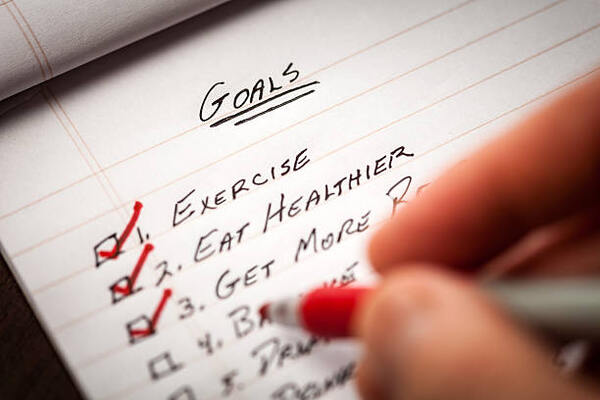
Setting practical goals is key to weight loss success. Instead of aiming for big changes that are hard to maintain, focus on achievable targets that match your lifestyle, preferences, and abilities. Begin by breaking down your weight goal into smaller, easier-to-reach milestones.
Healthy weight loss varies for each person because of different metabolisms, leading to weight loss at varying rates. Typically, a healthy weight loss amount is around one to two pounds per week.
Weight loss progress can differ among individuals. Some may lose 3 to 4 pounds in the first week of their diet, then slow to 1 to 2 pounds per week. Others start with 1 to 2 pounds, then see more progress as their metabolism ramps up in the following weeks.
Create a Calorie Deficit

To lose weight, you need to burn more calories than you eat. Calculate your daily calorie needs based on factors like age, gender, weight, height, and activity level. Then, cut your daily calorie intake by 500 to 1000 calories by making smarter food choices.
Typically, the aim is to reduce your weekly caloric intake by 3,500 calories. This equals 500 fewer calories each day, leading most individuals to lose about one pound per week.
Balancing this with exercise could potentially boost the weight loss to two pounds weekly. However, this varies per person. Remember, everyone is unique.
Adopt a Balanced Diet

Fad diets, such as juice diets, or cutting out essential food groups like protein and carbs, are not sustainable. Tracking macros or trying the keto diet for weight loss, which reduces carbs but doesn’t eliminate them completely, can help with weight loss. However, relying on fad diets for long-term results is not recommended.
For lasting weight loss and good health, stick to a balanced diet. Add nutrient-rich foods like fruits, veggies, lean proteins, whole grains, and healthy fats to your meals. Opt for a colorful plate packed with vitamins, minerals, and antioxidants to fuel your body. Avoid unhealthy snacks and sugary drinks.
Consider incorporating meal planning and preparation into your routine to ensure you have healthy options readily available. By prioritizing a balanced diet filled with wholesome, nourishing foods, you’ll not only support your weight loss goals but also promote long-term health and well-being.
Practice Portion Control
Practicing portion control is important to lose weight safely. Be mindful of how much you eat at meals and snacks to manage calories better. Using smaller plates and bowls can help trick your brain into feeling full with less food.
Pay attention to serving sizes on food packaging and measure your food until you get used to proper portions. Eating slowly and mindfully, savoring each bite, can help you know when you’re full and avoid overeating.
Eating before bed can increase calorie intake and weight gain. It may also cause reflux when lying down after eating. To improve weight loss and sleep, try having your final meal at least two hours before bedtime.
Stay Hydrated

Staying hydrated is crucial for weight loss success. Drinking enough water helps regulate your metabolism, reduce hunger, and enhance overall well-being. Aim for 8-10 glasses daily, more if you’re active or in a hot climate.
Also, try adding hydrating foods like fruits and veggies to your meals to boost your overall fluid intake. By focusing on hydration, you’ll help your weight loss, boost energy, and enhance your body’s function. Keep a water bottle close by and sip water often to stay hydrated.
Incorporate Regular Exercise

Incorporating a regular exercise plan into your routine is a crucial component of any successful weight loss plan. Aim for a combination of cardiovascular exercise, strength training, and flexibility exercises to maximize calorie burn, build muscle, and improve overall fitness.
Choose physical activities that you enjoy and that fit your lifestyle, whether it’s brisk walking, cycling, swimming, weight training, or group fitness classes. Aim for at least 150 minutes of moderate-intensity exercise per week, or 75 minutes of vigorous-intensity exercise, spread out over several days.
Moreover, everyday activities like gardening, using stairs, or playing with pets can boost your activity level and calorie burn. By making exercise a habit, you can achieve your goals, enhance your mood, increase energy, and improve your overall quality of life.
Get Plenty of Sleep

Getting enough quality sleep is crucial for effective weight loss and overall health. Sleep deprivation can mess with hormones, boosting hunger and cravings for junk food.
Strive for 7-9 hours of good sleep nightly to let your body rest and recover. Create a calming bedtime routine like reading or a warm bath to signal your body it’s time to unwind.
To improve your sleep, ensure your bedroom is dark, cool, and quiet. Quality sleep aids weight loss by managing hunger hormones and boosts mood, cognitive function, and immune system, making you feel your best on your weight loss journey.
Manage Stress

Managing stress is vital for effective weight loss and overall well-being. High stress levels may trigger emotional eating, unhealthy food choices, and disrupted sleep, impeding your weight loss progress.
Integrate stress-relieving practices like meditation, deep breathing, or yoga into your daily routine to soothe your mind and body. Prioritize self-care activities that bring you joy and relaxation, like being outdoors, pursuing hobbies, or connecting with loved ones.
By managing stress proactively, you’ll support your weight loss efforts and enhance mental well-being, fostering a happier, balanced lifestyle as you aim to lose weight.
Track Progress
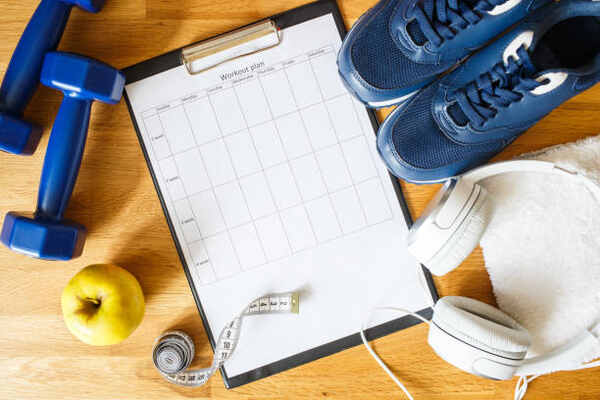
Tracking progress is crucial for staying motivated and accountable during weight loss. Maintain a food journal to log your daily intake, portion sizes, and snacks. This aids in recognizing patterns like mindless eating or emotional triggers, allowing for necessary adjustments to your eating habits.
Use a fitness tracker or journal to track your physical activity, like your exercise regimen, steps, and calories burned. Celebrate your progress, whether hitting a new milestone on the scale, fitting into smaller clothes, or mastering a new exercise routine.
By tracking your weekly weight loss, you’ll gain valuable insight into your habits and behaviors, empowering you to make informed choices and stay on track toward your goals.
Seek Support

Seeking support is crucial for staying motivated and accountable during your weight loss journey. Surround yourself with a supportive network of friends, family, or a weight loss group for encouragement, advice, and understanding.
Share your goals and seek their support to stay on track. Consult a registered dietitian, nutritionist, or personal trainer for tailored advice and support. Keep in mind that losing 50 pounds demands patience, persistence, and dedication on your journey.
Online communities and forums provide camaraderie and connection with others on a similar path. Remember, you don’t have to go it alone. Seeking support increases success in achieving your goal of losing 50 pounds and improving health and well-being.
How to Lose 50 Pounds FAQs
What is a Realistic Goal to Lose 50 Pounds?
A practical approach to losing 50 pounds is to target a consistent and sustainable weight reduction of 1-2 pounds weekly. This translates to about 4-8 pounds monthly, potentially taking 6-12 months to reach the 50-pound weight loss goal.
Remember, weight loss is a journey. There might be ups and downs, but staying patient, consistent, and dedicated can help you achieve a 50-pound weight loss goal, leading to better health and well-being.
How Many Calories do I Need to Eat to Lose 50 Pounds?
To shed 50 pounds, consume fewer calories than your body burns. A 3,500-calorie deficit equals about a pound of weight loss. So, to drop 50 pounds, aim for a 175,000-calorie deficit gradually.
You can achieve this by cutting calories and boosting exercise. Aim for a gradual, sustainable approach to reduce 500 to 1,000 calories daily for steady weight loss without risking your health.
Seeking advice from a healthcare professional or dietitian can help you figure out your calorie needs and create a meal plan tailored to you.

How Noticeable is Losing 50 Pounds?
Losing 50 pounds can lead to significant changes in both physical appearance and overall well-being, making it quite noticeable to both yourself and others. Physically, you may see changes such as a decrease in clothing sizes, a more defined body shape, and increased energy levels.
Moreover, losing 50 pounds can lead to better mobility, less joint pain, and improved heart health. It doesn’t just change you physically; shedding that weight can boost self-esteem, enhance mood, and elevate your quality of life.
Overall, the effects of losing 50 pounds are likely to be noticeable and can lead to significant improvements in various aspects of one’s life.

Final Thoughts: How to Lose 50 Pounds and Keep it Off
Setting out to lose 50 pounds is a big task that needs dedication, commitment, and patience. In this guide, we’ve covered different strategies and tips to help you reach your weight loss goals safely and sustainably.
Setting realistic goals, eating balanced meals, controlling portions, staying hydrated, exercising regularly, sleeping well, managing stress, tracking progress, and seeking support can lead to successful weight loss. The journey may be tough, but losing 50 pounds brings rewards beyond just numbers on a scale.
You’ll see physical changes like more energy and flexibility, along with mental perks like boosted confidence and well-being. Each step towards your goal is a win, so celebrate progress and focus on positive changes for your health and happiness.
With persistence and drive, you can reach your goal weight and lead a healthier, happier life long term.