

Discover if Arrowroot Fits into a Keto Diet. Explore its Nutritional Profile, Benefits, and How it Can Affect Your Carb Count.
Is Arrowroot Keto?
🌿 While arrowroot isn’t ideal for a traditional keto diet due to its carb content, small amounts can be incorporated carefully. It’s important to manage portion sizes to stay within your daily carb limits.
Diets like the ketogenic diet can make you feel like you are exploring a never-before-seen place in the culinary world. Have you ever stood in the grocery aisle scratching your head, trying to figure out whether you can eat this or that on the keto diet? — you’re not alone. Arrowroot powder is one of the ingredients that gets some questions and raises eyebrows. Arrowroot: Known for its wonderful texture.
Recorded as a thickening material in many meals and bakery goods, Arrowroot has a fine, neutral taste and works to make very luscious sauces and silky soups. On the keto diet, you may hesitate to use it like me, as it looks too high in carbs.
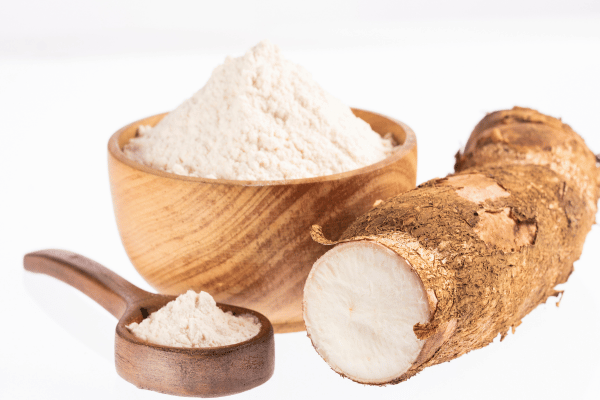
In this blog post, we’ll cover everything you need about arrowroot powder—from its nutrition facts to how to incorporate it into keto recipes without breaking out of ketosis. Whether you’re a full-blown keto pro or just beginning your keto adventure, we’ve got all the details on Arrowroot so you can make smart decisions while following a ketogenic diet.
We’ll also guide you on where to buy arrowroot flour online and how to make it fit seamlessly into your low-carb lifestyle. Let’s get to it and find out if Arrowroot can become your new friend in the kitchen.
Table of Contents:
- What is Arrowroot?
- Nutritional Breakdown of Arrowroot
- Benefits of Arrowroot
- Is Arrowroot Keto Friendly?
- Keto-Friendly Alternatives to Arrowroot
- Frequently Asked Questions
- Final Thoughts
What is Arrowroot?
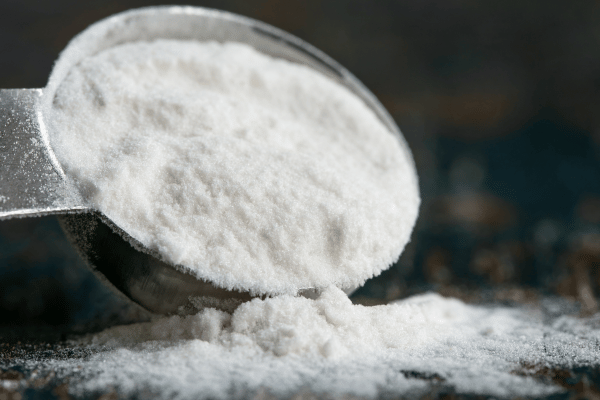
Picture this: you’re preparing a delicious meal, perhaps a creamy soup or a luscious pudding, and you reach for a thickening agent to achieve the perfect consistency. You bypass the cornstarch and grab something a little different—arrowroot powder. But what exactly is this ingredient, and why is it a staple in so many kitchens, especially those focusing on gluten-free and paleo cooking?
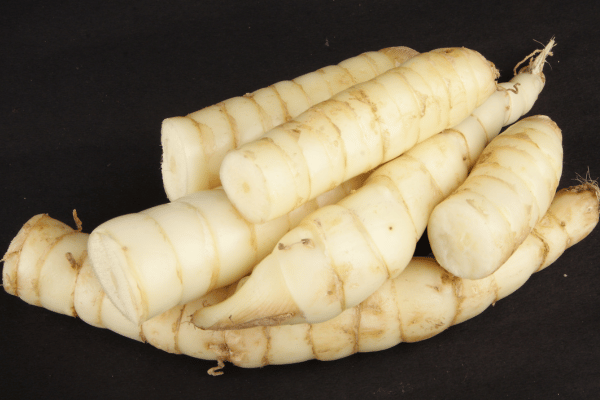
Arrowroot, derived from the Maranta arundinacea plant, is a tuber that hails from the lush rainforests of Indonesia. This root vegetable has been cherished for centuries, not just for its culinary uses but also for its medicinal properties. Indigenous cultures have long used Arrowroot to soothe digestive issues and as a natural remedy for various ailments.
When the arrowroot tubers are harvested, they are washed, peeled, and slowly dried. Once dried, they are ground into a fine, white powder that is incredibly versatile in the kitchen. This powder is known for its excellent thickening properties, making it an ideal substitute for cornstarch. Unlike cornstarch, arrowroot powder is gluten-free, grain-free, and virtually tasteless, which means it can seamlessly blend into any dish without altering its flavor profile.
Arrowroot powder stands out because it rarely clumps with hot liquids, providing a smooth, glossy finish to sauces and gravies. This makes it a favorite among chefs and home cooks who seek that perfect texture without the hassle.
But the question remains: Can this beloved thickener fit into a ketogenic diet? Given its high carbohydrate content, it’s a detailed query worth exploring. Stay with us as we explore Arrowroot’s nutritional aspects and how you might still enjoy its benefits while staying true to your keto goals.
Nutritional Breakdown of Arrowroot
Arrowroot is a starchy root vegetable often used as a thickening agent in cooking. It is known for being easily digestible and is commonly used in baby food, gluten-free recipes, and as a substitute for corn starch. Here’s a detailed nutritional breakdown of Arrowroot per 100 grams:
Nutritional Facts of Arrowroot (Per 100 grams)
Macronutrients:
- Calories: 65 kcal
- Carbohydrates: 13.39 g
- Dietary Fiber: 1.3 g
- Sugars: 0.27 g
- Protein: 4.24 g
- Fat: 0.20 g
- Saturated Fat: 0.015 g
- Monounsaturated Fat: 0.006 g
- Polyunsaturated Fat: 0.056 g
Vitamins:
- Vitamin C: 1.9 mg
- Thiamin (Vitamin B1): 0.018 mg
- Riboflavin (Vitamin B2): 0.036 mg
- Niacin (Vitamin B3): 0.214 mg
- Vitamin B6: 0.088 mg
- Folate (Vitamin B9): 338 µg
- Vitamin E: 0.01 mg
- Vitamin K: 0.3 µg
Minerals:
- Calcium: 40 mg
- Iron: 2.22 mg
- Magnesium: 3 mg
- Phosphorus: 23 mg
- Potassium: 454 mg
- Sodium: 26 mg
- Zinc: 0.63 mg
Key Points:
- Low in Calories: Arrowroot is low in calories, with just 65 kcal per 100 grams.
- Carbohydrate-Rich: It primarily provides energy in the form of carbohydrates, making it a good quick energy source.
- Low in Fat and Protein: Arrowroot has minimal fat and protein content.
- Dietary Fiber: The fiber content helps with digestion.
- Vitamins and Minerals: It contains various vitamins and minerals, though only in very high amounts of folate.
Arrowroot is valued for its easy digestibility and suitability for gluten-free and hypoallergenic diets. It also has a relatively low glycemic index, which can benefit blood sugar management.
Benefits of Arrowroot
Digestive Health:
- Easily Digestible: Arrowroot is known for being gentle on the stomach and easy to digest, making it a good food choice for people with digestive issues, including those recovering from illness or surgery.
- Soothe the Gut: It can help soothe the digestive tract, reducing irritation and inflammation.
Gluten-Free:
- Alternative to Wheat Flour: Arrowroot flour is a popular gluten-free alternative to wheat flour, making it suitable for people with celiac disease or gluten sensitivity.
Weight Management:
- Low in Calories: Arrowroot can be included in weight management diets without significantly contributing to daily caloric intake because of its low-calorie content.
- Fiber Content: Arrowroot’s dietary fiber helps promote a feeling of fullness, which can aid in weight management by reducing overall food intake.
Nutrient-Rich:
- Minerals and Vitamins: Arrowroot contains essential minerals like potassium, iron, and calcium, as well as vitamins such as folate and B vitamins, which are crucial for overall health.
- Iron Content: Helps in the formation of red blood cells, reducing the risk of anemia.
Blood Sugar Control:
- Low Glycemic Index: Arrowroot has a relatively low glycemic index, meaning it can help maintain stable blood sugar levels, making it a good choice for people with diabetes or those looking to manage their blood sugar levels.
Immune Support:
- Vitamin C: Arrowroot contains Vitamin C, which can help boost the immune system and protect the body against infections and diseases.
Skin Health:
- Topical Use: Arrowroot powder, due to its anti-inflammatory and healing properties, can be used topically to soothe skin irritations, rashes, and sunburns.
- Absorbs Moisture: It is often used in natural skincare products as it absorbs excess moisture and helps keep the skin dry and free from infections.
Antibacterial Properties:
- Natural Remedy: Arrowroot has traditionally been used to treat wounds and infections because of its antibacterial properties. These properties help prevent infection and promote healing.
Culinary Uses and Benefits:
- Thickening Agent: Arrowroot is an excellent thickening agent for soups, sauces, and puddings. It provides a smooth texture without altering the flavor.
- Gluten-Free Baking: It is used in gluten-free baking to improve the texture and consistency of baked goods.
- Hypoallergenic: As a non-allergenic food, it is suitable for people with multiple food allergies or sensitivities.
Is Arrowroot Keto Friendly?
The ketogenic (keto) diet is a low-carb, high-fat diet that aims to put the body in a state of ketosis, burning fat for fuel instead of carbohydrates. For those following a strict keto diet, every gram of carbohydrate counts, and choosing foods low in carbs is important. This raises the question: Is Arrowroot keto friendly?
Carbohydrate Content
Arrowroot is a starchy root vegetable, and its primary macronutrient is carbohydrates. One hundred grams of arrowroot powder contains approximately 13.39 grams of carbohydrates. While this might not seem like a lot in the context of a regular diet, it is significant for those on a keto diet, which typically limits daily carb intake to around 20-50 grams.
Impact on Ketosis
Given its carbohydrate content, Arrowroot is generally not considered keto-friendly. Consuming Arrowroot in moderate to large amounts could knock you out of ketosis, as it provides a substantial number of carbs that can add up quickly, especially if you are aiming for the lower end of the daily carb limit.
Possible Uses of a Keto Diet
However, Arrowroot isn’t completely off-limits. It can be used in very small quantities as a thickening agent or in recipes where its unique properties are needed. For instance:
- Small Amounts in Recipes: If a recipe calls for a small amount of arrowroot powder to thicken a sauce or soup, it may still be usable within your daily carb limit, provided the rest of your meal plan is extremely low in carbs.
- Blended with Low-Carb Ingredients: Arrowroot can sometimes be blended with other low-carb flour to minimize its impact on your carb count.
Keto-Friendly Alternatives to Arrowroot
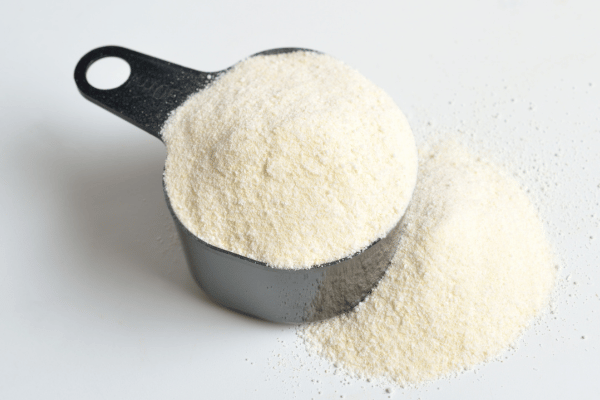
While Arrowroot is a popular thickening agent and gluten-free flour substitute, its relatively high carbohydrate content makes it less suitable for those following a ketogenic diet. Fortunately, several keto-friendly alternatives can be used in place of Arrowroot. Here are some of the best options:
Xanthan Gum
- Carb Content: Virtually zero carbs.
- Usage: Xanthan gum is a powerful thickener and stabilizer that requires only a small amount (usually 1/4 to 1/2 teaspoon) to thicken sauces, soups, and baked goods. It helps provide structure and consistency without adding carbs.
Guar Gum
- Carb Content: Very low, about 1 gram per teaspoon.
- Usage: Guar gum is similar to xanthan gum in its thickening properties. It’s derived from guar beans and is commonly used in keto recipes. Use it sparingly, as a little goes a long way.
Psyllium Husk
- Carb Content: About 1 gram of net carbs per tablespoon.
- Usage: Psyllium husk is high in soluble fiber, thickens liquids, and provides a bread-like texture in baking. It’s beneficial in keto bread and pastry recipes.
Almond Flour
- Carb Content: About 2 grams of net carbs per 1/4 cup.
- Usage: Almond flour is a popular low-carb flour substitute. It’s great for baking and can thicken soups and sauces when combined with other ingredients.
Coconut Flour
- Carb Content: About 2 grams of net carbs per 2 tablespoons.
- Usage: Coconut flour is highly absorbent and needs to be used in smaller quantities than other flour. It’s excellent for baking and can help thicken recipes with its high fiber content.
Ground Flaxseed
- Carb Content: About 0.2 grams of net carbs per tablespoon.
- Usage: Ground flaxseed can be a thickening agent and a great egg substitute in vegan recipes. It adds fiber and omega-3 fatty acids to your diet.
Chia Seeds
- Carb Content: About 1 gram of net carbs per tablespoon.
- Usage: When mixed with liquid, chia seeds form a gel-like consistency, making them perfect for thickening puddings, sauces, and smoothies. They are also high in fiber and healthy fats.
How to Use These Alternatives
- Thickening: When replacing Arrowroot in recipes that require thickening, start with a small amount of the alternative and gradually increase until the desired consistency is achieved. For example, one teaspoon of xanthan gum can replace one tablespoon of Arrowroot.
- Baking: Almond flour and coconut flour are often used to balance texture and moisture. Since coconut flour is highly absorbent, you may need to adjust the liquid content in your recipe.
- Binding: Psyllium husk, ground flaxseed, and chia seeds can act as binding agents, providing structure to baked goods and other recipes.
Frequently Asked Questions
Can Arrowroot Help with Skin Problems?
Arrowroot powder, due to its anti-inflammatory and healing properties, can be used topically to soothe skin irritations, rashes, and sunburns. It is often included in natural skincare products for its ability to absorb moisture and keep the skin dry.
Where Can I Buy Arrowroot Powder?
Arrowroot powder is widely available in grocery stores, health food stores, and online retailers. It is typically found in the baking aisle or with other gluten-free products.
Can Arrowroot be Used as a Substitute for Cornstarch?
Yes, Arrowroot can be used as a substitute for cornstarch. The general substitution ratio is 1:1, meaning if a recipe calls for one tablespoon of cornstarch, you can use one tablespoon of arrowroot powder instead. However, Arrowroot works best in recipes that do not require prolonged heating.
Final Thoughts
Arrowroot, a versatile and nutrient-rich root vegetable, has long been valued for its culinary and medicinal properties. However, its relatively high carbohydrate content poses a challenge when fitting into a ketogenic (keto) diet. Arrowroot powder contains approximately 13.39 grams of carbohydrates per 100 grams, which can be significant for those on a strict keto diet that typically limits daily carb intake to around 20-50 grams.
Despite its carb content, Arrowroot is somewhat off-limits for keto dieters. It can be used sparingly in small quantities in recipes that require a thickening agent without significantly impacting your carb intake. Additionally, combining Arrowroot with low-carb ingredients can help mitigate its carbohydrate load while achieving the desired texture and consistency in dishes.
Several keto-friendly alternatives are available for those who prefer to avoid Arrowroot entirely, including xanthan gum, guar gum, psyllium husk, almond flour, coconut flour, ground flaxseed, and chia seeds. These substitutes provide excellent thickening and binding properties with minimal carbs.
Arrowroot offers many nutritional benefits and culinary uses, but its high carbohydrate content makes it less suitable for a strict keto diet. However, with careful planning and portion control, small amounts can be incorporated without disrupting ketosis. Understanding its properties and managing its use can allow you to enjoy Arrowroot’s benefits within the framework of a ketogenic lifestyle.
Consider your overall dietary goals and carb limits when deciding whether to include Arrowroot in your meals. Doing so allows you to maintain the delicate balance needed to stay in ketosis while enjoying a diverse and satisfying diet.