

Learn About Its Carb Content, Nutritional Value, and How It Compares to Other Grains for Low-Carb, Keto-Friendly Options.
Is Buckwheat Keto Friendly?
❎ NO! Buckwheat isn’t keto-friendly due to its high carb content, with about 33g of net carbs per cup. For strict keto diets, it’s best to choose lower-carb alternatives like cauliflower rice or flaxseeds.
Many people classify buckwheat under grains, just like cracked wheat berries, although technically speaking, it is not a grain at all. Which begs the question: Is buckwheat keto friendly?
In this blog, we discuss how buckwheat fits into a low-carb lifestyle, how the net carbs stack up, and compare it to other low-carb grains.
We’ll also check out its nutritional profile regarding the essential amino acid content and how that compares to more processed foods. If you’re on keto and wondering if buckwheat belongs on your plate, this is the post you want to read.

Table of Contents:
- What is Buckwheat?
- The Basics of the Keto Diet
- Is Buckwheat Keto Friendly?
- Can You Include Buckwheat on a Low-Carb Diet?
- Keto-Friendly Alternatives to Buckwheat
- Buckwheat in a Cyclical Keto Diet (CKD)
- Final Thoughts
What is Buckwheat?
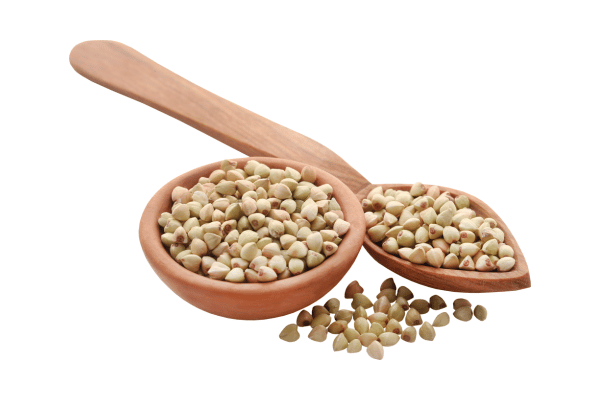
Buckwheat is often mistaken for a grain, but it’s a pseudograin—a seed from a plant that isn’t a true cereal grain like wheat or barley. Despite its name, buckwheat is unrelated to wheat, which can be confusing. It belongs to a plant family related to sorrel, knotweed, and rhubarb.
Originating in Southeast Asia, buckwheat has been cultivated for centuries. It is used in various traditional dishes worldwide, from soba noodles in Japan to kasha in Eastern Europe.
Nutritional Profile
Buckwheat is packed with nutrients, offering a good source of protein and essential amino acids, especially lysine, which is often lacking in other plant-based proteins. However, carbohydrate content is the key factor for those on a keto diet.
A typical 100-gram serving of raw buckwheat contains:
- Carbohydrates: 71.5 grams (with around 10 grams of fiber, bringing the net carbs to approximately 61.5 grams)
- Protein: 13.3 grams
- Fats: 3.4 grams
The high carb count makes buckwheat a challenge for strict keto followers, as it can quickly use up the small amount of carbs allowed on a keto plan. However, its nutritional richness, including fiber and protein, benefits those following a more flexible low-carb diet.
The Basics of the Keto Diet
The ketogenic (keto) diet is a high-fat, low-carbohydrate eating plan designed to shift the body into a state called ketosis. In ketosis, the body primarily burns fat for energy instead of relying on carbohydrates, which can lead to weight loss and other metabolic benefits.
The key to achieving and maintaining ketosis is minimizing carbohydrate intake while increasing fats to make up for most daily calories.
What Makes a Food Keto-Friendly?
For a food to be considered keto-friendly, it must be low in carbs and high in fat, as this combination helps maintain the body’s fat-burning mode.
Oils, fatty cuts of meat, cheese, and non-starchy vegetables are common on keto because they support this macronutrient balance. On the other hand, high-carb foods like bread, pasta, and even some grains can quickly throw the body out of ketosis.
Carb Limit for Ketosis
Most people on the keto diet aim to consume 20-50 grams of net carbs per day to stay in ketosis. This low limit forces the body to use fat as its primary energy source. Net carbs are calculated by subtracting fiber from the total carbohydrate content, as fiber doesn’t raise blood sugar levels.
Consuming too many carbs can halt ketosis, making it critical to monitor carbohydrate intake carefully, even when consuming foods like buckwheat, which might seem healthy but have high carb content.
Is Buckwheat Keto Friendly?
Carbohydrate Content
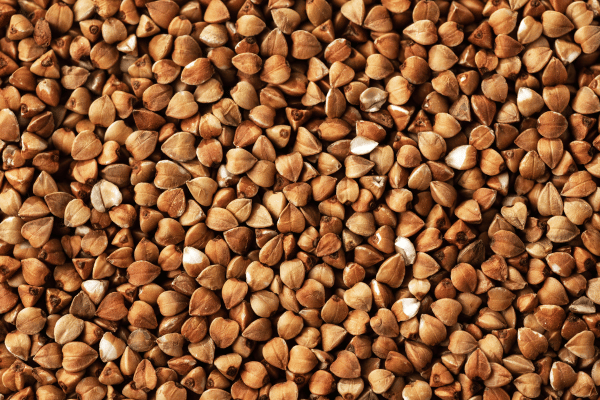
While buckwheat offers plenty of nutritional benefits, its carbohydrate content could be better for a ketogenic diet. A 100-gram serving of raw buckwheat contains around 71.5 grams of total carbohydrates, with approximately 10 grams of fiber. This brings the net carbs to about 61.5 grams.
Considering the keto diet allows only 20-50 grams of net carbs per day, consuming even a small portion of buckwheat can take up the majority or exceed your daily carb limit, making it difficult to maintain ketosis.
Glycemic Index
In addition to its high carb content, buckwheat has a moderate glycemic index (GI), which measures how quickly a food raises blood sugar levels. Buckwheat’s GI falls between 50 and 60, which can cause a moderate spike in blood sugar. For those on keto, maintaining stable blood sugar levels is critical for staying in ketosis, so foods with a lower glycemic index are usually preferred.
Verdict: Is Buckwheat Keto Friendly?
Although buckwheat is rich in nutrients like protein and fiber, it is not considered keto-friendly due to its high net carbohydrate content and moderate glycemic index.
For someone following a strict keto diet, consuming buckwheat would likely prevent the body from entering or maintaining ketosis. However, if you’re on a more flexible low-carb diet, small, controlled portions of buckwheat could be incorporated, but it’s not a staple for those adhering to a standard keto lifestyle.
Can You Include Buckwheat on a Low-Carb Diet?
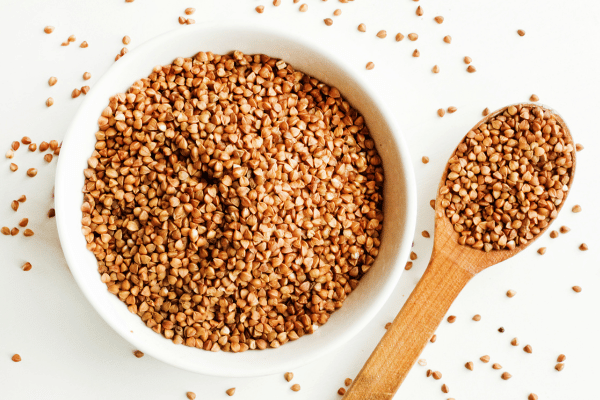
While buckwheat may not fit into a strict keto diet due to its high carbohydrate content, it can still be included in more flexible low-carb diets. These diets allow for a higher carb intake than keto but focus on minimizing carbs to maintain stable blood sugar levels and support weight management.
Moderate Use
Incorporating buckwheat in a low-carb diet requires careful consideration of portion size. For example, a half-cup serving of cooked buckwheat contains approximately 17-20 grams of net carbs, which is more manageable than the raw form. While this amount may still take up a significant portion of daily carb intake, it can be included occasionally as part of a balanced meal.
Buckwheat’s protein content and rich supply of essential amino acids make it an appealing choice for those seeking plant-based proteins. You can still benefit from its nutritional value without overloading on carbs by pairing smaller portions with other low-carb, high-fat foods.
Portion Control Tips
To minimize the impact of buckwheat on your carb intake, here are some practical tips:
- Watch Your Serving Size: Stick to small portions, such as a quarter or half cup of cooked buckwheat, to limit your carb intake while enjoying its texture and flavor.
- Combine with High-Fat Foods: Pair buckwheat with keto-friendly, high-fat options like avocado, cheese, or olive oil. This helps balance out your macronutrient ratio and keeps you feeling full for longer.
- Use as a Garnish: Instead of making buckwheat the main meal component, use it as a garnish or side dish. Add a spoonful to salads, soups, or vegetable dishes to enjoy the benefits without exceeding your carb limit.
- Mix with Lower-Carb Grains: Consider mixing buckwheat with lower-carb alternatives like cauliflower rice or shirataki noodles. This can help reduce the dish’s overall carb content while still providing the flavor and texture of buckwheat.
By following these tips, buckwheat can be occasionally enjoyed in a low-carb diet without derailing your efforts to manage carbohydrate intake.
Keto-Friendly Alternatives to Buckwheat
If you’re following a keto diet, finding alternatives to high-carb foods like buckwheat can help you stay on track while still enjoying hearty, satisfying meals. Luckily, several keto-friendly substitutes offer similar textures or uses but with a fraction of the carbohydrates. Here are some of the best alternatives for buckwheat that will keep your carb count low and your meals delicious.
Almond Flour

Almond flour is a versatile and popular low-carb alternative that works well in baking, cooking, and even as a breading for fried foods. Made from finely ground almonds, this flour is rich in healthy fats, protein, and fiber, making it ideal for the keto diet. With only 3 grams of net carbs per ¼ cup, almond flour can easily replace buckwheat in recipes for pancakes, bread, or baked goods. It has a mild flavor that complements sweet and savory dishes.
- Best Uses: Pancakes, muffins, bread, thickening sauces, coating meats
Coconut Flour
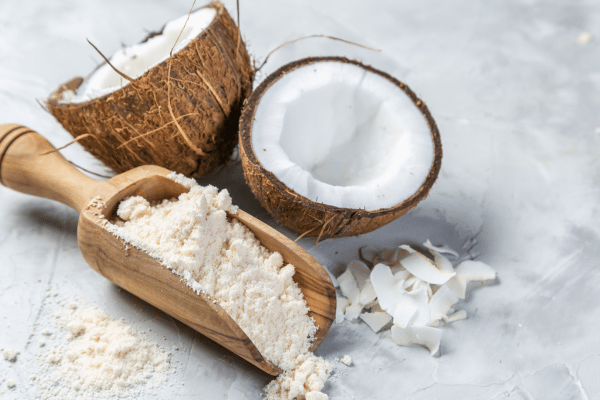
Coconut flour is another excellent alternative for those on a keto diet. With only 2 grams of net carbs per ¼ cup, it’s much lower in carbohydrates than buckwheat. Coconut flour absorbs more liquid than other flours, so you’ll need to adjust your recipes accordingly, but it adds a nice, slightly sweet flavor to baked goods. It’s also high in fiber, which can help digestion while keeping your carb intake in check.
- Best Uses: Baked goods, thickening soups or sauces, low-carb tortillas
Flaxseed Meal
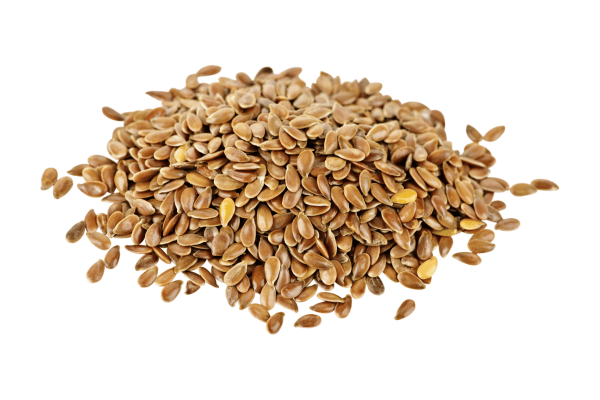
Flaxseed meal, made from ground flaxseeds, is another keto-friendly option with 1 gram of net carbs per tablespoon. It’s packed with omega-3 fatty acids, fiber, and protein, making it a nutritious substitute for buckwheat. Flaxseed meal can create a similar texture in baked goods or be used as a binding agent in keto recipes. It also adds a mild, nutty flavor to your dishes.
- Best Uses: Breads, muffins, keto crackers, smoothies
Chia Seeds
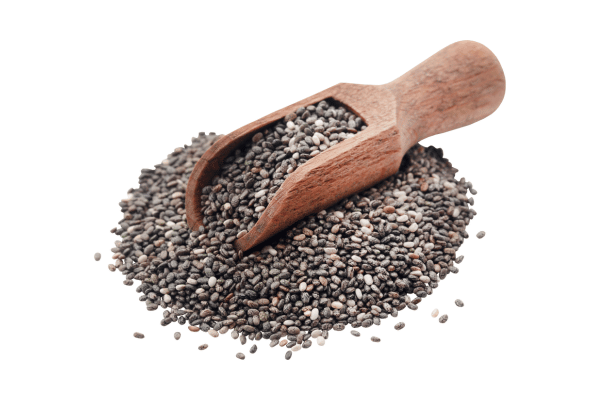
Chia seeds are a great low-carb, high-fiber alternative to buckwheat. With just 1-2 grams of net carbs per tablespoon, chia seeds can be used in many ways on a keto diet. When mixed with liquid, chia seeds form a gel-like consistency, making them great for puddings, thickening smoothies, or adding texture to baked goods. They are also rich in omega-3 fatty acids and antioxidants, offering numerous health benefits.
- Best Uses: Puddings, smoothies, thickening soups, egg replacement in baking
Hemp Seeds
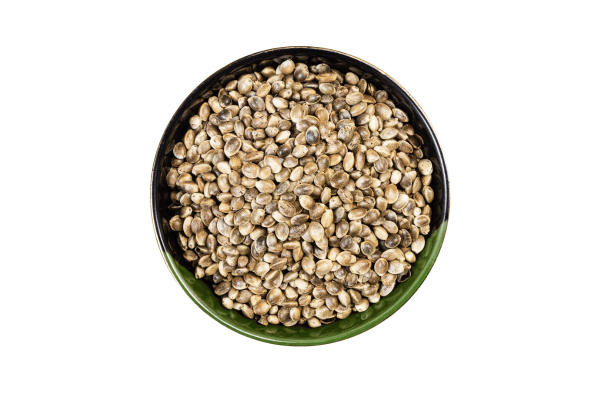
Hemp seeds are another nutrient-dense, low-carb alternative to buckwheat. With 1 gram of net carbs per 3 tablespoons, hemp seeds provide a hearty texture similar to buckwheat groats. They are rich in healthy fats, protein, and essential amino acids, making them a great addition to keto-friendly meals. You can sprinkle hemp seeds on salads, add them to smoothies, or use them in baking.
- Best Uses: Salad toppings, keto granola, protein shakes, baked goods
Cauliflower Rice
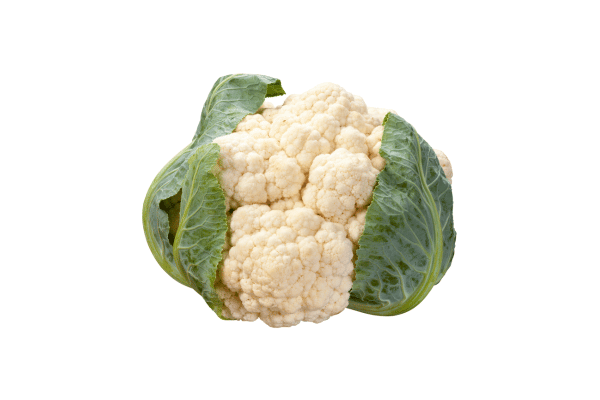
Cauliflower rice is a popular low-carb substitute for grains like buckwheat. Made from finely chopped or grated cauliflower, it has a similar texture to rice and can be used in stir-fries, salads, and side dishes. With only 2 grams of net carbs per cup, cauliflower rice is an excellent keto-friendly option that absorbs flavors well and can be seasoned to suit any dish.
- Best Uses: Stir-fries, grain-free bowls, side dishes, stuffed vegetables
Shirataki Noodles

Shirataki noodles, also known as “miracle noodles,” are made from the konjac plant and contain almost no carbohydrates. With less than 1 gram of net carbs per serving, they perfectly replace buckwheat in noodle dishes. Shirataki noodles have a similar texture to traditional pasta or soba noodles and can be used in soups, stir-fries, or sauces.
- Best Uses: Noodle bowls, soups, keto pasta dishes, stir-fries
Psyllium Husk
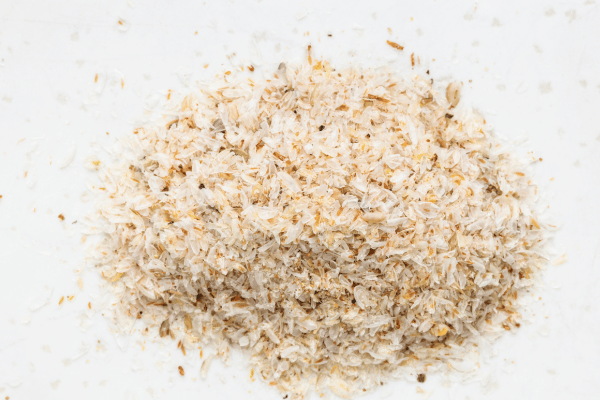
Psyllium husk is a great option for those looking to add bulk to recipes without adding many carbs. With almost zero net carbs, psyllium husk acts as a binding and thickening agent in keto-friendly recipes. It’s often combined with almond or coconut flour to improve the texture of baked goods.
- Best Uses: Keto bread, pizza crust, thickening soups or sauces
While buckwheat may not fit into a strict keto diet due to its high carbohydrate content, these keto-friendly alternatives offer similar textures, versatility, and nutritional benefits without the carb load. Whether baking, making a stir-fry, or preparing a hearty side dish, these low-carb options can help you stay on track with your keto goals while enjoying various meals.
Buckwheat in a Cyclical Keto Diet (CKD)
What is CKD?
The CKD is popular among athletes and those engaged in high-intensity workouts because it helps replenish glycogen stores in muscles without long-term interruptions to ketosis. A typical CKD cycle includes 5-6 days of strict keto eating, followed by 1-2 days of higher carbohydrate consumption.
When Buckwheat Can Be Consumed
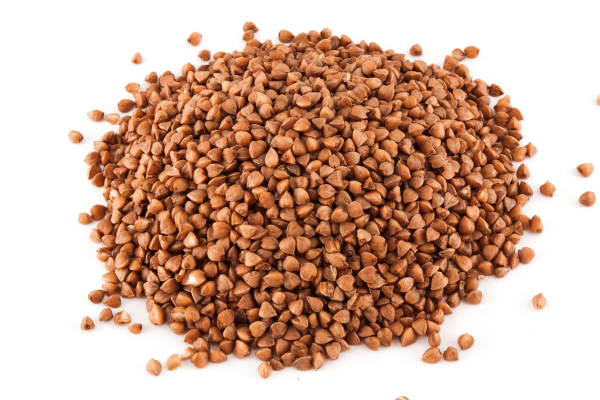
Buckwheat, with its higher carb content, can be incorporated into your diet during the carb-loading phase of the CKD. These days, the goal is to consume high-quality, nutrient-dense carbohydrates to refuel your body and enhance performance. Since buckwheat is rich in essential amino acids, fiber, and vitamins, it can be a valuable food choice for your refeed days.
- Ideal Portions: A half-cup serving of cooked buckwheat provides around 17-20 grams of net carbs, making it a manageable option when combined with other low-carb meals during your carb-loading phase.
- Best Uses: Use buckwheat in recipes like porridge and salads or as a side dish to pair with protein-rich foods for a balanced refeed day meal.
Returning to Ketosis After Carb Loading
After consuming buckwheat and other carbs during the refeed days, your body will shift temporarily out of ketosis. However, by returning to a low-carb, high-fat diet after the carb-loading phase, you can quickly resume ketosis. The key to success on CKD is balancing your carb intake with the right portion sizes and types of carbs, ensuring that foods like buckwheat are reserved specifically for refeed days rather than regular keto days.
While buckwheat isn’t keto-friendly on a standard ketogenic diet, it can be in the Cyclical Ketogenic Diet (CKD) during carb refeed days. Its rich nutritional profile and moderate glycemic index make it a good choice for replenishing glycogen stores and supporting physical activity, as long as it’s consumed within the structured framework of CKD.
Final Thoughts
Buckwheat presents a challenge in finding keto-friendly foods due to its high net carb content and moderate glycemic index. While it offers valuable nutrients like essential amino acids, fiber, and plant-based protein, its carbohydrate levels make it unsuitable for those following a strict ketogenic diet.
However, small, controlled portions of buckwheat can be incorporated during carb-loading days for individuals on more flexible low-carb diets or a Cyclical Ketogenic Diet (CKD).
If you’re committed to maintaining ketosis for your diet goals, monitoring your carb intake is key to deciding whether buckwheat fits your meal plan. Make smart choices and visit our website for more keto diet guides.