

Find the Answer to Your Question: Is Butter a Carbohydrate?
What is Butter Made Of?
👉 Butter primarily consists of saturated fats derived from cow’s milk. It is produced by churning milk to separate the fat from the liquid component. This process involves agitating the cream until the fat aggregates into a solid mass.
Are you curious whether butter is considered a carbohydrate? Let’s dive into this popular kitchen staple and uncover the truth.
Butter, a key ingredient in many dishes worldwide, is mainly made up of saturated fats. While it has been criticized in the past for its impact on health and weight, new research suggests that moderate butter consumption may not be as bad as we once thought.
Butter is also a rich source of fat-soluble vitamins, which are crucial for various bodily functions like supporting the immune system, maintaining bone health, and aiding in blood clotting. Additionally, butter contains a fatty acid that may offer health benefits.
Although butter is often considered unhealthy, it does have some health benefits. This article explores butter’s nutritional content, its pros and cons, and compares it to other popular choices, helping you make informed decisions about including butter in your diet.

Table of Contents
- How is Butter Made?
- Understanding Butter’s Composition
- Butter Nutrition Facts
- Health Effects of Butter
- Comparing Butter with Common Alternatives
- Frequently Asked Questions
- Final Thoughts
How is Butter Made?

Butter is created by churning milk or cream to separate fat from the liquid, known as buttermilk. This process involves mixing the cream until the fat clumps together, forming a solid mass. The butter is then washed and kneaded to achieve its creamy texture.
Cow’s milk butter is a natural source of tasty fat. It is loved for its rich taste and ability to make dishes taste better, whether savory or sweet. The quality of butter can change depending on the milk source.
Grass-fed butter is often praised for having more omega-3 fatty acids and vitamin K2, which are good for heart health and strong bones.
The process of churning milk or cream to produce butter is a traditional method that has been used for centuries. This age-old technique not only highlights the simplicity of butter production but also reflects its cultural significance across different cuisines.
From Indian cooking, where clarified butter or ghee is a staple, to French pastries that rely on butter for their flaky texture, butter is a beloved ingredient worldwide.
As butter remains popular in many forms, it’s important to consider its nutritional profile, including its vitamins and healthy fats.
Understanding Butter’s Composition
Is butter a carbohydrate? No, it is not. Butter is mostly made up of fats, which make up about 80% of it. This high-fat content is what gives butter its rich flavor and creamy texture. That’s why it is popular in cooking and often used as a spread.
The other 20% of butter is mainly water. It has very small amounts of protein and carbohydrates that are less than 1%. Butter is the concentrated fat from milk. It comes from separating milk parts by churning.

The Role of Fats in Butter
When examining butter’s fat content, you’ll find it consists of various fatty acids. Approximately 70% of its fat is saturated fats, which has sparked debate about its impact on health, particularly heart health.
However, it’s essential to note that not all saturated fats are equal. Their effects can vary depending on your overall health, diet, and lifestyle.
Another significant portion of butter’s fat content, around 25%, comes from monounsaturated fats. These fats are often referred to as “healthy fats” because they can support heart health. Additionally, butter contains a small amount of polyunsaturated fats, including omega-3 fatty acids.
What makes butter special is its fat composition, which includes short-chain fatty acids like butyric acid. This type of acid is mainly found in milk fat from animals like cows. It has been connected to possible anti-inflammatory benefits in the digestive system.
Vitamins and Minerals in Butter
Don’t think of butter as just a simple fat. Butter has unique vitamins that dissolve in fat, especially A, D, E, and K2. One tablespoon of butter gives you a good amount of vitamin A. It’s important for your vision, immune system, and cell growth.
Vitamin D in butter also aids in calcium absorption, promoting healthy bones. Additionally, vitamin E acts as a powerful antioxidant, protecting cells from free radical damage and supporting overall health.
Butter also contains vitamin K2. This nutrient may be lesser-known but is important for heart and bone health. These vitamins make butter much more than just a tasty spread.
Butter Nutrition Facts
Butter is not only tasty but also gives important vitamins and minerals. Still, it has a high number of calories, so it’s important to be careful about how much you use. A tablespoon of unsalted butter has around 102 calories, mainly from fat, which means it’s very calorie-rich.
One tablespoon of unsalted butter contains a mere 0.1 grams of carbohydrates, classifying it as a low-carb food option. It is predominantly composed of saturated fats, with over 7 grams present per serving, and is a rich source of fatty acids, boasting more than 400 unique types found in dairy butter.

According to the USDA, one tablespoon (14g) of unsalted butter contains:
- Calories: 100
- Total Fat: 11 grams
- Saturated Fat: 7 grams
- Monounsaturated Fat: 3 grams
- Polyunsaturated Fat: 0.43 grams
- Trans Fat: 0.47 grams
- Cholesterol: 30 mg
- Sodium: 0 mg
- Vitamin A: 400 IU
- Total Carbohydrate: Less than 1 gram
- Dietary Fiber: 0 grams
- Total Sugars: Less than 1 gram
- Protein: Less than 1 gram
This calorie density necessitates incorporating butter strategically into your diet for maximum enjoyment without overdoing it.
Health Effects of Butter
Butter is a source of healthy fats and can be part of a balanced diet when consumed in moderation. It may offer health benefits like reducing the risk of obesity, diabetes, and heart problems.
However, excessive intake can increase the risk of heart disease and cancer due to its high saturated fat content.
Opting for grass-fed butter may provide a healthier option, as it typically contains lower levels of saturated fats and more unsaturated fats than regular butter.
Benefits of Saturated Fats
Butter has been a hot topic in diet discussions, especially concerning heart health. Many people worry about its fat content, particularly saturated fat. This type of fat is believed to raise LDL (bad) cholesterol levels, which is linked to heart disease risk.
The connection between saturated fats and heart disease has been debated for a long time. The American Heart Association (AHA) advises reducing saturated fat intake to lower heart disease risk.
Some argue that saturated fats are essential for our body. These fats aid hormone production, strengthen cell membranes, and assist in nutrient absorption. Some studies have not shown a direct link between saturated fat intake and an increased risk of heart disease.
New research also points out that certain types of saturated fats found in butter, like short-chain fatty acids, may help reduce inflammation and support gut health.
Concerns Over Cholesterol Levels
One main worry about eating butter is how it might affect cholesterol levels. Cholesterol is important for heart health. Butter is high in saturated fat, which can raise LDL cholesterol, known as “bad” cholesterol. This may increase the risk of heart disease.
But it’s important to know not all LDL cholesterol is the same. Some studies say butter mainly affects larger LDL particles, which are less harmful. Other things, like refined carbs and trans fats, might be more linked to raising the smaller LDL particles that are strongly tied to heart disease.
Some research indicates that consuming full-fat dairy products, such as butter, might not negatively impact cholesterol levels and could even be beneficial when included in a balanced diet and healthy lifestyle. However, more research is necessary to fully understand this complex relationship.
Comparing Butter with Common Alternatives
Margarine is often seen as a heart-healthy choice instead of butter. It is usually made from vegetable oils, which means it has less saturated fat and cholesterol. But, many margarines are heavily processed and might contain harmful trans fats that are bad for heart health.
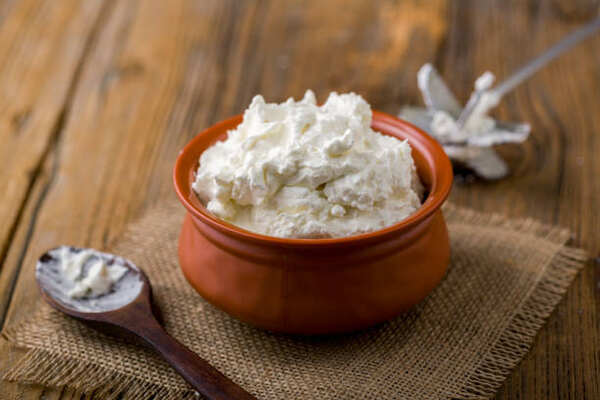
Whipped butter is made by adding air to regular butter, making it lighter and increasing its volume. This makes it great for spreading, as it’s easier to apply than regular butter. However, it’s not ideal for baking or cooking because its different density can affect the results.
There are also dairy-free options for those with dietary restrictions. These include plant-based butter alternatives made from coconut oil, avocado oil, or apple butter. The best choice depends on your personal needs and priorities.

Butter vs. Margarine: What’s Healthier?
Margarine was developed as a “healthier” alternative to butter, offering less saturated fat and often fortified with vitamins. However, trans fats in margarine can raise cholesterol levels.
The good news is that many margarine producers have updated their recipes to eliminate trans fats and include polyunsaturated fats. These “good” fats can support heart health. While butter has more saturated fat, it typically doesn’t contain trans fats.
In the end, which is healthier, butter or margarine, depends on what you need and like:
- Choose margarine if: you want a spread that has fewer calories and less saturated fat. Look for trans-fat-free options.
- Choose butter if: you want something natural with a rich taste and do not worry too much about saturated fat intake.
Exploring Dairy-Free Butter Substitutes
For people who follow a vegan diet, have a dairy allergy, or want to try plant-based options, there are many dairy-free butter choices. Each has its own taste and nutrition. Here are some popular options:
- Coconut oil: This is a flexible choice. It becomes solid at room temperature, which makes it good for baking and cooking. It is high in saturated fats, especially medium-chain triglycerides (MCTs), which could have health benefits.
- Avocado oil: This oil is made from pressed avocados. It has a neutral taste, so it’s great for cooking and baking. Avocado oil has healthy monounsaturated fats, particularly oleic acid, which can support heart health.
- Nut butters: Almond butter, cashew butter, and peanut butter can be blended until smooth and used as spreads or in recipes. These nut butters are rich in healthy fats, fiber, and protein. However, they’re also higher in calories, so it’s wise to use them sparingly.

Frequently Asked Questions
Can Butter Fit into a Low-Carb Diet?
Sure! Butter has almost no carbs, which makes it popular for people on low-carb or ketogenic diets. It is a great source of fat. You can enjoy it, but make sure to do so in moderation to keep your carbohydrate intake low.
What is the Healthiest Butter to Eat?
Grass-fed butter is the best choice. It has more heart-healthy omega-3s, conjugated linoleic acid (CLA), and other good nutrients than regular butter. This makes it a healthier option.
Final Thoughts
Butter is not a carbohydrate, but rather a source of saturated fats and healthy fatty acids. Understanding the nutritional value and health effects of butter can help individuals make informed choices about their diet and lifestyle.
While butter can be part of a balanced diet, excessive consumption can have negative health effects. Choosing grass-fed butter and consuming butter in moderation can help minimize the risks associated with saturated fat intake.
Eating it in moderation can provide benefits like essential vitamins and minerals. However, watch your calorie intake and consider healthier options that fit your diet
Understanding what’s in butter can guide you to smarter health choices. Explore different butter options and substitutes to find the best fit for your health goals and taste preferences. Enjoy experimenting with flavors while keeping your diet balanced!