

Discover if Canned Chicken is a Nutritious Choice for Your Lifestyle
Can You Include Canned Chicken in a Healthy Diet?
✅ YES! Canned chicken is popular because it is easy to use and has a long shelf life. It is a quick and easy way to get protein, especially when you are busy or need a fast meal.
Wondering if canned chicken is healthy? Canned chicken is a convenient protein source for busy individuals, but it often contains added salt and preservatives, which can be unhealthy in excess. Compared to fresh chicken, canned varieties typically have less protein and more sodium.
To make healthier choices, check the ingredient list and pick low-sodium brands. Additives, the canning process, and whether the chicken is white or dark meat affect quality, so reading labels is important.
While canned chicken works well in dishes like buffalo chicken dip or chicken noodle soup, it’s best to eat it in moderation along with fresh, lean protein options.
So is canned chicken healthy? Although processed, it can fit into a healthy diet if chosen wisely. Pay attention to its nutritional content, especially sodium and preservatives. Selecting the right varieties helps keep meals healthy and offers a convenient protein source for quick meals.

Table of Contents
- Is Canned Chicken Healthy?
- Canned Chicken Nutrition
- Comparing Canned to Fresh Chicken
- Health Benefits and Concerns of Canned Chicken
- Frequently Asked Questions
- Final Thoughts
Is Canned Chicken Healthy?
Canned chicken is handy to use and gives you protein. But, how healthy it is comes down to what is in it and how it’s made.
You have to think about things like the amount of salt, extra stuff put in, and any added chemicals that can change its nutritional value and what it does to your health.
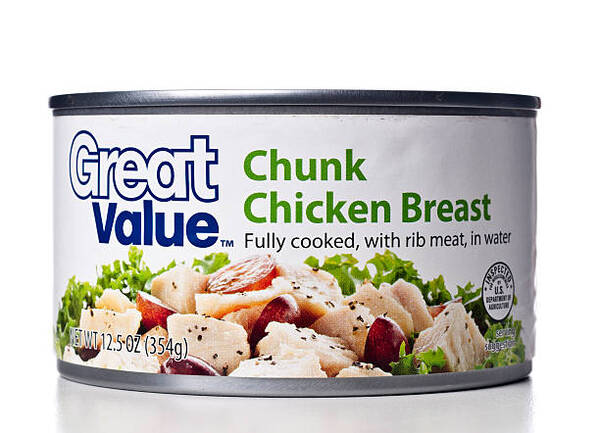
What Is Canned Chicken and How Is It Made?
Canned chicken is chicken that has been cooked and put in a can to keep it fresh. The chicken is cooked well. Then, it goes into a can with water or broth.
After that, they heat the can to kill all bacteria. This way, the canned chicken is safe to eat and has a long shelf life.
Common Ingredients and Additives to Watch For
Understanding what is in canned chicken is important to make better food choices. Many brands add sodium phosphate to keep the chicken moist, but this can increase the sodium content. Some also use preservatives to make the chicken last longer, which might have health risks.
When you look at the ingredients list, pay attention to whether it is white chicken or dark meat. This matters. These types can change the nutritional value a lot.
Pick the chicken that fits best into your nutritious diet. So, when you shop, try to buy brands that focus on good quality. This helps you get the most from your food.
Canned Chicken Nutrition
Canned chicken is a good source of protein, giving you about 20-25 grams per serving. It usually comes from lean parts like chicken breast, but sometimes includes dark meat too.
However, it can have a lot of salt, sometimes over 800 milligrams in one serving. It may also contain additives like sodium phosphate. Always check the ingredients to know what’s inside and make healthier choices.

Macronutrient Breakdown: Protein, Fat & Carbs
Chicken breast fillet in can is a great source of protein, with most brands providing about 20 to 25 grams per serving.
The fat content varies by brand, usually between 5 and 10 grams, and there are lean options available for those who want to eat healthier.
Carbohydrates are very low, usually less than 1 gram per serving. This makes canned chicken a good choice if you want more protein and less fat in your diet.
Sodium, Preservatives, and Other Key Nutritional Differences
Chicken in can often has a lot of salt, sometimes up to 700 milligrams per serving. Eating too much salt can lead to high blood pressure or heart problems.
Most canned chicken products also have preservatives like sodium phosphate to keep the chicken fresh and stop bacteria from growing.
It’s important to check the ingredients before buying. Comparing canned with fresh chicken can help you make the best choice for your diet and taste.
Comparing Canned to Fresh Chicken
Chicken in can is a good option when you need something fast instead of fresh chicken. But there are some big differences in what you get from each.
Fresh chicken typically goes from the farm to the grocery store and then to your oven. Canned chicken is cooked and sealed in a can using high heat to avoid bacteria growth.
Canned chicken breast provides lean protein, but the canning process often adds extra salt and preservatives. Fresh chicken, especially skinless breast, offers the best nutritional value.
If you want to save time but eat well, it helps to learn about different canned chicken varieties. This way, you can make good choices that balance both health and convenience.

Major Nutritional Differences
Canned chicken is different from fresh chicken in nutrition. It often has added sodium phosphate, which raises the salt content. This can be a problem for people with high blood pressure.
One serving of chicken in can contains about 25 grams of protein. However, the canning process can reduce some vitamins and overall nutritional value. Fresh chicken breast is usually a healthier and cleaner option.
There are not as many extra things added. This makes fresh chicken a better part of a nutritious diet. If you want good nutritional value without high sodium phosphate, fresh chicken breast is a good pick.
Effects on Health and Body
Eating chicken from a can offers convenience, but it is important to know how it may affect your health. It gives you a great source of protein, with about 25 grams in one serving. But, you need to watch out for sodium in it.
Some chicken brands have a lot of salt, which can increase the risk of high blood pressure and heart disease. There are also additives in canned chicken that might cause problems, especially for those sensitive to them.
If you choose canned chicken with less sodium, you can lower these risks. Using it in a good way can help you keep a nutritious diet.
Health Benefits and Concerns of Canned Chicken
Canned chicken is very convenient because it’s easy to store and lasts a long time. It provides a good amount of protein in each serving.
This helps you keep a nutritious diet. But, you need to watch out for the sodium content and things like sodium phosphate. These can be bad for your health, especially if you have high blood pressure or heart disease.
Because of this, it is good to use canned chicken in moderation. Always look at the ingredients list before you buy or use it.

Pros: Convenience, Shelf Life, and Dietary Considerations
Canned chicken is convenient because you can easily grab it from the shelf and add it to your meal. Even if it’s been stored for a long time, it usually stays safe to eat thanks to its long shelf life. This makes it great for meal planning and keeping extra food on hand.
There are different types of canned chicken, such as white meat and dark meat. You can use them in many delicious recipes like chicken noodle soup or buffalo chicken dip. These options help you enjoy a variety of meals for lunch and dinner.
Chicken is one of the most versatile canned meats around. Beyond a tuna substitute, it’s a crave-worthy addition to salads, casseroles, chicken noodle soup, stir-fries, and more.
If you want to lose weight or just eat well, lean chicken can help. It has high protein, so it supports weight loss and helps you stay on a nutritious diet, even if you are busy.
Cons: Sodium, Additives, and Health Risks
Like canned beans, tomatoes, and other canned meats, chicken in cans might not be the healthiest option because it often contains a lot of additives.
Some varieties contain sodium phosphate and other additives like modified food starch to keep it fresh and shelf-stable. These additives can reduce the nutritional value of just chicken. Too much sodium can raise your blood pressure and increase the risk of heart disease.
If you rely more on canned foods and less on other fresh, lean meats and vegetables, you may miss out on what you need for a nutritious diet.
Frequently Asked Questions
Are There Healthier Brands or Types of Canned Chicken?
When choosing canned chicken, look for organic or free-range options with few added ingredients. Pick brands labeled low-sodium or no preservatives for a healthier choice compared to typical factory-farmed chicken.
Is Canned Chicken Suitable for Weight Loss or Dieting?
Canned chicken can support weight loss because it provides protein with fewer calories. However, watch out for the amount of salt and other additives. When including it in your diet, be mindful of portion sizes. It’s best to eat it along with fresh vegetables or grains to get balanced nutrition.
Does Rinsing Chicken Reduce Sodium or Preservatives?
Rinsing canned chicken can help get rid of some salt. This is because it washes away the liquid around the meat. But it may not take out all the things added to keep the chicken fresh, as some can stay in the meat itself. Always check the label to see what is in it. Look for the amount of salt and other things added.
Final Thoughts
Canned chicken is an easy way to add protein to your meals, like chicken soup or buffalo chicken dip. But be careful of the salt and other additives it may contain, as too much can affect your heart health.
Choosing well-known brands can give you better nutrition and lower health risks compared to cheaper options. Checking the ingredient list carefully helps you make smarter food choices for your diet.
When choosing canned chicken, look for options packed in water or natural juices instead of salty sauces. Organic or free-range varieties usually have fewer added preservatives.
Use chicken with fresh vegetables and whole grains for a healthy eating plan. Remember to eat it in moderation and vary your protein sources for better overall health.