

Your Complete Keto Sweetener Guide: Is Coconut Sugar Keto or Not Really
Is There a Keto-Friendly Coconut Sugar Variety?
❎ NO! There isn’t a keto-friendly variety of coconut sugar because it’s still high in carbs and has a glycemic index similar to regular sugar. Even though it’s marketed as natural, it can quickly raise blood sugar levels and interfere with ketosis. For a true keto-friendly option, use low-carb sweeteners like stevia, monk fruit, or erythritol instead.
Are you following a ketogenic diet and wondering about your sweetener options? You’ve likely heard about coconut sugar and its reputation as a “healthier” choice compared to regular sugar. Many people wonder if coconut sugar works with a low-carb diet.
Coconut sugar is not suitable for the keto diet because it contains a high amount of carbohydrates, with a single teaspoon having approximately 4 grams of net carbs, all from simple sugars. This can elevate blood sugar levels and disrupt the ketosis process.
Currently, there are no versions of coconut sugar considered suitable for a keto diet, as even alternative forms or blends still contain enough simple sugars to impact blood sugar and exceed typical keto carbohydrate limits.
Although it has a lower glycemic index than regular sugar, it still adversely affects a ketogenic lifestyle. Instead, consider using keto sweeteners like stevia, monk fruit, erythritol, and allulose, which offer sweetness without the added carbs or calories.
In this guide, we’ll break down everything you need to know about coconut sugar, from its nutritional benefits to how it affects ketosis. Our goal is to help you make smart choices that align with your health goals!
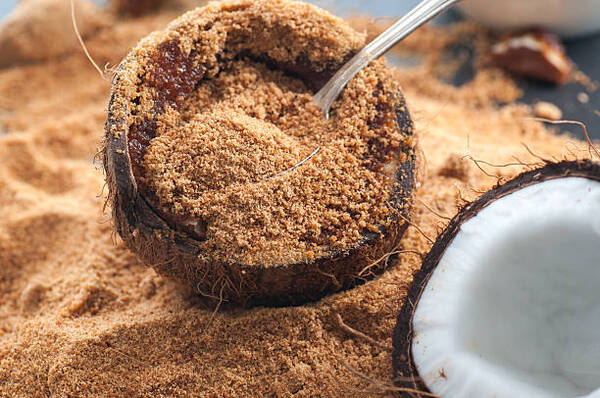
Table of Contents
- Understanding Coconut Sugar
- The Basics of the Keto Diet
- Carb Content in Coconut Sugar
- Is Coconut Sugar Keto-Friendly?
- Keto Sugar Alternatives
- Comparing Coconut Sugar to Keto Sweeteners
- Frequently Asked Questions
- Final Thoughts
Understanding Coconut Sugar
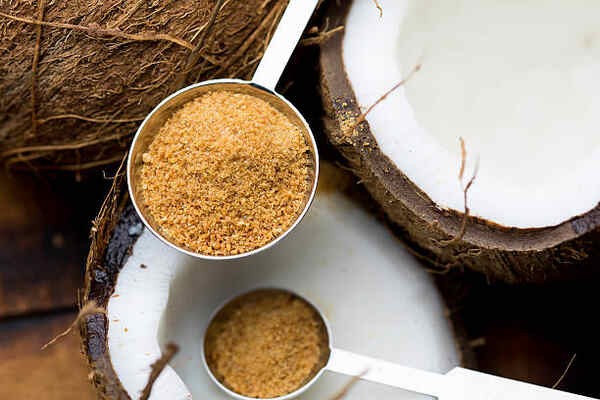
Coconut sugar is a natural sweetener derived from the sap of the coconut palm tree. Often called coconut palm sugar, it has become a popular alternative to processed white sugar over the last few years. Many people are drawn to its unrefined nature and unique flavor.
You can use it just as you would use regular sugar, whether it’s in your morning coffee, baked goods, or even savory meals. While it might offer a slightly better nutritional profile than table sugar, it’s important to understand its composition before adding it to your diet.
Production Process of Coconut Sugar
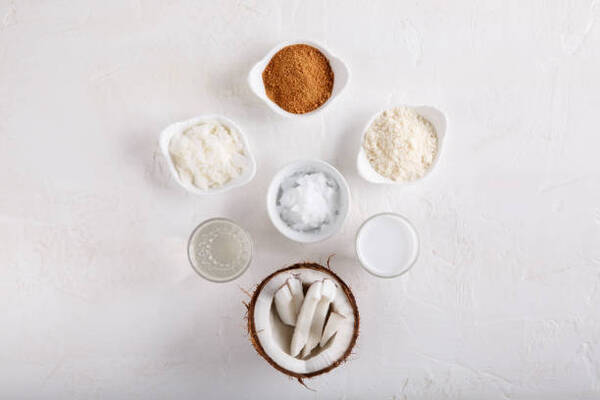
The creation of coconut sugar is a fascinating and traditional process. It all begins with the sap of coconut palm trees. Harvesters cut the blooms of the flowers of the coconut palm, which allows the liquid sap to drip out into containers.
Once enough of the coconut palm sap is collected, it is transferred to large woks and heated. This heating process evaporates the water content, transforming the liquid into a thick, brown syrup. The syrup is then allowed to cool and crystallize.
Finally, the crystallized substance is broken down into granules that resemble brown sugar. This end product is the coconut palm sugar you see on store shelves.
It undergoes less processing than table sugar, which is one reason it appeals to those seeking more natural food options.
Nutritional Profile of Coconut Sugar
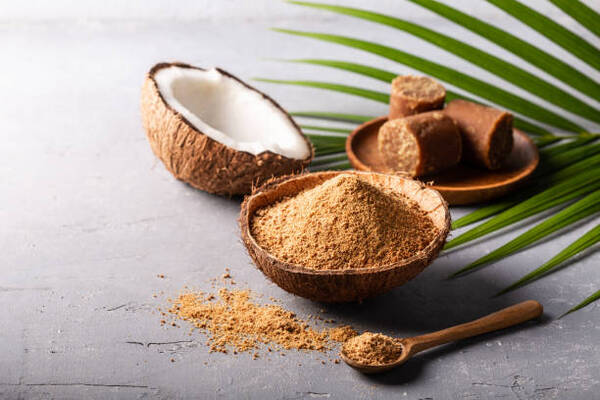
When you look at the nutritional profile of coconut sugar, you’ll find it’s almost entirely composed of carbohydrates.
A single teaspoon (about 4 grams) contains 15 calories and 4 grams of carbs, all of which are simple sugars. Unlike some other plant-based foods, it contains zero fiber, fat, or protein.
While it’s true that coconut sugar contains trace amounts of micronutrients like iron, potassium, calcium, and even vitamin C, the quantities are very small. You would need to consume a very large and unhealthy amount of it to see any real nutritional benefit.
Coconut sugar has a caramel-like flavor that is often likened to brown sugar, and nutritionally, they are quite similar. Although coconut sugar has a lower glycemic index, it can still raise your blood sugar levels.
The Basics of the Keto Diet
The ketogenic diet is a low-carb, high-fat eating plan that aims to shift your body into a metabolic state called ketosis, where it burns fat for energy instead of carbohydrates.
To achieve this, you must significantly reduce your carbohydrate intake, typically to around 20-50 grams per day. Understanding how this diet works and why carb limits are so important is the first step to success.
Let’s look closer at the mechanisms behind ketosis and the sweeteners that can fit into this lifestyle.

How the Keto Diet Works
The keto diet works by putting your body into ketosis, a state where it burns fat for energy instead of carbs. When you eat very few carbs, your glucose stores drop and insulin levels fall. Your liver then converts fat into ketones, which fuel your brain and body.
This shift boosts fat burning, promotes weight loss, stabilizes energy, and reduces hunger. To stay in ketosis, you must keep carbs low; eating too many will return your body to burning glucose instead of fat.
Carb Limits and Why They Matter
On a ketogenic diet, strictly limiting carbs, typically to 20–50 grams of net carbs per day, is essential to stay in ketosis. Even slight carb excess can raise blood sugar and insulin, stopping ketone production and halting fat burning.
Carefully tracking your carb intake is crucial because maintaining ketosis depends on staying within your limit so your body keeps burning fat.
Consuming fewer carbs also supports stable blood sugar, preventing spikes and crashes. Additionally, low insulin levels allow your body to access stored fat for energy.
Carb Content in Coconut Sugar
The carb content in coconut sugar is the primary reason it doesn’t work for a keto lifestyle. A single teaspoon contains around 4 grams of carbohydrates.
Since it has no fiber, all of those carbs are net carbs in the form of simple sugars that your body will absorb quickly. For anyone on a strict keto diet, these 4 grams of sugar are enough to disrupt ketosis.
Comparing Coconut Sugar to Table Sugar
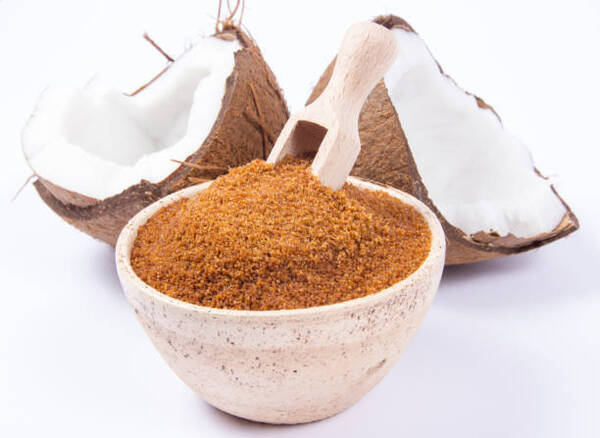
At a glance, coconut sugar and table sugar seem quite different. Coconut sugar has a brownish color and a caramel-like flavor, often compared to brown sugar, while white sugar is highly refined and neutral in taste. However, when you look at their nutritional makeup, they are surprisingly similar.
Both sweeteners are primarily composed of sucrose, which means they have a nearly identical carb content. The main difference lies in the processing; coconut sugar is less refined than white sugar, which allows it to retain some trace minerals.
To compare, coconut sugar is made from the sap of coconut palm trees and contains about 4 grams of carbs per teaspoon, with a glycemic index ranging from approximately 35 to 50.
Table sugar, or white sugar, is sourced from sugar cane or sugar beets, also provides about 4 grams of carbs per teaspoon, and has a higher GI of roughly 60 to 65. Coconut sugar is minimally processed and unrefined, while table sugar is highly refined and bleached.
Ultimately, neither is a good choice for a keto diet due to their high carb content and impact on blood sugar.
How Many Net Carbs Are in Coconut Sugar?
When you follow a keto diet, the number of net carbs is very important. You find net carbs by taking the total carbs in food and then removing the fiber grams. Net carbs show how many carbs your body can use for energy.
With coconut sugar, it is easy to figure out net carbs. One teaspoon of coconut sugar has about 4 grams of total carbs. With zero dietary fiber, its net carb amount is 4 grams. Each gram of coconut sugar raises your blood sugar.
Most people on keto eat only 20 to 50 grams of carbs a day. Just one or two teaspoons of coconut sugar can take a big part of your daily limit. This makes adding coconut sugar to your food tough if you want to stay in ketosis.
Is Coconut Sugar Keto-Friendly?
So, let’s get straight to the point: is coconut sugar keto-friendly? The answer is a clear no. Because it is made almost entirely of sugar, its high carbohydrate content makes it unsuitable for a ketogenic diet.
Consuming it will raise your blood sugar levels and spike insulin, which is the exact opposite of what you want to achieve on keto. Even a small serving can easily push you over your daily carb intake limit and prevent your body from entering or maintaining ketosis.
To learn more about how it affects your body on a low-carb plan, we can explore its direct impact on ketosis and why it’s not recommended.
The Impact of Coconut Sugar on Ketosis
Consuming coconut sugar has a direct and negative impact on ketosis. When you eat it, your body breaks down the sugars into glucose, which enters your bloodstream. This sudden availability of glucose causes your blood sugar to rise, triggering a release of insulin.
Insulin moves glucose from your blood into your cells for energy. As long as glucose is present, your body will prioritize using it for fuel. This means it will immediately stop producing and using ketones from fat. In short, eating coconut sugar effectively hits the “pause” button on your low-carb diet.
Even a small amount can be enough to knock you out of this delicate metabolic state. Re-entering ketosis can take several days of strict low-carb eating, making sweeteners like coconut sugar a risky choice that can derail your progress.
Why Coconut Sugar Is Not Keto
Despite being marketed as a “natural” alternative, coconut sugar is firmly on the “avoid” list for the keto diet. The reasons are straightforward and all trace back to its chemical composition. It simply doesn’t align with the principles of a very low-carb eating plan.
The primary issue is its high carbohydrate content. Since the goal of the ketogenic diet is to minimize carb intake to promote ketosis, any food high in sugar is counterproductive. Even though it has a lower GI than table sugar, it still causes a significant enough spike in blood sugar to interfere with fat burning.
Coconut sugar is not recommended because it contains 4 grams of net carbs per teaspoon, which can quickly add up. It also raises blood glucose and insulin levels enough to halt ketosis. At its core, coconut sugar is still about 70-80% sucrose, making it very similar to regular sugar.
Keto Sugar Alternatives
Exploring various sugar alternatives can help those on a keto diet satisfy their sweet tooth without compromising their health goals.
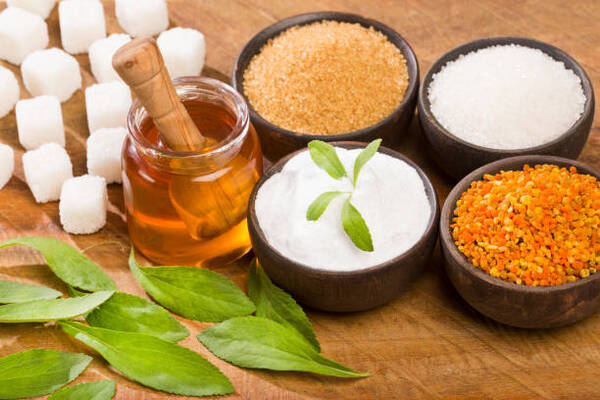
Natural keto sweeteners like monk fruit and stevia rebaudiana plant stand out due to their low glycemic index, making them perfect for maintaining stable blood sugar levels.
Additionally, sugar alcohols offer a sweet taste with fewer net carbs, while options like agave nectar and maple syrup should be approached cautiously due to their higher carbohydrate content.
Best Keto Sweeteners (Stevia, Monk Fruit, Erythritol, Allulose)
If you need a sweet fix on keto, there are several fantastic low-carb keto sweeteners to choose from. These sugar alternatives have a low GI, meaning they won’t spike your blood sugar.
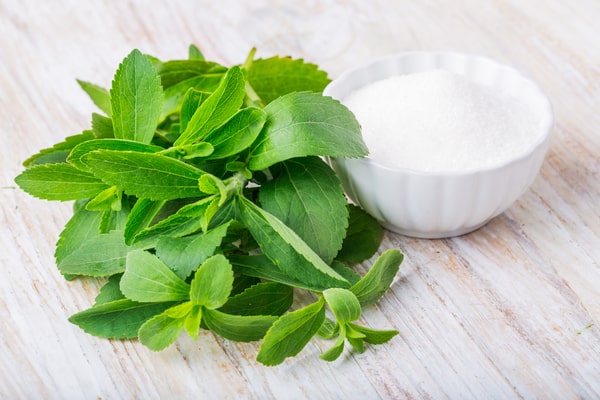
Stevia, derived from the Stevia rebaudiana plant, and monk fruit are two of the most popular natural keto sweeteners. Both contain zero calories and zero carbs, and they are significantly sweeter than sugar, so a little goes a long way.
Allulose is another great option. It’s a rare sugar that the body doesn’t metabolize, so it doesn’t affect blood glucose.
Erythritol is a type of keto sugar alcohol that is also well-suited for keto. Your body can’t digest erythritol, so it passes through without raising blood sugar, and it contains minimal calories with no impact on blood sugar.

Tips for Baking & Cooking with Keto Sweeteners
Using keto sweeteners in your baking and cooking can be a game-changer for satisfying your sweet tooth, but it helps to know a few tips. Not all keto sweeteners behave the same way as sugar, so a bit of experimentation might be needed.
For example, stevia and monk fruit sweetener are much sweeter than sugar, so you’ll need to use less. Erythritol is about 70% as sweet as sugar, so you may need to use a little more. Blends of these sweeteners are often available and can provide a more balanced taste and better texture in baking.
Keep these points in mind:
Check Sweetness Levels: Always read the packaging to see how the sweetener compares to sugar.
Start Small: It’s easier to add more sweetness than to take it away.
Be Mindful of Sugar Alcohols: Consuming large amounts of some sugar alcohols can cause digestive issues for some people, so use them in moderation.
Look for Blends: Many products combine monk fruit and erythritol for optimal taste and performance in low-carb baking.
Comparing Coconut Sugar to Keto Sweeteners
When you place coconut sugar side-by-side with keto sweeteners, the differences are stark. Coconut sugar is a carbohydrate-based natural sweetener that directly impacts blood sugar levels, similar to brown sugar. Its glycemic index, while lower than table sugar, is still high enough to disrupt a keto diet.
In contrast, keto sugar alternatives like stevia and monk fruit are designed to provide sweetness without affecting your blood sugar. They have a GI of zero.
Differences in Taste, Texture, and Cooking Performance
One of the main appeals of coconut sugar is its unique taste and texture. It has a rich, caramel-like, or tropical flavor that works well as a substitute for brown sugar in many recipes. It also provides bulk and moisture, contributing to the final texture of baked goods.
Keto sweeteners, on the other hand, vary widely. Some, like pure stevia, can have a slightly bitter aftertaste if you use too much.
Erythritol can sometimes have a cooling sensation on the tongue. Blends of monk fruit and erythritol often provide the most neutral, sugar-like taste and are excellent for all-purpose cooking and baking.
Here’s a quick look at the differences:
Taste: Coconut sugar offers a warm, caramel flavor, whereas keto sweeteners aim to mimic the neutral taste of white sugar, though some may have aftertastes.
Texture: Coconut sugar adds moisture and a soft texture. Some keto sweeteners, like erythritol, can crystallize when cooled, affecting the final texture.
Cooking Performance: Coconut sugar caramelizes like regular sugar, a property most keto sweeteners lack.
Frequently Asked Questions
Can You Use Coconut Sugar in Keto Baking?
No, you should not use coconut sugar in keto baking. Its high net carb content will raise your blood sugar and disrupt ketosis. For successful ketogenic diet baking, it’s best to use a zero-carb sweetener like erythritol, stevia, or monk fruit to keep your recipes low-carb and keto-friendly.
Are there Any Versions of Coconut Sugar that Work for Keto?
Unfortunately, there are no versions of coconut sugar that are suitable for the keto diet. Whether it’s labeled as coconut palm sugar or something else, it is naturally high in sugar and carbs. To stay in ketosis, you will need to choose one of the recommended low-carb sugar alternatives instead.
Does Organic Coconut Sugar Differ Nutritionally for Keto Diets?
No, organic coconut sugar has the same nutritional profile as its non-organic counterpart. The “organic” label refers to farming practices, not the sugar content. It is still high in carbs and will raise your blood sugar, making it unsuitable for a keto diet, despite its lower GI compared to table sugar.
Final Thoughts
In the end, the answer to “Is coconut sugar keto?” is a firm no. While it may be a more natural sweetener than refined table sugar, its high carbohydrate content makes it incompatible with a low-carb, ketogenic lifestyle.
Thankfully, you don’t have to sacrifice sweetness. By choosing smart keto sugar alternatives like stevia, monk fruit, or erythritol, you can enjoy your favorite treats and drinks while staying successfully on your keto journey.
Make sure to use keto sweeteners in moderation and listen to your body. With mindful choices, you can satisfy your sweet tooth and stay on track with your keto goals!