

Learn How to Enjoy this Mediterranean Favorite on a Keto Diet with Low-Carb Ingredient Swaps, Tips for Baking Instead of Frying, and More.
Is Falafel Keto Friendly?
❎ NO! Traditional falafel, made from chickpeas, is high in carbs, making it unsuitable for a strict keto diet. However, by using low-carb alternatives like almond flour or cauliflower, you can create a keto-friendly version.
Falafel is a popular Middle Eastern dish that’s ingeniously crispy on the outside and packed with flavor inside. But for anyone leading a ketogenic life, one may wonder: is it possible to have this tasty treat?
Traditional falafel is made with chickpeas and thus pretty dense in carbs, which makes them less than ideal for keto. However, by tweaking them here and there, you’ll have low-carb falafel to suit your meal plans.
In this post, we shall see if falafel can ever be keto-friendly while sharing a super easy keto falafel recipe that tastes as good as the original.
You will use a food processor to combine ingredients like almond flour, olive oil, and spices to create a tasty alternative with low net carbs. For serving, we note keto-friendly toppings like tahini sauce and a squeeze of lemon juice that bring out the flavor.
Ditch the carb-laden falafel for this keto version, which retains all the flavors you love without the guilt!

Table of Contents:
- What is Falafel?
- Is Falafel Keto Friendly?
- Low-Carb Alternatives to Traditional Falafel
- Keto Falafel Recipe
- Alternative Ingredients for Keto Falafel
- Best Keto Sides to Serve with Falafel
- Tips for Sticking to Keto While Enjoying Falafel
- Frequently Asked Questions
- Final Thoughts
What is Falafel?
History and Origin
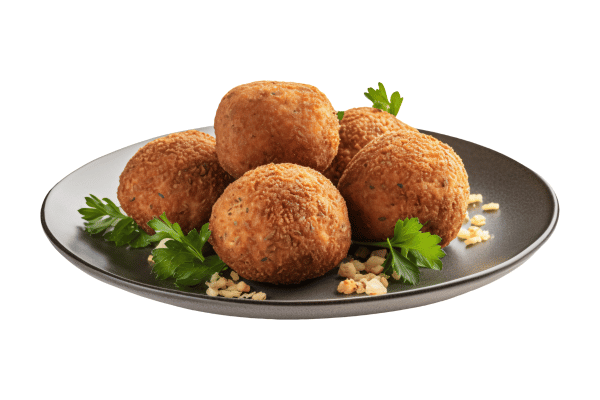
Falafel is a traditional Middle Eastern dish with deep roots in Middle Eastern cuisine. It is believed to have originated in Egypt before spreading throughout the region. Originally made from fava beans, falafel evolved as it traveled to different cultures, with chickpeas becoming the most common base in countries like Israel, Lebanon, and Syria.
It’s typically served in pita bread or on a platter with salad and sauces, making it a popular street food loved for its unique texture and bold flavors.
Ingredients in Traditional Falafel
The classic falafel recipe consists of simple yet flavorful ingredients. The primary component is chickpeas, blended with fresh herbs like parsley and cilantro, garlic, onion, and a mix of cumin and coriander. Flour is often added as a binding agent, helping to form the mixture into small balls or patties. These are then deep-fried in olive or vegetable oil to create that signature crispy exterior while maintaining a tender, flavorful inside.
Nutritional Breakdown of Traditional Falafel
While falafel is packed with plant-based protein and fiber, its reliance on chickpeas and flour makes it relatively high in carbohydrates. A typical serving of traditional falafel can contain 15 to 20 grams of carbs per piece, which can quickly add up. It is incompatible with a keto diet that limits daily carb intake to about 20 to 50 grams. The frying process adds extra calories, which might also concern those on low-carb diets.
For those on keto, these high net carbs make traditional falafel difficult to enjoy without breaking ketosis. But with some smart substitutions, a low-carb version is possible without sacrificing flavor!
Is Falafel Keto Friendly?
Carb Content in Traditional Falafel
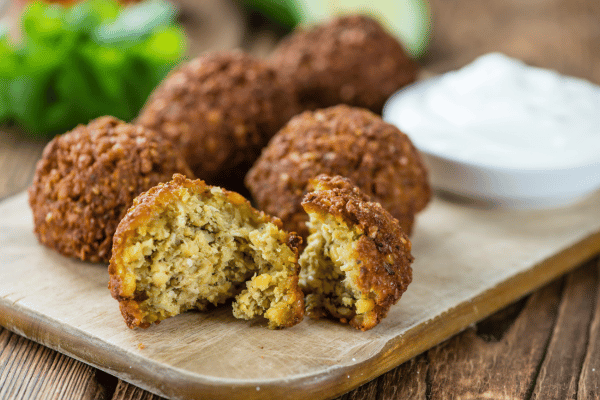
A traditional falafel recipe typically contains chickpeas or fava beans, which are naturally high in carbohydrates. On average, a single falafel ball contains about 5-6 grams of carbohydrates, and a serving of three to four can easily total 15-24 grams of carbs.
For someone on a strict ketogenic diet, where daily carb intake is limited to around 20-50 grams, consuming traditional falafel can quickly push you over your limit, making it challenging to stay in ketosis.
Why Traditional Falafel Isn’t Keto
Traditional falafel isn’t considered keto-friendly primarily because it relies on chickpeas. Although chickpeas are a great source of plant-based protein and fiber, they also come with a high carb count. Flour is also a binder in many falafel recipes, adding even more carbs.
When deep-fried, falafel can also become calorie-dense, further straying from a keto diet’s low-carb, high-fat principles. The combination of chickpeas and flour significantly raises the net carbs, making traditional falafel unsuitable for keto followers.
Occasional Falafel on Keto
That said, some keto dieters occasionally incorporate traditional falafel into their meals, especially as part of a “cheat” meal. The key is moderation—having one or two falafel balls might not entirely derail your diet, particularly if you account for the carbs elsewhere in your meal plan.
Pairing falafel with high-fat, low-carb sides, like a leafy green salad or keto-friendly dips such as tahini sauce, can help balance the macros for an occasional indulgence. However, for those aiming to strictly adhere to keto, opting for low-carb falafel alternatives is a better approach to enjoying this dish without sacrificing your diet.
Low-Carb Alternatives to Traditional Falafel

Keto-Friendly Substitutes for Chickpeas
To create a low-carb falafel that stays true to the ketogenic lifestyle, the first step is to replace chickpeas with keto-friendly alternatives. Here are a few great substitutes:
- Almond Flour: A popular low-carb ingredient, almond flour provides structure and a nutty flavor, making it a great base for keto falafel.
- Cauliflower: Finely grated or processed cauliflower works well as a replacement for chickpeas, offering a similar texture with a fraction of the carbs.
- Zucchini: Grated zucchini is another excellent low-carb option. Its moisture content helps bind the falafel, while the mild flavor allows the spices to shine.
- Lupin Flour: Made from lupin beans, this flour is low in carbs and high in protein, making it an ideal chickpea substitute in keto falafel.
Binding Agents for Keto Falafel
Traditional falafel uses flour as a binding agent, which adds unnecessary carbs. For keto-friendly versions, the following binding agents can be used:
- Eggs: A natural binder, eggs help hold the falafel together while adding a dose of healthy fat and protein.
- Psyllium Husk: Known for its high fiber content, psyllium husk is a low-carb binder that absorbs moisture and helps give falafel its structure.
- Coconut Flour: This low-carb flour is an excellent alternative to wheat flour. It absorbs liquid well, helping to form firm falafel balls or patties.
Healthy Fats for Frying or Baking
When preparing keto falafel, the method of cooking plays a significant role in maintaining a low-carb profile:
- Avocado Oil: Avocado oil is perfect for frying keto falafel. It has a high smoke point and provides healthy monounsaturated fats, aligning with the keto diet’s emphasis on fats.
- Baking Option: You can bake your falafel instead of frying for a lighter, less calorie-dense option. Baking helps maintain the crispy texture while reducing the need for excessive oil, making it a healthier alternative for keto followers.
These keto-friendly substitutions allow you to enjoy falafel without the high carb content, keeping the dish delicious and compliant with your low-carb lifestyle.
Keto Falafel Recipe
Ingredients List
Here’s a simple list of keto-friendly ingredients to make delicious low-carb falafel at home:
- 1 cup almond flour (or a combination of almond flour and ground cauliflower)
- 1 medium zucchini, grated and drained
- 2 tbsp coconut flour
- One large egg
- 2 tbsp psyllium husk
- 2 cloves garlic, minced
- 1/2 small onion, finely chopped
- 1/4 cup fresh parsley or cilantro, chopped
- 1 tsp cumin
- 1 tsp ground coriander
- 1/2 tsp paprika
- Salt and pepper to taste
- 3-4 tbsp avocado oil (for frying)
Optional Add-Ons:
- Tahini sauce or avocado dip for serving
- Lemon juice for extra freshness
- Keto-friendly sides like a cucumber salad or mixed greens
Step-by-Step Instructions
- Prepare the Zucchini: Grate it and place it in a clean kitchen towel. Squeeze as much moisture as possible to prevent the falafel from being too watery.
- Mix the Ingredients:
- Combine the almond flour, coconut flour, and psyllium husk in a large bowl.
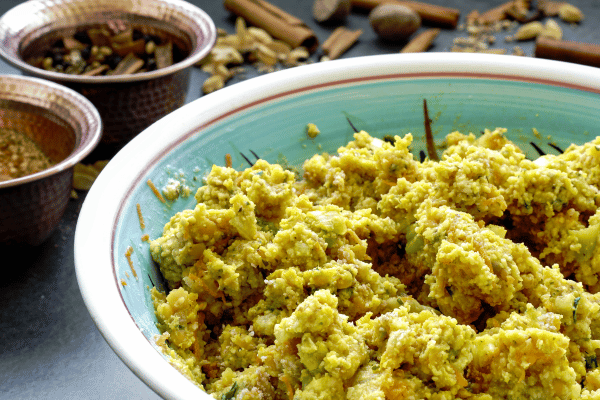
- Add the grated zucchini, egg, garlic, onion, parsley or cilantro, and spices (cumin, coriander, paprika, salt, and pepper).
- Mix everything until a thick dough forms.
- Let the mixture sit for 5-10 minutes, allowing the psyllium husk and coconut flour to absorb moisture.
- Shape the Falafel: Once the mixture has firmed up, use your hands to form small balls or patties (about 1 to 1.5 inches in diameter).
- Fry or Bake the Falafel:
- Frying: Heat avocado oil in a large pan over medium heat. Once the oil is hot, gently place the falafel balls in the pan. Fry them on each side for 3-4 minutes or until golden brown and crispy.
- Baking:
- Preheat your oven to 400°F (200°C).
- Line a baking sheet with parchment paper, place the falafel balls on it, and brush them lightly with olive oil.
- Bake for 20-25 minutes, flipping halfway through, until golden and crisp.
- Serve: Serve the falafel hot, paired with a drizzle of tahini sauce or avocado dip. For a complete meal, add a side of low-carb salad, such as cucumber and tomato salad.
- Optional Add-Ons
- Tahini Sauce: Blend tahini, lemon juice, water, garlic, and salt for a creamy and keto-friendly dip.
- Avocado Dip: Mash an avocado with lemon juice, salt, and a drizzle of olive oil for a fresh, keto-friendly dip.
- Low-Carb Salad: Serve your falafel with a refreshing cucumber salad, tomatoes, red onions, olive oil, and lemon juice.
This keto falafel recipe keeps it low-carb and full of flavor, making it a perfect addition to your ketogenic meal plan. Enjoy!
Nutritional Facts
- Calories: 150-180 kcal
- Fat: 12-15 grams
- Protein: 5-7 grams
- Total Carbohydrates: 5-7 grams
- Fiber: 3-4 grams
- Net Carbs: 2-3 grams
- Sugar: 1-2 grams
Alternative Ingredients for Keto Falafel
One key challenge in making falafel keto-friendly is finding low-carb substitutes for traditional ingredients like chickpeas and flour. Fortunately, various keto-approved ingredients can replicate the texture and flavour of classic falafel while keeping the carb count low.
Almond Flour
Almond flour is a staple in keto cooking due to its low carbohydrate content and nutty flavor. It is an excellent substitute for chickpeas in falafel, giving the mixture structure while keeping the carbs down. Almond flour also helps provide the crispy texture you expect from falafel when fried or baked.
Cauliflower
Cauliflower is another versatile low-carb alternative for falafel. When finely grated or processed, cauliflower mimics the texture of chickpeas while remaining much lower in carbs. It’s also neutral in flavor, allowing the spices and herbs in your falafel to take center stage. Cauliflower-based falafel is a great option for those looking to reduce carbs further.
Zucchini
Grated zucchini is a moisture-rich, low-carb vegetable that works well in keto falafel recipes. Its mild taste makes it ideal for absorbing the flavors of garlic, cumin, and fresh herbs. Be sure to drain excess moisture from the zucchini by squeezing it in a towel before adding it to the mixture, as this will help your falafel hold together better.
Lupin Flour
Lupin flour, made from lupin beans, is another excellent keto alternative to chickpeas. Lupin beans are high in protein and fiber while being extremely low in carbohydrates. Lupin flour can create a hearty, protein-packed falafel with a flavour and texture close to the traditional version.
Psyllium Husk
Psyllium husk is a low-carb powerhouse when it comes to binding the falafel together. It’s high in fiber and absorbs moisture well, giving the falafel dough structure without adding many carbs. A little psyllium husk goes a long way, and it helps keep your falafel firm and intact during cooking.
Coconut Flour
Coconut flour is another keto-friendly flour that can replace traditional binding agents like wheat flour. While coconut flour absorbs more moisture than almond flour, it’s a great option for giving falafel its needed consistency. It’s also rich in fiber, further reducing the net carb count.
Eggs
Eggs are a simple yet effective keto-friendly binding agent. They help hold the falafel mixture together while providing healthy fats and protein. When used in moderation, eggs add structure without altering the flavor too much.
Avocado Oil
For frying keto falafel, avocado oil is an excellent choice due to its high smoke point and healthy fat content. It keeps the falafel crispy outside without introducing unhealthy fats, making it ideal for keto dieters who prioritize clean, high-fat sources.
Best Keto Sides to Serve with Falafel
Pairing falafel with keto-friendly sides can enhance the flavors and textures of your meal while keeping it low-carb. Whether you’re looking for something light and refreshing or hearty and filling, there are plenty of keto options to complement your falafel. Here are some of the best keto sides to serve with falafel:
Cauliflower Rice
Cauliflower rice is a versatile and low-carb substitute for traditional grains. It’s light and fluffy, making it the perfect side for falafel. You can serve it plain or season it with herbs, lemon, and olive oil for extra flavor. A spiced cauliflower pilaf with cumin, coriander, and parsley can add a Mediterranean touch that complements the falafel.
Cucumber and Tomato Salad
A simple cucumber and tomato salad is a refreshing, low-carb option that pairs well with falafel. Toss diced cucumbers, cherry tomatoes, red onions with olive oil, lemon juice, and fresh herbs like parsley or cilantro for a vibrant, tangy side. This salad adds brightness to the meal without adding many carbs, balancing the richness of falafel.
Zucchini Noodles (Zoodles)
For a heartier side, try serving falafel over zucchini noodles, also known as zoodles. Zucchini noodles are a great pasta substitute for those on a keto diet. Toss them with olive oil, garlic, and lemon for a light, flavorful side, or mix them with a keto-friendly sauce like tahini or yogurt dip.
Roasted Vegetables
Roasted vegetables, like broccoli, bell peppers, and eggplant, are delicious low-carb sides that work beautifully with falafel. Drizzle them with olive oil, sprinkle with herbs and spices, and roast until tender and slightly caramelized. Roasting enhances the natural sweetness of the vegetables while adding depth and variety to your meal.
Greek Yogurt with Lemon and Garlic
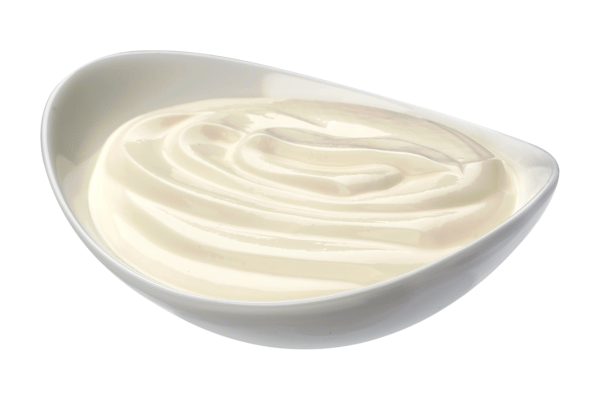
A small side of full-fat Greek yogurt mixed with lemon juice, garlic, and a touch of salt makes a creamy falafel dip. It’s rich in healthy fats and low in carbs, making it perfect for keto. You can also add some fresh herbs like dill or mint for added freshness.
Avocado Salad
Avocado is a keto favorite, and an avocado salad makes for a creamy and filling side. Combine diced avocado with cucumbers, cherry tomatoes, red onion, and fresh herbs, all dressed in olive oil and lemon juice. This salad is loaded with healthy fats and low in carbs, making it a perfect pairing with falafel.
Lettuce Wraps
If you want to enjoy your falafel in a wrap without the carbs of pita bread, use large lettuce leaves as a low-carb alternative. Romaine, butter lettuce, or iceberg lettuce all work well. Fill the lettuce leaves with falafel, a dollop of tahini sauce, and fresh veggies for a light, crunchy, and keto-friendly wrap.
Grilled Eggplant
Grilled eggplant slices are a flavorful and satisfying side to serve with falafel. Eggplant is naturally low in carbs and absorbs the smoky flavor from grilling. Season the eggplant slices with olive oil, salt, and pepper before grilling them to tender perfection. This adds a hearty, meaty texture to your meal.
Pickled Vegetables
Pickled vegetables, such as pickles, olives, or onions, are tangy, crunchy, and low in carbs. They add a refreshing contrast to the richness of falafel and complement the spices used in Mediterranean dishes. You can make your own pickled veggies or use store-bought ones; just be sure to choose options without added sugars.
Tips for Sticking to Keto While Enjoying Falafel
Portion Control
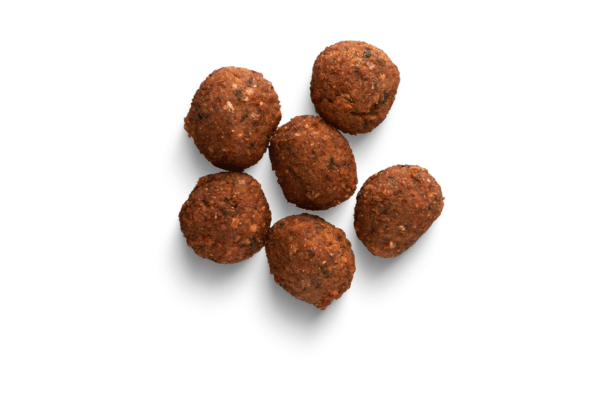
When enjoying falafel on a keto diet, portion control is key to staying within your daily carb limit. Even with a low-carb falafel recipe, keeping track of your servings is important to avoid accidentally consuming too many carbs. Start with 2-3 small falafel balls or patties per meal and balance your macros with high-fat, low-carb ingredients such as tahini sauce or avocado dip. By keeping the portions reasonable, you can still indulge in falafel without disrupting ketosis.
Meal Planning
Incorporating keto falafel into your weekly meal prep can be a great way to ensure you have delicious and satisfying meals on hand. Here are a few tips for meal planning:
- Batch Cooking: Prepare a large batch of falafel and store it in the fridge for up to five days. You can also freeze them for up to a month. This way, you’ll always have a quick, keto-friendly protein option.
- Versatile Dishes: Keto falafel can be used in a variety of ways. Enjoy them as part of a salad, stuff them into low-carb wraps or lettuce leaves, or serve them as a snack with your favorite dips.
- Balanced Macros: Plan meals that pair falafel with healthy fats like avocado, olive oil, or full-fat yogurt to ensure you’re hitting your keto macro goals.
Pairing with Low-Carb Sides
To create a balanced keto meal, pair your falafel with low-carb, high-fat sides that complement the dish. Here are a few options:
- Cauliflower Rice: Light and versatile, cauliflower rice makes a great base for falafel, especially when seasoned with spices or herbs.
- Cucumber Salad: A refreshing salad of cucumbers, tomatoes, and onions drizzled with olive oil and lemon juice brightens the meal without adding unnecessary carbs.
- Zucchini Noodles: Serve falafel over a bed of spiralized zucchini, topped with a keto-friendly sauce like tahini or avocado crema.
- Roasted Vegetables: Roast veggies like broccoli, bell peppers, or eggplant in olive oil for a hearty, low-carb side dish.
- Lettuce Wraps: Use crisp lettuce leaves as wraps to create a falafel “sandwich” without the carbs.
You can easily enjoy this dish without compromising your low-carb diet by controlling portions, planning ahead, and pairing your falafel with keto-friendly sides.
Frequently Asked Questions
Can I Make Keto Falafel in an Air Fryer?
Yes! Air frying is a great way to make keto falafel without too much oil. Simply preheat your air fryer to 375°F (190°C) and cook the falafel for 12-15 minutes, flipping halfway through, until they are crispy and golden.
Can I Make Vegan Keto Falafel?
Yes! To make vegan keto falafel, substitute the egg with a flaxseed meal or chia seeds mixed with water as a binding agent. These alternatives hold the falafel together while keeping the recipe vegan and keto-friendly.
Can I Eat Falafel Wraps on Keto?
You can enjoy falafel wraps using low-carb tortillas or lettuce wraps instead of traditional pita bread. This keeps the overall carb count low while allowing you to enjoy a falafel wrap.
Is Keto Falafel Suitable for a Gluten-Free Diet?
Yes! Keto falafel is naturally gluten-free, using low-carb flour like almond or coconut flour instead of traditional wheat flour. This makes it a great option for those following keto and gluten-free diets.
Can I Fry Keto Falafel, or Should I Bake It?
You can do both! Frying keto falafel in avocado oil provides a crispy texture while keeping it keto-friendly, but you can also bake it for a lighter option that retains crispiness.
Final Thoughts
While traditional falafel may not be keto-friendly due to its high carb content, low-carb versions are a fantastic alternative that can be just as flavorful and satisfying.
By swapping out chickpeas and flour for keto-friendly substitutes like almond flour, zucchini, or cauliflower and using healthy fats like avocado oil for frying, you can enjoy this popular dish without worrying about breaking ketosis.

Don’t be afraid to experiment with different ingredients and cooking methods to find the perfect keto falafel recipe. Whether you fry or bake them, pair your falafel with tasty keto sides like cauliflower rice or cucumber salad to complete your meal.
We’d love to hear your thoughts—try out the recipe and share your experience in the comments! If you have your own keto-friendly falafel ideas, feel free to share them, too. Happy cooking!