

Your Complete Keto Grocery List with Must-Have Low-Carb Staples
What Foods Should Be in Your Keto Grocery List?
👉 Your keto grocery list should focus on low-carb, high-fat foods like meat, poultry, fish, eggs, and cheese. Include plenty of non-starchy vegetables like spinach, broccoli, cauliflower, and zucchini. Add healthy fats such as avocado, olive oil, and coconut oil, as well as nuts, seeds, and low-carb condiments to keep your meals tasty and satisfying.
Starting the ketogenic diet can feel like stepping into a whole new world of eating. To make it easier, use a keto grocery list designed to keep you on track. This list is your secret weapon for weight loss, steady energy, and reaching your health goals.
A well-planned keto grocery list is essential for maintaining ketosis and reaching health goals. Focus on whole foods with high-quality proteins like meat and fish, plus healthy fats from avocados and olive oil.
Include low-carb vegetables such as leafy greens, broccoli, and bell peppers, while avoiding grains, sugar, starchy veggies, and most fruits. Planning meals and stocking keto-friendly pantry staples will save time, reduce waste, and help you stick to your budget.
With a simple plan and list, it’s easy to buy the right foods and stick to the keto diet. You can fill your kitchen with tasty, keto-friendly foods and avoid items that don’t fit the diet.

Table of Contents
- Introduction to the Keto Diet and Grocery Shopping
- How to Build Your Keto Grocery List for Success
- Creating Your Keto Grocery List
- Must-Have Staples on Every Keto Grocery List
- Keto-Friendly Vegetables
- Fruits and Sweet Treats for Keto
- Smart Keto Meal Prep and Snack Ideas
- What to Avoid on a Keto Grocery List
- Frequently Asked Questions
- Final Thoughts
Introduction to the Keto Diet and Grocery Shopping
The ketogenic diet is a low-carb, high-fat way of eating that shifts your body to use ketones for energy instead of glucose. This state, called ketosis, offers benefits like improved weight control and mental clarity.
The first step in the keto diet is smart grocery shopping. Knowing what to buy and what to avoid helps keep your fridge and pantry stocked with the right foods for meal prep, making it easier to stay on track with your macros and health goals.

What is the Keto Diet?
The ketogenic diet changes how your body gets energy. By eating fewer carbs and more fat, your body enters ketosis, using fat for fuel instead of carbs, providing a new energy source.
This way of eating is not just a short-term trend. Many people use the ketogenic diet for weight loss or health benefits. It typically consists of 70-80% fat, 20-30% protein, and 5% or less carbs. This plan helps keep blood sugar stable, reduces hunger, and provides steady energy throughout the day.
If you are new to the ketogenic diet, start with a basic keto grocery list. This guide will help you choose foods to support better overall health.
How to Build Your Keto Grocery List for Success
Building your keto shopping list can be simple. The main idea is to buy whole foods that are low in carbs and high in healthy fats.
When you go keto grocery shopping, look for items around the edges of the store. You can find fresh produce, meats, and dairy there.

What You’ll Need to Get Started
To start your keto journey, equip yourself with the right tools. Organizing before your keto grocery trip can streamline the process. Many find success using both digital apps and paper lists to stay on track and motivated.
Start by finding reliable keto recipes. Planning your meals with these recipes helps you make a clear shopping list, saving money and reducing waste. Many websites and apps offer free keto recipes and meal planning tools.
To simplify your keto shopping, use helpful tools like printable keto grocery lists available online, smartphone apps that track meals and generate shopping lists, and keto meal plans that outline meals and groceries.
Creating Your Keto Grocery List
Now it’s time for you to make your own keto diet grocery list. Organize it by food types to make shopping quick and easy. Focus on high-quality proteins, nutrient-rich vegetables, and plenty of healthy fats.
We will show you simple steps to create a keto grocery list that ensures you have everything needed for a week of tasty, filling meals rich in healthy fats.

Choose Your Protein Sources
Protein is important on the ketogenic diet because it helps you feel full and keeps your muscles strong.
Choose different kinds of good-quality protein. Most meats have no carbs, so they are good for keto. Many people pick fattier cuts, but lean meats work too.
Fatty fish is a great protein to add to your grocery list. It contains omega-3 fatty acids that support good health and reduce inflammation.
Omega-3 may also help your gut and balance cholesterol. Eggs are another good choice for the keto diet. They are easy to cook, affordable, and can be eaten any time of day.
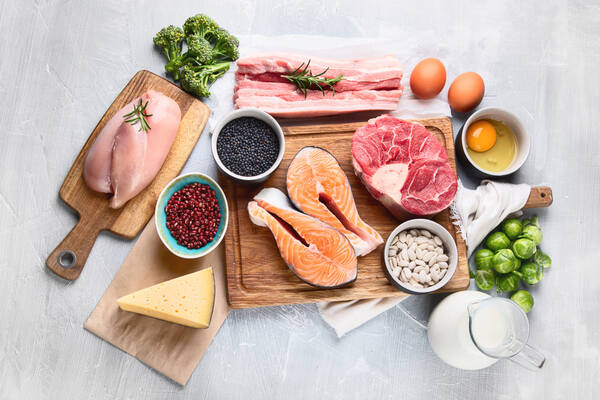
Here are some proteins you really should have on your keto grocery list:
- Beef: You can pick ground beef, steaks, or roasts.
- Poultry: Chicken breast, chicken thighs, or turkey all work well.
- Pork: Try bacon, pork chops, or tenderloin.
- Fatty Fish: Buy salmon, sardines, mackerel, or tuna.
- Shellfish: Shrimp, crab, and mussels can be used.
- Eggs: These are very flexible and save you money.
- Organ Meats: Try things like liver for more nutrients.
Select Low-Carb Vegetables

Vegetables are essential in the keto diet, providing vital vitamins, minerals, and fiber. Focus on non-starchy, low-carb varieties, especially those that grow above ground, as they typically have fewer carbs.
Leafy greens like spinach and kale are rich in vitamin C and iron. Other low-carb choices include broccoli, cauliflower, zucchini, and bell peppers. These veggies work well roasted, in salads, or stir-fries.
When keto shopping, include low-carb veggies like leafy greens (spinach, kale, lettuce, arugula), cruciferous veggies (broccoli, cauliflower, cabbage, Brussels sprouts), asparagus, cucumbers, and avocado for healthy fats and fiber in your keto meals.
Add Healthy Fats and Oils

Choosing the right fats is crucial for your health and success on the keto diet. Healthy fats provide steady energy, promote fullness, and aid in the absorption of fat-soluble vitamins. Incorporate both monounsaturated and some healthy saturated fats into your meals.
Extra virgin olive oil is perfect for salad dressings or low-heat cooking. Avocado oil, with a higher smoke point, suits frying and roasting.
Coconut oil, rich in medium-chain triglycerides (MCTs), provides quick energy. Use these oils to make low-carb snacks like fat bombs to stay on track.
Include Dairy and Non-Dairy Alternatives

Dairy products are a tasty source of fat and protein on keto. Choose full-fat options and watch for added sugars.
Hard cheeses like cheddar and parmesan are low in carbs, while cream cheese and heavy cream add richness to recipes.
For those avoiding dairy or following a vegetarian keto plan, unsweetened almond or coconut milk are good alternative. Plain full-fat Greek yogurt and cottage cheese also work well without added sugars.
Here’s a list of dairy and non-dairy items for your keto shopping list:
- Full-Fat Cheeses: Cheddar, mozzarella, cream cheese, goat cheese.
- Heavy Cream & Sour Cream: Great for sauces, desserts, or toppings.
- Butter & Ghee: Essential for cooking and flavoring dishes.
- Unsweetened Greek Yogurt & Cottage Cheese: Protein-rich when used sparingly.
- Non-Dairy Milks: Unsweetened almond milk and coconut milk.
Pick Keto-Friendly Snacks and Treats

Having keto-friendly snacks on hand is essential for managing cravings and staying on track between meals. Choose options high in fat and protein but low in carbs. Nuts are excellent choices due to their favorable fat-to-carb ratio.
For a crunchy, savory option, consider pork rinds or cheese crisps—both carb-free. If you want something sweet, enjoy a small piece of dark chocolate (70% cocoa or higher).
Nut butters and keto-friendly sweeteners can also be used to make homemade treats like fat bombs or cookies.
Here’s a quick list of low-carb snacks for your keto grocery shopping:
- Nuts and Seeds: Macadamia nuts, pecans, walnuts, chia seeds
- Nut Butters: Sugar-free almond or peanut butter
- Cheese: Sliced cheese or cheese crisps
- Meat Snacks: Sugar-free beef jerky, pork rinds
- Dark Chocolate: At least 70% cocoa content
- Olives and Avocados: Healthy whole-food options
Must-Have Staples on Every Keto Grocery List
Every good keto grocery list starts with key items you’ll use repeatedly. These basics make it easy to prepare healthy meals and snacks that fit the keto diet.
The most important items are enough essential proteins and healthy fats. With these in your kitchen, you can plan meals easily.
Here are the main foods to add to your grocery list every time you shop.

Essential Proteins
Protein is essential on a ketogenic diet, helping to maintain muscle strength, support bodily functions, and promote satiety.
The best choices include grass-fed beef, poultry, seafood, and eggs, which are low in carbohydrates and rich in amino acids.
Research shows lean red meat supports health as we age without harming the heart, making it a valuable daily meal choice.
Fatty fish like salmon and mackerel provide quality protein and omega-3s that reduce inflammation. Chicken breast and eggs are versatile, protein-rich options for many dishes.
Healthy Fats
Fats are the main energy source in the keto diet. So, it is important to keep your kitchen stocked with top choices.
The focus should be on healthy fats because they support your body and its health. Studies say fat in your food helps your body take in vitamins A, D, E, and K.
Extra virgin olive oil is great for salads or finishing meals. Avocado oil is ideal for high-heat cooking with a neutral taste. Coconut oil provides MCTs for quick energy.
While some saturated fats found in butter and coconut oil are allowed, it’s best to focus on unsaturated plant-based fats.
Nuts and seeds are packed with healthy polyunsaturated and monounsaturated fats, making them a great choice for a keto diet.
Keto-Friendly Vegetables
Vegetables are essential in a healthy keto diet, providing fiber, vitamins, and minerals. Focus on low-carb veggies to maintain ketosis while adding flavor and nutrients to your meals.
It’s good to pick leafy greens. They are full of nutrients. You should also try other non-starchy vegetables for more choices. Many of these vegetables have a lot of vitamin C and help your body with antioxidants.

Leafy Greens for Nutrient Density
Leafy greens are the top choice for anyone on a low-carb diet. They have very few carbs and calories, but have a lot of key nutrients.
If you add a good amount of these greens to your food, you can get more fiber, vitamin C, antioxidants, and some B vitamins.
Spinach, kale, and arugula are great picks for many meals. You can use them as the main part of a salad, mix them into hot foods, or blend them for a smoothie.
These keto veggies are easy to put in lots of dishes, so they are some of the best foods if you want to prep your meals.
Non-Starchy Options for Variety
Beyond leafy greens, there are many non-starchy vegetables you can add to your keto meals. They give you more flavors, new textures, and plenty of options.
These choices are better than starchy vegetables like potatoes and corn because they don’t raise your blood sugar as much. Bell peppers are sweet and crunchy, making them great for salads and stir-fries.
Brussels sprouts, broccoli, and cauliflower are top keto choices. These cruciferous veggies are great for meal prep. Roast a big batch on Sunday to enjoy all week. Add pumpkin seeds for crunch and healthy fats.
Fruits and Sweet Treats for Keto
Many people think the keto diet means no fruit or sweets at all. This isn’t true. While most fruits are high in sugar, you can enjoy some low-sugar fruits in moderation.
With a bit of planning, you can enjoy berries, avocado, and a small amount of dark chocolate without harming your progress. Using keto-friendly sweeteners helps you make guilt-free treats. Here’s how to do it smartly.

Low-Sugar Fruits that Fit Your Macros
While many fruits are high in sugar and not suitable for a keto diet, some low-sugar, high-fiber options can be enjoyed in moderation. Berries are excellent choices due to their low net carbs, fiber, and antioxidants.
Avocado is another great option, packed with healthy fats and minimal net carbs. Lemons and limes add flavor to meals and drinks without significantly increasing carbs.
Here are some keto-friendly fruits you can enjoy in moderation:
- Berries: Raspberries, blackberries, and strawberries have the lowest net carbs.
- Avocado: High in healthy fats with few carbs.
- Tomatoes: Often considered vegetables but suitable as fruit in small amounts.
- Lemons and Limes: Ideal for enhancing flavors without many carbs.
- Olives: These savory fruits provide healthy fats.
Dark Chocolate and Sweeteners to Satisfy Cravings

Craving something sweet on the keto diet? It’s normal to have cravings, and you don’t need to ignore them.
Enjoy high-quality dark chocolate with at least 70% cocoa in moderation. It contains less sugar than milk chocolate and offers antioxidant benefits.
For baking or sweetening drinks, use keto-friendly sweeteners like stevia, monk fruit, or erythritol, which don’t affect blood sugar levels. These are perfect for cookies, cakes, and fat bombs without added sugars.
Smart Keto Meal Prep and Snack Ideas
Planning your keto meals and snacks saves time and helps you avoid eating too many carbs. Preparing food in advance makes it easier to stick to your keto diet.
It’s helpful to keep tasty low-carb snacks nearby. These snacks keep you full and reduce cravings. With a little planning, you’ll always have good keto snacks ready to eat.

Meal Prepping Strategies for Busy Weeks
Meal prep can really help if you have a busy week. Keep it simple by choosing a few easy recipes that use the same ingredients. This makes your shopping list shorter and saves time when cooking.
You can also try batch cooking. Prepare a large amount of protein like shredded chicken or ground beef. Roast plenty of low-carb vegetables such as bell peppers on a tray.
Use these prepared foods to make different meals throughout the week. Storing them in containers with proper portions helps you have the right amounts ready without daily effort.
Low-Carb Snacks for On-the-Go Energy
For quick energy on the go, eating keto snacks is important. They help you stick to your diet and need no preparation. Nuts like Brazil nuts, almonds, walnuts, and pumpkin seeds are great choices.
If you want a salty, crunchy snack, try cheese crisps or pork rinds. For quick options, carry olives or single-serving almond butter when you’re busy.
When you have time, enjoy hard-boiled eggs or full-fat cottage cheese for a protein-packed snack that keeps you full.
What to Avoid on a Keto Grocery List
It is just as important to know what not to buy as it is to know what to get. To succeed on the keto diet, you need to avoid foods high in carbs. Eating these can kick you out of ketosis and stop your progress.
Besides bread and pasta, watch out for foods with added sugars. Avoiding highly processed foods not only helps maintain ketosis but also lowers the risk of cardiovascular disease and other health issues.

High-Carb Foods to Steer Clear Of
To stay in ketosis, you need to keep away from foods with a lot of carbohydrates. This is very important for the keto diet. All grains, like bread, pasta, rice, and cereal, have high total carbs.
Most vegetables are good for people, but ones like potatoes, corn, and peas have too many carbs for the keto diet. Even sweet potatoes are not allowed.
Most fruits have high sugar and should not be eaten. You can eat a small of berries, but keep it low.
Here are the high-carb foods to leave out on the keto diet:
- Grains: Wheat, rice, corn, oats, and all things made with them (bread, pasta, cereal).
- Starchy Vegetables: Potatoes, sweet potatoes, corn, and peas.
- Legumes: Beans, lentils, and chickpeas.
- High-Sugar Fruits: Bananas, apples, mangoes, and grapes.
- Sugary Drinks: Soda, fruit juice, and sweetened teas.
Sneaky Ingredients That Can Sabotage Your Progress
Many processed foods that seem low in carbs contain hidden added sugars like dextrose, maltodextrin, or high-fructose corn syrup. Always check ingredient lists on packets, bottles, and sauces to avoid these.
Be careful with the fats you eat. Even though keto is a high-fat diet, avoid unhealthy fats. Stay away from processed vegetable oils like soybean, corn, and canola oil, and avoid trans fats found in some margarines.
These fats can cause inflammation and raise blood pressure over time. It’s better to get fats from whole foods.
Frequently Asked Questions
How Do I Make a Keto Grocery List for a Week of Meals?
Start by picking your meals for the week from keto meal plans or recipe sites. Write down all the ingredients you need for those recipes. Check with your pantry’s keto food list to know what you already have. Then, make your final grocery list to keep your net carbs in check.
Are There Any Common Mistakes People Make When Keto Shopping?
Yes, common mistakes include not checking labels for added sugars, confusing total carbs with net carbs, choosing unhealthy processed fats instead of whole-food fats, and misjudging portion sizes of higher-carb keto foods like nuts.
Can You Customize a Keto Grocery List for Vegetarians?
A vegetarian keto list avoids meat and includes plant proteins such as tofu and tempeh. It also has eggs, full-fat dairy, avocados, nuts, seeds, and healthy fats. Unsweetened almond milk and homemade cheese crisps are good choices, too.
Final Thoughts
Starting your keto journey means you need to plan, especially for keto grocery shopping. Having a solid grocery list helps to make shopping easy and gets you set up to follow keto rules well.
When you pick key proteins, low-carb vegetables, and healthy fats, you can make meals that match your goals. Stay away from foods with lots of carbs and watch out for hidden ingredients that can slow you down.
With good tools and tips, you can walk the grocery aisles with confidence. If you want to begin your keto lifestyle, reach out to get your free consultation to make your plan even better!