

Crafting Low-Carb Wonton Wrappers Opens a World of Culinary Possibilities. Explore These Inventive Recipes for Delicious, Guilt-Free Creations!
What are Low Carb Wonton Wrappers Made Of?
🥟 Low carb wonton wrappers can be made using alternative flours such as almond flour or coconut flour instead of traditional wheat flour, reducing their carbohydrate content.
Transitioning to a low-carb diet often involves cutting back on carbohydrate-rich foods such as bread, pasta, and rice. This dietary change is commonly made for reasons ranging from managing health conditions like diabetes to pursuing weight-loss goals.
Why focus on low carb wonton wrappers now? Traditional ones are usually high in carbs, posing a challenge for low-carb eaters. But fear not! Let us introduce you to delightful, low-carb ingredients for creating low carb wonton wrappers.
Indulge in your beloved wonton recipes worry-free with these special low-carb wrappers. They’re versatile for savory soups, delicious dumplings, or even a hint of sweetness in any meal.
Explore the remarkable qualities of low carb wonton wrappers and how they can help regulate carb consumption. Uncover delightful and straightforward meal suggestions that will tantalize your taste buds and perfectly fit into your low-carb eating plan!
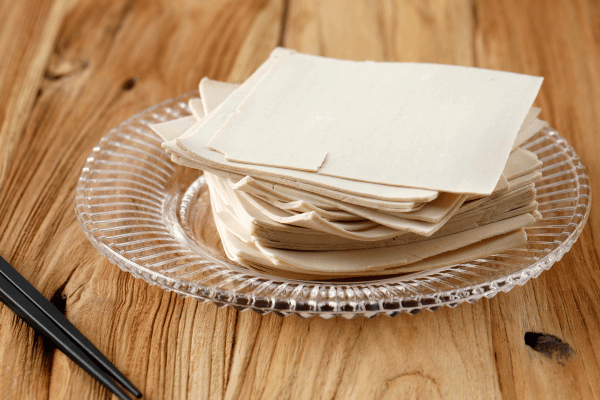
Table of Contents
- Understanding Low-Carb Wonton Wrappers
- Homemade vs. Store-Bought Wonton Wrappers
- How to Make Homemade Low Carb Wonton Wrappers
- Recipe 1: Low Carb Dumplings
- Recipe 2: Low-Carb Wonton Soup
- Recipe 3: Low-Carb Wonton Nachos
- Recipe 4: Low-Carb Dessert Wontons
- Recipe 5: Low-Carb Spinach and Feta Wonton Triangles
- Common Mistakes on Low Carb Wonton Wrappers
- Featured Articles
- Final Thoughts
Understanding Low Carb Wonton Wrappers
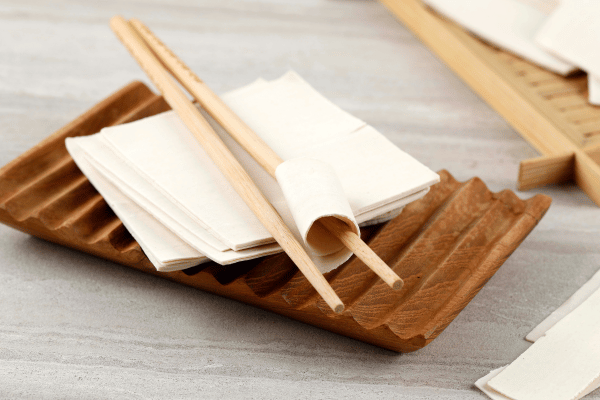
Wonton wrappers play a crucial role in Asian cuisine, featuring a diverse range of dishes like dumplings and soups. Typically crafted from wheat flour, these wrappers boast a high carbohydrate content. Yet, as the popularity of low-carb diets rises, individuals are on the lookout for substitutes that enable them to relish their beloved wonton creations without the hefty carb load.
The Carbohydrate Content in Traditional Wonton Wrappers
Wheat flour, rich in carbohydrates, serves as the primary component in typical wonton wrappers. The carb content can accumulate rapidly, particularly concerning individuals monitoring their intake for health or dietary purposes. A sole conventional wonton wrapper may encompass anywhere from 5 to 10 grams of carbohydrates.
Low-Carb Alternatives
To cater to the low-carb lifestyle, culinary creators have crafted low carb wonton wrappers using alternative flours like almond and coconut. These choices boast much lower carb levels than traditional wheat flour. Beyond just reducing carbs, these flours elevate nutritional calories by providing healthy fats, fiber, and protein.
Health Benefits
Choosing low carb wonton wrappers can offer numerous health advantages, especially for individuals following ketogenic diets, diabetics seeking to regulate blood sugar levels, or those aiming to cut down on carbs. Almond and coconut flours bring in healthier fat profiles, promoting more stable energy levels without the typical blood sugar spikes from high-carb foods.
Moreover, the high fiber content in these low-carb flours aids digestion and promotes a sense of fullness, aiding in weight management. Furthermore, for those with gluten intolerance or celiac disease, low carb wonton wrappers can serve as a gluten-free substitute.
Homemade vs. Store-Bought Wonton Wrappers
A versatile ingredient, wonton wrappers can be used in a variety of cuisines, such as wonton soup and dumplings. There are two ways to make low carb wonton wrappers: homemade ones at home or store-bought ones already prepared. Every choice has advantages and disadvantages that vary based on things like flavor, convenience, and ingredient control. Let’s examine the variations between store-bought and handmade low carb wonton wrappers:
Low Carb Wonton Wrappers Made at Home
Advantages:
- Total Control over Ingredients: You can use whatever ingredients you choose while making low carb wonton wrappers at home. You can select low-carb substitutes like coconut flour or almond flour to make sure your wrappers precisely suit your dietary needs.
- Freshness: Because homemade wonton wrappers are produced from scratch with fresh ingredients, they are fresher than ones purchased from stores. Your food may have improved in flavor and texture as a result of this.
- Personalization: You may easily alter the size, thickness, and form of homemade low carb wonton wrappers to suit your tastes. To produce distinctive flavors, try experimenting with different flour blends and ingredients.
- Satisfaction: Creating anything from scratch gives one a sense of satisfaction. For individuals who appreciate cooking and experimenting in the kitchen, making their own low carb wonton wrappers can be an enjoyable and fulfilling culinary endeavor.
Cons:
- Time-consuming: If you’re creating a large quantity of low carb wonton wrappers, the process of making them from scratch can take a while. The keto wonton dough must be combined, rolled out, and cut into squares before each wrapper is put together.
It takes some expertise and technique to make wonton wrappers at home, especially when it comes to spreading out the dough properly and thinly. To get the desired outcomes and become an expert in the process, some practice may be required.
Low Carb Wonton Wrappers from the Store
Advantages:
- Convenience: Store-bought wonton wrappers are convenient because most grocery stores have them. They are perfect for people who are busy or have limited time because they save time and effort as compared to creating things from scratch.
- Consistency: Because premade wonton wrappers are produced in a controlled environment, their size, thickness, and texture are all the same. Maintaining this uniformity in your recipes can help you get consistent outcomes.
- Simple Operation: Right out of the package, store-bought wonton wrappers are simple to utilize. They only need to be thawed if they are frozen before they can be used to encase your preferred fillings.
Cons:
- Limited Ingredient Control: Store-bought wonton wrappers may contain substances, preservatives, or additions that you might wish to stay away from. This is in contrast to homemade wonton wrappers. It’s critical to thoroughly review the ingredient list to make sure the items suit your dietary requirements.
- Less Freshness: Because store-bought wonton wrappers are usually mass-produced and may have a longer shelf life, they may not have the same flavor and freshness as homemade ones.
- Less Customization: You may not be able to adjust the ingredients to meet particular dietary requirements or flavor preferences when using store-bought wonton wrappers. You also have less control over the components.
How to Make Homemade Low Carb Wonton Wrappers
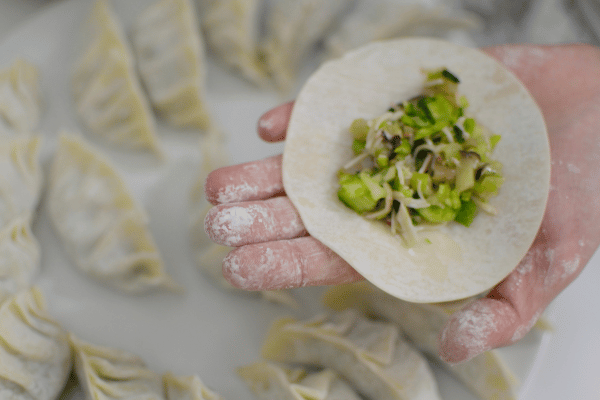
Making homemade wonton wrappers is a simple process that requires just a few basic ingredients and some patience. Here’s a step-by-step guide to making homemade wonton wrappers:
Ingredients:
- 2 cups all-purpose flour (or substitute with almond flour or coconut flour for a low-carb version)
- 1/2 teaspoon salt
- 1 large egg
- 1/3–1/2 cup water, as needed
Instructions:
- Mix the dry ingredients: In a large mixing bowl, combine the flour and salt. Mix well to evenly distribute the salt throughout the flour.
- Form a well: Create a well in the center of the flour mixture. This is where you’ll add the wet ingredients.
- Add the wet ingredients: Crack the egg into the well in the flour mixture. Use a fork to gently beat the egg.
- Gradually add water: Begin adding water to the flour mixture, starting with 1/3 cup. Use your hands or a fork to gradually incorporate the water into the flour mixture. Add more water as needed, a little at a time, until a dough forms.
- Knead the dough: Once the dough starts to come together, transfer it to a clean, floured surface. Knead the dough for about 5–7 minutes, or until it becomes smooth and elastic. If the dough feels too dry, you can add a little more water. If it’s too sticky, you can add a little more flour.
- Rest the Dough: Once the dough is kneaded, shape it into a ball and wrap it in plastic wrap. Let it rest at room temperature for at least 30 minutes to allow the gluten to relax and the dough to become more pliable.
- Roll out the dough: After resting, unwrap the dough and divide it into smaller portions. Roll each portion into a thin sheet, about 1/16 to 1/8 inch thick. Use a rolling pin to achieve the desired thickness, and dust the surface with flour as needed to prevent sticking.
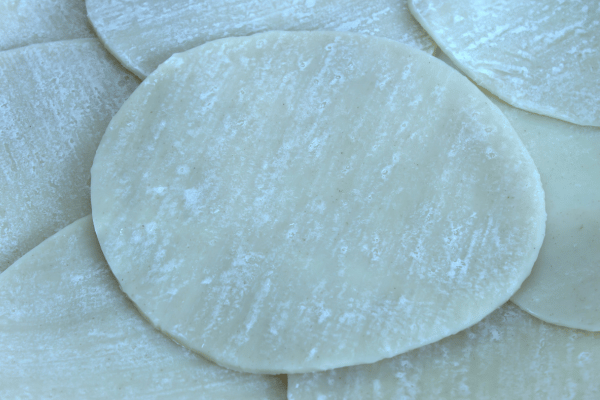
- Cut into Wonton Wrappers: Use a sharp knife or a pizza cutter to cut the rolled-out dough into squares or circles, depending on the shape you prefer for your keto wontons. Aim for wrappers that are roughly 3–4 inches in size.
- Use or store: Your homemade wonton wrappers are now ready to use in your favorite recipes! Alternatively, you can stack the wrappers with layers of parchment paper in between and store them in an airtight container in the refrigerator for up to a few days, or freeze them for longer-term storage.
With these simple steps, you can make delicious homemade wonton wrappers from scratch to use in a variety of recipes, from dumplings and wonton soup to crispy wonton snacks. Enjoy experimenting with different fillings and flavors to create your own unique wonton creations!
Nutritional Facts
Nutritional Facts for Homemade Wonton Wrappers (per serving, based on 1/6 of the entire batch):
- Calories: 100–120 kcal
- Total Fat: 1-3 grams
- Cholesterol: 20–30 milligrams
- Sodium: 100–200 milligrams
- Total Carbohydrates: 20–25 grams
- Dietary Fiber: 1-2 grams
- Sugars: 0 grams
- Protein: 3-5 grams
Recipe 1: Low Carb Dumplings
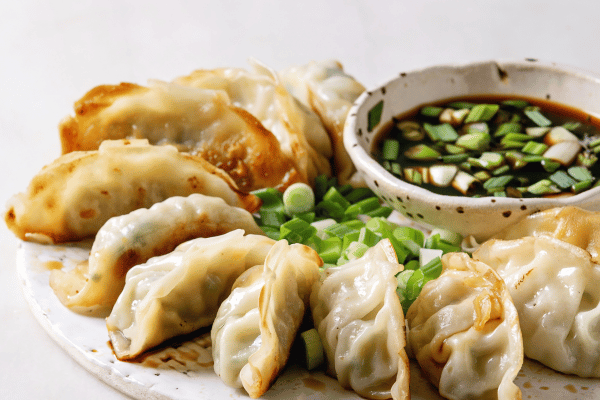
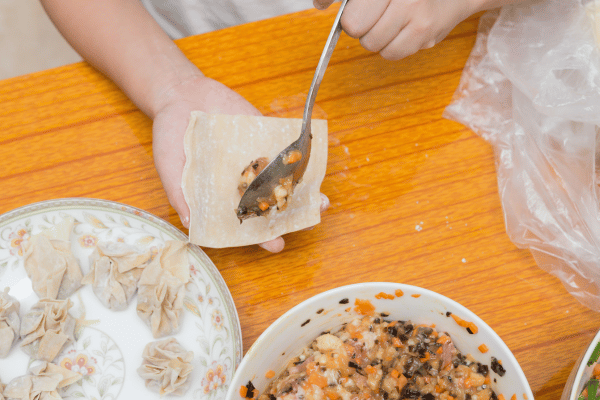
Fill wonton wrappers with a mixture of ground chicken or turkey, finely chopped vegetables (such as cabbage, carrots, and mushrooms), and seasonings. Steam, boil, or pan-fry until cooked through. Serve with a low-carb dipping sauce.
Nutritional Facts for Low-Carb Dumplings (per serving):
- Calories: 120–150 kcal
- Total Fat: 4-6 grams
- Sodium: 200–300 milligrams
- Total Carbohydrates: 10–15 grams
- Dietary Fiber: 1-2 grams
- Sugars: 1-2 grams
- Protein: 8-10 grams
Recipe 2: Low Carb Wonton Soup
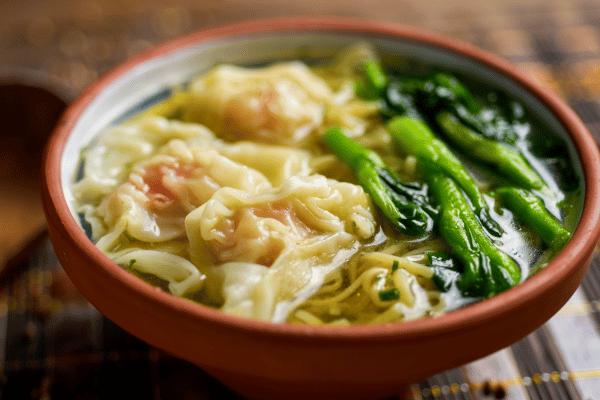
Make a flavorful broth using chicken or vegetable stock, ginger, garlic, and low-sodium soy sauce. Fill wonton wrappers with a mixture of ground pork or shrimp, along with green onions and spices. Cook the filled wontons in the broth until they float to the surface. Serve hot, garnished with fresh cilantro or sliced green onions.
Nutritional Facts (per serving):
- Calories: 150
- Total Fat: 7g
- Carbohydrates: 6g
- Fiber: 1g
- Protein: 12g
Recipe 3: Low Carb Wonton Nachos

Cut the wonton wrappers into triangles and bake until crispy. Top with seasoned ground beef or turkey, shredded cheese, diced tomatoes, jalapenos, and avocado. Bake until the cheese is melted and bubbly. Serve with sour cream or salsa for dipping.
Nutritional Facts (per serving):
- Calories: 180
- Total Fat: 9g
- Carbohydrates: 8g
- Fiber: 2g
- Protein: 14g
Recipe 4: Low-Carb Dessert Wontons
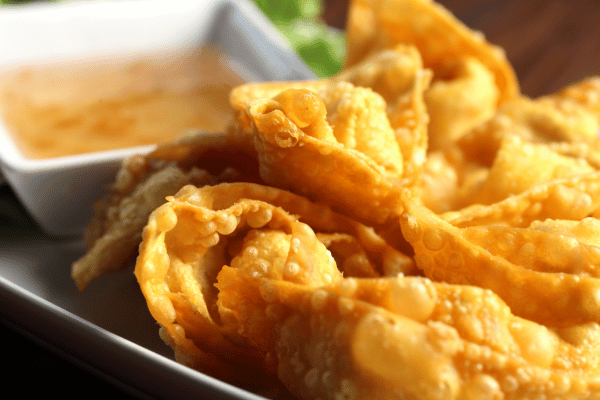
Fill wonton wrappers with a mixture of full-fat cream cheese, sweetener (such as erythritol or stevia), and vanilla extract. Add a small amount of your favorite berries (such as strawberries or blueberries). Seal the wontons and bake until golden brown. Serve warm with a dusting of powdered sweetener or a drizzle of sugar-free chocolate sauce.
Nutritional Facts (per serving):
- Calories: 100
- Total Fat: 5g
- Carbohydrates: 6g
- Fiber: 1g
- Protein: 7g
Recipe 5: Low-Carb Spinach and Feta Wonton Triangles

Mix together chopped spinach, crumbled feta cheese, garlic powder, and a beaten egg. Spoon a small amount of the mixture onto each wonton wrapper and fold it into triangles. Bake until crispy and golden brown. Serve as a delicious, perfect appetizer or snack.
Nutritional Facts (per serving):
- Calories: 90
- Total Fat: 4g
- Carbohydrates: 5g
- Fiber: 1g
- Protein: 8g
Common Mistakes on Low Carb Wonton Wrappers
When working with low carb wonton wrappers, it’s important to be mindful of potential pitfalls to ensure your cooking experience goes smoothly. Here are some common mistakes to avoid:
- Overfilling the Wrappers: One of the most common mistakes is overfilling the low carb wonton wrappers. Adding too much filling can make it difficult to seal the wrappers properly, leading to leaks during cooking. Be sure to use a moderate amount of filling and leave enough space around the edges to seal them securely.
- Not Sealing the Edges Properly: Failing to seal the edges of the low carb wonton wrappers tightly can result in filling spilling out during cooking. Make sure to moisten the edges of the wrappers with water or beaten egg and press them together firmly to create a tight seal.
- Using Too Much Flour: When making homemade low carb wonton wrappers, using too much flour can result in a dough that is too dry and difficult to work with. Start with the recommended amount of flour and add more only if needed to achieve the right consistency.
- Rolling the Dough Too Thin or Too Thick: Rolling the dough for the wonton wrappers either too thin or too thick can affect the texture and cooking time. Aim for a thickness that is just right—not too thin that it tears easily, but not too thick that it becomes doughy when cooked.
- Not Keeping the Dough Moist: Low-carb dough can dry out more quickly than traditional dough, especially when exposed to air for extended periods. Cover the dough with a damp kitchen towel while working with it to keep it moist and pliable.
- Overcooking or Undercooking the Wontons: Cooking low-carb wontons for too long can result in them becoming tough or burnt while undercooking them can leave the wrappers raw and doughy. Follow the recommended cooking times and temperatures closely to achieve the perfect texture.
- Crowding the Cooking Surface: Overcrowding the cooking surface, whether it’s a skillet, pot, or air fryer basket, can prevent the wontons from cooking evenly. Cook them in batches if necessary to ensure they have enough space to cook properly.
By being mindful of these common mistakes and following best practices, you can successfully work with low-carb wonton wrappers to create delicious and satisfying dishes.
Featured Articles
- Wonton Soup Calories: Discover the Truth (Recipe Inside!)
- Healthy Guacamole Recipe: A Flavorful Twist on a Classic Dip
- Keto Chicken and Dumplings: A Flavorful Low Carb Journey
- Keto Broccoli Salad Recipe in 3 Min | Low-Carb Side Dish for a Fresh Lunch
- Keto Jalapeno Chicken Recipe – (Less than 4 Minutes)
Final Thoughts
By substituting traditional high-carb ingredients with low-carb alternatives, we can enjoy the flavors and textures of wontons while aligning with our dietary preferences and health goals.
From savory dumplings to comforting soups and even sweet dessert wontons, the versatility of low carb wonton wrappers allows for endless culinary experimentation. Whether you’re following a low-carb, keto, or gluten-free diet, these recipes offer a satisfying solution for satisfying cravings without compromising on flavor or texture.
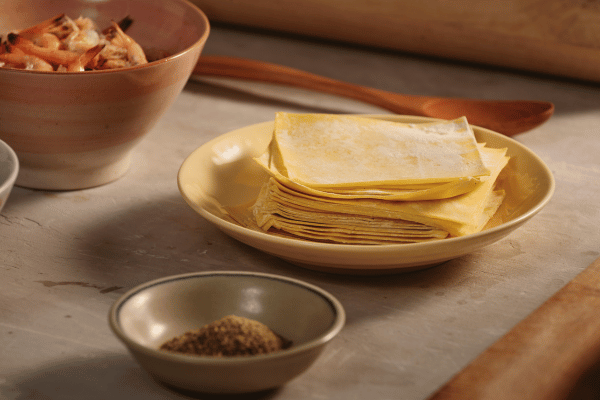
As we’ve discovered, making homemade low carb wonton wrappers is not only achievable but also rewarding. With a few simple ingredients and some basic cooking techniques, you can create wholesome and delicious wontons in the comfort of your own kitchen.
With these recipes in hand, you’ll never have to miss out on the joy of wontons again. Here’s to enjoying delicious, low-carb wonton creations that nourish both body and soul. Happy cooking!