

Try This Simple Mongolian Beef Recipe with Tender, Juicy Steak Strips
What is Mongolian Beef Made Of?
🧑🍳 Mongolian beef features flank steak, cornstarch, soy sauce, brown sugar, garlic, ginger, and green onions. These ingredients coat the meat, thicken the sauce, and enhance the flavor. Vegetable oil for frying, water or beef broth, and optional sesame oil, hoisin sauce, or chili flakes may also be included for added flavor and heat.
Are you looking for a dinner that’s fast, flavorful, and sure to impress? This Mongolian beef recipe is your answer. In less than 30 minutes, you can serve up incredibly tender slices of beef coated in a sticky, savory-sweet sauce, making it perfect for weeknight dinners.
Thinly sliced flank steak ensures tenderness, while a sauce of soy sauce, brown sugar, garlic, and ginger adds a sweet and savory glaze. Coating the beef in cornstarch gives it a crispy edge and thickens the sauce, creating a delicious dish that’s more affordable than takeout.
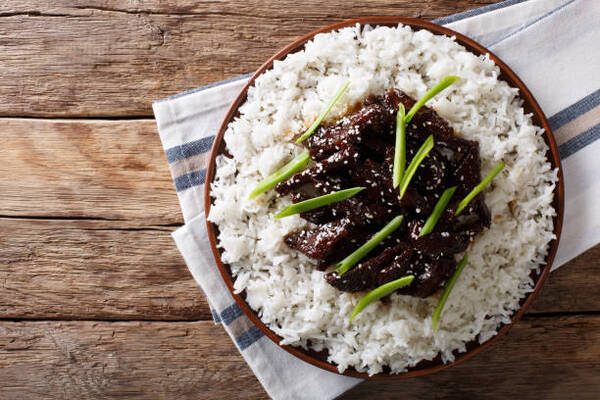
The bold flavors of garlic and ginger shine through, creating a dish that’s better than any takeout you’ve had. Serve it over a bed of fluffy white rice for a complete meal that will have everyone asking for seconds.
Try this easy Mongolian beef recipe today!
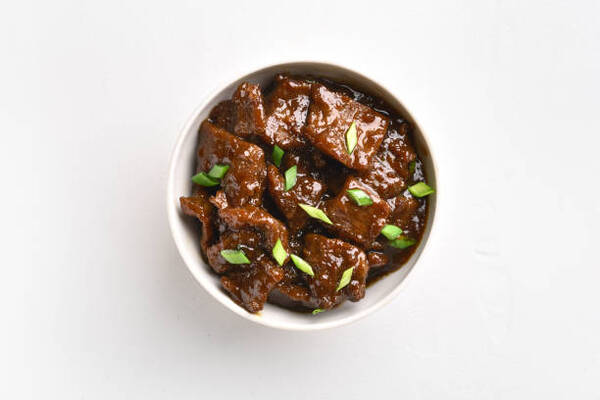
Table of Contents
- Why Make Mongolian Beef at Home?
- Choosing the Best Cut for Mongolian Beef
- Essential Ingredients for Authentic Mongolian Beef
- Step-by-Step Guide to Cooking Mongolian Beef
- Tips for Cooking the Perfect Mongolian Beef
- What to Serve with Mongolian Beef
- Storage and Meal Prep Instructions
- Final Thoughts
Why Make Mongolian Beef at Home?
Bringing your favorite restaurant dishes into your own kitchen is a game-changer. Making homemade Mongolian beef is not only budget-friendly compared to ordering takeout, but it also gives you complete control over the ingredients. You know exactly what’s going into your meal, without any hidden additives.
This easy Mongolian beef recipe is designed for everyone to enjoy. The simple steps, which you can find on the recipe card below, make it a perfect choice for the whole family. While this version is a quick skillet meal, you can also find slow cooker variations for even more convenience.
Flavor Advantages of Homemade Mongolian Beef
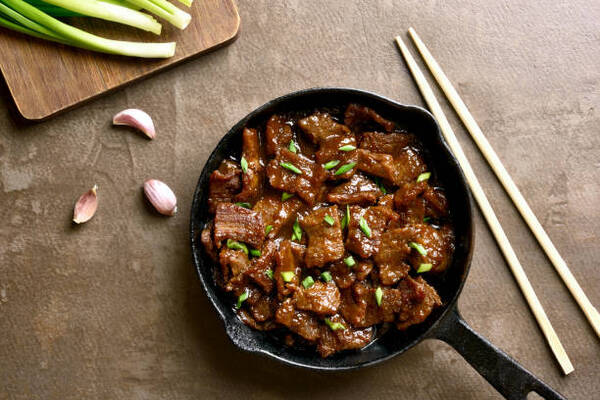
One of the best parts about making homemade Mongolian beef is the ability to customize the flavor to your exact liking. You are in charge of the sauce, which means you can create the perfect balance of sweet and savory.
Do you prefer a sweeter glaze? A little extra brown sugar will do the trick. Want more of a savory kick? Adjust the amount of soy sauce.
The dish’s bold flavors stem from fresh ginger, minced garlic, and rich soy sauce, forming an aromatic base. Brown sugar caramelizes to create the signature sticky sauce that coats each piece of beef.
Topping the dish with freshly sliced green onions adds freshness and a mild crunch, balancing the rich sauce and tender beef. This level of control and flavor is only possible when you make it yourself.
Comparing Homemade and Restaurant Versions
While both can be delicious, making it at home offers distinct advantages, especially on busy weeknights. This easy Mongolian beef recipe allows you to create a restaurant-quality meal with bold flavors in your own kitchen.
Many people strive to replicate PF Chang‘s Mongolian beef at home. The key is tender beef and a balanced sauce. Using low-sodium soy sauce lets you control saltiness and sweetness, unlike when you order out.
Homemade Mongolian beef is more affordable than restaurant versions, making it ideal for families. Cooking at home also lets you control ingredients, choose quality beef, and use low-sodium soy sauce if preferred.
You can also easily customize the flavor to suit your tastes, adjusting the sweetness, saltiness, and spice level however you like. And perhaps best of all, homemade Mongolian beef can be ready in under 30 minutes, saving you the time spent ordering, waiting, and traveling to a restaurant.
In contrast, restaurant versions typically use pre-selected ingredients and offer little chance to modify the dish to your preferences. What you order is what you get, and the process usually takes longer overall.
Choosing the Best Cut for Mongolian Beef
The secret to exceptionally tender beef in your Mongolian beef starts with selecting the right steak cut.
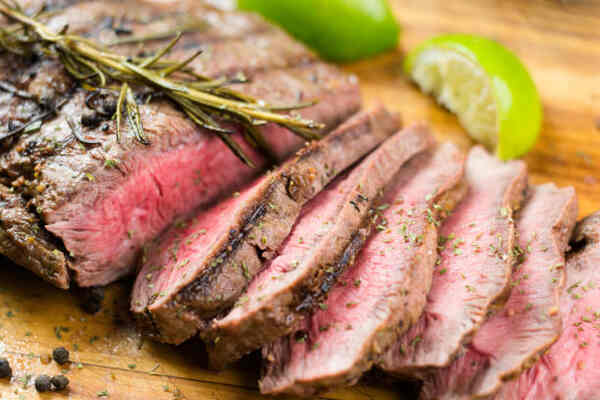
For this type of quick-cooking recipe, your best choice is flank steak. It’s a lean and flavorful cut that becomes wonderfully tender when sliced thinly against the grain. Sirloin steak is another excellent option that works well.
Avoid using tougher cuts like stewing meat, as they require long, slow cooking times to become tender and won’t work for this fast stir-fry. The goal is to choose a cut that can be cooked quickly over high heat without becoming tough or chewy.
Recommended Cuts and Preparation Guide
As mentioned, flank steak is the top recommendation for this dish. Its long muscle fibers make it easy to slice against the grain, which is crucial for tenderness. To prepare your sliced flank steak, a fantastic trick is to place the beef in the freezer for about 20 minutes before cutting. This firms up the meat, allowing you to get super-thin, even slices.
Once your beef is sliced, coating it in cornstarch is a non-negotiable step. This does two amazing things: it creates a light, protective crust that helps the beef sear beautifully, and it acts as a natural tenderizer.
The cornstarch also helps thicken the sauce later on, giving it that perfect consistency. Some recipes might suggest alternatives, but for that classic texture, cornstarch is key.
When preparing flank steak, always slice it against the grain into ¼-inch thick pieces. After slicing, toss the beef with cornstarch until it’s lightly coated, making sure to shake off any excess.
When searing, avoid overcrowding the pan and cook the beef in small batches. Using high heat is important to achieve a quick, crispy sear on the outside of the beef.
Tips for Achieving Tender, Juicy Beef
The ultimate goal of any Mongolian beef recipe is to have incredibly tender, juicy slices of beef. The secret lies in a few key techniques that lock in moisture and prevent the meat from becoming tough. Slicing the beef very thinly and against the grain is the first and most important step.
Next, the cornstarch coating is your best friend. It forms a barrier that protects the beef from the high heat of the pan, keeping the inside juicy while the outside gets a nice crust.
When cooking, you’ll want to use medium-high heat and work in small batches. Overcrowding the pan will cause the slices of beef to steam instead of sear, which results in a tougher, grayer texture.
For guaranteed tender beef every time, cut the beef across the grain, making sure to slice across the long fibers you see in the meat. Before frying, coat the beef with cornstarch to help lock in the moisture.
Cook the beef in small batches to ensure each piece sears rather than steams, and use medium-high to high heat for just a minute or two so the beef stays juicy and tender.
Essential Ingredients for Authentic Mongolian Beef
To get that classic Mongolian beef flavor you love, you’ll need a handful of essential ingredients. The sauce is the star of the show, built on a base of soy sauce for savory depth and brown sugar for a rich, caramelized sweetness. This combination creates the signature taste that makes the dish so addictive.
Fresh aromatics like minced ginger and garlic are also crucial, as they add a layer of zesty, pungent flavor that cuts through the richness of the sauce. Finally, a garnish of fresh green onions provides a pop of color and a mild, crisp finish.
While some recipes might include oyster sauce for extra umami, you can achieve amazing flavor with just these core components.
Key Sauces and Seasonings Used
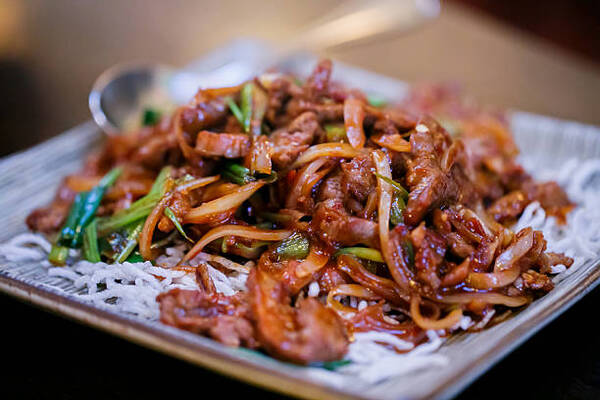
The key to this dish is its simple, irresistible sauce made primarily with low-sodium soy sauce for better salt control and that essential umami flavor. Brown sugar is added to dissolve and thicken the sauce, creating a sticky glaze.
Freshly minced ginger and garlic are what bring the sauce to life. They provide a fragrant, aromatic quality that is a hallmark of many Asian-inspired dishes.
For a little bit of heat, you can add a pinch of red pepper flakes or finely chopped red chilies. This is an easy way to customize the spice level to your family’s preference.
The sauce features low-sodium soy sauce as the savory base and brown sugar for sweetness and a caramelized glaze. Fresh ginger and garlic add bright, aromatic flavor, while green onions serve as a fresh garnish.
Substitutions for Healthier or Allergy-Friendly Options
One of the great things about making this dish at home is how easily it can be adapted for different dietary needs. If you need a gluten-free version, simply swap the regular soy sauce for a gluten-free soy sauce or tamari.
For those looking to make a healthier meal, serving the beef over brown rice instead of white rice is a simple way to add more fiber.
Adjust the sauce ingredients to better suit your health goals. Using less light brown sugar will reduce the overall sugar content, while sticking to low-sodium soy sauce helps manage your salt intake.
You can also use a neutral oil with a high smoke point, like canola or vegetable oil, for frying the beef. While cornstarch is essential for the texture, if you must avoid it, you could try thickening the sauce with a different starch like arrowroot, though the beef’s crust will be different.
For easy substitutions, you can use gluten-free soy sauce or tamari for a gluten-free version, or substitute the beef with firm tofu, pressed and cut into cubes, if you want a vegetarian alternative.
To lower the sugar content, simply reduce the amount of brown sugar in the sauce. For a healthier side, serve the dish with steamed vegetables and brown rice.
Step-by-Step Guide to Cooking Mongolian Beef
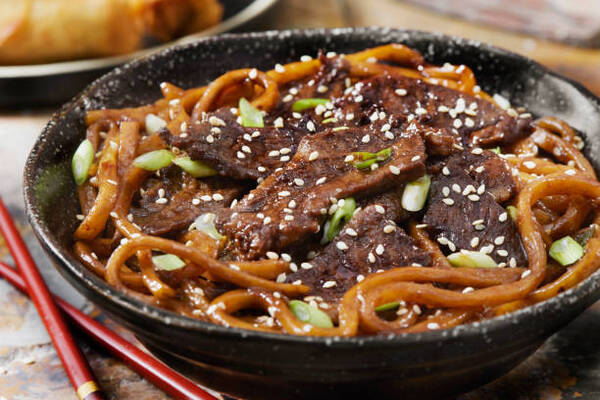
This easy Mongolian beef recipe is perfect for weeknights. Start by tossing sliced flank steak in cornstarch until coated. Cook the beef in small batches on a pan until browned and crispy. Set the cooked beef aside.
In the same pan, cook the remaining ingredients and simmer until thickened. Return the cooked beef to the pan, toss with the sauce, and heat through. Garnish with green onions, and your Mongolian beef is ready to serve!
Ingredients
Here are all the ingredients you will need for this recipe:
- 2 tsp vegetable oil
- ½ teaspoon minced fresh ginger
- 4 cloves garlic, minced
- ½ cup less sodium soy sauce
- ¼ cup water
- ½ cup brown sugar
- 1 lb flank steak, thinly sliced
- ⅓ cup cornstarch
- 2 green onions, sliced
Instructions
Slice the flank steak into thin pieces. Toss with cornstarch, shake off excess, and set aside.
Heat oil in a skillet over medium-low heat. Add minced ginger and garlic; cook until fragrant, about one minute.
Add soy sauce, water, and brown sugar to the skillet and bring to a boil. Cook for 3–5 minutes until slightly thickened. Transfer to a bowl and set aside.
Heat a tablespoon of oil in a pan over medium-high heat. Cook the beef in small batches for about two minutes each side.
Once all of the beef is browned, add the beef and sauce back to the skillet and heat over medium until hot and bubbly.
Remove from heat and stir in green onions before serving.
Tips for Cooking the Perfect Mongolian Beef
To elevate your Mongolian beef from good to great, a few pro tips can make all the difference. Always ensure your wok or skillet is hot before adding the beef.
Cooking over high heat is essential to get a quick sear, which locks in the juices and creates that desirable crispy texture.
Be careful not to overcrowd your pan, as this will steam the meat instead of frying it. Cook the beef in small batches for the best results.
When making the sauce, be sure to cook the ginger and garlic for just a minute until they become fragrant. This releases their oils and deepens their flavor.
Following the measurements on the recipe will help you achieve the perfect balance of sweet and savory for truly bold flavors. To finish, toss in the green onions right at the end to keep them fresh and crisp.
What to Serve with Mongolian Beef
Mongolian beef is incredibly versatile and pairs well with a variety of sides. The most classic way to serve it is over a bed of rice, which is perfect for soaking up every last drop of the delicious sauce.
Both fluffy white rice and nutty brown rice work beautifully. For another option, try serving the beef over noodles, such as lo mein or chow mein, for a satisfying and hearty meal.
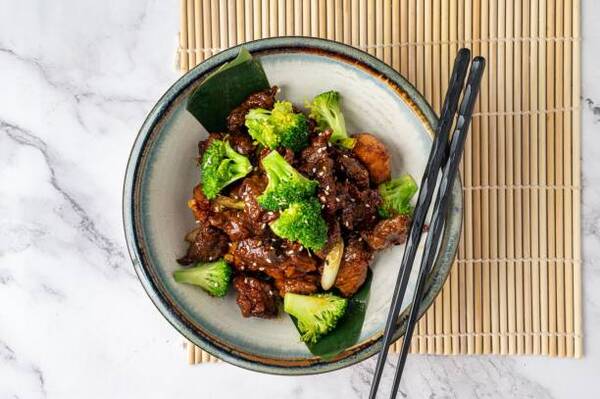
To round out your dinner, add a fresh vegetable on the side. Simple steamed broccoli is a fantastic choice, as its florets are great at catching the sauce. Other wonderful options include sautéed bok choy, crisp red bell pepper strips, or snap peas.
For a lighter, low-carb meal, you can even serve the Mongolian beef in lettuce cups, similar to chicken lettuce wraps.
Storage and Meal Prep Instructions
This recipe is great for meal prep, and leftovers are just as tasty the next day. Store any leftover Mongolian beef in an airtight container in the refrigerator for up to four days.
For longer storage, you can freeze it in single-serving portions for up to four months, making it a perfect grab-and-go lunch.
To reheat, simply warm it over low heat on the stove or in the microwave. You may want to add a splash of water to loosen the sauce.
To get ahead on a busy week, you can prepare components in advance. The sauce can be mixed and stored in the fridge, and the beef can be sliced and kept in a separate container.
When you’re ready to cook, your prep time will be cut in half! It’s a great way to plan for a quick meal.
Final Thoughts
This Mongolian beef recipe is a true winner for any home cook looking for a quick, delicious, and satisfying meal. It delivers that restaurant-quality experience with minimal effort, making it an easy Mongolian beef dish that the whole family will love.
While it may not be an authentic dish from Mongolia, but rather a Chinese-American classic, it strikes the perfect balance of sweet and savory flavors that have made it a global favorite.
Enjoy making this takeout staple in your own kitchen! Check out more tasty low-carb beef recipes on our blog.