

The Science Behind a No Carb No Sugar Diet and How it Affects Your Body
What Can I Eat on a No Carb No Sugar Diet?
👉 Nutrient-dense foods like meats, seafood, eggs, and healthy fats including avocado oil or olive oil. On a no carb no sugar diet, you must cut out all items that are rich in carbohydrates and sugars such as bread, pasta, cereals, desserts, and sweet drinks. Be mindful to also read food labels carefully as many pre-packaged snacks contain concealed carbs and sugars.
The no carb no sugar diet has been gaining a lot of traction with many individuals embracing it as a means to lose excess weight and boost their overall health. But is this dietary strategy effective for weight loss? While some advocates have seen tremendous results, there are those who contend that such an approach isn’t feasible in the long run and may even be detrimental to one’s well-being.
Advocates of the no carb no sugar diet claim that this dietary method leads to rapid weight loss since it forces the body to burn fat instead of glucose from carbs or sugar. On top of that, they argue this type of nutrition plan can help stabilize blood sugar levels, reduce inflammation, and improve overall health.
Despite its purported benefits, opponents of the diet warn that it may be challenging to sustain in the long run due to restricted food options and potential nutrient deficiencies. Moreover, they emphasize that not all carbs or sugars should be avoided. Some sources (e.g., whole grains and fruit) can contribute positively towards a nutritious lifestyle.

Although some research suggests that cutting back on carbohydrates can help you lose weight and improve your health, it is unnecessary to eliminate them entirely. This extreme diet provides certain benefits, but there are also potential adverse effects and this may be difficult to maintain in the long term.
Ready to learn about the potential advantages and disadvantages of a no carb no sugar diet? Read this article for insight into which foods are ideal when following the plan—and which ones you should steer clear from.
Table of Contents
- What is a No Carb No Sugar Diet?
- Foods to Avoid on a No Carb No Sugar Diet
- Foods to Eat on a No Carb No Sugar Diet
- Can a No Carb No Sugar Diet Help You Lose Weight?
- Potential Benefits of a No Carb No Sugar Diet
- Side Effects of a No Carb No Sugar Diet
- No Carb No Sugar Diet vs Keto Diet
- Frequently Asked Questions
- Final Words: Eat a Balanced Diet
What Is A No Carb No Sugar Diet?
The no carb no sugar diet is exactly what it sounds like. It cuts out all carbohydrates and sugar in your diet. Many individuals believe that by removing carbs and sugar from their diets they may enjoy quick weight loss results, although there are some worries about how eliminating carbs can affect one’s health overall. Let us now assess if cutting out both sugars and carbohydrates has an impact on our well-being.
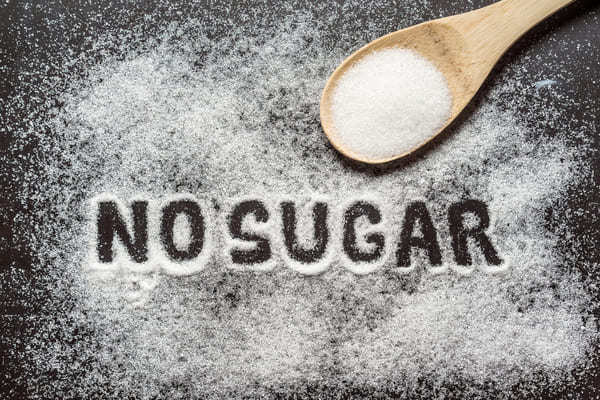
Why Cut Carbs And Sugar?
In recent years, carbohydrates and sugar have been demonized as foes of weight loss. As a result, many dieters completely remove them from their meals. However, this approach goes against current scientific evidence that suggests expelling carbs could be detrimental to your overall health.
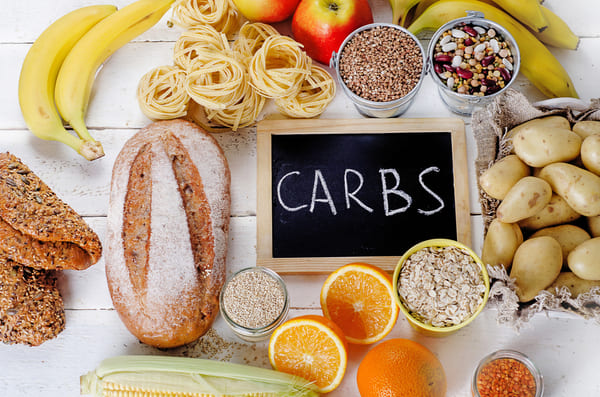
Foods to Avoid on a No Carb No Sugar Diet
If you’re considering a no-carb diet, be aware that it is severely restrictive. It eliminates many essential food groups, including the following:
- Grains: rice, barley, quinoa, wheat, bread, pasta
- Sweets and processed foods: cakes, cookies, candy, sodas, sugary drinks
- Starchy vegetables: potatoes, peas, corn, squash
- Fruits: apples, bananas, berries, oranges, pears
- Beans and legumes: black beans, chickpeas, kidney beans, lentils
- Condiments with added sugar: ketchup, barbecue sauce, salad dressings
- Alcohol: beer, wine, sugary mixed drinks.
Foods to Eat on a No Carb No Sugar Diet
A no-carb meal plan typically consists of the following:
- Meat: chicken, beef, pork, turkey, lamb, venison
- Low-carb animal products: eggs, butter, lard, cheese
- Seafood: salmon, cod, sardines, crab, shrimp, herring
- Seasonings: herbs and spices
- Zero-calorie beverages: water, black coffee, and plain tea
Less restrictive no carb no sugar diets may also allow the following:
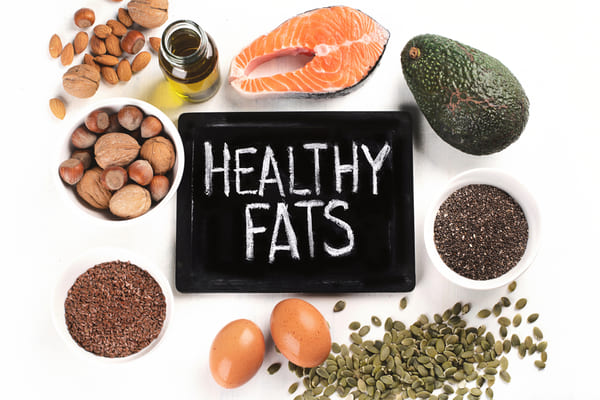
- Low-carb nuts and seeds: almonds, cashews, walnuts, pistachios, pumpkin seeds, sunflower seeds
- Non-starchy vegetables: broccoli, cauliflower, zucchini, bell peppers, rutabaga, turnips, Brussels sprouts, asparagus, and mushrooms
- High-fat fruits: coconut and avocado.

Sample No-Carb Diet Menu
Here’s a five-day meal plan you can follow on a no-carb diet.
Day 1
- Breakfast: eggs and bacon, sliced avocado
- Lunch: romaine lettuce with turkey, cheese, and olive oil dressing
- Dinner: salmon and zucchini noodles
Day 2
- Breakfast: eggs and turkey sausage
- Lunch: scallops, Brussels sprouts roasted with Parmesan cheese
- Dinner: pork chops, roasted tomatoes, and turnips
Day 3
- Breakfast: eggs, steak, bell pepper strips
- Lunch: tuna-fish lettuce wraps, carrots dipped in mashed avocado
- Dinner: lamb chops, spinach salad with walnuts
Day 4
- Breakfast: cheesy eggs with broccoli, chicken sausage
- Lunch: flank steak and arugula salad with olive oil dressing, cashews
- Dinner: coconut-crusted shrimp and roasted asparagus
Day 5
- Breakfast: eggs with shredded chicken and cheddar cheese
- Lunch: turkey burger patties with rutabaga fries
- Dinner: meatballs and zucchini noodles

Can a No Carb No Sugar Diet Help You Lose Weight?
After consuming food, your body transforms carbohydrates into glucose or sugar that fuels the body. Following a very low-carbohydrate diet like keto puts your body into nutritional ketosis, which uses fat instead of carbs for energy.
In ketosis, your liver metabolizes body fat and releases ketones. The body uses them as a substitute source of energy. Initially, you will experience water weight loss since glycogen (which stores up with water in the body) gets wiped out. This leads to the evaporation of excess fluids present due to glycogen reserves.
Unfortunately, the water weight will inevitably return once you start consuming carbohydrates again. To lose fat effectively, it is advised to maintain a low-carb meal plan or keto diet for more than two or three weeks. This will kickstart and sustain the burning of fat as alkaloids are not able to activate this process until about 15 days have passed.
Potential Benefits of a No Carb No Sugar Diet
Even though no research exists on diets that eliminate carbohydrates entirely, studies in very low-carb and ketogenic diets indicate they may bring a variety of benefits.

- May benefit heart health: Eating fewer carbohydrates may be beneficial for your heart health. Research has shown that very low-carb diets can help reduce the risk of heart disease by reducing blood triglyceride levels. Additionally, these types of diets have been linked to an increase in HDL (good) cholesterol levels that help protect the heart from cardiovascular issues. Though further studies should be conducted on this topic, current data suggest positive correlations between reducing carb intake and improved cardiac health.
- May improve blood sugar control: Low-carb and keto diets can help control blood sugar levels, especially for those with diabetes. Studies have proven that these types of diets reduce spikes in glucose concentrations in the body, thereby potentially avoiding diabetic complications. Nevertheless, it’s not necessary to completely eliminate carbohydrates from your diet. You can still manage diabetes on higher-carb intakes as well.
Side Effects of a No Carb No Sugar Diet
- Nutrient Deficiencies: Cutting out carbs completely could leave you depleted of essential vitamins and minerals such as potassium, B vitamins, and vitamin C usually found in fruits and vegetables. Additionally, the increased urination triggered by this diet may lead to deficiencies of sodium and potassium if maintained for an extended period.
- Brain Fog: With your body trying to even out its blood sugar levels, you may experience issues with concentration and memory. Glucose is the brain’s main source of energy, so when transitioning to ketones it is plausible such symptoms will arise.
- Digestive Discomfort: When following a no-carb or very low-carb diet, bloating is common due to the lack of fiber in your meals. Fiber is essential for digestion since it assists with regular bowel movements. The lack of dietary fibers may bring about constipation as well as distress in the gastrointestinal area.
- Weird Breath: As your body runs on fatty acids, it produces ketones that exit through the breath. This may result in a sweet or fruity smell and an unpleasant taste like rotting apples.
- Low Blood Sugar Levels: A zero-carb diet might sound beneficial in lowering blood sugar levels for diabetics. But this approach can actually be harmful to some. It’s important to consult with your doctor before deciding whether such a dietary plan is suitable for you.
- Low Energy: When you cut down on carbohydrates, it can leave you feeling irritable and grumpy. This is due to the reduced amount of serotonin released in your brain, a neurotransmitter that helps promote positivity, reduce anxiety, and lessen depression. Low-carb eating can also impair cognitive performance, and cause nausea and sleep deprivation in the short term as a result of metabolic changes.
No Carb No Sugar Diet vs Keto Diet
Both of these diet plans aim to reduce carb intake to promote weight loss and optimize overall health. The no carb no sugar diet eliminates all sources of carbs and sugar, while on a keto plan, you are permitted to consume up to 50 grams per day. To induce ketosis, the majority of your daily calories must come from healthy fats.

While both diets have been scientifically proven to help with weight loss, the keto diet has seen more significant research. It has been linked to additional health benefits such as increased insulin sensitivity and better blood sugar control. However, following a strict ketogenic meal plan can be tricky due to its exacting macronutrient ratios, not to mention that some may experience unpleasant side effects referred to as the “keto flu”.
On the contrary, a no carb no sugar diet may be simpler for some individuals as it doesn’t need much monitoring or tracking. Still, keep in mind that this approach might not be sustainable over time as several nutritious foods such as vegetables, legumes, fruits, and whole grains are off-limits.
Overall, both eating plans can be beneficial for boosting health and losing weight if they are done correctly with the help of a medical professional. But it’s critical to consider individual needs and tastes when selecting a particular diet.
Frequently Asked Questions
How Much Weight Can You Lose with No Carbs and No Sugar?
If you’re looking to shed pounds, a no carb no sugar diet may be the answer, but results will vary depending on your age, gender, and body composition. Followers of this type of eating plan can expect to drop weight quickly initially due to water loss from glycogen depletion before their rate of reduction slows down in subsequent weeks.
What Happens When You Stop Eating Carbs and Sugar?
Giving up carbohydrates and sugars can quickly result in the burning of fat, causing fast weight loss and improved blood sugar levels. This change to your diet is not only an effective means for slimming down but may also reduce inflammation. However, everyone has different body chemistry, and so this type of plan may be unsustainable or unsuitable for some individuals.
Final Words: Eat a Balanced Diet
The no carb no sugar diet may be an efficient approach to slimming down and optimizing your health. Still, it is important to take a balanced and sustainable approach to this form of eating. Eliminating refined carbs and sugars can have several advantages, but make sure that your body receives all the nutrients necessary for its proper functioning.

If you wish to reach your ideal weight, then focus on nourishing yourself with nutrient-dense foods instead of merely eliminating certain items. Consume more lean proteins, fresh fruits and veggies, whole grains, and healthy fats. Filling up on such nutritious food will not only help in supporting your weight loss goals but also supply essential minerals and vitamins required by your body for optimal functioning.
Along with a balanced diet, regular physical activity is essential to a healthy lifestyle. Whether you prefer going on hikes, taking yoga classes, or lifting weights at the gym, exercise not only helps slim down but also enhances well-being by elevating mood levels and increasing energy. It’s an all-around beneficial addition for both body and mind.
Ultimately, nourishing your body with nutrient-rich, whole foods and exercising regularly will help you stay on track with your health and wellness goals.