

Discover Rice Paper Carbs, its Nutritional Benefits, and How to Incorporate them into Your Diet Making an Informed Approach to Healthy Eating.
Is Rice Paper Gluten Free?
✅ YES! Rice paper carbs are naturally gluten-free as it is made from rice flour, making it a suitable option for those with gluten sensitivities or celiac disease.
Imagine a spring roll filled with juicy, light veggies and tender shrimp. You extend your hand towards the rice paper, but pause momentarily to consider, how many carbs does this stuff contain?
Watching out for the number of carbohydrates in your food due to a low-carb diet, diabetes control, or just tracking your nutrition—information on the nutritional content of ingredients is crucial. Rice paper is a favorite staple in many Asian dishes, treasured for its fine texture and flexibility.
The blog “Rice Paper Carbs Explained: What You Need to Know” really gets you up close and personal with rice paper carbs. We discuss nutritional information, its place in a variety of diets, and its health implications.
We’ll give some useful tips on how to include rice paper in low-carb meals, along with some creative recipe ideas. So, from kitchen pros down to newbies, this guide gives you the lowdown on all things rice paper and carbs.

Table of Contents:
- What is Rice Paper?
- Rice Paper Carbs Count
- Health Benefits
- Tips for Using Rice Paper in a Low-Carb Diet
- Recipe Ideas
- Frequently Asked Questions on Rice Paper Carbs
- Final Thoughts
What is Rice Paper?
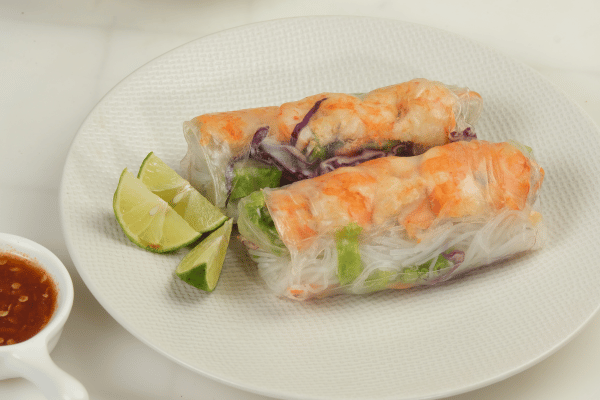
Rice paper primarily consists of rice flour, water, and salt, making it a thin edible paper. Originating from East and Southeast Asia, rice paper has been popular in various dishes in Vietnamese cuisine, including fresh spring rolls and fried spring rolls. Long-term treatment has made this paper nearly translucent, making it easy to wrap fillings of vegetables, shrimp, or pork.
Ingredients: Rice papers mostly consist of rice flour, water, and salt. Tapioca starch is a common addition to some variations to add flexibility.
Rice Paper Carbs Value
- Carbohydrates: For the most part, each rice paper carries around 8–10 g of carbohydrates. As a result, it falls into the medium-carb category for controlling carbohydrate intake.
- Other Nutritional Facts: On average, a single rice paper wrapper contains approximately 30-40 calories, less than 1 gram of protein, and negligible fat. It’s a low-calorie and low-fat option that adds very little protein to your diet.
- Contrast: Concerning other common wrappers, the carbohydrate content in rice paper is more moderate. Tortillas usually contain much more carbohydrates than rice paper, with an average of 15–20 grams contained in each piece. Wonton wrappers contain about 7-9 grams in each wrapper. Hypothetically, the lettuce leaves contain a very low amount of carbohydrates, with a single leaf containing less than 1 gram of carbohydrates.
Rice Paper Carbs Count
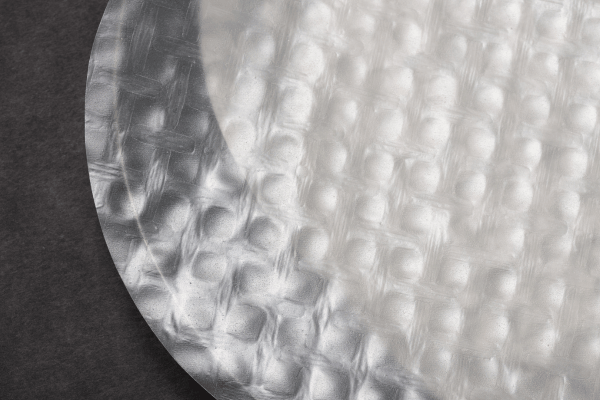
Here’s a detailed look at the nutritional content of a standard rice paper sheet, typically used for spring rolls. Note that values can vary slightly depending on the brand and size of the sheet.
The nutritional information is provided for a single rice paper sheet, which measures approximately 8.5 inches in diameter.
- Calories: 35–40 kcal
- Total Fat: 0 grams
- Saturated Fat: 0 grams
- Trans fat: 0 grams
- Cholesterol: 0 milligrams
- Sodium: 10–20 milligrams
- Total Carbohydrates: 8–10 grams
- Dietary Fiber: 0–1 grams
- Sugars: 0 grams
- Protein: 0–1 grams
- Vitamins and Minerals:
- Calcium: 0–2 milligrams
- Iron: 0.1-0.2 milligrams
Health Benefits
- Impact on Low-Carb Diets: Given that rice paper is not completely carb-free, a person may consider it for a low-carb or keto plan. Rice paper usually comes in at about 8–10 net carbs per sheet, so it can easily fit into a low-carb plan if portions are kept relatively in check. Despite its lightness and thinness, rice paper serves as a suitable replacement for higher-carb options such as tortillas or bread. However, it is advisable to consume it in moderation to ensure you meet your daily carb limit.
- Diabetic Considerations: A diabetic must carefully monitor the carbohydrate content of their diet, as carbohydrates can raise blood glucose levels. When a diabetic considers rice paper’s carbohydrate content, they can consume it in minimal amounts, matching their intake with other low-carb foods. With a low fat and calorie content, this is a much healthier option compared to using higher-calorie foods.
- General Health Benefits: In addition, rice paper has other health benefits. It is gluten-free; this makes it very good for celiac sufferers or those who are gluten-intolerant. It eliminates fat, providing us with a heart-healthy, low-fat solution. It facilitates the creation of a straightforward, natural food product, typically consisting of only rice flour, water, and salt.
Tips for Using Rice Paper in a Low-Carb Diet

Incorporating rice paper into a low-carb diet can be challenging since rice paper is primarily made from rice flour, which is high in carbohydrates. However, with some mindful strategies, you can still enjoy rice paper wraps while keeping your carb intake in check. Here are some tips:
1. Portion Control
- Use Smaller Rice Papers: Opt for smaller rice papers or cut standard-sized ones in half to reduce the amount of carbs per serving.
- Limit the Number of Wraps: Instead of multiple rice paper rolls, enjoy just one or two and fill up on low-carb sides or salads.
2. Choose Low-Carb Fillings
- High-Protein Ingredients: Fill your rice paper with lean proteins such as chicken, turkey, shrimp, tofu, or tempeh.
- Non-Starchy Vegetables: Use vegetables like lettuce, spinach, cucumbers, bell peppers, and zucchini. Avoid starchy vegetables like carrots and corn.
- Healthy Fats: Add avocado slices, nuts, or seeds to increase satiety and balance the macronutrient profile.
3. Alternative Wrap Options
- Use Rice Paper Alternatives: Explore low-carb wrap alternatives such as lettuce leaves, collard greens, or cabbage leaves.
- Combine with Other Low-Carb Wraps: Mix and match rice paper with lower-carb options to enjoy the texture without consuming too many carbs.
4. Dipping Sauces
- Low-Carb Sauces: Be mindful of the dipping sauces. Opt for low-carb sauces like soy sauce, tamari, or homemade peanut sauce using unsweetened peanut butter and sugar substitutes.
- Control Portions: Use dipping sauces sparingly to keep the overall carb count lower.
5. Homemade Rice Paper
- Experiment with Low-Carb Recipes: Some recipes use low-carb flour or a combination of rice flour and low-carb alternatives. This can be a more complex option but worth exploring if you love rice paper wraps.
6. Balance Your Diet
- Daily Carb Limits: Ensure that the rest of your meals are very low in carbs to accommodate the carbs from rice paper.
- Monitor Macros: Track your macronutrient intake to stay within your carb limits while ensuring you get enough protein and fats.
7. Hydration and Fiber
- Stay Hydrated: Drink plenty of water to help your body manage the carbs and maintain overall health.
- Increase Fiber: Include high-fiber foods in your diet to aid digestion and balance blood sugar levels.
8. Occasional Treat
- Moderation is Key: Treat rice paper wraps as an occasional indulgence rather than a staple in your diet. This way, you can enjoy them without significantly impacting your low-carb regimen.
Recipe Ideas
Shrimp and Avocado Rice Paper Rolls

Ingredients:
- Rice paper sheets (use smaller ones or cut in half)
- Cooked shrimp, sliced in half lengthwise
- Avocado, thinly sliced
- Cucumber, julienned
- Red bell pepper, julienned
- Fresh mint leaves
- Fresh cilantro leaves
- Lettuce leaves, torn into small pieces
- Low-carb dipping sauce (e.g., soy sauce or a homemade peanut sauce with sugar substitute)
Instructions:
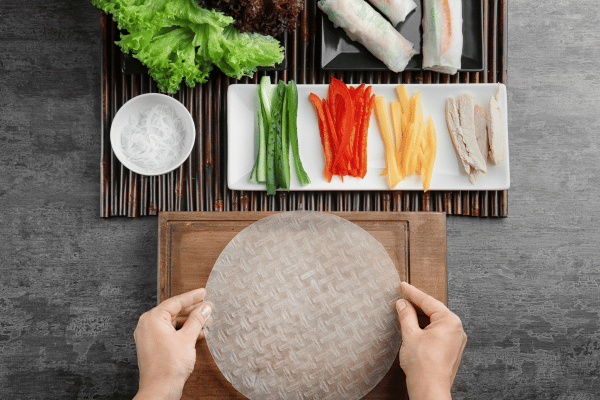
- Soak the rice paper sheets in warm water until pliable.
- Lay a rice paper sheet on a flat surface and layer lettuce, shrimp, avocado, cucumber, bell pepper, mint, and cilantro.
- Roll tightly, folding in the sides as you go.
- Serve with a low-carb dipping sauce.
Chicken and Veggie Spring Rolls

Ingredients:
- Rice paper sheets (use smaller ones or cut in half)
- Cooked chicken breast, thinly sliced
- Zucchini, julienned
- Red cabbage, shredded
- Carrot (use sparingly or omit for lower carb), julienned
- Fresh basil leaves
- Fresh mint leaves
- Lettuce leaves, torn into small pieces
- Low-carb dipping sauce (e.g., tamari or chili-lime sauce)
Instructions:
- Soak the rice paper sheets in warm water until pliable.
- Lay a rice paper sheet on a flat surface and layer lettuce, chicken, zucchini, red cabbage, carrot, basil, and mint.
- Roll tightly, folding in the sides as you go.
- Serve with a low-carb dipping sauce.
Tofu and Avocado Wraps

Ingredients:
- Rice paper sheets (use smaller ones or cut in half)
- Firm tofu, sliced into thin strips
- Avocado, thinly sliced
- Cucumber, julienned
- Spinach leaves
- Fresh cilantro leaves
- Fresh basil leaves
- Low-carb hoisin sauce or soy sauce for dipping
Instructions:
- Soak the rice paper sheets in warm water until pliable.
- Lay a rice paper sheet on a flat surface and layer spinach, tofu, avocado, cucumber, cilantro, and basil.
- Roll tightly, folding in the sides as you go.
- Serve with a low-carb dipping sauce.
Frequently Asked Questions on Rice Paper Carbs
How Many Rice Paper Carbs?
On average, one sheet of rice paper contains about 8–10 grams of carbohydrates. This can vary slightly depending on the brand and size of the sheet.
Are Rice Paper Carbs Comparable to Other Wraps?
Rice paper generally has more carbs than lettuce wraps or seaweed sheets but fewer carbs than traditional wheat tortillas and flatbreads.
Can I Include Rice Paper in a Low-Carb Diet?
Yes, you can include rice paper in a low-carb diet if you monitor your portion sizes and overall daily carb intake. It can be a good option for occasional use.
Is Rice Paper Suitable for a Keto Diet?
Rice paper is not typically suitable for a strict keto diet due to its carb content. However, if you can stay within your daily carb limits, you might include it in small amounts.
Are there any Low-Carb Alternatives to Rice Paper?
Yes, alternatives include lettuce leaves, cabbage leaves, collard greens, and seaweed sheets, all of which are lower in carbs than rice paper.
Final Thoughts
Understanding the carbohydrate content of rice paper is essential for anyone looking to make informed dietary choices, whether for managing blood sugar levels, adhering to a low-carb or keto diet, or simply being mindful of their nutritional intake. Rice paper, with its delicate texture and versatility, is a popular ingredient in many Asian dishes, but its carb content is a key consideration for many.
In this blog, we’ve explored the nutritional facts of rice paper, highlighting its low-calorie, fat-free profile and its primary composition of carbohydrates. We’ve also discussed the health implications, offering insights into how rice paper can fit into various dietary plans. Additionally, we’ve provided practical tips and creative recipe ideas to help you enjoy rice paper while managing your carb intake effectively.
Remember, moderation is key, and with the right approach, you can enjoy the culinary delights of rice paper without compromising your health goals. So go ahead, make those delicious low-carb spring rolls, and savor every bite, knowing you’re making an informed choice.