

Discover What to Drink During Intermittent Fasting Today
What Can I Drink During Intermittent Fasting?
👉 During intermittent fasting, stick to water, black coffee, and unsweetened tea as they have no calories and won’t disrupt your fast. These drinks keep you hydrated and help control hunger. Skip sugary or caloric beverages such as sodas and juices to maintain the effectiveness of your fast.
Intermittent fasting is trending due to its health benefits, such as aiding weight loss, improving insulin function, and reducing inflammation. It’s important to consider not only what you eat during eating periods but also what you drink while fasting.
Staying hydrated is crucial during intermittent fasting to maintain energy levels, support bodily functions, and enhance fasting benefits. Avoid sugary or artificially sweetened drinks as they can impact blood insulin levels and disrupt the fasting process.
Water is your best hydration option, with zero calories and many health benefits. Choose herbal teas like green or chamomile tea to stay hydrated and improve health during fasting. Black coffee can enhance intermittent fasting with its low-calorie content.
In this blog post, we’ll share essential tips on staying hydrated during intermittent fasting. We’ll discuss the best drinks to choose from and those to avoid, helping you stay hydrated and optimize your fasting experience.
Table of Contents
- What is Intermittent Fasting?
- What to Drink During Intermittent Fasting
- What to Avoid Drinking During Intermittent Fasting
- Special Considerations for Hydration
- Frequently Asked Questions
- Final Thoughts
What is Intermittent Fasting?
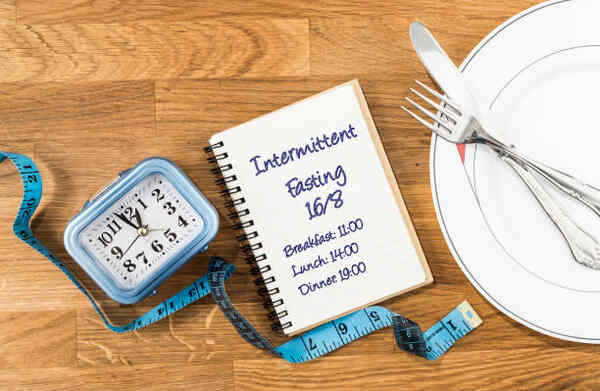
Intermittent fasting involves alternating between eating and fasting periods, even avoiding beverages with calories. It may be challenging to stay hydrated during fasting, but drinking water is essential for proper body function and maximizing the benefits of intermittent fasting.
By ensuring you drink enough water and following hydration tips while fasting, you can navigate this journey healthily.
If you have a medical condition, consult your doctor before attempting intermittent fasting, especially if you have chronic diseases, diabetes, blood sugar issues, low blood pressure, take medications, are underweight, have a history of eating disorders, are trying to conceive, or are pregnant or nursing.
The Importance of Staying Hydrated While Fasting
Staying hydrated during fasting is crucial for your health and well-being. Sufficient water intake aids in digestion boosts metabolism, promotes proper blood circulation, regulates body temperature, and prevents dehydration symptoms like fatigue, dizziness, and headaches.
Drinking enough fluids during fasting can help curb hunger and cravings, making it easier to stick to the eating time frame. Opt for plain water as it’s calorie-free and keeps you hydrated without breaking your fast.
To stay hydrated during the day and fasting period, keep a water bottle handy and check for light-colored urine to ensure good hydration. These actions help maintain proper hydration levels during fasting without consuming any calories.
How Intermittent Fasting Affects Your Water Needs
When you do intermittent fasting, you have limited eating times and long periods without food. Due to this eating-fasting cycle, your body may not get as much water from food as usual.
Remember, a good portion of our daily water intake comes from food. So, with less food coming in during those fasting times, drinking enough water becomes even more essential to keep yourself hydrated.
Everyone requires varying amounts of water based on factors like age, gender, activity level, and climate. A general guideline is aiming for at least 8 glasses (around 64 ounces) daily. Consider drinking more if you feel thirsty, have been active, or are sweating due to the heat.
To ensure you drink enough during intermittent fasting, consider carrying a water bottle or setting reminders to stay hydrated throughout the day.
What to Drink During Intermittent Fasting
During intermittent fasting, sticking to drinks like water, herbal teas, and black coffee is a smart move. Having water helps you stay hydrated without breaking your fast.
Herbal teas not only keep you hydrated but also offer health benefits. Opting for black coffee without sugar or cream gives your metabolism a boost during fasting.
These options are ideal as they are calorie-free and won’t disrupt your fasting state. Avoid sugary drinks and items with artificial sweeteners to support your intermittent fasting plan and lose weight effectively.
Water
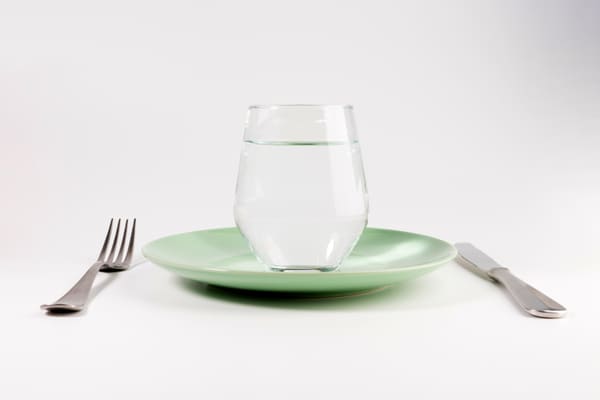
When it comes to staying hydrated during intermittent fasting, opt for plain water. It quenches your thirst without adding any calories, which is ideal for fasting.
Drinking water during your fasting period helps replenish lost fluids from sweat, breath, and bodily functions. It maintains optimal hydration levels and supports overall health.
Water offers numerous benefits such as enhancing brain function, boosting energy, aiding digestion, and promoting healthier skin. Drinking water during fasts may also help curb hunger, reducing the risk of overeating later on.
To stay well-hydrated, keep a water bottle with you all the time for easy sipping. Aim for at least 8 glasses daily, more if you’re active or extra thirsty.
Herbal Teas
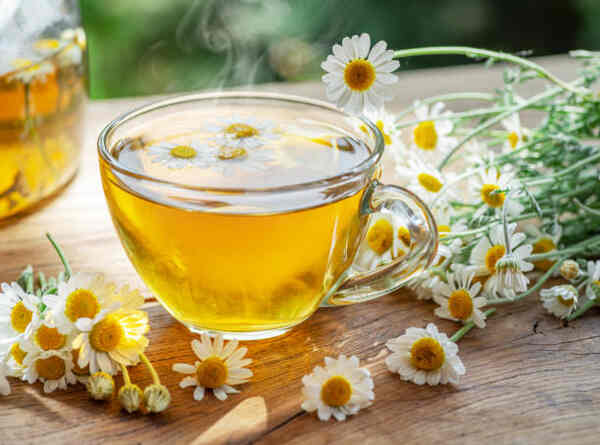
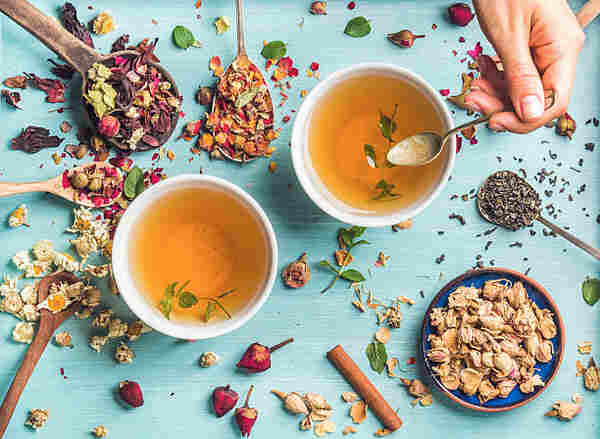
Herbal teas are a great option for intermittent fasting. Not only do they keep you hydrated, but they also provide various health benefits. These teas, made from dried fruits, flowers, herbs, and spices, offer a range of flavors and aromas to savor.
Boost hydration with herbal teas during fasting since they are mainly water-based. Enjoy the antioxidants in these teas, which help protect cells and reduce inflammation.
Enjoy the relaxation effects of teas like chamomile and lavender, which can alleviate stress during fasting. Additionally, improve digestion by sipping on peppermint or ginger tea if experiencing stomach discomfort or bloating.
When selecting a herbal tea during intermittent fasting, opt for caffeine-free options to avoid affecting insulin response. Popular choices are chamomile for relaxation, peppermint for digestion, ginger for indigestion, and hibiscus for its distinct flavor.
Black Coffee
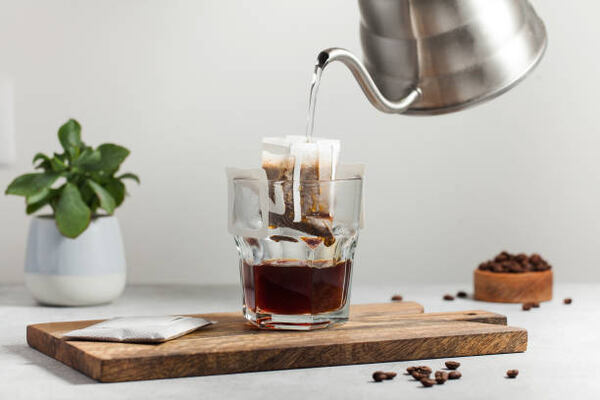
During intermittent fasting, opt for black coffee as it’s low in calories and won’t break your fast. Be cautious not to add sugar or cream, which could spike insulin levels and disrupt your fast.
Go ahead and enjoy black coffee during fasting as it’s low in calories and won’t disrupt the process. Avoid sugar and cream since they add extra calories, blocking fat burning.
Monitor your coffee intake during fasting. While black coffee is fine, excessive consumption may disrupt sleep, worsen anxiety, or harm your health.
Remember, water should be your go-to drink for hydration. Although coffee helps with fluid intake, it’s no substitute for water as the primary way to stay hydrated during fasting.
When drinking black coffee during this time, be mindful of how your body responds. If caffeine makes you jittery or disrupts sleep, reduce intake or switch to decaf. Following these tips will preserve the health benefits of intermittent fasting and black coffee without side effects.
What to Avoid Drinking During Intermittent Fasting
When practicing intermittent fasting, choosing the right beverages is key. Some drinks align with the plan, while others are best avoided.
These poor choices consist of sugary drinks and anything containing artificial sweeteners. This is because they can disrupt your insulin levels and end your fasting state by causing you to consume excess calories.
During fasting, choose your sips wisely to maximize the benefits of intermittent fasting and stay on track with your health goals. Avoiding certain drinks makes sticking to your fast much simpler.
Sugary Drinks
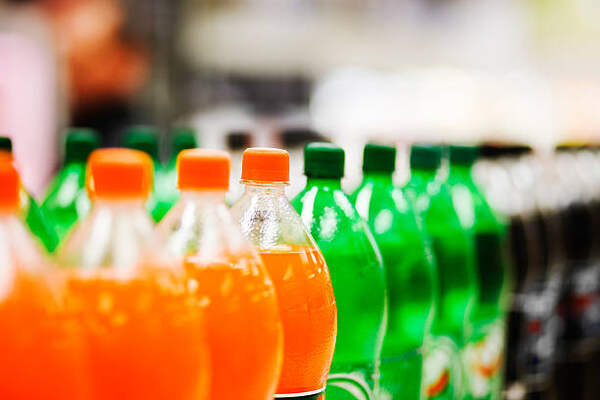
While intermittent fasting, steer clear of sugary drinks such as soda, energy drinks, and fruit juices. They contain added sugars and calories that can spike insulin levels and break your fast.
Having these drinks may lead to rapid blood sugar fluctuations, causing premature hunger. This can trigger overeating and intensify cravings for additional food.
Regularly consuming sugary drinks is associated with increased risks of obesity, type 2 diabetes, heart disease, and other long-term health issues. Opt for healthier hydration choices to maintain the benefits of intermittent fasting and overall well-being.
Artificially Sweetened Beverages
Drinking diet sodas and zero-calorie beverages during fasting may seem wise compared to sugary drinks. However, studies indicate they may not be as beneficial.
Despite being sugar-free, the artificial sweeteners in these calorie-free beverages can trigger a sugar-like response in your body. This reaction can disrupt your fasting by increasing hunger and triggering more food cravings.
Additionally, research suggests that artificial sweeteners may affect blood sugar control and impact your body’s metabolism.
While further studies are necessary to fully understand the situation, it’s prudent to be cautious with such drinks while fasting. Consider alternative methods to stay hydrated.
Special Considerations for Hydration
When you’re doing intermittent fasting, staying hydrated is super important. But there are a few extra things to think about.
During fasting, ensure you cover these basics. Consider adding foods or supplements rich in electrolytes. This helps you stay hydrated and maintain bodily functions during intermittent fasting.
Electrolyte Balance and Intermittent Fasting
Maintaining electrolyte balance is important in your intermittent fasting pattern to support hydration. Electrolytes, such as sodium, potassium, and magnesium, play a crucial role in fluid balance, nerve function, muscle contractions, and other bodily processes.
Here are the main electrolytes and their functions in the body: Sodium maintains fluid balance and helps with nerve and muscle function. Potassium regulates fluid balance and supports heart and muscle function. Magnesium is involved in energy production, muscle relaxation, and bone health.
On fasting days, make sure you get enough electrolytes from food or vitamin supplements. Foods like leafy greens, avocados, nuts, and seeds are rich in electrolytes. You can also use electrolyte supplements to stay hydrated while fasting.
Listen to your body and adjust electrolyte intake as needed based on your individual requirements.

Understanding Hunger vs. Thirst Signals
During intermittent fasting, it’s key to tell apart feelings of hunger from thirst. This helps avoid eating too much or drinking more than you need. Sometimes, our bodies mix up the signals for thirst and hunger, making us eat when we actually just need water.
When fasting, paying close attention to what your body is telling you is crucial. If you’re not sure if you’re really hungry or just thirsty, a good trick is to drink a glass of water and wait a bit to see if that feeling of wanting food goes away.
Keeping yourself well-hydrated can also keep those hunger pangs at bay during times of fasting because sometimes what feels like hunger is actually just dehydration kicking in.
In addition to hydration, staying mindful of your food choices during the eating window is key. Opt for whole, nutrient-dense foods such as lean proteins, healthy fats, and plenty of fruits and vegetables.
Avoid eating food with highly processed or sugary ingredients that can spike your blood sugar and break your fast. Remember, intermittent fasting is not an excuse to binge on unhealthy foods during the eating window.
By getting better at reading your body’s signs and keeping up with hydration, managing through periods of intermittent fasting becomes smoother and even more beneficial.
Frequently Asked Questions
Can I drink lemon water during intermittent fasting?
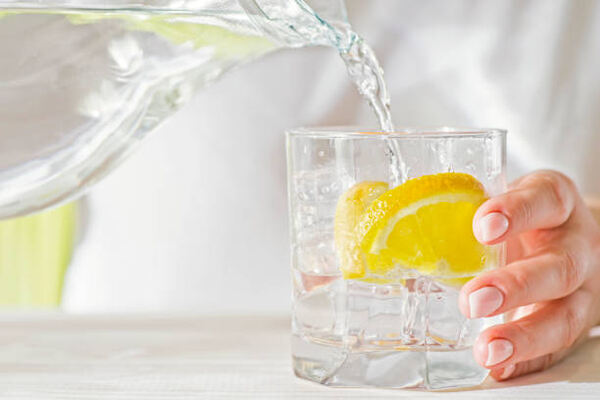
During intermittent fasting, opting for lemon water is a smart move. It’s not only refreshing but also low in calories, perfect for keeping you hydrated without breaking your fast. With hardly any calories, it ensures that your insulin levels stay stable.
Lemons are loaded with vitamin C and could help curb your hunger during fasting. If plain water isn’t your jam, throwing in some fruit juice or a wedge of fruit is totally fine, as long as you keep those extra calories in check.
Opt for lemon water during fasting for health benefits without majorly impacting insulin levels or calories. It’s great for intermittent fasting, keeping you hydrated, and curbing hunger with vitamin C from lemons. For extra flavor, a dash of fruit juice works, just keep the calories low.
Is it okay to drink bone broth during intermittent fasting?
Bone broth is a suitable option during intermittent fasting as it contains minimal calories and can help with hydration. Its nutrient content can support fasting periods. However, be cautious of added ingredients that may break your fast. Stick to plain bone broth or make your own at home to ensure it aligns with your fasting goals.

How much water should I drink during intermittent fasting?
When you’re doing intermittent fasting, it’s important to drink between 8 and 12 cups of water every day so you don’t get dehydrated. Pay attention to when your body feels thirsty and drink more if you need to.
Along with water, drinking herbal teas and black coffee can help keep you hydrated too. It’s also essential to listen to your body and make sure you’re getting enough electrolytes, especially if you’re fasting for longer periods.
Can drinking green tea enhance the benefits of intermittent fasting?
Drinking green tea can make intermittent fasting even better. It helps burn fat and gives you antioxidants without adding many calories, so it won’t mess up your fast. Just remember to pick the unsweetened kind. By staying hydrated and including green tea in your routine, you can enjoy all its benefits while fasting.
Are zero-calorie drinks safe during intermittent fasting?
When practicing intermittent fasting, it’s fine to have calorie-free drinks like plain tea or black coffee. Be cautious with artificially sweetened drinks as they may impact your insulin levels. To stay hydrated without breaking your fast, opt for water, herbal teas, or black coffee.
Final Thoughts
Remember, staying hydrated is key during intermittent fasting. Opt for water, herbal teas, or black coffee for zero calories. Avoid sugary drinks and artificially sweetened beverages. Pay attention to your body’s thirst signals and maintain electrolyte balance.
By understanding the impact of fasting on your hydration needs, you can support your overall well-being. Experiment with different options to discover what works best for you.
Prioritize your health and listen to your body throughout the fasting period. Embrace the benefits of fasting while ensuring you meet your nutritional needs. Make informed choices about what to drink during intermittent fasting to support your health goals.
Cheers to a healthy fasting journey!