

Gain Muscle, Stay Healthy: 10 Easy Ideas for a Stronger You!
What is a Surplus Diet?
👩🏻⚕️ A surplus diet involves consuming more calories than your body expends, creating a caloric surplus. This surplus provides the extra energy needed to support muscle growth and repair.
A nutritious diet is a key factor in maintaining good health. One of the most common method for achieving a healthy lifestyle is the surplus diet. A surplus diet is one in which someone consumes more calories than the number of calories his or her body burns; it is also known as the calorie deficit surplus diet.
Many people use this type of diet to gain muscle mass or increase body weight. This is one of the ways to ensure a proper healthful state and optimum well-being by adapting the surplus dieting way of life in a balanced and healthy manner.
These ideas may include more protein foods with every meal, whole grains for energy production, and a variety of fruits and vegetables to make sure the body receives all the required nutrients.
Have smarter snacking moments with the use of nuts and seeds, hydrate with water, and make nutrient-filled smoothies, all while balancing the meals with lean meats and plant-based proteins; that is, incorporating fermented foods can help you gain better gut health and use cooking methods creatively to flavor up the foods with no added calories.
Here are some surplus diet ideas of this kind that can further help you easily reach the daily calorie goal to achieve energy balance and have control over your body composition. Let’s discuss these ideas below.
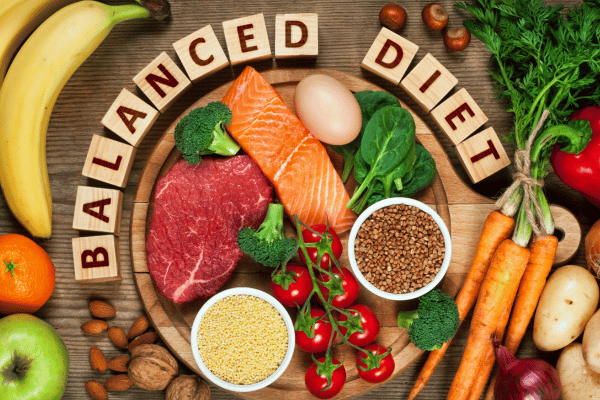
Table of Contents:
- Understanding the Surplus Diet
- Nutritional Components of a Surplus Diet
- 10 Innovative Surplus Diet Ideas for Enhancing Your Health
- Maximizing Your Surplus Diet
- Potential Challenges and Solutions
- Exploring Alternative Diets for Healthy Living
- Frequently Asked Questions
- Final Thoughts
Understanding the Surplus Diet
When it comes to building muscle effectively, understanding the concept of a caloric surplus is paramount. Essentially, a caloric surplus occurs when you consume significantly more calories than your body needs to maintain its current weight and energy expenditure. It’s the foundational principle behind muscle gain, providing the extra energy necessary for your body to repair and build new muscle tissue.
What is a Caloric Surplus?

In simple terms, a caloric surplus means that you’re consuming more energy (calories) than you’re expending through your daily activities and metabolic processes. This excess energy allows your body to prioritize muscle growth and repair by providing the necessary nutrients and resources for these processes to occur optimally. Striking the right balance with your surplus is crucial; too much can lead to excessive fat gain, while too little can hinder your muscle-building efforts.
Calculating Your Caloric Needs
Determining your individual caloric needs is a crucial step in implementing a surplus diet effectively. Various factors influence your daily energy requirements, including your basal metabolic rate (BMR), activity level, age, gender, and body composition.
Several online calculators and formulas can provide estimates based on these factors, helping you identify your maintenance calorie and protein intake. From there, you can adjust your calorie intake to create a moderate surplus conducive to muscle growth, typically ranging from 250 to 500 calories above maintenance.
How Surplus Relates to Muscle Growth

The surplus of calories you consume provides your body with the extra energy it needs to support muscle growth. During resistance training and exercise, your muscles experience microscopic damage and stress, triggering a process known as muscle protein synthesis (MPS).
This process involves repairing and rebuilding muscle fibers, resulting in increased muscle size and strength over time. The surplus of calories, particularly from protein-rich foods, carbohydrates, and healthy fats, fuels MPS and provides the building blocks necessary for muscle repair and growth. However, it’s essential to pair your surplus diet with a structured workout routine that includes progressive overload to maximize muscle growth and minimize excess fat gain.
Understanding the surplus is key to unlocking your body’s potential for muscle growth. By strategically implementing a caloric surplus and focusing on nutrient-dense foods, you can provide your body with the optimal conditions for building lean muscle mass effectively.
In the next sections, we’ll delve deeper into the nutritional components of a surplus diet and practical strategies for structuring your meals to support your muscle-building goals.
Nutritional Components of a Surplus Diet
Achieving success with a surplus diet extends beyond simply consuming more calories—it’s also about prioritizing the right balance of macronutrients and micronutrients to support muscle growth optimally.
Understanding the role of each nutritional component and how they contribute to your overall health and fitness goals is essential for maximizing the benefits of your surplus diet.
Macronutrient Ratio (Protein, Carbohydrates, Fats)
- Protein: Often hailed as the cornerstone of muscle-building nutrition, protein plays a crucial role in muscle repair and growth. Aim to include high-quality protein sources in each meal, such as lean meats, poultry, fish, eggs, dairy products, legumes, and plant-based protein sources like tofu and tempeh. To effectively support muscle protein synthesis, a general guideline is to consume around 1.6 to 2.2 grams of protein per kilogram of body weight per day.
- Carbohydrates: Carbohydrates serve as your body’s primary source of energy, providing the fuel necessary for intense workouts and sustaining physical performance. Opt for complex carbohydrates like whole grains, fruits, vegetables, and legumes, which offer sustained energy release and valuable nutrients. The amount of carbohydrates you need will vary based on factors such as activity level, training intensity, and individual metabolism, but aim to prioritize quality sources to support your muscle-building efforts.
- Fats: While often overlooked, dietary fats are essential for hormone production, cellular function, and nutrient absorption. Incorporate healthy fats from sources like avocados, nuts, seeds, olive oil, and fatty fish into your diet to support overall health and optimize hormone levels. While it’s essential not to overconsume fats due to their calorie density, including them in moderation can contribute to satiety and overall dietary balance.
Micronutrients and Their Role
In addition to macronutrients, micronutrients play a vital role in supporting overall health and facilitating various physiological processes within the body. Key micronutrients to prioritize in your surplus diet include:
Vitamins are essential for immune function, energy production, and tissue repair. Consume a variety of fruits, vegetables, whole grains, and lean proteins to ensure adequate vitamin and food intake.
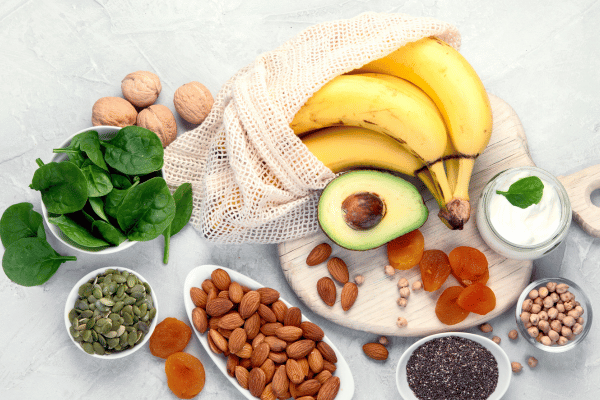
Minerals are critical for maintaining proper hydration, muscle function, and bone health. Incorporate mineral-rich foods such as leafy greens, nuts, seeds, dairy products, and fortified grains into your diet to support optimal performance and recovery.
Antioxidants: Help combat oxidative stress and inflammation, which can occur as a result of intense exercise. Include colorful fruits and vegetables, as well as herbs and spices, to boost your antioxidant intake and support recovery.
Importance of Timing and Frequency of Meals
In addition to focusing on the quality and quantity of nutrients, the timing and frequency of your meals can also impact your muscle-building efforts. Aim to distribute your calorie and nutrient intake evenly throughout the day, with a particular emphasis on consuming protein-rich meals or snacks near your workouts to support muscle repair and recovery. Additionally, consider incorporating pre-and post-workout nutrition strategies, such as consuming a balanced meal or protein shake before and after exercise, to optimize performance and enhance muscle protein synthesis.
By paying attention to the macronutrient composition, micronutrient content, and timing of your meals, you can ensure that your surplus diet provides the necessary fuel and nutrients to support muscle growth effectively. In the next section, we’ll explore practical tips and strategies for structuring your surplus diet to maximize its benefits and promote optimal muscle gains.
10 Innovative Surplus Diet Ideas for Enhancing Your Health
Maintaining a calorie surplus is essential for gaining muscle mass and achieving your fitness goals. However, it’s important to do so in a healthy and balanced manner. Here are 10 innovative surplus diet ideas to enhance your health:
Incorporating High-Protein Foods into Every Meal
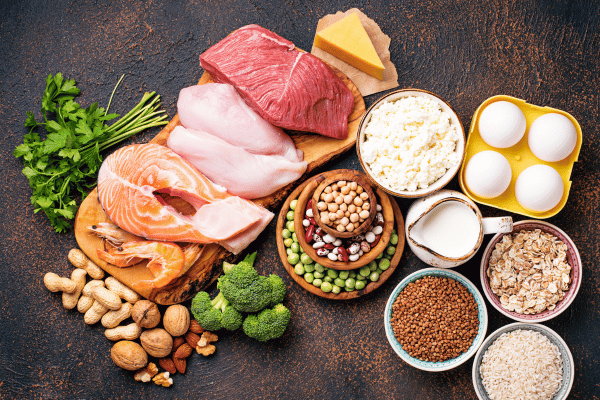
Go beyond the ordinary by supplementing your meals with high-protein wonders. Integrate chicken, eggs, or tofu seamlessly into your daily dishes. These gems not only delight your taste buds but also aid muscle growth and repair. Toss some almonds or Greek yogurt into breakfast, and top your salad with tuna for lunch. Elevate your dinners with lean meats, such as turkey or lentils. Keep the protein power alive in all your meals for a healthier, stronger you.
Emphasizing Whole Grains for Sustained Energy
Whole grains are a powerhouse for sustained energy levels. Incorporating options like quinoa, brown rice, or whole-grain bread into your meals can provide a steady release of energy throughout the day. These complex carbs are rich in fiber and nutrients, making them a great choice for boosting endurance and maintaining consistent energy levels. Swap refined grains for whole grains to keep your energy levels stable and support your active lifestyle.
Adding a Variety of Fruits and Vegetables for Nutrient Diversity
Explore a rainbow of fruits and veggies to boost your nutrient intake. From vibrant berries packed with antioxidants to leafy greens rich in vitamins, diversity is key. Incorporate bell peppers for a vitamin C punch, and sweet potatoes for a dose of beta-carotene. Experiment with different textures and flavors—think crunchy apples, juicy tomatoes, and earthy beets. Mix and match for a colorful plate that nourishes your body inside and out.
Choosing Healthy Fats to Support Overall Well-Being
When aiming for overall well-being, opt for healthy fats like avocado, nuts, and olive oil. These fats are beneficial for heart health and brain function. Including sources of omega-3 fatty acids, such as salmon, can further boost your well-being. Remember, fats are essential for nutrient absorption and hormone regulation; just focus on the good ones for a balanced surplus diet. Enjoy the flavors and benefits that healthy fats bring to your meals!
Leveraging Dairy or Plant-Based Alternatives for Calcium and Vitamin D
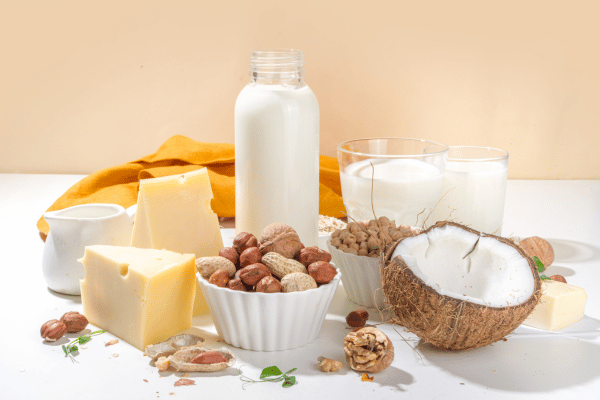
Whether you prefer dairy or plant-based options, both serve as excellent sources of calcium and vitamin D. Dairy choices like Greek yogurt or cottage cheese offer a protein boost along with these essential nutrients. On the other hand, plant-based alternatives such as fortified almond milk or tofu provide a dairy-free option rich in calcium and vitamin D. Incorporating these choices into your surplus diet ensures a well-rounded intake of these vital nutrients for bone health and overall well-being.
Implementing Smarter Snacking with Nuts and Seeds
Being mindful of your snacking choices can greatly impact your health. Opt for nuts and seeds as smarter snack options. Packed with nutrients like protein and healthy fats, they keep you satisfied between meals. Almonds, walnuts, chia seeds, or pumpkin seeds are fantastic choices that offer a crunch while also benefiting your body. By incorporating these nutrient-dense snacks into your daily routine, you can fuel your body effectively without compromising on taste or convenience. Stay energized throughout the day with these simple yet powerful snack choices.
Hydrating with Water and Nutrient-Rich Smoothies
Quench your thirst with hydrating water and enrich your diet with nutrient-packed smoothies. Stay refreshed with H2O, which is crucial for bodily functions. Blend fruits and veggies into delicious smoothies for added vitamins and minerals. Keep your energy up with these healthy beverages. Stay hydrated and nourished effortlessly!
Balancing Meals with Lean Meats or Plant-Based Proteins
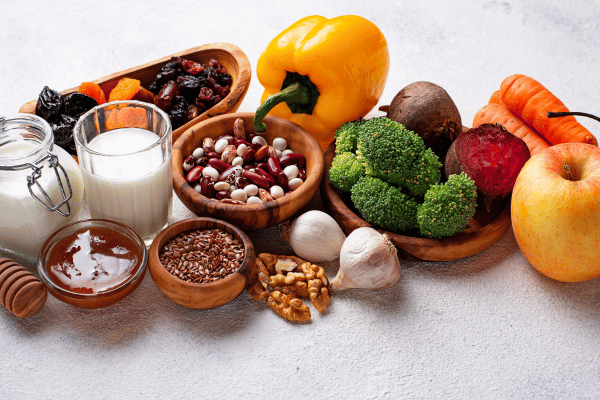
Consider balancing your meals by incorporating lean meats like chicken or turkey, or opt for plant-based proteins such as tofu or lentils. These options provide essential nutrients for muscle growth and overall health. Experiment with different recipes to keep your meals exciting and nutritious. Mixing up your protein sources ensures a variety of amino acids for optimal muscle synthesis and recovery. Find what works best for you to maintain a well-rounded surplus diet. Enhance your meals with these protein-rich choices for a healthy lifestyle.
Incorporating Fermented Foods for Gut Health
Fermented foods are a great addition to your surplus diet for gut health. Probiotics found in foods like kimchi, sauerkraut, and kefir support a healthy digestive system. Including these foods can help improve digestion and boost your overall well-being. Try incorporating a variety of fermented foods into your meals to support a happy gut and enhance your surplus diet journey. Stay healthy, happy, and nourished with these gut-friendly options!
Utilizing Creative Cooking Methods to Enhance Flavor Without Extra Calories
Investing in fresh herbs and spices can transform your dishes without piling on unnecessary additional calories. Experiment with seasonings like garlic, paprika, or cumin for added flavor complexity. Opt for grilling, baking, or steaming techniques to cut down on added fats while enhancing taste. Try marinating proteins in citrus juices or vinegar for a tangy punch without the need for heavy sauces. You can savor delicious meals without compromising your surplus diet goals if you practice mindful cooking.
Maximizing Your Surplus Diet
To maximize the benefits of your surplus diet, factors such as calorie intake, physical activity level, and overall health must be considered. Here are some tips to help you make the most of your surplus diet:
- Assess your calorie intake to ensure you are consuming enough calories to support your goals.
- Adjust your calorie intake to reflect your physical activity level and energy expenditure.
- Prioritize overall health by choosing nutrient-dense foods and maintaining a balanced diet.
By maximizing your surplus diet, you can optimize your nutrition, support your fitness goals, and maintain overall health.
Timing Your Meals for Optimal Nutrient Absorption
Timing your meals can play a role in optimizing nutrient absorption and supporting your metabolic rate. Here are some tips for timing your meals:
- Eat regular meals and snacks throughout the day to maintain a steady intake of nutrients.
- To ensure that you have the necessary fuel for your exercise sessions, consider nutrient timing around your workouts.
- Pay attention to your body’s hunger and fullness cues to determine the timing of your meals and snacks.
By timing your meals appropriately, you can enhance nutrient absorption and support your metabolic rate, ultimately maximizing the benefits of your surplus diet.
Workout Days vs. Rest Days: Adjusting Your Diet

Adjusting your diet based on whether it’s a workout day or a rest day can help support your energy expenditure and recovery. Here are some considerations for adjusting your diet:
- On workout days, ensure that you fuel your body with enough calories and nutrients to support your exercise performance and recovery.
- On rest days, prioritize nutrient-dense foods to support recovery and replenish your energy stores.
By adjusting your diet based on your activity level, you can optimize your energy expenditure and support your fitness goals.
Potential Challenges and Solutions
Embarking on a surplus diet journey can be exhilarating as you witness your body transform and your muscles grow stronger. However, like any endeavor, surplus dieting comes with its fair share of challenges. Understanding these challenges and implementing effective solutions is key to maintaining momentum and achieving your fitness goals. Let’s look at some common obstacles to surplus dieting and how to overcome them.
Dealing with Appetite Fluctuations
Managing appetite fluctuations is one of the primary challenges of surplus dieting. While some days you may feel ravenous and ready to devour everything in sight, other days you may struggle to meet your caloric goals due to a lack of hunger. To overcome this challenge, focus on incorporating calorie-dense yet nutritious foods into your meals, such as nuts, seeds, avocados, and dried fruits. Additionally, spacing out your meals evenly throughout the day and incorporating snacks between meals can help ensure that you consistently meet your calorie targets.
Overcoming Plateaus
Plateaus are a natural part of any fitness journey, including surplus dieting. After experiencing initial progress, you may find that your muscle gains stall and it becomes increasingly challenging to continue making progress. To overcome plateaus, consider incorporating variety into your workout routine by trying new exercises, increasing the intensity or volume of your workouts, or implementing advanced training techniques such as drop sets, supersets, or pyramid sets. Additionally, reassess your caloric intake and adjust it accordingly to ensure that you’re still in a moderate surplus conducive to muscle growth.
Managing Weight Gain Effectively
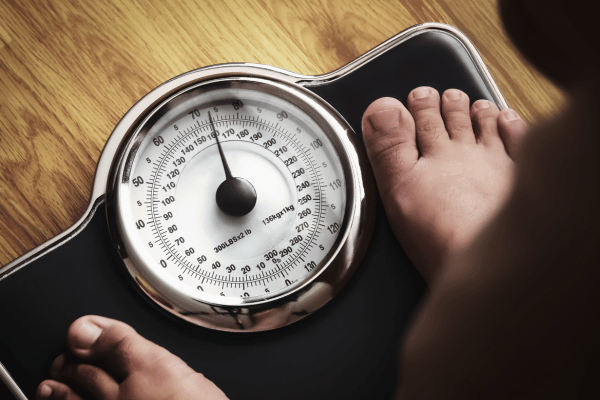
While the primary goal of surplus dieting is to gain muscle mass, it’s important to monitor your weight gain and ensure that it’s occurring at a healthy and sustainable rate. Rapid weight gain can lead to excessive fat accumulation, which may be challenging to lose later on. To manage weight gain effectively, aim for a gradual increase in body weight, typically around 0.5 to 1 pound per week. Monitor your progress closely by tracking your body weight, measurements, and progress photos regularly, and adjust your caloric intake as needed to maintain a moderate surplus.
Ensuring Nutritional Balance
Maintaining a nutritional balance is essential for supporting overall health and optimizing your body composition on a surplus diet. While it’s tempting to focus solely on meeting your calorie and protein targets, neglecting other essential nutrients can lead to deficiencies and imbalances. To ensure nutritional balance, prioritize a diverse and varied diet rich in fruits, vegetables, whole grains, lean proteins, and healthy fats. Consider incorporating supplements as needed to fill any nutritional gaps and support your overall health and well-being.
Staying consistent and patient
Consistency and patience are perhaps the most critical factors in overcoming challenges and achieving long-term success on a surplus diet. Building muscle takes time, and progress may not always be linear. Stay committed to your nutrition and training regimen, even when faced with setbacks or obstacles. Celebrate small victories along the way, and remember that sustainable progress is the result of consistent effort and dedication over time.
Exploring Alternative Diets for Healthy Living
While surplus dieting is a popular approach for individuals aiming to gain muscle mass, it’s essential to recognize that some various dietary patterns and lifestyles promote overall health and well-being. Whether you’re looking to optimize your nutrition, improve your energy levels, or support your fitness goals, exploring alternative diets can offer valuable insights and options for achieving a balanced and sustainable approach to healthy living. Let’s delve into some alternative diets that have gained traction for their potential health benefits.
Mediterranean Diet
The Mediterranean diet is renowned for its emphasis on whole, minimally processed foods, including fruits, vegetables, whole grains, legumes, nuts, seeds, and olive oil. This dietary pattern is rich in antioxidants, fiber, and heart-healthy fats, which have been associated with numerous health benefits, including a reduced risk of heart disease, stroke, and certain cancers. Additionally, the Mediterranean diet encourages moderate consumption of fish, poultry, and dairy products, while limiting red meat and processed foods. Embracing the Mediterranean diet can not only support your physical health but also promote culinary enjoyment and cultural appreciation.
Plant-Based Diet
Plant-based diets prioritize foods derived from plants, such as fruits, vegetables, whole grains, legumes, nuts, and seeds, while minimizing or excluding animal products. Adopting a plant-based diet has been linked to various health benefits, including a lower risk of heart disease, type 2 diabetes, and certain cancers. Plant-based eating is also environmentally sustainable and ethically conscious, making it a popular choice for individuals concerned about animal welfare and ecological impact. Whether you choose to follow a fully plant-based diet or incorporate more plant-based meals into your routine, embracing plant foods can nourish your body and support your well-being.
Paleo Diet
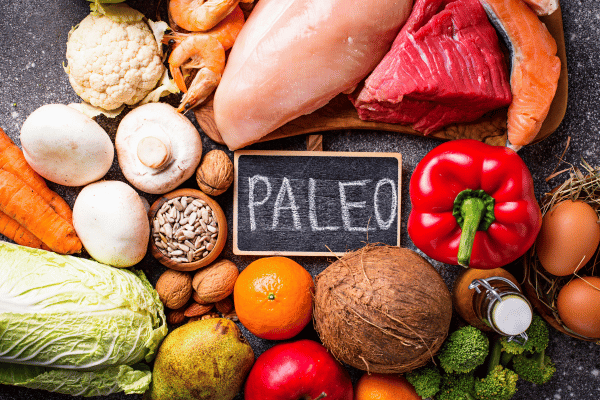
The Paleo diet, inspired by the dietary habits of our ancient ancestors, focuses on consuming whole, unprocessed foods that were available during the Paleolithic era, such as lean meats, fish, fruits, vegetables, nuts, and seeds. This dietary pattern excludes modern processed foods, grains, legumes, dairy products, and refined sugars, emphasizing nutrient-dense, whole foods that are naturally rich in vitamins, minerals, and antioxidants. Advocates of the Paleo diet claim that it can improve digestion, promote weight loss, and enhance overall health by aligning with our genetic heritage and evolutionary biology.
Intermittent Fasting
Intermittent fasting involves cycling between periods of eating and fasting, with various fasting protocols ranging from daily time-restricted feeding to alternate-day fasting and extended fasting periods. Intermittent fasting has gained popularity for its potential health benefits, including improved metabolic health, enhanced fat loss, and cellular repair processes. By promoting metabolic flexibility and optimizing hormone levels, intermittent fasting may support weight management, promote longevity, and reduce the risk of chronic diseases. Experimenting with different fasting protocols can help you discover an approach that aligns with your lifestyle and goals.
Flexitarian Diet
The flexitarian diet combines elements of vegetarianism with occasional consumption of meat and animal products, offering flexibility and variety while promoting plant-based eating. Flexitarians prioritize plant foods in their diet, aiming to consume predominantly plant-based meals while allowing for the occasional inclusion of animal products. This flexible approach to eating can provide the health benefits associated with plant-based diets, such as improved heart health, weight management, and reduced environmental impact, while still accommodating personal preferences and dietary choices.
Incorporating elements of these alternative diets into your lifestyle can broaden your culinary horizons, support your health and well-being, and offer a flexible approach to nourishing your body. Whether you’re seeking to optimize your nutrition, support your fitness goals, or simply explore new dietary patterns, experimenting with different diets can empower you to discover a sustainable approach to healthy living that resonates with your unique preferences and values.

Frequently Asked Questions
How Can I Ensure My Surplus Diet is Balanced?
To ensure your surplus diet is balanced, focus on consuming a variety of nutrient-dense foods that provide a good balance of macronutrients and micronutrients. Monitor your calorie count and prioritize variety in your food choices to ensure optimal nutrition.
What Are the Best Foods for a Surplus Diet to Avoid Fat Gain?
To avoid fat gain in a surplus diet, focus on foods that provide lean protein, complex carbohydrates, and healthy fats. These include lean meats, whole grains, fruits, vegetables, and sources of omega-3 fatty acids. Avoid high-calorie, low-nutrient foods to minimize fat gain.
How Do I Adjust My Diet If I’m Not Seeing Desired Results?
If you’re not seeing the desired results in your surplus diet, you may need to make adjustments. Consider adjusting your calorie intake, evaluating your macronutrient balance, or seeking guidance from a nutrition professional to ensure that you are on track for your goals.
Final Thoughts
Incorporating these surplus diet ideas into your lifestyle can significantly enhance your overall health. From high-protein foods to nutrient-rich smoothies, each suggestion offers a unique way to boost your well-being.

Understanding the fundamentals of surplus diets and maximizing their potential through smart meal timing and creative cooking methods is key to achieving your health goals.
Remember, balance is crucial, so be mindful of your choices based on your activity levels. Embrace these innovative ideas to nourish your body and elevate your health journey to new heights!