

Carbs in Corn: Its Impact, Benefits, and Dietary Considerations. Unveil the Truth About Corn’s Role in Your Health.
How many Carbs are in Corn?
🌽 On average, one medium ear of corn on the cob contains around 17 grams of carbohydrates, while one cup of cooked sweet corn contains approximately 30 grams of carbohydrates.
Have you ever considered the corn’s carbohydrate count? You’re in luck! Many different cuisines love corn because of its versatile and sweet flavor. Let’s talk about the myths around corn and health, though. You may have heard that corn is “bad” due to its association with phrases such as “corn flour,” “sweet corn,” “genetically modified corn,” and even “high fructose corn syrup.” However, corn is a food, and just like all vegetables, it can improve our diets by providing useful nutrients.
Making informed dietary decisions requires being aware of corn’s carbohydrate content. Knowing the amount of carbohydrates in corn will help you better balance your meals, whether you use it in recipes, eat it raw at summer barbecues, or bake with it.
Hi there! Let’s talk about the importance of knowing the glucose content of corn. We’ll examine everything related to corn, including high-fructose corn syrup, corn flour, and fresh corn cobs. We’ll also discuss corn’s role as a vegetable and how it fits into our diet. Now let’s get started!
Now that you’re prepared to learn the truth about corn’s carb content and why this well-liked vegetable shouldn’t be written off so soon, let’s start!
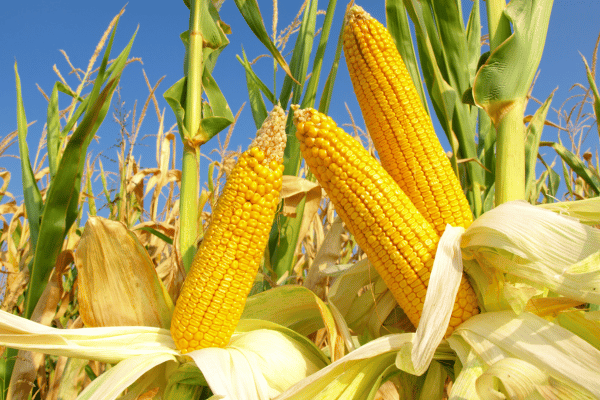
Table of Contents
- What are Carbs?
- Corn and Carbohydrates
- The Nutritional Profile of Corn
- Different Forms of Corn
- Considerations for Different Diets
- Practical Tips for Including Corn in Your Diet
- Featured Articles
- Final Thoughts About Carbs in Corn
What are Carbs?
Carbohydrates, composed of carbon, hydrogen, and oxygen atoms, are vital organic molecules in nutrition. These sugars, starches, and fibers are abundant in fruits, grains, vegetables, and dairy products. They play a crucial role as the body’s primary energy source, supporting the functionality of internal organs, the nervous system, and muscles.
Simple vs. Complex Carbohydrates
Carbohydrates are typically categorized into simple and complex types. Simple carbohydrates, or simple sugars like glucose, fructose, and sucrose, are present in refined sugars and fruits, offering quick energy. On the other hand, complex carbohydrates consist of starches and fibers found in whole grains, legumes, and starchy vegetables like corn. Due to their molecular structure, complex carbohydrates are broken down by the body at a slower pace, resulting in a more sustained energy release compared to simple sugars.
The Role of Carbohydrates in the Body
Apart from providing energy, carbohydrates serve various essential roles in the body. They play a crucial role in supporting proper brain function and influencing mood and memory. Furthermore, the fiber found in carbohydrates promotes digestive health and contributes to stabilizing blood sugar levels. This balance is vital for energy regulation and overall well-being.
Corn and Carbohydrates

Corn, a cereal grain, is a form of complex carbohydrate known for its high starch content. Whether it is sweet corn on the cob or dried corn kernels, each form of this versatile staple provides energy. In nutrition terms, corn is also classified as a “starchy” vegetable, meaning it has a higher carbohydrate content compared to non-starchy vegetables.
While corn offers carbohydrates, it also brings other nutritional benefits. Whole-grain corn products are an excellent food choice for their fiber content, which promotes digestive health. Additionally, while not a high-protein food, eating corn does contribute a moderate amount of protein to one’s diet.
If we look at genetically modified crops, corn is often part of this discussion. Some corn crops are genetically modified for various reasons, including improving yield or resistance to pests. While this has no direct effect on the carbohydrate content, the quality of corn nutrition can be influenced by farming practices.
Even beyond the cob, corn is used in various products such as tortilla chips, corn oil, and high-fructose corn syrup. Corn oil is primarily fat and doesn’t contain carbohydrates, while tortilla chips, being a processed corn product, have carbs that are readily broken down into sugars by the body.
Furthermore, corn has other nutrients, such as lutein and zeaxanthin, that support eye health.
The Nutritional Profile of Corn

Corn, also known as maize, is not just a popular side dish at summer barbecues; it’s also a nutritious grain packed with essential nutrients. Let’s break down its nutritional profile:
- Carbohydrates: Corn is primarily composed of carbohydrates, making it an excellent source of energy. A typical serving of corn contains around 20–25 grams of carbohydrates, depending on the form it’s consumed in.
- Fiber: Corn is rich in dietary fiber, with approximately 2–4 grams per serving. Fiber is essential for digestive health, promoting regular bowel movements and helping to prevent constipation.
- Protein: While not as protein-rich as some other foods, corn still contains a moderate amount of protein. A serving of corn provides about 2-4 grams of protein, contributing to muscle repair and growth.
- Vitamins: Corn is a good source of various vitamins, including vitamin C, vitamin B6, and folate. These vitamins play important roles in immune function, energy metabolism, and fetal development during pregnancy.
- Minerals: Corn contains several essential minerals, such as magnesium, phosphorus, and potassium. These minerals are involved in bone health, muscle function, and regulating blood pressure.
- Antioxidants: Corn contains antioxidants like lutein and zeaxanthin, which are beneficial for eye health. These compounds help protect against age-related macular degeneration and cataracts.
- Calories: Corn is relatively low in calories, with approximately 100–150 calories per serving, depending on the preparation method. This makes it a suitable option for those watching their calorie intake.
Overall, corn offers a well-rounded nutritional profile, providing a mix of carbohydrates, fiber, protein, vitamins, minerals, and antioxidants. Incorporating corn into your diet can contribute to overall health and well-being, especially when combined with a balanced and varied diet rich in other fruits, vegetables, whole grains, and lean proteins.
Different Forms of Corn
Corn, a versatile and widely consumed grain, comes in various forms, each offering unique culinary uses and nutritional benefits. Here are some of the most common forms of corn:
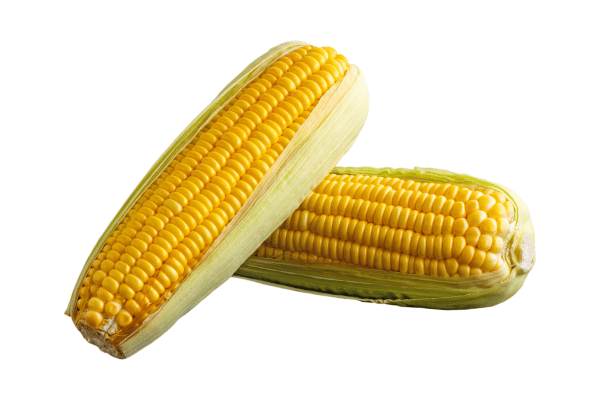
Corn on the Cob: Perhaps the most iconic form of corn, corn on the cob is enjoyed by grilling, boiling, or roasting the whole cob and then eating directly off the cob. It’s a popular summertime treat at barbecues and picnics.
- Corn on the Cob (1 medium ear, boiled):
- Calories: 77
- Carbohydrates: 17 grams
- Fiber: 2 grams
- Protein: 3 grams
- Fat: less than 1 gram
- Vitamins and Minerals: Contains vitamin C, vitamin B6, folate, potassium, and magnesium.
Sweet Corn: Sweet corn is a type of corn known for its high sugar content, resulting in a sweeter taste compared to other varieties. It’s often eaten boiled or grilled, and its kernels can be stripped from the cob and used in salads, soups, or side dishes.
- Sweet Corn (1 cup, cooked):
- Calories: 130
- Carbohydrates: 30 grams
- Fiber: 3 grams
- Protein: 4 grams
- Fat: less than 1 gram
- Vitamins and Minerals: Contains vitamin C, vitamin B6, folate, potassium, and magnesium. Higher sugar content compared to other corn varieties.
Corn Kernels: Corn kernels are the individual seeds found on the cob. They can be fresh, frozen, or canned and are commonly used in various dishes such as salads, casseroles, stir-fries, and salsa.
- Corn Kernels (1 cup, canned, drained):
- Calories: 130
- Carbohydrates: Around 29 grams
- Fiber: Roughly 3 grams
- Protein: About 4 grams
- Fat: less than 1 gram
- Vitamins and Minerals: Contains vitamin C, vitamin B6, folate, potassium, and magnesium.
Cornmeal: Cornmeal is a coarse flour made by grinding dried corn kernels. It comes in various textures, including fine, medium, and coarse, and is commonly used in baking, particularly for making cornbread, muffins, pancakes, and tortillas.
- Cornmeal (1 cup, enriched):
- Calories: 440
- Carbohydrates: 92 grams
- Fiber: 7 grams
- Protein: 10 grams
- Fat: 4 grams
- Vitamins and Minerals: Contains iron, thiamine (vitamin B1), niacin (vitamin B3), and riboflavin (vitamin B2).
Popcorn: Popcorn is a type of corn that has a hard exterior shell and a starchy interior. When heated, the moisture inside the kernel turns to steam, causing the kernel to explode and puff up. It’s a popular snack enjoyed plain or seasoned with butter, salt, or various seasonings.

- Popcorn (1 cup, air-popped):
- Calories: 31
- Carbohydrates: 6 grams
- Fiber: 1 gram
- Protein: 1 gram
- Fat: less than 1 gram
- Vitamins and Minerals: contains small amounts of iron, magnesium, phosphorus, and zinc.
Corn Flour: Corn flour is a finely ground powder made from dried corn kernels. It’s commonly used as a thickening agent in soups, stews, and sauces, as well as in baking for making bread, cakes, and cookies. Corn flour is also a staple ingredient in certain ethnic cuisines, such as Mexican and Indian cuisine.
- Corn Flour (1 cup):
- Calories: 440
- Carbohydrates: 92 grams
- Fiber: 7 grams
- Protein: 10 grams
- Fat: 4 grams
- Vitamins and Minerals: Contains iron, thiamine (vitamin B1), niacin (vitamin B3), and riboflavin (vitamin B2).
Corn Oil: Corn oil is a type of vegetable oil extracted from the germ of corn kernels. It has a mild flavor and a high smoke point, making it suitable for frying, sautéing, and baking. Corn oil is also used in salad dressings and marinades.
- Corn Oil (1 tablespoon):
- Calories: 120
- Fat: 14 grams
- Vitamins and Minerals: This product contains vitamin E and small amounts of vitamin K.
- Corn oil is virtually free of carbohydrates, fiber, and protein.
These are just a few examples of the diverse ways in which corn is consumed and utilized in cooking. Whether enjoyed fresh, canned, frozen, or processed, corn offers a wide range of culinary possibilities and nutritional benefits.
Considerations for Different Diets
Low-Carb Diet:
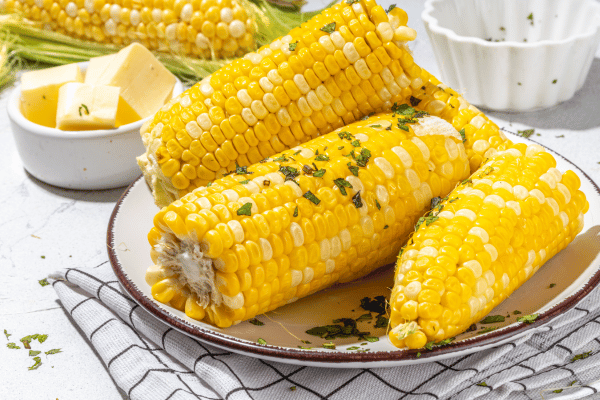
- Corn on the Cob: While corn is relatively high in carbohydrates, individuals on a low-carb diet may still enjoy corn on the cob in moderation, considering its fiber content and overall nutritional value. However, portion control is essential.
- Sweet Corn: Sweet corn is higher in sugar compared to other corn varieties, so individuals on a low-carb diet may prefer to consume it sparingly or opt for lower-carb alternatives.
- Cornmeal: Cornmeal is relatively high in carbohydrates, so individuals following a low-carb diet may need to limit their intake or choose alternative flour with a lower carbohydrate content, such as almond flour or coconut flour.
Keto Diet:
- Corn on the Cob: Corn is generally not recommended on a keto diet due to its high carbohydrate content. Individuals following a keto diet typically aim to minimize their carb intake to achieve ketosis, so corn on the cob is best avoided.
- Alternative Options: Individuals on a keto diet can enjoy low-carb vegetables like leafy greens, broccoli, cauliflower, and zucchini instead of corn. They can also use almond or coconut flour as substitutes for cornmeal in recipes.
Gluten-Free Diet:
- Cornmeal: Cornmeal is naturally gluten-free, making it a safe option for individuals with gluten intolerance or celiac disease. It can be used as a gluten-free alternative to wheat flour in baking and cooking.
- Corn Tortillas: Corn tortillas are another gluten-free option made from cornmeal. They can be used to make tacos, enchiladas, quesadillas, and other Mexican-inspired dishes.
Vegetarian and Vegan Diets:
- Corn: Corn is naturally vegetarian and vegan-friendly, making it a versatile ingredient for plant-based diets. It can be used in various recipes, including salads, soups, stews, and side dishes.
- Popcorn: Air-popped popcorn is a healthy snack option for vegetarians and vegans, providing fiber and essential nutrients without any animal products.
Paleo Diet:
- Corn on the Cob: While some individuals following a Paleo diet may include corn in their diet occasionally, others choose to avoid it due to its high carbohydrate content and evolutionary considerations.
- Alternatives: Paleo-friendly alternatives to corn include non-starchy vegetables, fruits, nuts, seeds, lean meats, fish, and healthy fats like avocado and olive oil.
It’s essential for individuals following specific dietary plans to consider their individual nutritional needs and preferences when incorporating corn into their diet. While corn can be enjoyed in moderation as part of a balanced diet for many people, others may need to limit or avoid it based on their dietary restrictions and health goals.
Practical Tips for Including Corn in Your Diet

- Choose Whole Corn: Opt for whole corn options like fresh corn on the cob or frozen corn kernels instead of processed corn products. Whole corn tends to retain more nutrients and fiber compared to processed forms like cornmeal or corn flour.
- Incorporate Corn into Salads: Add cooked corn kernels to salads for a pop of sweetness and texture. Corn pairs well with ingredients like tomatoes, avocado, black beans, bell peppers, and cilantro for a colorful and flavorful salad.
- Make Corn Salsa: Prepare a homemade corn salsa by mixing cooked corn kernels with diced tomatoes, onions, jalapeños, lime juice, and cilantro. Serve it as a topping for tacos, grilled chicken, or fish, or enjoy it with tortilla chips as a snack.
- Use Corn in Soups and Stews: Add corn kernels to soups, stews, and chili for extra flavor and nutrition. Corn adds sweetness and depth to savory dishes and complements ingredients like beans, tomatoes, and spices.
- Grill Corn on the Cob: Grill fresh corn on the cob for a smoky flavor and caramelized sweetness. Brush the corn with olive oil and season with salt and pepper before grilling. Serve it as a side dish or as part of a barbecue spread.
- Make Homemade Cornbread: Use cornmeal to make homemade cornbread, muffins, or pancakes. You can find plenty of recipes for healthier versions of cornbread using whole-grain cornmeal with minimal added sugar or fat.
- Add Corn to Stir-Fries: Include corn kernels in stir-fries and Asian-inspired dishes for added texture and sweetness. Corn pairs well with vegetables like bell peppers, broccoli, snap peas, and carrots, as well as with proteins like chicken, tofu, or shrimp.
- Prepare Corn Chowder: Make a comforting corn chowder using fresh or frozen corn kernels, potatoes, onions, celery, and broth. Add milk or coconut milk for creaminess, and season with herbs and spices like thyme, paprika, and black pepper.
- Enjoy Popcorn as a Snack: Air-pop popcorn at home for a healthy and satisfying snack option. Skip the microwave popcorn with added butter and salt and opt for plain popcorn seasoned with herbs, nutritional yeast, or a sprinkle of Parmesan cheese.
- Experiment with Corn Desserts: Get creative with corn in desserts by making sweet corn ice cream, corn pudding, or corn cakes. Corn adds a unique sweetness and texture to desserts, making them a delightful treat for special occasions.
By incorporating corn into a variety of dishes and recipes, you can enjoy its sweet flavor and nutritional benefits as part of a balanced diet. Whether you prefer it as a side dish, salad ingredient, or snack, there are many delicious ways to enjoy corn throughout the year.
Featured Articles
- Air Fryer Corn Dogs Delight: Crispy Goodness in Every Bite!
- Low Carb Corn Tortillas 101: Ingredients, Brands, and More
- 14 Low Carb Chips That’ll Make Snack Time Your Favorite!
- Keto Tamales Masa Recipe (5 Steps To Take You Back To Mexican Cuisine)
- Never Feel Hunger and Sugar Cravings Again (Keto Diet) ✅
Final Thoughts About Carbs in Corn
Understanding the role of carbs in corn provides valuable insight into its place within a balanced diet. While corn is often scrutinized for its carbohydrate content, it offers a plethora of nutritional benefits that shouldn’t be overlooked.
From its role as a source of energy to its contribution to digestive health through its fiber content, corn brings more to the table than just carbs. Its vitamins, minerals, and antioxidants further enhance its nutritional profile, making it a valuable addition to meals.
However, it’s crucial to approach corn consumption with mindfulness, especially for individuals with specific dietary considerations. Those on low-carb or keto diets may need to monitor their intake more closely, while those with gluten sensitivities can safely enjoy cornmeal and other gluten-free corn products.

Ultimately, like any food, the key to incorporating corn into your diet lies in moderation and balance. By understanding its carbohydrate content and nutritional benefits, you can make informed choices that support your overall health and well-being.
So, the next time you’re pondering the place of corn in your diet, remember that while it may be rich in carbs, it’s also rich in flavor, versatility, and nutrition. Embrace the sweet simplicity of corn and enjoy it as part of a wholesome and delicious diet.