

Discover the Secrets of Making Keto Moussaka with our Easy-to-Follow Instructions. Enjoy a Flavorful and Nutritious Dish.
What Makes Moussaka Keto-Friendly?
🍆 The keto version of Moussaka replaces high-carb ingredients with low-carb alternatives. For example, almond milk and cream cheese are used in the béchamel sauce instead of regular milk and flour.
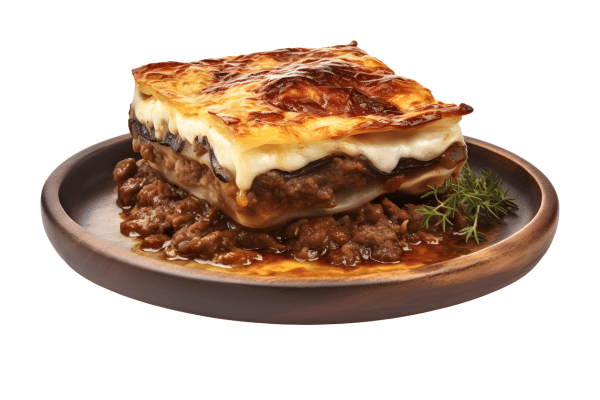
Moussaka is a delicious dish typically stacked with layers of flavor, including potatoes, eggplant, ground beef, and a creamy bechamel sauce. It’s the kind of meal that makes any time special.
But if you’re trying to cut down on carbs or sticking to a keto diet, you might think moussaka isn’t for you. Well, don’t worry! With this keto moussaka recipe, you can still indulge in all its delicious flavors without feeling guilty.
In this step-by-step guide, I’ll walk you through how to make a low-carb version of moussaka that doesn’t skimp on taste and is simple enough for anyone to put together at home. By swapping out the high-carb potatoes for yellow squash and trading the traditional bechamel sauce for an indulgent cheese sauce, we end up with a dish that is not only mouthwatering but also perfect for keeping within your carb limits.
So come along as we dive into making this amazing keto-friendly version of our beloved dish. Trust me when I say it’s both easy and incredibly satisfying – let’s whip up some scrumptious keto moussaka together!
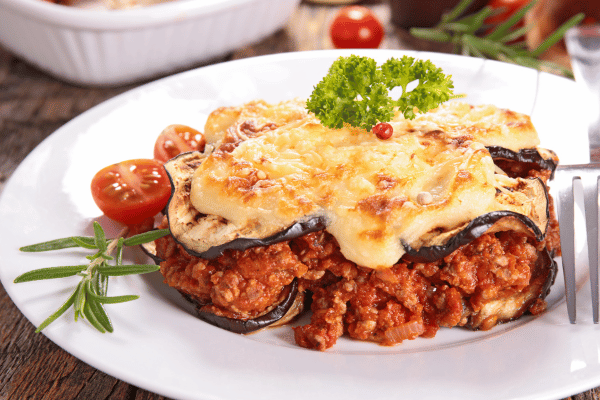
Table of Contents:
- Keto Moussaka Recipe
- Nutritional Facts for Keto Moussaka
- Tips for Making Keto Moussaka
- Frequently Asked Questions
- Final Thoughts
Keto Moussaka Recipe
Ingredients Needed
For this Keto Moussaka, you only need some basic ingredients, which I am more than sure about. Here’s what goes into it:
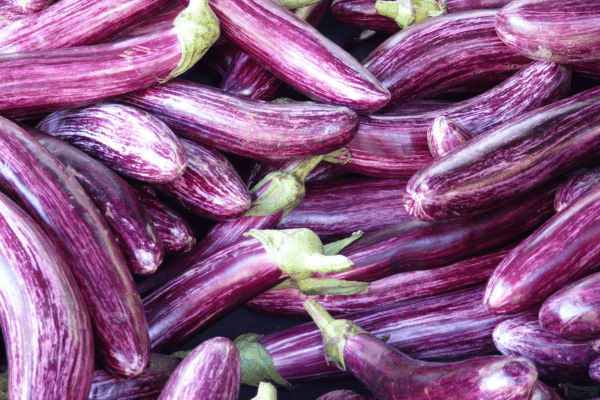
- Eggplant slices: These are used instead of pasta or potatoes to keep things low-carb.
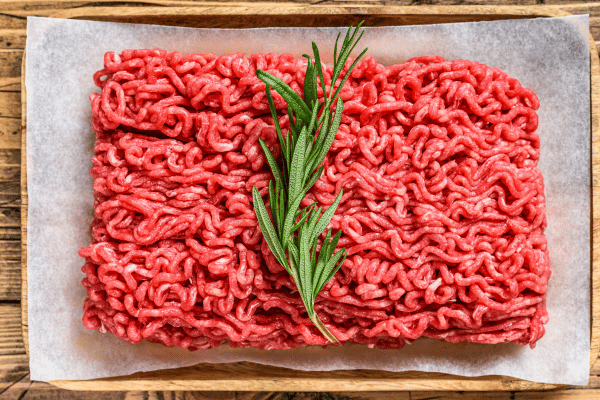
- Ground beef: This is the main source of protein and adds lots of flavor. You can switch it up with ground lamb, pork, chicken, or turkey.
- Onion: It gives the meat sauce more taste and texture.
- With tomato puree, the meat sauce gets a rich and deep flavor.
- Full-fat Greek yogurt makes for a creamy egg sauce with just the right tanginess.
- Eggs help thicken this egg sauce while making everything richer in taste.
- For an extra savory touch, Parmesan cheese does wonders,
- Don’t forget to use olive oil to fry those eggplant pieces and cook up your choice of ground meat.
Step 1: Preparing the Ingredients
- Prepare your large baking dish, preheat the oven to start, preheat your oven to 400°F (200°C). Please take out a few baking dishes or trays and line them with parchment paper. This will prevent your vegetables from sticking, making the clean-up process easy.
- Prepare eggplants and zucchinis by cutting them into slices, salting them as illustrated below, and letting the liquids come from the salted vegetables. Then, slice each eggplant and zucchini into 1/4-inch rounds. Spread them in a single layer on 1-2 large baking sheets, and salt generously. Leave them to sit for 20-30 minutes. This process occurs so that you can extract any bitterness and excessive moisture from the slices, which allows your Moussaka to obtain a siachara quality.
- The vegetables are baked into a sheet and roasted until tender and golden brown. Be sure to sweat after salting or patting the vegetables with a paper towel. Lay the slices on your prepared baking sheets and bake in the oven for 25-30 minutes, turning them halfway through. You want the vegetables to brown nicely and be tender.
Step 2: Cooking the Meat Sauce
- Diced onions and garlic are sautéed in olive oil until translucent.
- Add olive oil and heat over medium in a large skillet. Mince onions finely and saute in oil with minced garlic until transparent, 5 – 7 mins. Add ground meat and cook, stirring occasionally, until browned.
- Add your ground meat (beef, lamb, or a combination). Saute until it browns, breaking it up with a spatula or spoon. This will take roughly 10 minutes.
- Mix in tomato paste, tomatoes, and red wine (if desired) and combine well with spices. After browning the meat, add some tomato paste and diced tomatoes.
- Add some red wine to the mix for something extra—it provides an incredible richness. Spices: Oregano, cinnamon, and a few seasons of salt and pepper.
- Give the sauce a good simmer until thickened with an aromatic scent. Simmer the sauce on a low flame for 30 minutes. This will help the flavors to combine and the sauce to cook down. You can smell the delicious aroma and add pepper, which you want to season with your pasta. Spice up a little.
Step 3: How to make the Keto Béchamel Sauce
- Pour the almond milk into a saucepan and heat over medium/low heat. Add almond milk to a medium saucepan and heat until it starts steaming (but not boiling) over medium/low-medium heat.
- Process until well blended. Transfer smooth cream cheese. Stir the cream cheese in almond milk to ensure a smooth slurry.
- Add a little bit of xanthan gum or coconut flour to this. Gradually add xanthan gum or coconut flour a little at a time. Power whisk constantly to prevent any lumps.
- Season with some grated nutmeg and freshly grated cheese. Add a touch of nutmeg and grated parmesan to the sauce. This makes the sauce good and rich.
- Temper the eggs, then add to the sauce for a creamy texture. Add one beaten egg in a separate bowl if you want the sauce to be extra creamy.
- Whisk constantly, add hot sauce to the eggs slowly, and gradually tip this back into the pot. This ensures the eggs do not scramble.
Step 4: Assembling the Moussaka Recipe
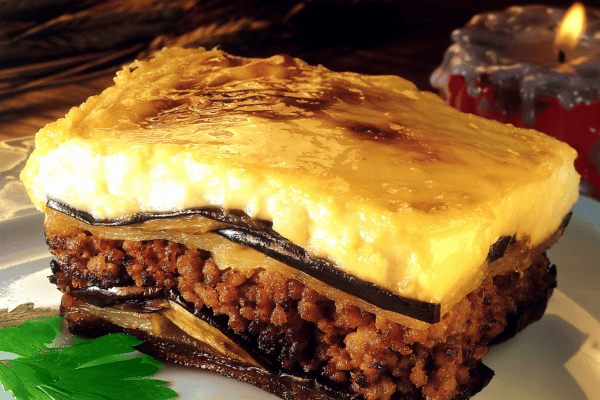
- Roasted Vegetable Layer the bottom of a baking dish with companies. In an ovenproof dish, use the roasted vegetables to form a layer of eggplant at the bottom. This will be the foundation for your Moussaka.
- Pour the meat sauce over the top of the layer as evenly as possible. When the veggies are covered, top them off with all that good meat sauce and spread it out in an even layer so every bite will get a taste.
- Add the béchamel sauce over the meat layer and smooth it down. Layer meat on the bottom of an oven dish and pour prepared keto béchamel sauce over the layer. Smooth it out with a spatula to cover the whole area.
- Sprinkle some more cheese on top if you want to. If you’re a cheese fan, I sprinkle some grated Parmesan or mozzarella. The step is fancy if you want a cheesy top crust.
Step 5: Baking the Moussaka
- Preheat Your Oven! If the oven is still cold, preheat it to 350°F (175°C).
- Bake the Moussaka until bubbly and golden brown on top, about 45-50 minutes.
- Cool the tapioca at room temperature to set before serving. After baking, let the Moussaka cool for 15-20 minutes. That gives it enough time to slice and serve. Serve and enjoy your yummy keto moussaka!
Nutritional Facts for Keto Moussaka
Estimating the nutritional facts for a dish like keto moussaka can vary based on the exact ingredients and portion sizes. However, here’s a rough estimate per serving, assuming the recipe makes eight servings:
- Calories: 350-400 kcal
- Total Fat: 25-30g
- Saturated Fat: 10-12g
- Trans Fat: 0g
- Cholesterol: 100-150mg
- Sodium: 600-800mg
- Total Carbohydrates: 10-15g
- Dietary Fiber: 3-5g
- Sugars: 5-7g
- Protein: 20-25g
Breakdown of Key Nutrients:
- Calories: The calorie count is primarily from the healthy fats in olive oil, cream cheese, and ground meat, making this a satisfying, energy-dense meal suitable for a keto diet.
- Total Fat: With 25-30 grams of fat per serving, this dish aligns well with the macronutrient goals of a ketogenic diet. The fat is derived from olive oil, ground meat, cream cheese, and added cheeses.
- Saturated Fat: This recipe includes around 10-12 grams of saturated fat, mainly from the ground meat and cheese.
- Cholesterol: The cholesterol content ranges from 100-150mg per serving, sourced primarily from the meat and the eggs used in the béchamel sauce.
- Sodium: The sodium content is approximately 600-800mg per serving, from the salt used to sweat the vegetables, season the meat sauce, and prepare the cheese.
- Total Carbohydrates: The dish contains about 10-15 grams of total carbs per serving, making it a low-carb meal suitable for the ketogenic diet.
- Dietary Fiber: The fiber content is about 3-5 grams per serving, thanks to the vegetables (eggplant and zucchini).
- Sugars: Natural sugars from the tomatoes and vegetables contribute about 5-7 grams per serving.
- Protein: Ground meat and cheese provide a substantial amount of protein, around 20-25 grams, per serving, making it a balanced dish in terms of macronutrients.
Tips for Making Keto Moussaka

Crafting the perfect keto moussaka involves more than just following a recipe; it’s about embracing some handy tips and tricks to ensure your dish is flavorful, satisfying, and, of course, low-carb. Here are some additional pointers to elevate your moussaka game:
Choose the Right Vegetables
While eggplant and zucchini are traditional choices, you can mix in other low-carb vegetables like bell peppers, mushrooms, or spinach. This adds variety and extra nutrients without significantly increasing the carb count.
Use Fresh Herbs
Incorporate fresh herbs such as parsley, mint, or thyme into your meat sauce, or sprinkle them over the top before baking. Fresh herbs can enhance the flavor and aroma of your Moussaka, making it even more delightful.
Opt for Grass-Fed Meat
Whenever possible, choose grass-fed beef or lamb. Grass-fed meat is leaner and richer in omega-3 fatty acids, which benefit your health.
Adjust the Seasonings to Taste
Feel free to tweak the spices and seasonings to suit your palate. More cinnamon can add warmth, while additional garlic and oregano can enhance the Mediterranean flavors. Taste your sauce as you go to get it just right.
Experiment with Cheeses
While parmesan and mozzarella are fantastic choices, you should try feta or goat cheese for a tangy twist. These cheeses pair with the other ingredients, adding a unique flavor profile.
Make It Ahead
Moussaka often tastes even better the next day as the flavors have more time to meld together. Consider making it a day ahead and refrigerating it. Reheat in the oven before serving for a convenient and delicious meal.
Portion Control
If you’re following a strict keto diet, portion control is essential to keep your macros in check. Use a kitchen scale to measure ingredients and meet your dietary goals.
Alternative Thickeners for Béchamel
If you do not like xanthan gum or coconut flour, other low-carb thickeners like agar-agar or psyllium husk can work. Experiment to see which one you prefer for your béchamel sauce.
Use a Mandoline for Even Slices
Use a mandoline slicer for perfectly even slices of eggplant and zucchini. Consistent thickness ensures the vegetables cook evenly and layer nicely in your keto Moussaka.
Try Different Cooking Methods
While roasting vegetables in the oven is a classic method, you can grill them for a smoky flavor or use an air fryer for a quicker, oil-free option. Experiment with these methods to see which you prefer.
Avoid Overcrowding the Pan
Do not overcrowd the pan when sautéing onions, garlic, and meat. Overcrowding can cause the pan to steam rather than brown, affecting the meat sauce’s flavor and texture.
Let It Rest
After baking, let your keto Moussaka rest for at least 15-20 minutes. This resting period helps the layers set, making it easier to slice and serve and enhancing the overall taste.
Storage and Reheating Tips
Leftover Moussaka can be stored in an airtight container in the refrigerator for 3-4 days. To reheat, cover with foil and warm it in the oven at 350°F (175°C) until heated. Avoid microwaving, as it can make the béchamel sauce grainy.
Frequently Asked Questions
What Kind of Meat is Best for Keto Moussaka?
Ground beef, lamb, or a mixture are traditional choices and work well in keto Moussaka. If you prefer, you can also use ground turkey or chicken as leaner alternatives.
What Can I Use Instead of Eggplant and Zucchini?
Other low-carb vegetables like bell peppers, mushrooms, or spinach can add different flavors and textures to your Moussaka.
What Should I Serve with Keto Moussaka?
Keto moussaka pairs well with a simple Greek salad, roasted vegetables, or cauliflower rice. These sides complement the rich flavors of the Moussaka without adding extra carbs.
Final Thoughts
Making keto moussaka at home is a rewarding culinary adventure that brings the rich flavors of Greece to your kitchen while keeping your carb intake in check. By following these steps and incorporating the tips provided, you can create a delicious, satisfying dish perfect for those on a ketogenic diet.
From selecting the freshest vegetables and herbs to experimenting with different cheeses and seasonings, the possibilities are endless, allowing you to customize the Moussaka to your taste.
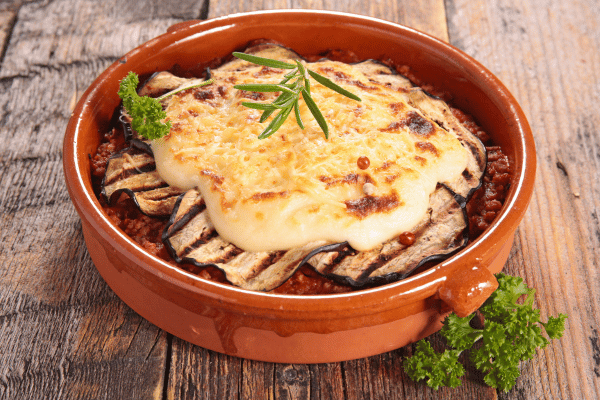
Not only does keto moussaka offer a hearty meal packed with protein and healthy fats, but it also stands as a testament to the versatility of low-carb cooking. Whether preparing it for the week or serving it fresh out of the oven, this dish will impress family and friends alike.
Remember, the key to a perfect moussaka lies in the layers—each thoughtfully prepared and seasoned to perfection. So, roll up your sleeves, embrace the process, and enjoy the delightful experience of creating a Mediterranean masterpiece that aligns with your health goals.
Happy cooking, and here’s to delicious, healthy eating!