

Discover Easy and Delicious Recipes to Make Refreshing Low-Carb Juices at Home.
What Fruits and Vegetables Are Best for Low Carb Juicing?
🍹 Best options include cucumbers, leafy greens (spinach, kale), celery, zucchini, lemons, limes, and small portions of berries.
Juicing has moved onto the scene to take the health world by storm, with millions of people swearing by their daily Glass of fresh low-carb juice as an easy way to get extra nutrients. At the same time, low-carb diets have become extremely popular due to their effectiveness in weight loss and blood sugar stabilization.
In this blog, we will explore the world of low carb juicing and equip you with actionable tips on how to make tasty and healthy juices with low-carb at home.
First, we will explain low carb juicing and why it benefits you. Then, we will discuss the must-have tools you need, some tips on creating juices that are great yet burn with a low carb count, and some juice recipes to get you up and running.
Finally, we will look through storage and serving ideas and troubleshoot frequently asked questions. Get ready to revamp your juicing routine to the best of both worlds!
Table of Contents:
- Low Carb Juicing at Home
- Essential Tools for Low Carb Juicing
- Low Carb Juices Recipe
- Tips for Low Carb Juicing
- Storing and Serving Low Carb Juices
- FAQ About Low Carb Juicing
- Final Thoughts
Low Carb Juicing at Home
What is Low Carb Juicing?
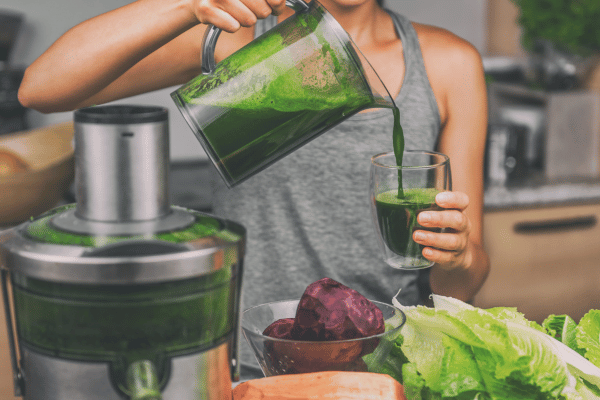
Low carb juicing is extracting juices from fruits and vegetables low in carbohydrates. Unlike regular juicing, which largely comprises high-carb fruits like apples, oranges, and pineapples, the low carb juicing ingredients focus on those with minimal blood sugar disturbance. This becomes good for those doing a ketogenic or low-carb diet and wanting to consume the nutrition of fresh produce without its high carbohydrate content.
Benefits of Low Carb Juicing
Weight Loss:
Low carb juicing is a powerful tool for losing weight. When your body has fewer carbohydrates, it opens up the possibility of achieving ketosis—a state where your body uses mucilage as fuel. Juicing with low-carb vegetables and fruits supplies necessary vitamins and minerals while keeping the carb count down to facilitate your weight loss goals.
Better Blood Sugar Management:
Low carb juicing will help maintain blood sugar levels under control in cases of insulin resistance or diabetes. High-carb fruits swing blood glucose to a high level, and as for low-carbs, they maintain a more stable blood sugar level and create less potential for large insulin spikes and crashes.
Overall Improvement in Health:
Low-carb juices are very dense in much-needed nutrition, antioxidants, and other phytochemicals that can benefit one in improving health. They help raise the immune system, promote good digestion, and give an easy method through which a daily supply of vegetables and fruits can be incorporated into the diet. Moreover, low carb juicing will let you increase your hydration and electrolyte intake, essential for boosting energy levels and other bodily functions.
Common Low Carb Juicing Ingredients
Leafy Greens:
- Spinach: Spinach is low in carbohydrates and contains vitamins A, C, and K; it makes an excellent base for low-carbohydrate juices.
- Kale: Kale is the other dark, leafy green that is full of antioxidants and fiber, making this green an excellent addition to any vegetable and fruit juices
- Swiss Chard: Firm in texture, mildly flavored, and rich in magnesium and iron, Swiss chard is one of the finest juices to incorporate.
Vegetables:
- Cucumbers—Having low carbohydrate and high water content, the refreshed taste of cucumbers provides good hydration.
- Celery—is full of detox components, low in carbs, and high in essential minerals like potassium.
- Zucchini: A juice with a creamy feel, low in carbs but high in final and vitamin C.
Fruits:
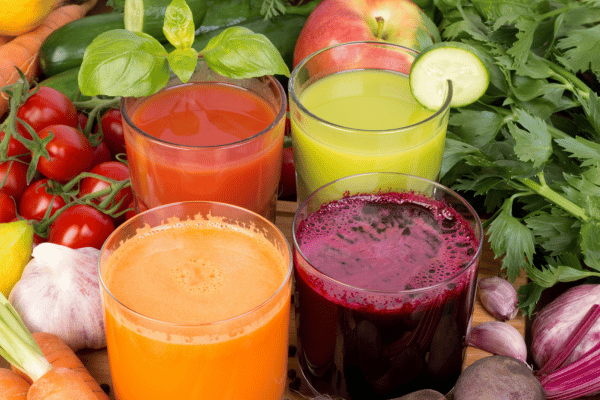
- Berries: This will include strawberries, raspberries, and blackberries. They are not as high in carbs as other fruits and are rich in antioxidants.
- Lemons/Limes: These citrus fruits are very low in carbs, add flavor with a zing to a juice, and provide a dose of vitamin C.
- Avocado: With a low carb count, this fruit gives the juice a creamy texture with functional healthy fats.
Essential Tools for Low Carb Juicing
Juicers
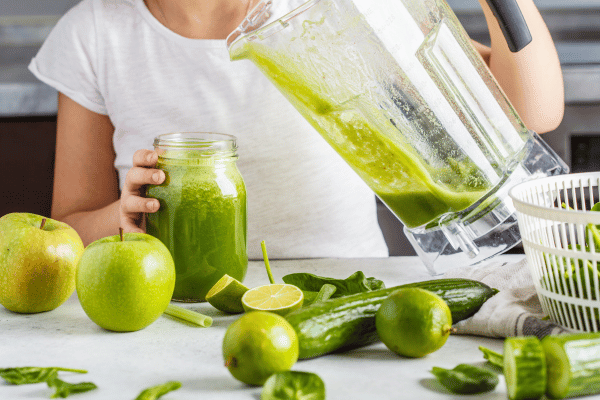
When it comes to low carb juicing, selecting the right juicer is crucial to ensuring you get the most nutrients and flavor from your ingredients. Here, we compare two types of juicers and recommend the best ones for your needs.
Centrifugal Juicers: Centrifugal juicers are known for their speed and convenience. They use a fast-spinning blade to chop fruits and vegetables, separating the juice from the pulp through centrifugal force.
- Pros:
- Fast and efficient, making them great for quick low carb juicing.
- Generally more affordable and widely available.
- Easy to use and clean.
- Cons:
- It cannot be quiet due to high-speed operation.
- May produce less juice from leafy greens and softer fruits.
- Juice can oxidize faster, reducing shelf life and nutrient retention.
- Best for:
- Beginners or those on a budget who want quick, convenient low carb juicing.
- Users focus on harder vegetables like cucumbers and celery.
- Recommended Models:
- Breville JE98XL Juice Fountain Plus: This model is known for its durability and efficiency, making it perfect for beginners.
- Hamilton Beach 67601A Big Mouth Juicer: An affordable, easy-to-clean option for fast low carb juicing.
Masticating juicers: Also known as slow or cold press juicers, these juicers crush and squeeze out juice from fruits and vegetables using a slowly churning auger. This preserves more nutrients and allows users to extract more vegetable juices.
- Pros:
- Extracts more juice with leafy greens and softer fruits.
- Juice has a longer shelf life due to less oxidation.
- Much quieter than a centrifugal juicer.
- Cons:
- Slower juicing process.
- Generally more costly. More components to clean.
- Best for:
- Serious juicers who want to maximize the retention of nutrients.
- Those with various ingredient focuses, such as leafy green and berry-based ones.
- Recommended models:
- Omega J8006HDS Nutrition Center Juicer: A highly versatile and efficient machine to squeeze out maximum nutrition.
- Plans Hurom H-AA Slow Juicer: Stylish, Efficient, Great for Pressing High-Quality Juice with Minimal Oxidation:
Other Essential Tools for Low Carb Juicing
While a juicer is certainly a star, using other tools can make your low carb juicing experience smoother and more pleasurable.
- Strainers: A fine mesh strainer or a nut milk bag will help catch any remaining pulp, smoothing your juice. This works really well if you don’t want any pulp in your juice or if you are juicing ingredients that are very high in fiber.
- Knives: When preparing your fruits and veggies, you can only do with a set of sharp, good-quality knives. A chef’s knife for larger produce and a paring knife for the smaller ones will cover all your needs.
- Cutting Boards: Get yourself a good, quality, non-slip cutting board to ensure the safe and quick preparation of ingredients. There are also boards exceptionally designed to handle fruits and vegetables separately, keeping away cross-contamination. Storage Containers: Use airtight glass jars or non-toxic BPA-free plastic bottles. Mason jars are very popular, and they are easy to clean and maintain the freshness of your juice in them.
- Cleaning Brushes: This juice is worked out with small parts containing areas that are hard to reach. A set of small cleaning brushes will let you ensure that all juicer and other utensils are well cleaned off so nothing would have built-up residues.
- Measuring Cups and Spoons: Accurate measurements will make it much easier to achieve the perfect balance of flavors with every juice recipe. The measuring cups and spoons can easily help you get through recipes while maintaining consistency.
Low Carb Juices Recipe
Classic Green Juice
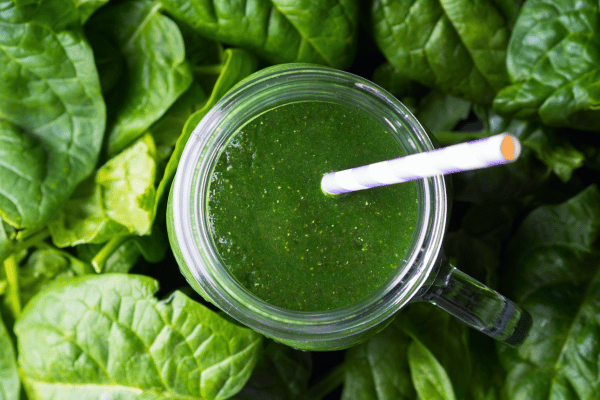
Ingredients:
- 1 cup Sharp Kale
- 1 cucumber
- 2 celery sticks
- 1/2 Lemon or lemon juice
- 1 cup water
Instructions:
- Wash and dice items.
- Juice the ingredients.
- Enjoy right away or refrigerate.
Net Carbs per Serving: 10.9g
Berry Blast
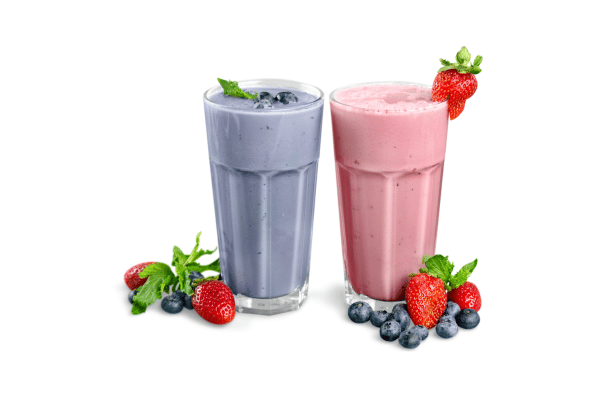
Two glasses of juice: one with mixed berries, the other with strawberries.
Ingredients:
- 1/2 c strawberries
- 1/2 cup rasp
- 1/4 cup of Fresh Mint Leaves
- 1/2 cucumber
- One cup of liquid Water
Instructions:
- Peel, wash, and chop.
- Juice all of the ingredients.
- Consume fresh and store it in the refrigerator.
Net Carbs per Serving: 9.5g
Detox Delight
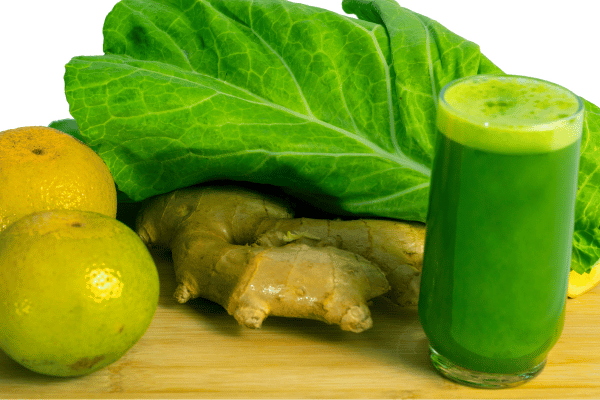
Ingredients:
- 1 cup baby spinach
- 1-square inch ginger
- 1/2 lemon;
- 1/4 cup of
- 1 cup Water
Instructions:
- Cut up and season ingredients.
- Juice them together.
- Serve chilled or store in the fridge.
Net Carbs per Serving: 3.5g
Energy Boost
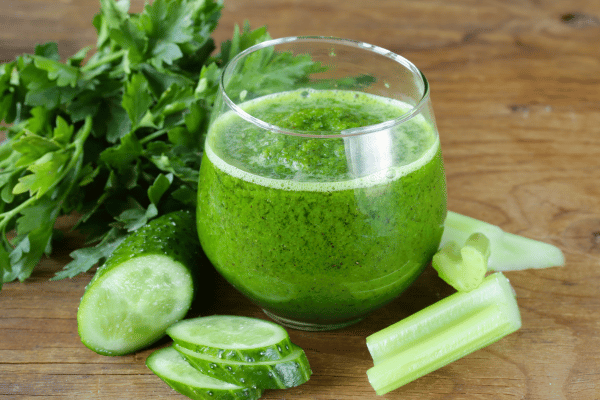
Ingredients:
- 1 small beetroot, peeled and chopped
- 1 cucumber
- 1/2 lemon,
- 1-inch piece ginger
- 1 Cup Water
Instructions:
- Wash and cut ingredients.
- Juice all ingredients.
- Plate and serve hot right away, or refrigerate/chill as needed.
Net Carbs per Serving: 9.7g
Cucumber Mint Cooler
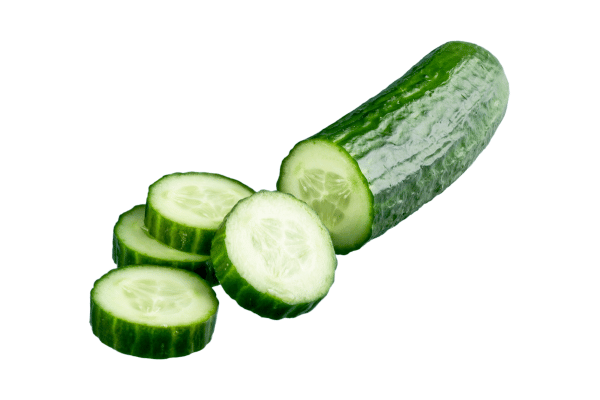
Ingredients:
- 2 cecum
- 1/2 a lemon
- 1/4 cup fresh mint leaves
- 1-inch piece ginger
Instructions:
- Wash and dice ingredients.
- Juice everything.
- Serve on the rocks or refrigerate.
Net Carbs per Serving: 9.2g
Avocado Green Juice
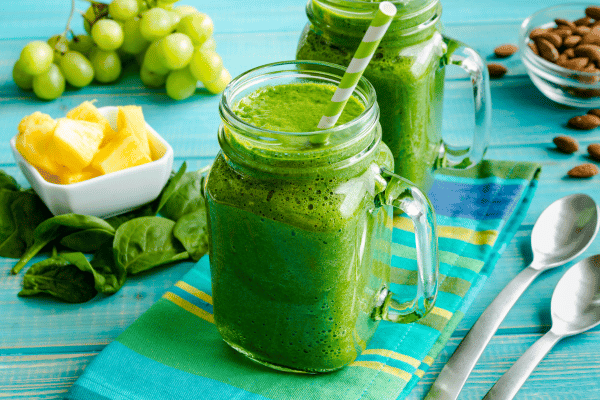
Ingredients:
- 1 avocado
- 1 Cup Spinach
- One Cucumber
- 1/2 Lemon,
- 1 celery stalk
- 1 cup of Water
Instructions:
- Whisk the fleshed avocado with Water to make a homogeneous paste.
- Add other ingredients and juice.
- Serve immediately, or keep cold.
Net Carbs per Serving: 7.3g
Ginger Lime Zinger
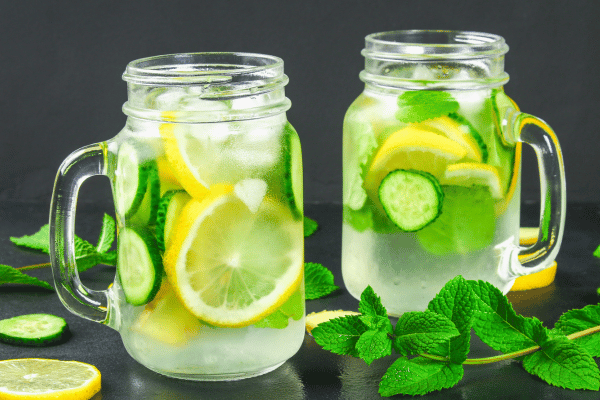
Ingredients:
- 2 made branches of celery
- 1/2 cucumber
- 1/2 lime
- 1 inch piece of ginger
- 1 cup water
Instructions:
- Go ahead and wash your ingredients, then.
- Ingredients are all juiced.
- Present cold or refrigerate.
Net Carbs per Serving: 5.2g
Spinach Cucumber Juice
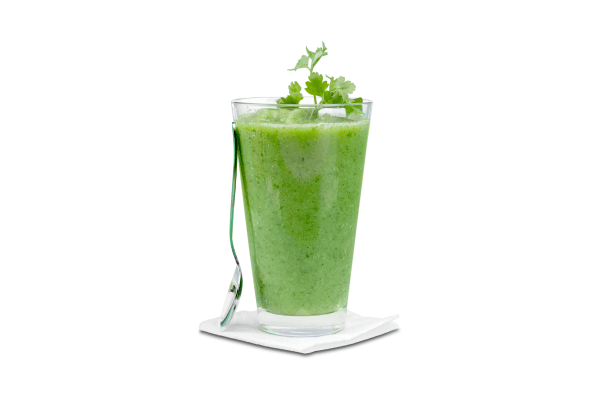
Ingredients:
- 1 fresh spinach cup
- 1 cucumber
- Half a lemon (peeled) and a celery stalk
- 1 measure of Water
Instructions:
- Wash and chop ingredients.
- Juice the ingredients.
- Let cool or refrigerate.
Net Carbs per Serving: 5.3g
Berry Green Juice
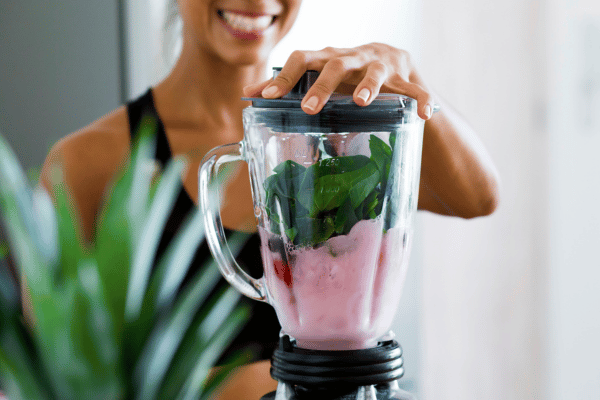
Ingredients
- ½ cup of strawberries
- ½ cup blueberries
- 1 cup fresh spinach
- A half cucumber
- 1/2 lime,
- 1 cup water
Instructions:
- Wash and do ingredients.
- Juice all ingredients.
- Other than that, one is to serve immediately or store it in the fridge.
Net Carbs per Serving: 16.5g
Kale and Cucumber Juice
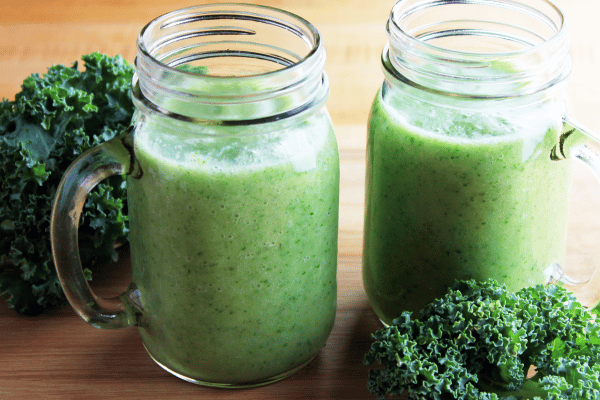
Ingredients:
- 1 cup kale
- 1 cucumber
- 1/2 Lemon
- 1 piece of ginger
- 1 cup water
Instructions:
- Wash guts ∕ internally and chop them.
- Juice the contents.
- Serve cold from the refrigerator, or serve over ice.
Net Carbs per Serving: 11.1g
Tips for Low Carb Juicing
If you strive to achieve delicious low-carb juices at home, they can be both an art and a science. Here are tips for balancing flavors, enhancing sweetness, and perfecting texture and consistency.
Balancing Flavors
Use Citrus for a Fresh Zing: Add a squeeze of Lemon or lime to brighten your juices. Citrus adds a refreshing zing that will offset the bitterness from leafy greens such as kale and spinach without knocking up your juice with too many carbs.
Incorporate Herbs and Spices: Here you can add fresh herbs like mint, basil, parsley, or even spices such as ginger for that extra kick in your juices. All of the above-mentioned ingredients enhance taste and are beneficial for health.
Experiments with Ratios: Start with a base of mild or neutral vegetables, such as cucumbers and celery. Then add stronger-tasting greens like kale or spinach, rationing accordingly to your taste until you reach a good balance for yourself.
Sweetness Enhanced
Use low-carb sweeteners: You can use sweeteners like Stevia or monk fruit to add sweetness without carbs to your juice. They are much sweeter than sugar, so you don’t need much.
Add a Few Berries: Berries like strawberries, raspberries, and blueberries are somewhat low in carbs yet very high in antioxidants. So, a handful of berries will infuse natural sweetness into the juice while keeping it low in carbs.
Carrot and Beetroot for Natural Sweetness: While these have a higher carb content than the other vegetables, small quantities of carrot or beetroot will add natural sweetness to your juice. You can use these sparingly to keep the carb content low.
Texture and Consistency
Cucumber for Smoothness: Cucumber, which is high in water content, mainly adds smoothness and refreshment to juices. It blends well with other ingredients and helps create a more palatable juice.
Celery for Fiber and Body: This can be added to the juice for additional fiber and body, providing a thicker consistency. Celery has a mild flavor and blends well with sweet and savory juices.
Avocado for creaminess: Adding a little avocado provides creamy, rich juice without too many carbs. It does its thing by creating a full texture for your green juices.
Blend and Strain: If it is too pulpy, blend your juice first and then strain through a fine mesh strainer or a nut milk bag. This provides a smoother juice and pleasurable drinking experience.
Storing and Serving Low Carb Juices
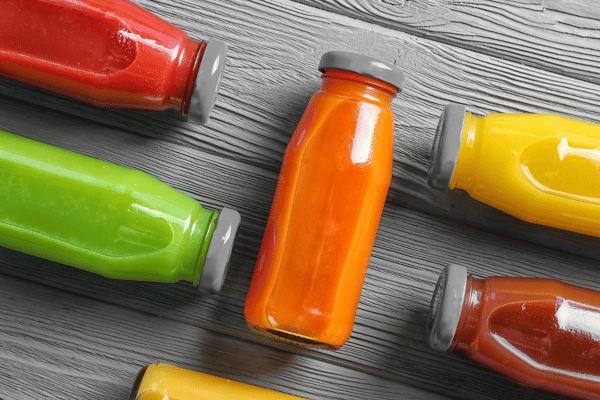
- Airtight containers: Keep your low-carb juices fresh with airtight glass containers, such as Mason jars. Glass is recommended over plastic as it doesn’t retain the smell and flavor of certain foods, nor will it allow the potential leaching of chemicals from plastics into the juice.
- Fill to the Brim: Fill your containers to the rim. This allows only a minimum amount of air inside the container. This will also reduce oxidation, breaking down your juice’s nutrient and flavor value.
- Refrigerate Immediately: Refrigerate your juices as soon as possible. Freshly squeezed juice, if refrigerated properly, can last for as long as 48 hours, though for maximal freshness and richness in vitamins, it is best to take them within 24 hours.
- Freeze for Longer Storage: If you wish to store your juice for several days, freeze it. In freezer-safe containers, allow a little space at the top for expansion. Frozen juices can be stored for up to three months. Take them out and let them thaw in your fridge for drinking the next day.
- Label Your Juices: Always label your containers with the date of preparation. This is important for keeping track of freshness and ensuring timely consumption.
Serving Low Carb Juices
- Shake Well: The juice should be well shaken before use. Due to natural separation, this may need more frequent shaking, especially with fresh juices.
- Serve Chilled: All juices are exquisite when cold. Serve chilled, straight out of the refrigerator, or with a splash of ice in the drink for that rejuvenating experience.
- Garnish for Extra Flavor: The juice should be presented with a garnish to enhance its presentation and impart a flavor available immediately, be it fresh mint leaves, a slice of cucumber, or a lemon wedge.
- Proper Glassware: Clear glassware would do much justice to show the vibrant color of the juice. However, aside from making it look more presentable, clear glassware enhances the consumption or drinking experience.
- Enjoy Fresh: For better taste and more content of nutrients, drink the juice immediately after extracting it from the juicer. Fresh juice is qualitatively superior in potency and flavor compared to stored juice.
FAQ About Low Carb Juicing
Can I Lose Weight with Low Carb Juicing?
Yes, low carb juicing can aid in weight loss by reducing overall carbohydrate intake and promoting fat burning, especially with a balanced diet and regular exercise.
How do I Balance Flavors in Low Carb Juices?
To balance flavors, combine mild-tasting vegetables like cucumbers and celery and add a splash of Lemon or lime juice. Herbs like mint and parsley or spices like ginger can enhance flavor.
Are There Any Side Effects of Low Carb Juicing?
Low carb juicing is generally safe, but it is important to ensure you get enough fiber and other nutrients from whole foods. Some people may experience initial digestive changes as they adjust to increased vegetable juice intake.
Can I Juice on a Keto Diet?
Absolutely! Low carb juicing is compatible with the keto diet. Just make sure to use low-carb vegetables and fruits to keep your carbohydrate intake in check.
Can I Drink Low-Carb Juices Every Day?
Yes, you can drink low-carb juices daily. However, balancing your diet with other whole foods is important to ensure you get a full range of nutrients and fiber.
Final Thoughts
Low carb juicing is a delicious and very nutritious way to increase your intake of vegetables and fruits without sacrificing your low-carb lifestyle. If you choose ingredients carefully to balance out the taste, you’ll be amazingly surprised at the different juices you can concoct and enjoy.
Low carb juicing might further help in weight reduction and blood sugar control, increase your consumption of several vital nutrients, and give refreshments without higher carbohydrate beverages.
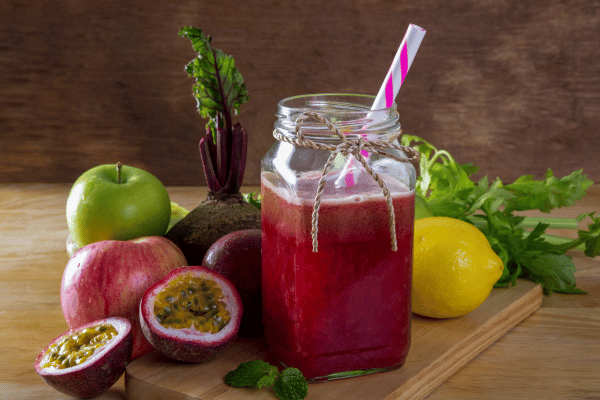
Juicing at home puts you completely in charge of the ingredients and assures you that every Glass you drink is tailor-made according to your needs and preferences.
Low-carb juices can be incorporated into your diet as one of the simplest, easiest ways to build overall health and boost vitality. So crank up that juicer and play with recipes in this colorful, full-of-nutrient world of low carb juicing!