

Low Carb Protein Shake Can Boost Your Fitness Goals By Building Muscle And Burning Fat, Giving You Energy Without Extra Carbs.
What is a Low Carb Protein Shake?
🥤 A low carb protein shake is a beverage made with protein powder and minimal carbohydrates. It’s designed to support muscle growth and fat loss while keeping your carb intake low.
Low-carb diets have become some of the most popular ways to lose weight and build muscles. People are more into low carb protein shake, which involve ingredients like protein powder and whey powder to support fitness, are easy to prepare, and are quick to consume.
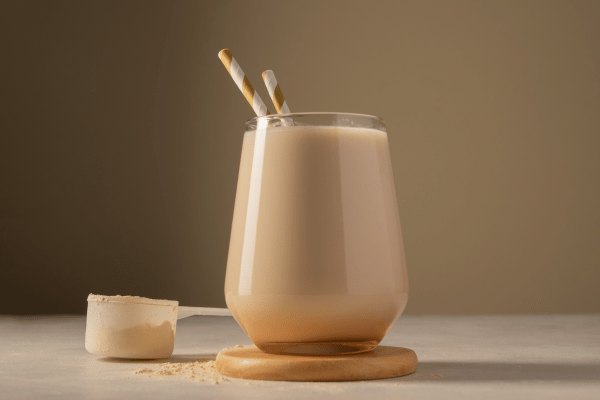
We’re going to talk about just one overarching way that these shakes can help you achieve results with your workouts—whether that be through low carb protein shake or an almond milk-laced approach to adding more protein and making them creamier. We will also examine the benefits of low-carb protein powders, how they can assist in muscle protein synthesis, and the benefits of various phases, such as pea protein.
Low-carb shakes are a super-power tool on your fitness journey, whether you want to trim down, bulk up, or live a healthy lifestyle.
Table of Contents:
- Understanding Low Carb Protein Shake
- The Role of Protein in Fitness
- Choosing the Right Low Carb Protein Shake
- Low Carb Protein Shakes Products
- Incorporating Low Carb Protein Shakes into Your Routine
- Recipes and Variations
- Final Thoughts
Understanding Low Carb Protein Shake
Low carb protein shake are beverages designed to provide high protein while keeping carbohydrate content minimal. These shakes are typically formulated for individuals following low-carb diets, such as ketogenic or Atkins diets, where reducing carbohydrate intake is crucial.
The main ingredients in low carb protein shake usually include protein powders like whey, casein, or plant-based proteins (such as pea or soy), water or unsweetened almond milk, and minimal or no added sugars. They may also include Texture, artificial sweeteners, and sometimes healthy fats like coconut or MCT oil to enhance flavor and texture.

Nutritional Benefits
The primary benefit of low carb protein shake lies in their macronutrient profile. These protein-rich shakes are essential for muscle repair, growth, and overall body maintenance. The protein content can range from 20 to 30 grams per serving, depending on the brand and type of protein used.
They contain very few carbohydrates, often less than 5 grams per serving, making them suitable for limiting their carb intake. Additionally, low carb protein shake are often low in sugars, which helps maintain stable blood sugar levels and can aid in weight management. Some versions may also contain healthy fats to provide sustained energy and help with satiety.
Comparison
The most obvious difference between low carb protein shake and regular or high-carb protein shakes is the carbohydrate content. Regular protein shakes often contain added sugars or high-carb ingredients like fruit, oats, or dairy milk, resulting in a higher overall carb count.
While these shakes might suit those looking to refuel after intense workouts or needing a quick energy boost, they may not align with low-carb dietary goals.
In contrast, low carb protein shake are tailored to provide protein without the extra carbs, making them more suitable for those on low-carb diets.
Regular protein shakes might offer a wider variety of flavours and thicker textures due to higher sugar and carb content, but low-carb options have improved significantly in taste and consistency, offering a comparable experience without the excess carbs.
This comparison highlights the importance of choosing a shake that aligns with your dietary goals. If you’re aiming for low-carb intake, a low-carb protein shake is more appropriate, while regular shakes better serve those not concerned with carbohydrate content.
The Role of Protein in Fitness
Repair and Growth of the Muscles
Protein plays an imperative role in muscle recovery and growth, specifically post-workout. During exercising, mainly through weight or high-intensity training, intentional stress usually arises in the muscles, causing minor muscle tearing. Proteins provide amino acids for the healing process of the muscle fibres, leading to overall muscle growth and eventual strengthening.
Beginning this repair process requires a protein intake immediately after exercise. Therefore, it is an essential nutrient for muscle development and a rise in overall strength within the body. This is one of the reasons that protein shakes or high-protein meals are recommended within an hour following exercise, for it is when your muscles can be most receptive to protein intake.
Satiety and Weight Management
Protein is also full of as much satiety and, therefore, plays into weight. These two factors are important for any fitness goal. High protein levels from food and shakes hold a great status compared to carbohydrates or fats and, therefore, make people longer.
This is because it takes time to digest protein compared to the other two macronutrients, keeping one feeling quite full and resulting in lower calorie intake throughout the day.
It will also prevent overeating and reduce craving behaviors; thus, one can stick to a calorically controlled diet much more easily when either losing or maintaining a healthy weight.
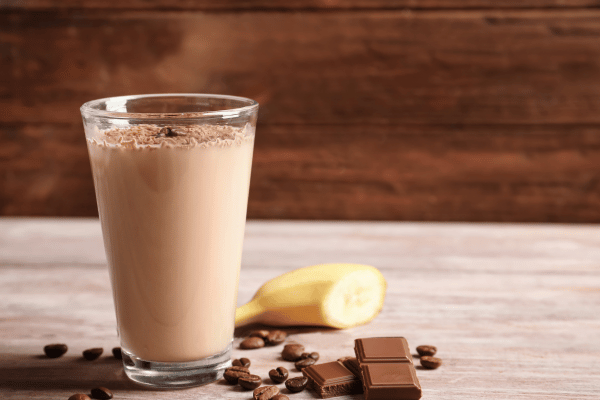
Moreover, protein possesses a greater thermic effect than carbohydrates and fats, which means that your body burns more calories while digesting and metabolizing protein—further supporting your weight loss goals.
Energy Levels While normally considered the secondary energy source for exercise, protein does assist in stabilizing energy. Protein can help stabilize blood sugar by slowing glucose absorption into the bloodstream and preventing energy spikes and crashes.
This more constant release of energy becomes critical during long exercise sessions so that endurance is always available. Also, your body can use some amino acids from proteins to fuel you during high-exertion workouts or activities requiring high endurance, especially when carbohydrate stores are low.
Therefore, a balanced diet with sufficient protein will give you the required energy and help you improve your overall performance during workout sessions.
Choosing the Right Low Carb Protein Shake
Ingredients to Look For
When choosing a low carb protein shake, look for good ingredients that blend well with your workout demands and diet. Chief among the ingredients to look for are:
- Whey Protein Isolate: Whey protein helps in digestion and is a very quick absorber in our body. This is why it’s best for recovery after a workout session. Whey protein isolate has much lower carbohydrate and lactose content; it is highly recommended on a low-carb diet.
- Casein Protein: This dairy-based protein is absorbed more slowly, providing a sustained release of amino acids. This makes it an excellent choice for meal replacement or before bed.
- Plant-Based Proteins: Pea, hemp, or brown rice protein are all good sources for people who either prefer or need a non-dairy source. These proteins are often combined to create an ideal amino acid profile.
- Healthy fats, such as MCT, avocado, or coconut oil, might be beneficial because they provide energy and keep a person full without adding extra, undesirable carbs.
- Natural sweeteners: Shakes can be sweetened with stevia, monk fruit, or erythritol to provide sweetness without increasing your carb count.
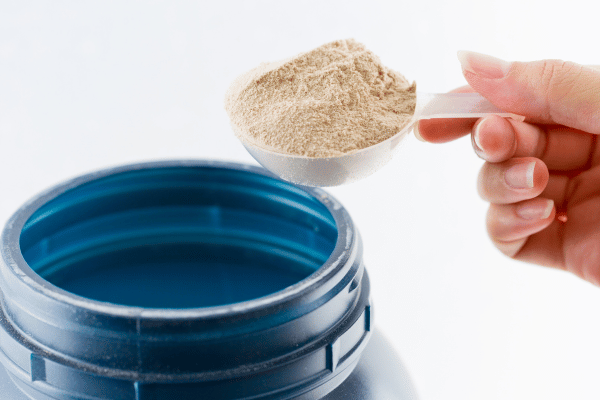
Avoid Additives
Many of the low carb protein shake offered in the market hold within them a collection of additives and sweeteners that might even be incompatible with attaining your health goals. General additives to steer clear of include:
- Artificial Sweeteners: Aspartame, Sucralose, Saccharin, and other artificial sweeteners can easily upset the stomach and cause other health issues. Opt for those shakes that have natural sweeteners instead.
- Fillers and Thickeners: The carbohydrate content can be jacked up by adding maltodextrin, carrageenan, and artificial sweeteners, which the body can readily digest. These ingredients are added to give the shake a thick texture but further decrease its value.
- Artificial Colors and Flavors: These can be related to many types of health issues and are often unnecessary. Look for shakes that contain natural flavors, and avoid artificial coloring.
- Added Sugars: Many shakes contain hidden sugars or high fructose corn syrup, which can cause a rise in blood sugar levels and unwanted carbohydrates. Look to the label for added sugars; the goal should be to have as little or no sugar content.
- Flavor and Texture Justify: Critical long-term satisfaction and adherence to your diet are backed by attaining a taste-pleasing low-carb protein shake with a pleasing texture.
Here are some tips to help you choose:
- Shakes of Many Flavors: Many low-carb shakes come in the classic flavors of chocolate, vanilla, and strawberry. You should try a few different brands and flavours for most of these products to get one that provides for your taste buds. Some companies also offer sample packs, which enable consumers to taste them before committing to a larger container.
- Texture Considerations: Texture is also an important consideration when selecting the shake. If you like a creamy, thicker shake, look for products that blend well and are smooth when mixed. You can add a bit of unsweetened almond milk or even a handful of ice to change this balance. If you like a light shake, choose one that mixes well with water and does not form clumps.
- Personal preference: Do you want a ready-to-drink shake for convenience or a protein powder to make one yourself? Ready-to-drink options are quick and convenient, but you need more control over ingredients and Texture.
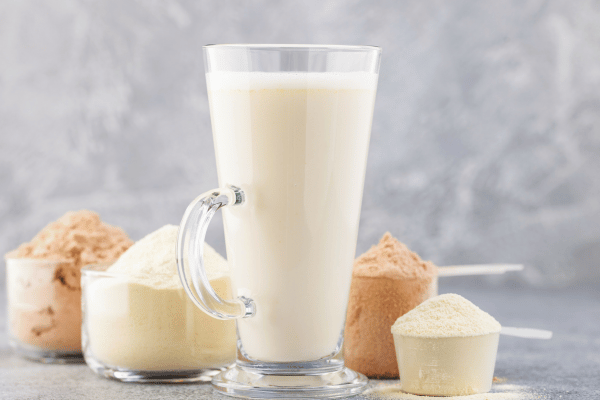
Protein powders allow you to control thickness and taste by regulating the volume of liquid and what you mix in. Make sure that your shake tastes great and is of the proper consistency due to quality ingredients and not any unhealthy additives.
Then, you can find a low-carb protein shake that will work well with your diet and help you achieve your desired fitness goals.
Low Carb Protein Shake Products
The variety of options can be overwhelming when choosing a low-carb protein shake. Here’s a look at some of the top products available, known for their quality ingredients, great taste, and effectiveness in supporting fitness and dietary goals:
- Premier Protein Shake: With 30 grams of protein and only 1 gram of sugar, Premier Protein is a popular choice for those on a low-carb diet.
- It’s available in several flavors, including chocolate, vanilla, and caramel, and is often praised for its creamy texture and convenience as a ready-to-drink option.
- Quest Protein Shake: Quest is well-known for its low-carb, high-protein products; its protein shakes are no exception.
- Each shake contains 30 grams of protein and only 3 grams of carbs, making it an excellent option for those looking to build muscle without the extra carbs.
- The flavors are rich and indulgent, with options like chocolate, vanilla, and salted caramel.
- Atkins Protein-Rich Shake: Designed specifically for low-carb and ketogenic diets, Atkins shakes are low in carbs and sugar, with only 2-3 grams of net carbs per serving.
- They contain 15 grams of protein and are available in creamy chocolate and mocha latte flavors.
- These shakes are great for meal replacement or as a quick snack.
- Orgain Clean Protein Shake: For those seeking an organic, non-GMO option, Orgain offers a low-carb protein shake with 20 grams of grass-fed whey protein and 3 grams of net carbs.
- The shake is free from artificial sweeteners and comes in flavors like creamy chocolate fudge and vanilla bean.
- It’s also a good option for those who prefer a clean label with fewer additives.
- KetoLogic Keto Meal Replacement Shake: Specifically formulated for ketogenic diets, KetoLogic shakes offer a balanced mix of protein, fats, and minimal carbs.
- Each serving provides 10 grams of protein and 7 grams of MCTs, with just 3 grams of carbs.
- Available in flavors like chocolate and strawberry, these shakes support ketosis and keep you full and energized.
Low Carb Protein Shake Recipe
Making your low-carb protein shake at home can be a great way to control ingredients, tailor the flavor to your liking, and save money. Here’s a simple and delicious recipe you can whip up in just a few minutes.
Ingredients:
- 1 scoop of low-carb protein powder (whey, casein, or plant-based)
- 1 cup of unsweetened almond milk (or another low-carb milk alternative like coconut milk)
- One tablespoon of nut butter (peanut, almond, or cashew butter)
- 1/2 cup of ice cubes
- 1/4 avocado (for added creaminess and healthy fats)
- 1 teaspoon of unsweetened cocoa powder (optional for a chocolate flavour)
- 1/2 teaspoon of vanilla extract (optional for added flavour)
- Sweetener to taste (stevia, monk fruit, or erythritol)
Instructions:
- Add the liquid first: Pour the unsweetened almond milk into a blender. This will help the other ingredients blend more smoothly.
- Add the protein powder: Add one scoop of your preferred low-carb protein powder. This will be the main source of protein in your shake.
- Add the fat sources: Drop in the nut butter and avocado. These will add creaminess and healthy fats to keep you full longer.
- Add ice and optional ingredients: Add the ice cubes for a refreshing, chilled texture. If you’re using cocoa powder and vanilla extract, add them now, along with your chosen sweetener.
- Blend until smooth: Blend all the ingredients quickly until smooth and creamy. If the shake is too thick, add more almond milk to reach your desired consistency.
- Taste and adjust: Taste the shake and adjust the sweetness or thickness as needed. If it’s not sweet enough, add a bit more sweetener. If it’s too thick, add more almond milk or water.
- Serve immediately: Pour your shake into a glass and enjoy it immediately. If you prefer colder, add more ice cubes or chill it in the refrigerator for a few minutes.

Nutritional Information:
- Calories: Approximately 250-300 calories per serving (depending on the protein powder and nut butter used)
- Protein: 20-30 grams
- Carbohydrates: 4-7 grams (mostly from the avocado and nut butter)
- Fat: 15-20 grams
Customization Tips
One of the great things about making your low-carb protein shake is the ability to customize it to your taste and nutritional needs. Here are a few ideas:
- Add Greens: Toss a handful of spinach or kale for added nutrients without significantly changing the flavor.
- Boost Fiber: Add a tablespoon of chia seeds or ground flaxseed to increase the fiber content and help digestion.
- Change the Flavor: For a unique twist, experiment with different flavorings, such as cinnamon, matcha powder, or extracts like almond or peppermint.
- Fruit Additions: If your carb limit allows, add a few berries, like strawberries or raspberries, for sweetness and extra antioxidants.
Why Make Your Own Low Carb Protein Shake?
Making your own low-carb protein shake gives you complete control over the ingredients, ensuring you avoid unwanted additives and get exactly the nutrition you need. It’s a versatile, quick, and satisfying option for a post-workout boost, meal replacement, or snack that keeps you on track with your low-carb lifestyle. Plus, you can tailor the taste and Texture to perfectly match your preferences, making it a shake you’ll enjoy.
Incorporating Low Carb Protein Shake into Your Routine
Knowing the best times to consume low carb protein shake can significantly enhance their benefits and help you achieve your fitness goals. Here are some key times to consider:
- Post-Workout: One of the most effective times to consume a low-carb protein shake is 30 to 60 minutes after a workout. This period is often called the “anabolic window,” where your muscles are primed to absorb nutrients for repair and growth. A protein shake during this time helps kickstart muscle recovery and replenishes your body’s energy reserves without adding unnecessary carbs.
- As a Meal Replacement: Low carb protein shake can be a convenient meal replacement option, especially for breakfast or lunch. They provide essential nutrients without the added carbs, making them ideal for those on the go or looking to control calorie intake. Pair your shake with a small serving of healthy fats or fibre, like nuts or a green salad, to keep you full longer.
- Between Meals: If you find yourself needing a snack between meals, a low-carb protein shake can be a great option. It can help curb hunger and prevent overeating at your next meal, keeping your blood sugar levels stable throughout the day.
- Before Bed: Consuming a low-carb protein shake before bed, especially one containing casein protein, can slow the release of amino acids at night, supporting muscle repair and growth while you sleep.
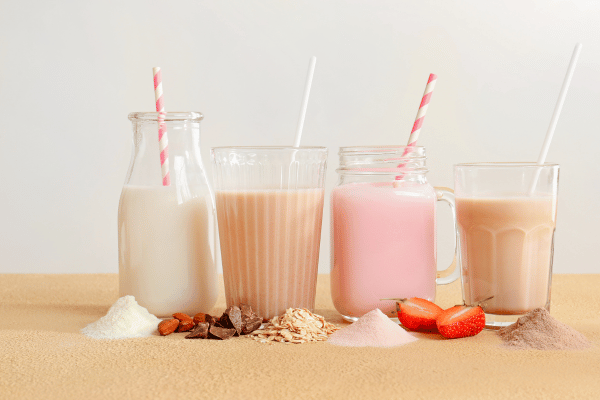
Recipes and Variations
To keep your low carb protein shake interesting, try these simple recipes and ideas:
- Berry Bliss Shake: Blend a scoop of vanilla protein powder with 1/2 cup of unsweetened almond milk, a handful of frozen raspberries or strawberries, and a teaspoon of chia seeds for a refreshing, antioxidant-rich shake.
- Nutty Chocolate Delight: Mix chocolate protein powder with 1 cup of unsweetened coconut milk, 1 tablespoon of almond butter, a dash of cinnamon, and a few ice cubes. This shake is creamy, satisfying, and packed with healthy fats.
- Green Power Shake: Combine a scoop of unflavored or vanilla protein powder with a handful of spinach or kale, 1/4 avocado, 1 teaspoon of matcha powder, and 1 cup of water or almond milk. This shake is loaded with nutrients and provides a gentle energy boost.
- Pumpkin Spice Shake: For a seasonal twist, blend vanilla protein powder with 1/2 cup of unsweetened pumpkin puree, 1 cup of almond milk, a dash of pumpkin spice, and a few drops of vanilla extract. This shake is perfect for fall and is naturally low in carbs.
- Tropical Coconut Shake: Mix a scoop of vanilla or coconut-flavoured protein powder with 1 cup of unsweetened coconut milk, a few pieces of frozen pineapple (if your carb limit allows), and a tablespoon of unsweetened shredded coconut. This shake brings a taste of the tropics to your low-carb diet.
Lifestyle Integration
Incorporating low carb protein shake into your daily life can be easy with a little planning. Here are some tips to make it seamless:
- Prepare in Advance: Consider preparing your shake the night before and storing it in the refrigerator for busy mornings. Use a shaker bottle for easy mixing, or blend and store it in a travel-friendly container.
- Portable Options: Keep a stash of protein powder and a shaker bottle at work or in your gym bag. This makes it simple to mix a shake anytime you need a quick meal or snack. You can also look for ready-to-drink low carb shakes for ultimate convenience.
- Batch Blending: If you prefer fresh shakes with limited time, consider batching your ingredients. Pre-measure your protein powder and other dry ingredients in containers to quickly add liquid and blend them when ready.
- Pair with Healthy Sides: When using a shake as a meal replacement, consider pairing it with low-carb snacks like a handful of nuts, a hard-boiled egg, or a small salad to ensure you’re getting a balanced intake of nutrients.
- Experiment with Flavors: To avoid shake fatigue, regularly experiment with different flavors and add-ins. Incorporating spices, extracts, and seasonal ingredients can keep your shakes exciting and enjoyable.
By timing your shakes effectively, experimenting with different recipes, and finding practical ways to include them in your daily routine, you can maximize the benefits of low carb protein shake and make them a regular part of your healthy lifestyle.
Final Thoughts
Incorporating low carb protein shake into your diet can support your fitness goals, whether you’re looking to build muscle, manage your weight, or maintain a healthy lifestyle. These shakes offer a convenient and effective way to meet your protein needs without adding unnecessary carbohydrates, making them ideal for those following low-carb or ketogenic diets.
By understanding the role of protein in fitness, choosing the right products, and getting creative with recipes, you can tailor low carb protein shake to fit your personal preferences and dietary requirements. Remember to pay attention to ingredient quality, avoid harmful additives, and find flavors and textures you enjoy, ensuring that your shakes are both nutritious and satisfying.
Ultimately, consistency and customization are key to successfully incorporating low carb protein shake into your routine. With the right approach, these shakes can become a versatile tool in your nutritional arsenal, helping you stay on track and achieve your health and fitness objectives.