

Warm Up with This Easy and Delicious Keto Ramen
What are Some Keto-Friendly Alternatives to Ramen Noodles?
🧑🍳 Keto-friendly ramen noodle substitutes include zucchini noodles, shirataki noodles, and spaghetti squash. These options are low in carbs and high in protein, making them perfect for your keto ramen recipe. Enjoy a satisfying and healthy meal with these easy-to-incorporate alternatives.
Weeknights call for quick and easy meals, and this keto ramen recipe fits the bill perfectly with low-carb ramen noodles! Satisfy your craving for a comforting bowl of ramen while staying true to your low-carb diet.
Bursting with fiber, protein, and essential nutrients, this dish is your ticket to a satisfying meal. Perfect for meal prep, whip up a double batch and enjoy effortless lunches or dinners throughout the week. Get ready to savor every bite!
This recipe uses low-carb ingredients to retain classic ramen flavors while reducing net carbs. The main ingredient, shirataki noodles, keeps the dish keto-friendly and offers a texture similar to traditional ramen noodles.
For added protein and a burst of flavor, consider toppings such as soft-boiled eggs, egg yolk, sliced green onions, mushrooms, and thinly sliced pork or chicken. These toppings contribute to the dish’s authenticity and ensure you have a well-rounded and satiating meal.
Craving ramen on a busy night? Dive into this easy keto ramen recipe! It’s a tasty and low-carb way to enjoy your favorite comfort food without straying from your diet.
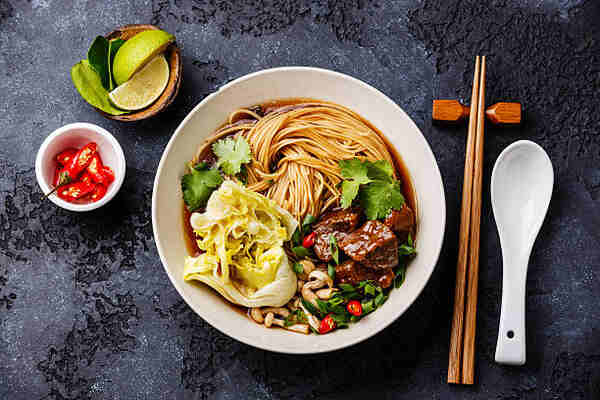
Table of Contents
- Why You’ll Love This Keto Ramen
- Recipe for Keto Ramen
- Customizing Your Keto Ramen
- Tips for Mastering Keto Ramen at Home
- Storage Instructions
- Frequently Asked Questions
- Final Thoughts
Why You’ll Love This Keto Ramen
If you’re on a low-carb diet and craving instant ramen, this recipe provides a tasty alternative. By using shirataki noodles instead of high-carb noodles, you can enjoy a similar taste and texture guilt-free.
Shirataki noodles are not only low in carbs but also high in fiber, promoting feelings of fullness and aiding in digestion.

To enhance the flavor and nutritional value of the dish, consider adding protein-rich ingredients such as sirloin steak to the broth. This keto spicy beef ramen recipe is not only delicious but also keeps you feeling satiated for longer periods.
Trying out different proteins like chicken, tofu, or seafood can make the dish tastier and more nutritious. Adding a side of steamed vegetables or a fresh salad boosts vitamins and minerals while keeping it low-carb.
Recipe for Keto Ramen
This recipe uses ingredients that are easy to find at your local grocery store. You can purchase shirataki noodles online or at Asian markets.
Ingredients
The main attraction of this keto ramen is the noodles. But don’t worry, we are not using high-carb noodles here. Instead, we have:
Shirataki Noodles: These noodles come from konjac root. They have almost no carbs and are very low in calories. They are chewy and work well in soups.
Chicken Broth: This tasty broth adds a lot of flavors and is filled with nutrients. Try beef bone broth or vegetable broth. You can buy it from the store or make your own for a real homemade taste.
If you notice a slight smell from the shirataki noodles, just rinse them well and stir-fry quickly. This will remove the odor and let them soak up the broth’s delicious flavors.
Here are the ingredients you will need:
- 8 oz shirataki noodles
- 3 cups chicken broth
- 1 tablespoon soy sauce (or coconut aminos)
- 1 teaspoon black pepper (optional)
For the toppings: - 1 soft-boiled egg
- 1/4 cup green onions
- 1 teaspoon sesame seeds

Instructions
Rinse your shirataki noodles with hot water and drain them. Set aside.
In a small saucepan, mix the chicken broth and soy sauce, then bring to a boil. Add the shirataki noodles and cook for 3 minutes. Remove from heat and stir in black pepper and any other desired toppings.
Transfer the noodles to a large bowl, then top with the sliced soft-boiled egg. Sprinkle with sesame seeds and sliced green onions for added flavor and presentation.
Customizing Your Keto Ramen
Ramen is a flexible dish that you can easily customize. Try different toppings like soft-boiled eggs, nori seaweed, and sliced green onions.
Enhancing Flavors
The secret to delicious keto ramen soup is its broth, made with low-sodium beef broth, fish sauce for umami, and soy sauce or a soy-free alternative like gluten-free tamari or coconut aminos. Gently simmering the broth helps the flavors meld perfectly.
Pick proteins like sliced sirloin steak, pork belly, chicken, or tofu based on your preference. You can also spice it up by adding chili oil or hot sauce to make your noodles as spicy as you like.
Whether you like a rich, savory broth or a light, refreshing one, ramen is versatile and can easily be tailored to your taste and preferences.
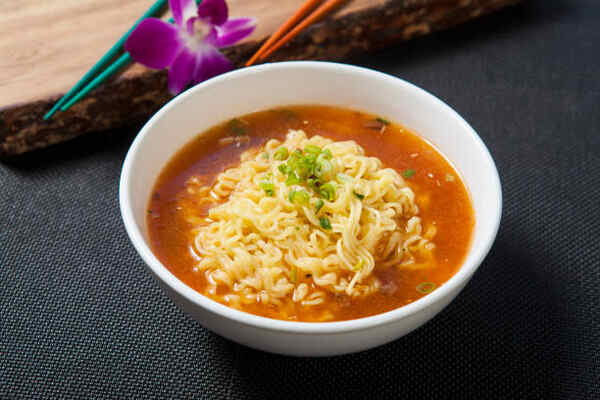
Keto Ramen Noodles
Shirataki noodles are a good choice for making keto ramen. Here are more options you can try:
Konjac Noodles: These are very much like shirataki noodles. They are low in carbs and calories, plus they have a chewy texture.
Miracle Noodles: These noodles are known for their low-carb magic. They are basically the same as shirataki noodles, so you can use them instead.
Kelp Noodles: Kelp noodles are made from seaweed. They have a chewy texture and mild flavor, and work really well in Asian dishes like this keto ramen recipe.
When you use these noodles, make sure to rinse them well and dry them with a towel before you add them to your broth.
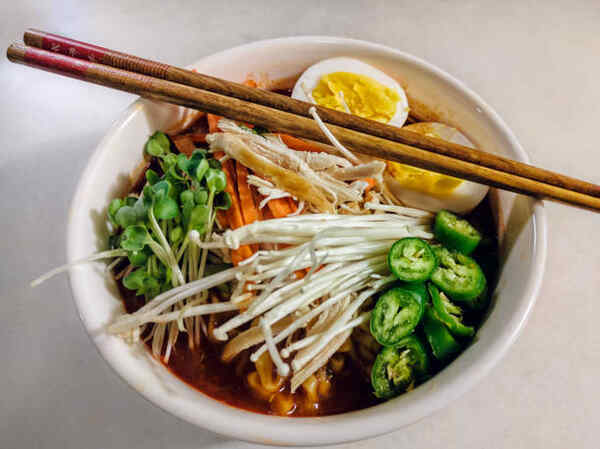
Protein Choices
While sirloin steak is a popular choice for the recipe card, there are several other keto-friendly protein options that you can consider:
Chicken Breast: Diced or shredded chicken breast is a lean and versatile protein option that can be seasoned to your liking.
Keto Beef: Ground beef is another excellent protein source for keto recipes. You can cook and season it according to your taste preferences.
Shrimp: For seafood lovers, sautéed shrimp can be a delicious and elegant addition to your dish, providing extra protein along with a unique flavor profile.
Salmon: Rich in omega-3 fatty acids, salmon is not only a great source of protein but also offers numerous health benefits. Grilled or baked salmon can elevate the nutritional value of your meal.
Tofu: Tofu is a plant-based protein alternative that is low in carbs and high in protein, making it an ideal choice for vegetarian or vegan keto diets.
These protein options offer variety and flexibility for your keto meal planning. They let you try different flavors and textures while sticking to your diet goals.
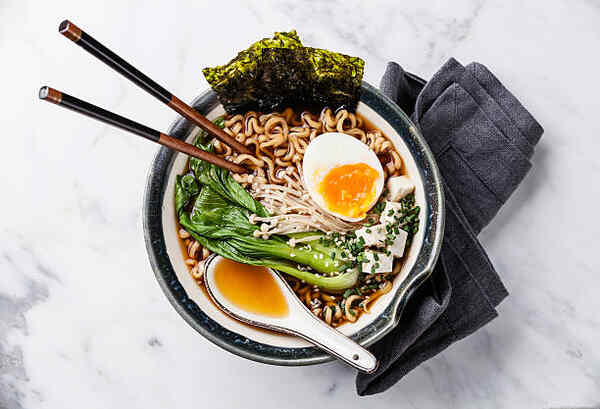
Veggie Toppings
Get creative with your vegetable toppings! Here are some ideas: green onions for a fresh, onion taste, red pepper flakes for some heat, and fresh ginger cut into thin strips for a bright and zesty flavor.
Consider adding bok choy for its mild, cabbage-like taste and satisfying crunch. It’s low in carbs and packed with vitamins A and C.
Shiitake mushrooms are another great choice, offering an earthy, umami flavor that complements the broth. They’re low in calories and provide fiber and protein.
For a hint of sweetness, add thinly sliced bell peppers. They bring vibrant color and are rich in vitamin C. If you enjoy some heat, toss in thinly sliced jalapeños or a dash of chili paste for an extra kick.
And don’t forget bean sprouts! They’re crunchy, low in calories, and full of nutrients, making them a great addition to your keto ramen.
These toppings boost flavor and texture and also add nutritional value, ensuring a satisfying meal.
Tips for Mastering Keto Ramen Soup at Home
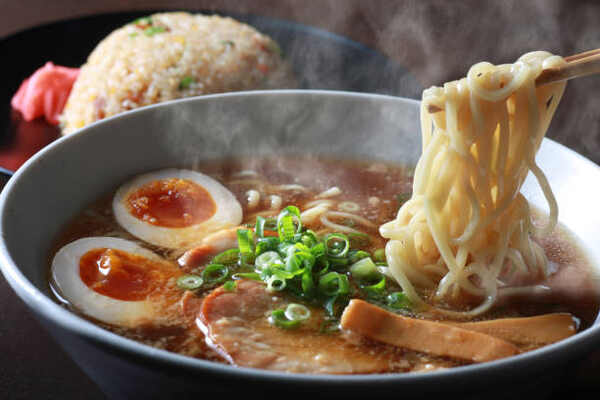
When preparing keto ramen, there are several tips you can follow to ensure a delicious outcome every time:
Experiment with seasonings. Adjust the flavors to your liking by adding more soy sauce or fish sauce for a richer taste.
Watch noodle cooking time. Shirataki noodles can soften quickly, so avoid overcooking them. Don’t boil the noodles for too long to keep their texture intact.
Boost the nutritional value and taste of your keto ramen by adding fresh vegetables like spinach, mushrooms, or bok choy. These additions make the dish look more appealing and provide essential vitamins and minerals.
To make your keto ramen more filling and balanced, incorporate protein sources such as sliced chicken breast, tofu, or boiled eggs. These proteins add substance to the meal and contribute to its overall flavor profile.
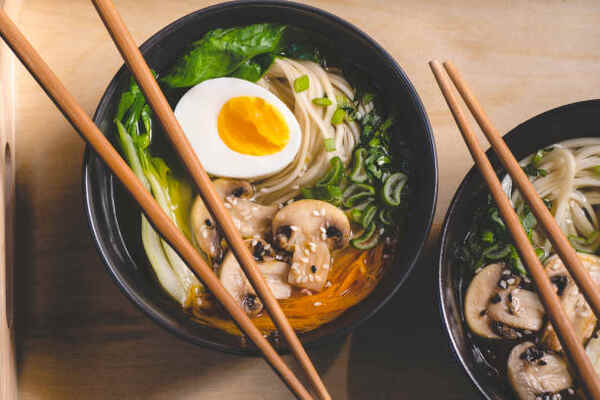
Enhancing Flavors Without Adding Carbs
Enhancing the flavor of your keto ramen can be achieved by incorporating various low-carb toppings:
Sesame Oil: Drizzling a bit of toasted sesame oil over your ramen can introduce a delightful nutty aroma and taste to the dish.
Chili Paste: For spice lovers, consider mixing in one or two teaspoons of your preferred chili paste to add a kick of heat to your ramen.
Rice Wine Vinegar: To infuse a fresh and intriguing flavor profile, try adding a splash of rice wine vinegar to your keto ramen.
These low-carb toppings not only enhance the flavor of your dish but also fit perfectly with a ketogenic diet by keeping carbs low.
Trying out different topping combinations allows you to personalize your keto ramen to match your taste while staying within your dietary needs.
Serve it with our low-carb sushi or keto salmon patties for a complete, flavorful meal.
Storage Instructions
If you have leftover keto ramen, keep it in an airtight container in the fridge for up to 3 days. It’s better to store the broth and noodles apart. This will stop the noodles from getting mushy.
To reheat, put the broth and noodles together in a pot on the stovetop. Heat them over medium heat until everything is warm. You can also reheat single portions in the microwave.
Frequently Asked Questions
Can I Make Keto Ramen Ahead of Time?
This keto ramen recipe is perfect for meal prep. To make it ahead, store the broth and toppings separately. When you’re ready to eat, just cook the low-carb noodles and assemble your bowl of keto-friendly ramen.
This meal prep tip is a time-saver, ensuring you have a warm and satisfying dish ready whenever you crave it. Feel free to mix and match ingredients like shirataki noodles, veggies, soft-boiled eggs, and savory broths to create your own version of this comforting classic.
Are There Any Quick Substitutes for Homemade Broth?
Using store-bought ramen broth is a quick and easy way to save time. Choose low-sodium options to keep the salt in check. To boost the flavor, add garlic, thyme, rosemary, black pepper, or paprika.
You can add vegetables like onions, carrots, and celery to the broth for extra flavor. Try different combinations to make soups, stews, sauces, and braises that match your taste.
Can I Incorporate Seafood into My Keto Ramen?
Shrimp, scallops, and fish cakes are tasty and keto-friendly additions to your ramen. They’re low in carbs and high in protein, making them perfect for a keto diet. Add these to your ramen with low-carb veggies and a flavorful broth for a satisfying meal that keeps you on track with your dietary goals.
Final Thoughts
Keto ramen noodles are a delicious and convenient meal option for those following a low-carb diet. With our simple recipe, you can enjoy a flavorful bowl of keto-friendly ramen on busy weeknights.
Making a flavorful broth is key to a delicious keto ramen. Follow our simple steps to create a tasty broth while keeping carbs low. We also share tips to boost your ramen’s flavor without adding extra carbs, ensuring every bite is delicious.
Along with the recipe, we provide solutions for common keto cooking challenges you might face. Whether you need storage advice or simple variations, our guide is here to make keto cooking easier for you.
Preparing keto ramen in advance means you always have a tasty meal ready to go. Try out different protein and noodle options to keep your keto meals fun. Enjoy the comforting taste of keto ramen while sticking to your low-carb diet.