

Learn the Proper Way to Mix Protein Powder for Shakes, Coffee, and More
What is the Best Way to Mix Protein Powder?
👉 The best way to mix protein powder is by adding liquid first, then the powder, and shaking or blending to prevent clumps. Using a shaker bottle with a whisk ball or a blender ensures a smooth consistency. For a spoon mix, stir vigorously with a little liquid first to form a paste, then gradually add more liquid while stirring.
Learn how to mix protein powder and discover protein powder recipes that go beyond the basic shake. Whether you’re into fitness or just want to boost your nutrition, this guide will help you make smooth, tasty shakes and find new ways to add protein to your daily diet.
A protein shake is a quick and delicious way to increase your protein intake. This is especially useful for achieving fitness goals or filling nutritional gaps. To make the perfect protein shake, it should be smooth, lump-free, and easy to drink. Achieving this often depends on using proper mixing techniques.
If you’ve ever struggled with a clumpy or chalky whey protein shake, this guide is here to help. We’ll cover the best tools and methods for mixing protein shakes smoothly. Plus, we’ll share fun recipes to make you a pro at creating delicious protein shakes in no time.
Learn how to mix protein powder like a pro with our ultimate guide. Take your protein shakes to the next level.
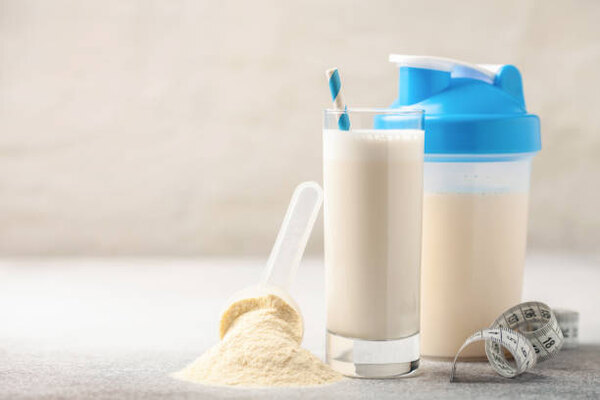
Table of Contents
- Understanding Protein Powder and Its Benefits
- Essential Tools for Mixing Protein Powder
- How to Mix Protein Powder
- Creative Recipes Beyond Protein Shake
- Frequently Asked Questions
- Final Thoughts
Understanding Protein Powder and Its Benefits
Protein powder is a favorite in many kitchens, loved by athletes, fitness fans, and those looking to improve their diet.
Its popularity is due to its convenience and high protein content. It aids in muscle building, weight management, and ensuring daily protein intake.
Organic protein powder is an easy way to increase your protein intake without eating large amounts of protein-rich foods. It’s simple to digest and quickly provides your muscles with the amino acids they need to recover and grow after workouts.

Types of Protein Powder
Navigating the world of protein powders can be a bit tricky because there are so many choices.
Let’s look at some main types: whey, casein, and vegan protein powders.
Whey protein is a common pick made from milk. It absorbs quickly and has a complete set of amino acids. This is great for recovery after workouts since it swiftly provides important nutrients to your tired muscles.
Casein protein is another milk-derived option, but it digests more slowly than whey. This slow release of amino acids makes it ideal for nighttime use, supporting muscle recovery and minimizing muscle breakdown while you sleep.
If you prefer a plant-based diet or want something other than dairy, there are many vegan options available. Common sources include pea, soy, brown rice, and hemp. Each has its own set of amino acids and health benefits.
Health Benefits of Regular Protein Intake
Getting enough protein is crucial for your body. It helps build and repair tissues and supports a healthy immune system. Consuming adequate protein can boost your health and overall well-being.
One major advantage of regularly consuming protein is its ability to aid in weight loss. Protein helps you feel full longer, preventing overeating and supporting healthy weight management.
Additionally, it preserves muscle mass during weight loss, ensuring your body burns calories efficiently.
Protein breaks down into amino acids, which are crucial for muscle growth and repair.
Regular protein intake provides your body with these essential amino acids, supporting muscle development, especially after exercise when muscles experience stress and minor tears.
Essential Tools for Mixing Protein Powder

Protein powder offers numerous benefits, but creating a delicious shake requires some effort. Simply tossing it into a cup with water won’t do the trick. Selecting the right tools can greatly enhance your shake, ensuring it’s smoother and more flavorful.
If you often drink shakes or are new to them, getting a good shaker or blender bottle is beneficial. Shaker bottles make mixing protein powder easy, usually featuring a whisk ball or mesh grid inside.
These tools are designed to break up clumps, ensuring a smoother texture when you mix protein powder with water, milk, or other ingredients for a protein-packed smoothie. Blender bottles provide an even more powerful mixing experience.
Whether you choose a shaker bottle or a blender depends on your desired shake texture and the ingredients you plan to use.
Alternative Tools for Mixing without a Blender
In a pinch, you can still enjoy a good protein shake without a shaker bottle or blender. Being resourceful is important! You can use a whisk and a mixing bowl or container.
First, add your protein powder to the liquid. Whisk it vigorously for a minute or two. This will help break down any clumps and give you a smoother shake.
A water bottle with a tight lid can work as a shaker, too. Just add the liquid and protein powder, seal the bottle tightly, and shake well for a minute or two until everything combines.
If you only have a spoon, don’t worry. You can still make a smooth shake.
Mix your protein powder with a small amount of liquid in a glass or container to create a paste. Then, gradually add the rest of the liquid while stirring continuously to avoid clumps.
How to Mix Protein Powder
Making a protein shake may look simple. However, getting it right with a smooth, tasty feel takes some skill.
If you follow simple steps, it can really help. This is true for both people who often make protein shakes and those who are just beginning to include more protein in their diet.
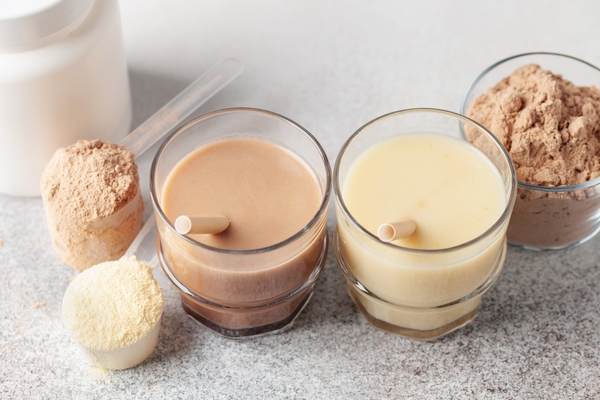
Step 1: Measure Your Protein Powder Correctly
Before you start making a protein shake, it’s important to measure your protein correctly. If you use too little, you might still feel hungry. If you use too much, your shake may end up too thick and hard to drink.
Most protein powders include a scoop inside the container, typically representing one serving. However, the protein content per scoop can differ significantly depending on the brand and type of protein, usually ranging from 20 to 30 grams.
Always check the nutritional details on your protein powder container. This helps you know how many scoops or grams of protein to use. A kitchen scale can help you measure it accurately, ensuring you get the right amount of protein.
Step 2: Select Your Liquid Base
The choice of liquid significantly influences your protein shake’s taste, texture, and nutritional value. Water is a popular option due to its calorie-free nature and ability to highlight the protein powder’s flavor.
If you want something creamier and better for you, milk is a good choice. Cow’s milk adds sweetness, calcium, and vitamin D.
If you prefer non-dairy, options like almond milk, soy milk, and oat milk have their own tasty flavors and nutrients.
The amount of liquid you use is crucial for achieving the desired shake consistency. Using too little liquid can result in a thick and chalky shake, while using too much can make it thin and watery.
A good starting point is to use 6-8 ounces of liquid for each scoop of protein powder.

Step 3: Techniques for a Smooth Shake
Now that you have your measured protein powder and chosen liquid, it’s time to make a tasty and smooth shake.
If you are using a shaker bottle, put your liquid in before you add the protein powder. This order stops clumps from sticking to the bottom while you mix.
Close the lid tightly and shake hard for 30-60 seconds. You will know it’s ready when you hear the mixing piece rattling and when you no longer feel any powder at the bottom.
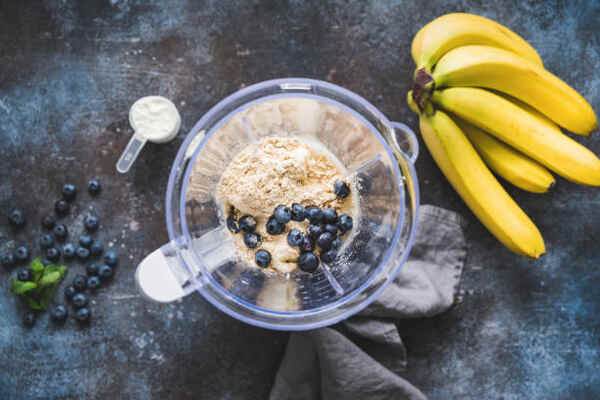
If you’re using a blender, first pour in the liquid, then add the protein powder and any other ingredients you like.
Begin blending at a low speed, then increase to high for about 30-60 seconds, or until the shake is smooth and frothy. To enhance the texture and chill your shake, consider adding some ice cubes.
Creative Recipes Beyond Protein Shake
Protein shakes are very easy and quick to make, but trying new recipes can make this great source of nutrition more enjoyable.
Making a protein shake is a quick and easy way to increase your protein intake on the go. By adding a few extra ingredients, like fruit juice and peanut or almond butter, you can turn it into a protein smoothie that serves as a satisfying and nutrient-rich snack.
Dive into delicious recipes using your blender and protein powder. These recipes will not only delight your taste buds but also provide a healthy boost.
Protein Coffee

For a morning energy boost or a delicious afternoon treat, just stir a scoop of your favorite protein powder into your coffee. Chocolate or vanilla protein pairs perfectly with the rich coffee flavor.
If you like sweets, you can mix in a bit of honey or maple syrup to make it sweeter. You might also want to try flavored protein powders like caramel, mocha, or hazelnut for added flavor.
If you want a warm drink, choose a scoop of unflavored protein powder. It blends easily into hot coffee and won’t change the taste.
Protein Waffles
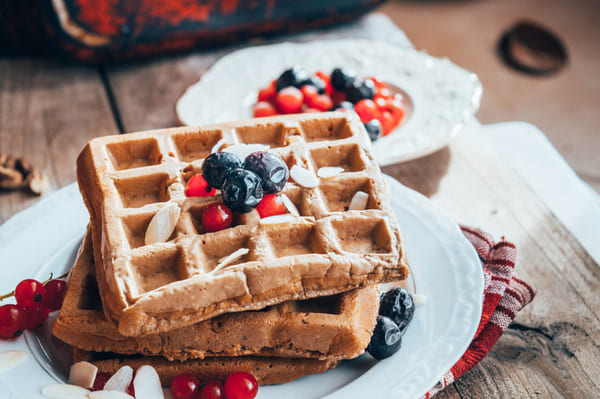
Enjoy a fresh twist on a breakfast classic with protein waffles. By adding protein powder to your waffle mix, you can boost its protein content while adding a hint of sweetness and a delightful texture.
Using vanilla or chocolate protein powder is ideal. It mixes well into the batter. You can make your waffles even richer by mixing ingredients like oats, cottage cheese, or Greek yogurt.
Try out different toppings. Fresh fruit, nut butter, or a scoop of yogurt can make your breakfast both healthy and yummy.
Protein Pancakes

Start your day with a hearty breakfast that energizes you. Protein pancakes are easy to make by simply adding a scoop of protein powder to your usual pancake mix.
You can use vanilla or unflavored protein powder for a neutral flavor. If you like, try fun flavors like chocolate or peanut butter. For more sweetness and crunch, mix in berries, chopped nuts, or chocolate chips.
After cooking your pancakes just right, add your favorite toppings. You can use fresh fruit, Greek yogurt, a drizzle of honey, or a sprinkle of cinnamon.
Protein Balls
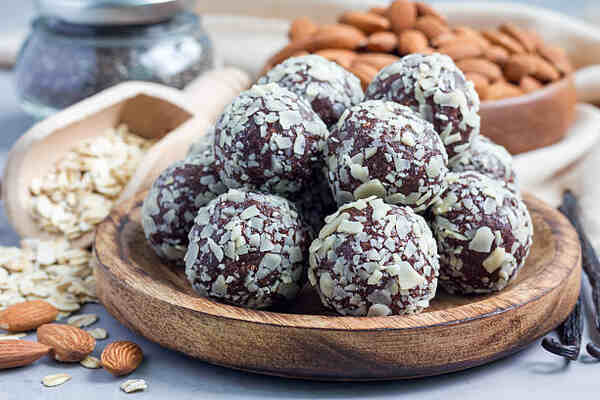
Protein balls are a fantastic snack option. They’re healthy, convenient, and perfect for a quick energy boost or a post-workout treat. These bite-sized snacks are packed with nutrition, offering a balanced mix of protein and healthy fats.
You can make protein-rich energy balls in many ways. For a different touch, you can roll them in unsweetened shredded coconut, nuts, cocoa powder, or chia seeds. This adds texture and flavor to the snack.
Keep your protein balls in an airtight container. They can stay fresh in the refrigerator for up to a week. This way, you always have a healthy snack ready to enjoy.
Protein Ice Cream
Satisfy your sweet tooth and boost your protein intake with a cool and creamy treat. Protein ice cream is a healthier alternative to regular ice cream, allowing you to indulge without guilt.
While you can buy protein ice creams at the store, making your own is even better. It allows you to control the ingredients and choose the flavors you enjoy most.
Experiment with different protein flavors like chocolate, vanilla, or cookies and cream to create a personalized treat.
If you want a vegan option, just use a plant-based protein powder. You can swap out dairy products for coconut cream, almond milk, or cashew milk.
Frequently Asked Questions
Can I Mix Protein Powder with Hot Beverages?
Yes, you can mix protein powder with hot drinks, but you should not use boiling liquids. High temperatures can change the protein. Let the drink cool a bit before mixing.
What Is the Best Way to Mix Protein Powder with Water?
The best way to mix protein powder with water is to first pour the desired ounces of water into a shaker bottle. Then, add the protein powder. Make sure to secure the lid and shake it well for a smooth consistency.
Why Does Protein Powder Clump?
Protein powder clumps because it absorbs moisture quickly. This happens when the powder is added to liquid all at once, creating dry pockets that are hard to break apart. Low-quality or older protein powders with poor solubility can also clump more easily.
Using cold liquid, not stirring enough, or lacking a proper mixing tool like a blender or shaker bottle can worsen the issue. To prevent clumps, always add liquid first, gradually mix in the powder, and use a shaker or blender for a smooth consistency.
Final Thoughts
Understanding how to mix protein powder correctly can greatly boost your fitness journey and unlock a variety of fun recipes. Start by learning about the different types of protein powder and their health benefits.
With this knowledge, you can use the right tools to create tasty protein shakes, protein coffee, fluffy waffles, pancakes, energy balls, or even ice cream.
Try out different recipes and techniques to boost your protein intake beyond the usual shake. There’s endless potential for creativity when using protein powder in your diet. Enjoy new flavors and textures as you discover fun ways to add protein to your meals.
Learning how to mix protein powder effectively not only boosts your diet’s nutritional value but also adds fun and creativity to your cooking. So, go ahead, mix it well, and enjoy the health benefits of a protein-rich lifestyle!