

Discover the Only Clean Eating Food List You’ll Ever Really Need
What Healthy Foods are Essential in Clean Eating?
👉 Clean eating includes whole foods like fruits, vegetables, lean proteins, whole grains, and healthy fats. When grocery shopping, pick fresh produce, unprocessed meats, and simple packaged items to support a healthy diet. These basic foods form the foundation of a balanced and nourishing diet that is easy to follow.
Are you looking to improve your diet and embrace a healthier way of life? Adopting a clean eating approach is a fantastic way to nourish your body and boost your well-being.
Clean eating means choosing whole, minimally processed foods to support a healthy lifestyle. Your grocery list should focus on nutritious items like fresh fruits, vegetables, and lean proteins. Include whole grains such as brown rice and oats instead of refined versions.
This approach limits added sugars, unhealthy fats, and artificial ingredients often present in packaged foods, making it crucial to read ingredient labels to uncover hidden sugars and make informed food choices.
Clean eating is all about choosing real, wholesome foods that nourish your body. Let this simple clean eating grocery list and healthy grocery shopping tips help make your meal shopping and prepping easy and enjoyable.

Table of Contents
- Understanding Clean Eating Diet
- Essential Clean Eating Food List
- Whole Grains and Complex Carbohydrates
- Proteins for Clean Eating Food List
- Healthy Fats and Oils
- Foods to Limit or Avoid on a Clean Eating Diet
- Frequently Asked Questions
- Final Thoughts
Understanding Clean Eating Diet
At its core, clean eating means choosing foods that are as natural and simple as possible. This encourages you to fill your plate with whole foods and less refined grains, unhealthy fats, and added sugars.
Following these guidelines can greatly improve your food choices and overall health. When building your clean eating grocery list, aim to pick foods that are as close to their natural form as possible.
This simple change helps make your diet both healthy and tasty.

What Does “Clean” Mean in Clean Eating?
When we talk about “clean” in the context of a clean eating diet, it refers to choosing whole foods that have undergone little to no processing. Think of an apple straight from a tree or a fresh fillet of salmon.
These foods are free from artificial ingredients, preservatives, and other additives that your body doesn’t need. The focus is on embracing foods in their natural, unadulterated state.
This is very different from highly processed foods like packaged snacks, sugary cereals, or fast food. These often have long lists of hard-to-recognize ingredients, added sugars, and unhealthy fats. Avoiding them can help you feel more energetic and improve your digestion.
Switching to a clean, balanced diet means choosing simple, healthy foods. It’s about giving your body good fuel instead of processed foods with little nutrition.
Eating clean can help lower your risk of cardiovascular disease and other long-term health problems.
Key Guidelines for Building a Clean Eating Food List
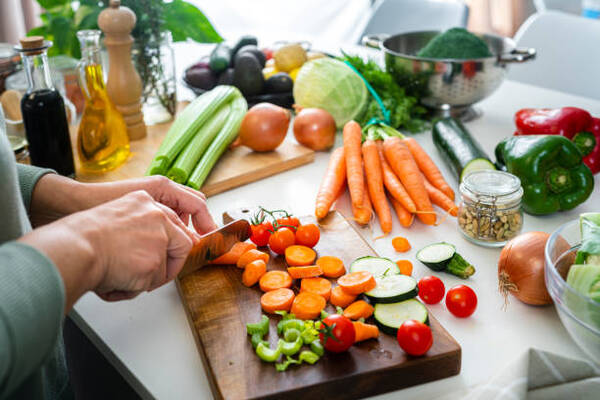
Shopping for a clean eating plan is easy with a few simple tips. Always check the ingredient labels on packaged foods, especially if you have food allergies or sensitivities.
Stick to the store’s outer aisles for fresh produce, lean meats, and dairy, and avoid processed foods in the inner aisles. Plan meals and make a detailed grocery list to stay focused.
For clean eating, prioritize:
- Whole, single-ingredient foods
- Products without added sugars or unhealthy fats
- Fresh fruits and vegetables for at least half your cart
- Lean proteins and whole grains
Essential Clean Eating Food List
Having the right ingredients in your kitchen makes clean eating easy and sustainable. When your pantry and fridge are stocked with healthy foods, cooking nutritious meals becomes simple.
This clean eating grocery list helps you pick the best whole foods when shopping. It covers all the main food groups to support a healthy diet.
Your grocery shopping should focus on fresh produce, quality proteins, whole grains, and healthy fats. Consider this your foundational guide, which you can print or save to your phone for easy reference.
Frozen foods can also be healthy alternatives to fresh ones. Choose unprocessed frozen vegetables and fruits without added sauces or sugars.

Fresh Fruits: Varieties to Pick for Every Season
Whole, fresh fruits are an important part of clean eating. They contain natural sugar, but also have fiber, vitamins, and minerals that your body needs. The fiber helps your body absorb sugar slowly, so fruit is healthier than processed sweets.
When shopping, you can also pick canned or frozen fruits, but check the labels to avoid added sugar.
While 100% fruit juice can add to your daily fruit intake, it lacks the fiber found in whole fruits, so it’s best to drink it in moderation. It’s easier to have too much juice than whole fruits like apples or berries.
To keep your diet exciting and affordable, focus on seasonal and organic fruits. Here are some great choices for your list:
- Berries (blueberries, strawberries, raspberries)
- Apples and pears
- Bananas and avocados
- Citrus fruits (oranges, lemons, grapefruit)
Vegetables: The Foundation of a Clean Plate
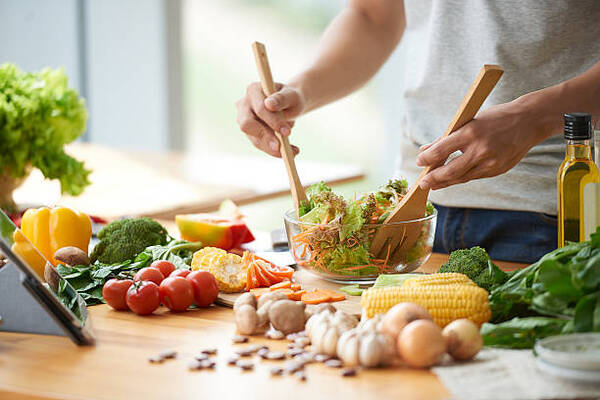
Vegetables should be the cornerstone of your clean eating meal plan. Like fruits, they are packed with vitamins, minerals, and fiber, but generally contain less natural sugar.
Making vegetables the star of your meals is one of the best things you can do for your health. Don’t be afraid to fill your plate with a colorful variety of fresh produce.
Frozen and canned vegetables are also great, convenient options. Just check the ingredients and choose those without added sauces or salt to keep them healthy.
Many stores sell pre-cut frozen veggies to make cooking easier and help you eat more vegetables.
Here are some top unprocessed foods to build your meals around:
- Leafy greens (spinach, kale, romaine lettuce)
- Cruciferous vegetables (broccoli, cauliflower, Brussels sprouts)
- Root vegetables (carrots, sweet potatoes, onions)
- Other favorites like bell peppers, green beans, and tomatoes
Whole Grains and Complex Carbohydrates
Including whole grains and complex carbohydrates in your clean eating meal plan gives you steady energy and important nutrients. These healthy carbs are high in fiber, which helps digestion and keeps blood sugar steady.
Whole grains like brown rice, quinoa, and oats are less processed than refined grains, so they keep more of their nutrition.
When you’re shopping, look for products where a whole grain is the first ingredient, such as in whole-grain bread. Making these a regular part of your meals will keep you feeling full and satisfied.
Top Whole Grains to Include in Your Pantry
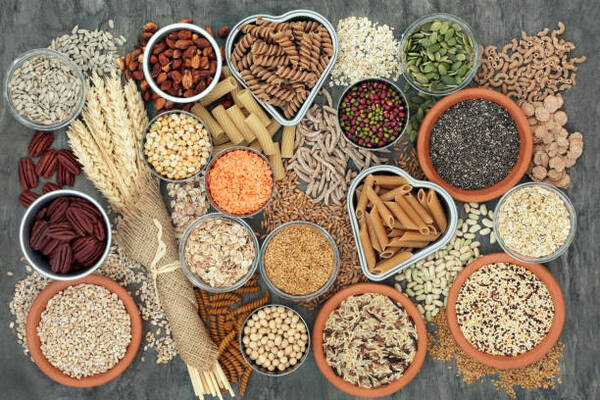
Stocking your pantry with whole grains is an easy way to eat healthier. Whole grains are nutritious, versatile, and high in fiber, which supports digestion. Choose single-ingredient grains for the least processing.
When buying products like bread or pasta, check that “whole wheat” or another whole grain is listed first, and avoid added sugars. Air-popped popcorn kernels are also a great whole-grain snack.
Top whole grains to try include:
- Brown rice (fiber-rich staple)
- Quinoa (complete protein)
- Oats (lower cholesterol, high fiber)
- Barley (great in soups and stews)
- Farro (nutty flavor, good protein source)
Smart Swaps for Refined Carbs
One easy way to improve your diet is to swap refined carbs for whole-food versions. Refined carbs like white bread and white pasta have less fiber and nutrients, which can cause quick blood sugar spikes.
Instead of starting your day with white toast, try a slice of sprouted whole-grain bread. When making pasta a healthy alternative, choose whole-wheat pasta or even spaghetti squash.
These swaps are simple to implement and will help you create a clean diet that is both sustainable and enjoyable.
Here are a few smart swaps for your clean eating grocery list:
- Choose brown or wild rice instead of white rice.
- Use whole-wheat flour or almond flour instead of all-purpose white flour.
- Snack on air-popped popcorn instead of processed crackers.
- Opt for quinoa or barley in salads instead of couscous.
Proteins for Clean Eating Food List
Protein is a vital macronutrient for muscle building, tissue repair, and satiety. In clean eating, focus on lean, minimally processed proteins like chicken breast and fish, while limiting processed meats high in sodium and preservatives.
Both animal-based and plant-based protein options have a place in a healthy eating lifestyle. The key is to select high-quality sources to fuel your body effectively.
Don’t forget to include the following in your healthy grocery list.
Best Animal-Based Protein Choices
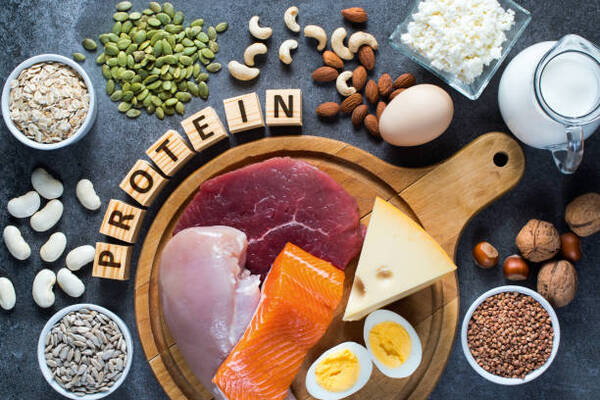
For animal protein, choose high-quality, simple options like chicken breast, ground beef, or salmon fillet. These provide important nutrients like protein, iron, and vitamin B12 without added preservatives or chemicals.
Fish offers heart-healthy omega-3s. Eggs are an affordable nutrient powerhouse—include the yolk for extra protein and choline. Dairy products like plain yogurt, milk, and cheese also fit a clean diet.
Top animal-based proteins:
- Poultry (chicken breast, turkey)
- Fish (wild salmon, cod)
- Lean red meat
- Eggs
Plant-Based Protein Sources Worth Adding
Plant-based proteins like beans, lentils, nuts, and seeds provide ample nutrition for clean eating. Opt for low-sodium canned beans and rinse well.
Nuts and seeds like almonds, walnuts, and chia seeds offer protein, healthy fats, and fiber. Select nut butters without added sugars or oils. Unsweetened non-dairy milks, such as almond milk, are also good choices.
Add these foods to meals and snacks:
- Legumes (lentils, chickpeas, black beans)
- Nuts and seeds (almonds, chia seeds, flaxseeds)
- Plain nut butters
- Organic tofu and tempeh
Healthy Fats and Oils
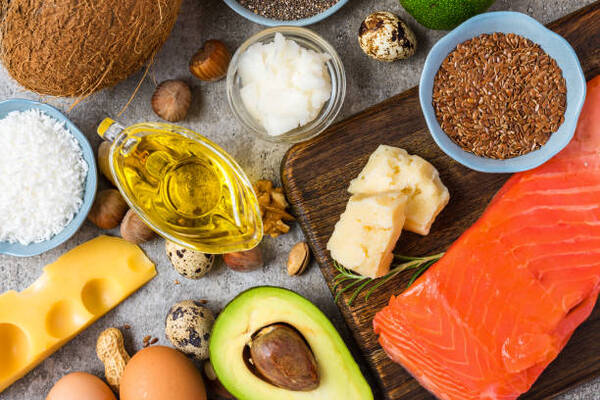
Healthy fats are essential for brain health, hormone production, and vitamin absorption. Clean eating emphasizes nutritious fats like olive oil, avocado oil, avocados, nuts, and seeds, while avoiding unhealthy, processed fats.
Choosing the right fats significantly impacts your health and food flavor. Limit saturated fats found in fatty meats, full-fat dairy, and tropical oils like coconut, palm kernel, and palm oils.
Clean Cooking Oils and How to Use Them
Navigating the cooking oil aisle can be tricky, but a few key choices will cover all your needs. For a clean kitchen, focus on minimally processed, high quality healthy oils.
Extra virgin olive oil is a fantastic choice for salad dressings and low-heat cooking due to its rich flavor and beneficial fatty acids. However, it has a lower smoke point, so it’s not ideal for high-heat cooking.
For searing or roasting, avocado oil is a great choice because it can handle high heat and has a mild flavor.
Coconut oil is also popular, especially for baking and medium-heat cooking. When buying oils, pick those in dark glass bottles to keep them fresh and prevent spoilage.
Here are some of the best clean cooking oils:
- Extra Virgin Olive Oil: Best for dressings and low-heat sautéing.
- Avocado Oil: Ideal for high-heat cooking like roasting and searing.
- Coconut Oil: Great for baking and medium-heat cooking.
- Sesame Oil: Perfect for adding flavor to Asian-inspired dishes.
Nuts, Seeds, and Avocados for Nutritious Fats

Whole foods like nuts, seeds, and avocados are some of the best sources of healthy fats. They are full of good fats, fiber, vitamins, and minerals, making them great for a clean diet.
Adding these foods to your meals helps you feel full and gives you lasting energy.
Avocados are incredibly versatile. Add them to smoothies for creaminess, spread them on toast, or slice them into a salad.
Nuts and seeds make for a perfect snack on their own or can be sprinkled over yogurt or oatmeal. When you’re creating a simple, clean eating grocery list for beginners, these items should be at the top.
Include these nutritious foods for a healthy fat boost:
- Avocados
- Nuts (almonds, walnuts, cashews)
- Seeds (chia, flax, pumpkin, hemp)
- Olives
Foods to Limit or Avoid on a Clean Eating Diet
Just as important as knowing what to eat is knowing what to limit or avoid. Clean eating means cutting back on foods that offer little nutrition and are full of artificial ingredients.
This mostly means avoiding highly processed and packaged foods. These items are often loaded with added sugar, unhealthy fats, and excessive sodium.
Learning to identify and avoid these foods is a critical step in cleaning up your diet and improving your health.

Highly Processed and Refined Foods
Highly processed foods are the opposite of clean eating. These foods have been changed a lot from their natural form and often contain artificial ingredients to improve taste and last longer.
They usually come in boxes, bags, or cans with long lists of hard-to-pronounce ingredients.
Fast food, sugary cereals, packaged cookies, and potato chips are prime examples. While convenient, these foods provide minimal health benefits and can contribute to weight gain and other health issues.
Eliminating them from your diet allows you to make room for nutrient-dense whole foods that truly nourish your body.
Here are some common processed foods to avoid:
- Packaged snack foods like chips and crackers
- Sugary breakfast cereals and pastries
- Frozen dinners and pre-made meals with long ingredient lists
- Processed meats like hot dogs, salami, and bacon
Hidden Sugars and Additives to Watch Out For
One of the hardest parts of avoiding processed foods is finding hidden sugars and additives. These often appear in foods that seem healthy, like flavored yogurts, sauces, salad dressings, and some canned fruit juices.
Added sugar can have many names on labels, such as high-fructose corn syrup, dextrose, and cane juice.
Artificial sweeteners are another additive to watch out for. While they don’t contain calories, they can still have negative effects on your health.
The best way to avoid these hidden ingredients is to read food labels carefully. Always check the ingredient list and nutrition facts before buying. Cutting back on these additives can help lower your risk of health problems.
Frequently Asked Questions
Can Clean Eating Be Affordable at Any Grocery Store?
Yes, clean eating can be affordable. To save money, buy fruits and vegetables that are in season or choose frozen ones. Use budget-friendly proteins like beans, lentils, and eggs. Planning your meals helps avoid waste and extra costs.
Is there a Difference Between Clean Eating and the Mediterranean Diet?
Clean eating focuses on whole, unprocessed foods. The Mediterranean diet is a specific way of eating from the Mediterranean region, emphasizing fish, olive oil, fruits, and vegetables. Both encourage eating whole foods and are good for your health.
Which Foods are Most Important to Always Buy Organic?
If you’re on a budget, you don’t have to buy all organic. Focus on buying organic for fruits and vegetables with the most pesticide residue, especially those you eat with the skin, like strawberries, spinach, and apples.
Final Thoughts
Embracing clean eating can transform your health and well-being. By focusing on whole, unprocessed foods and being mindful of what you consume, you can nourish your body and feel your best.
Including fresh fruits, vegetables, whole grains, lean proteins, and healthy fats in your diet helps you eat balanced and stay healthy. Remember, clean eating is more than a diet—it’s choosing foods that are good for your body and mind.
If you’re ready to start your journey to better health, explore more easy guides like this keto grocery list and tasty healthy recipes on our blog. We’ll help you create a clean eating plan that fits your lifestyle and tastes!