

Your Ultimate Guide to Keto Yogurt for Low-Carb Living
How Do You Make Keto Yogurt at Home?
🧑🍳 To make keto yogurt, heat coconut cream to 105°F, then stir in the probiotic starter. Cover the jar with cheesecloth and let it ferment for 24-48 hours in a warm place. Finally, refrigerate the yogurt to chill and set.
If you’re following a keto diet, you might think creamy yogurt is off the menu. Many traditional yogurts are loaded with sugar, making them unsuitable for a ketogenic diet. But guess what? You don’t have to say goodbye to yogurt!
Many store-bought yogurts are high in sugar, but you can easily make your own low-carb keto yogurt at home using our simple recipe. You can enjoy yogurt without compromising your diet progress. A good keto yogurt should be rich in healthy fats and low in net carbs.
This guide will teach you how to make tasty homemade keto yogurt. We will provide a simple recipe and help you find the best low-carb yogurt options in stores.
You will learn what to look for when choosing from different keto yogurt brands so you can enjoy this creamy treat and stay on your keto diet.

Table of Contents
- Is Yogurt Allowed on a Keto Diet?
- What Makes Yogurt Keto-Friendly?
- Homemade Recipe for Keto Yogurt
- Nutritional Benefits of Keto Yogurt
- Recipes With Keto Yogurt
- Common Mistakes to Avoid When Choosing Keto Yogurt
- Choosing the Best Yogurt for Keto
- Frequently Asked Questions
- Final Thoughts
Is Yogurt Allowed on a Keto Diet?
Yes, you can enjoy yogurt on a keto diet, but there’s a catch! Most store-bought yogurts are loaded with sugar and carbs.
For instance, some popular fruit-flavored regular yogurt options can contain over 25 grams of carbs per serving, which is more than an entire day’s allowance for many on a keto diet.
To make yogurt keto-friendly, you must choose options low in total carbs or make it yourself. By paying close attention to the carb count, you can easily fit this creamy and satisfying food into your low-carb meal plan.

How Yogurt Fits Into a Low-Carb Lifestyle
To include yogurt in a low-carb or keto diet, choose plain, full-fat options like Greek or whole milk yogurt, which are lower in carbs.
Always check nutrition labels for added sugars and carb content to ensure it fits your macros. The right yogurt serves as a creamy, flavorful snack or breakfast without disrupting ketosis.
Portion Control and Net Carbs Explained
Understanding portion control and net carbs is key to keto success. Net carbs are total carbs minus fiber, since fiber doesn’t affect blood sugar or ketosis.
For yogurt, use the serving size on the label as your guide. Small portions may fit your macros, while larger ones can exceed your carb limit. Keto-friendly yogurts typically have 2–9 grams of net carbs per serving.
To track intake, subtract fiber from total carbs and always check serving sizes. Measure portions carefully and log your daily intake to stay within your carb goal.
What Makes Yogurt Keto-Friendly?
A keto-friendly yogurt is defined by two primary characteristics: low carb content and high fat content. Unlike regular yogurts that often sacrifice fat for flavorings and sugar, keto yogurt prioritizes healthy fats to help you feel full and maintain stable blood sugar levels.
When you choose a keto yogurt, you’re selecting a product designed to align with the goals of a low-carb, high-fat diet. Below, we’ll explore the specifics of carb content and how these yogurts differ from their conventional counterparts.

Understanding the Carb Content in Yogurt
The carb content in yogurt primarily comes from two sources: lactose, the natural sugar in milk, and any added sugars. In regular yogurts, especially flavored ones, added sugars significantly increase the total carbs. Plain, unsweetened yogurt contains only the naturally occurring carbs from lactose.
Look for the nutrition label when shopping. It will clearly state the grams of carbs per serving. Pay close attention to the “Added Sugars” line. A truly keto-friendly option will have 0 grams of added sugars, keeping the carb count as low as possible.
Typically, a keto-friendly yogurt can have anywhere from 2 to 9 grams of carbs per serving. This variation depends on the type of milk used and the fermentation process, which consumes some of the lactose. Always double-check the label to ensure the product fits your daily carb allowance.
Differences Between Keto Yogurt and Regular Yogurt
The main difference between keto yogurt and regular yogurt is their ingredients and nutritional content. Regular yogurt, especially low-fat or sweetened types, has less fat and more added sugars, making it high in carbs and likely to spike blood sugar.
Keto yogurt is made with whole milk, heavy cream, or coconut cream for higher fat and lower carbs. It helps keep you full longer and provides steady energy, which is ideal for a keto diet.
Keto yogurt typically contains only 2-9 grams of net carbs, while regular sweetened yogurt can have 15-26 grams or more. Keto yogurts also have much more fat and no added sugars. Both types are good protein sources, but Greek-style keto yogurts usually offer even more protein.
Homemade Recipe for Keto Yogurt
Yes, you can absolutely make keto yogurt at home! While there are some good store-bought options, making homemade keto yogurt gives you complete control over the ingredients.
Our keto yogurt recipe is surprisingly simple. Although it requires some patience while it ferments, the hands-on time is minimal. Read on to discover the essential ingredients and step-by-step instructions to create your own creamy, low-carb treat.
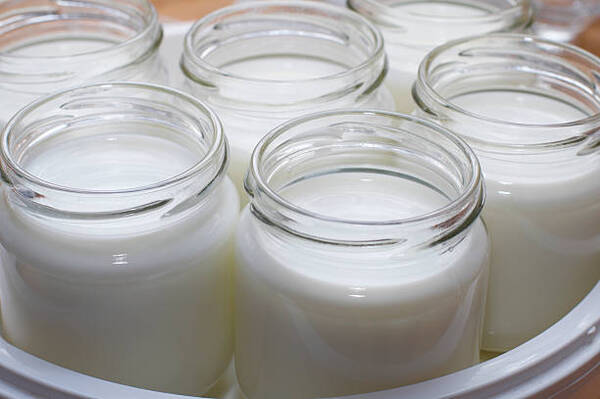
Essential Ingredients for Homemade Keto Yogurt
To create a delicious homemade keto yogurt, you only need a few key ingredients. The base of your yogurt determines its creaminess and fat content. While our recipe focuses on a dairy-free version, you can adapt it using dairy if you prefer.
The magic of yogurt comes from fermentation, which is initiated by live active cultures. You can get these from a yogurt starter packet or by using the contents of a probiotic capsule. This is what transforms your base into tangy, thick yogurt.
Here are the essential ingredients you’ll need:
- A High-Fat Base: Canned full-fat coconut milk or coconut cream is perfect for a rich, dairy-free option. You can also use a combination of heavy cream and whole milk for a dairy-based version.
- Yogurt Starter or Probiotics: A packet of yogurt starter or a high-potency probiotic capsule (around 100 billion cultures) will provide the necessary bacteria.
- Optional Sweetener & Flavor: A few drops of liquid stevia and some vanilla extract can be added after fermentation for flavor.
How to Make Keto Yogurt
Ready to make your own yogurt? This simple yogurt recipe will give you a thick, creamy texture without the carbs. The hardest part is waiting for it to ferment!

First, you’ll need to prepare your base. If using canned coconut cream, scoop the thick cream from the top into a clean glass jar.
Gently heat it in the microwave in 20-second intervals until it reaches about 105°F. It’s important not to overheat it, as high temperatures can kill the live cultures.
Once at the right temperature, stir in your yogurt starter or the powder from a probiotic capsule. Cover the jar with cheesecloth secured by a rubber band.
Let it ferment in a warm, draft-free spot (like an oven with the light on or a countertop) for 24-48 hours. The longer it ferments, the tangier it will be.
Once done, refrigerate it to stop the fermentation.
Customizing Flavors for Variety

One of the best parts about this low-carb yogurt recipe is how easy it is to customize. Once your yogurt has finished fermenting and has been chilled, you can stir in different flavorings to create a variety of delicious treats.
For a classic taste, a little vanilla extract and a few drops of a keto-friendly sweetener like stevia or monk fruit work perfectly.
You can also mix in spices like cinnamon or nutmeg for a warm, comforting flavor. These simple additions can transform your plain yogurt into a delightful dessert.
Explore these flavor options for your keto yogurt: Try stirring in vanilla extract and a keto sweetener for a vanilla bean twist. For a chocolate variation, mix in unsweetened cocoa powder to create a rich, dessert-like treat.
If you enjoy fruity flavors, gently fold in a puree of keto-friendly berries such as raspberries or strawberries for a berry swirl. For a spiced option, add a dash of cinnamon, nutmeg, or pumpkin pie spice.
Nutritional Benefits of Keto Yogurt
The benefits of yogurt on a keto diet extend beyond just being a low-carb treat. Keto yogurt is packed with nutritional advantages that support your overall well-being. It’s an excellent source of healthy fats, which are crucial for providing sustained energy and helping you feel full and satisfied between meals.
In addition to its high fat content, this type of yogurt also offers a good amount of protein and beneficial probiotics. These components work together to support everything from muscle maintenance to gut health.

Protein, Healthy Fats, and Gut Health
Keto yogurt is packed with healthy fats and protein, making it ideal for fueling ketosis, stabilizing blood sugar, and keeping you full. Its live probiotics support gut health, digestion, immunity, and even mood and heart wellness.
Adding keto yogurt to your diet is a simple way to nourish your body and support overall health.
Carb Count Per Serving and Managing Daily Intake
Managing your daily carb intake is key to reaching and maintaining ketosis on a keto diet. Keto yogurt contains far fewer carbs than regular yogurt—typically 2 to 9 grams of net carbs per serving. Our homemade version has just 2 grams per half-cup.
To stay within your carbohydrate limit, stick to the recommended serving size. Pair it with low-carb, high-fat options like nuts or seeds. Avoid high-carb toppings such as sugary granola or certain fruits.
Dairy-Free Keto Yogurt Alternatives
If you’re avoiding dairy, you’ll be happy to know there are plenty of dairy-free keto yogurt options available. These alternatives use plant-based milks to create a creamy, low-carb yogurt that fits perfectly into a ketogenic lifestyle. The most common bases are coconut milk and almond milk.
Coconut milk yogurt is particularly popular because its high fat content results in a rich, thick texture similar to traditional yogurt.
Almond milk yogurt is another excellent choice, offering a slightly different flavor profile and nutritional benefits. When buying these, it’s still crucial to check the label for added sugars or starches.
Recipes With Keto Yogurt

Once you’ve made your first batch of keto yogurt, you’ll find it’s incredibly versatile. It’s not just for breakfast bowls or overnight oats!
This creamy, tangy yogurt can be used in a wide range of sweet and savory keto recipes, adding moisture, flavor, and a boost of healthy fats. Think of it as a healthier, low-carb substitute for sour cream or mayonnaise in many dishes.
You can use your homemade yogurt as a base for creamy salad dressings, a marinade for tenderizing meat, or a cooling element in spicy dishes like keto butter chicken.
For a quick and easy dessert, blend it with keto-friendly berries and a sweetener for a delicious keto frozen yogurt. The best keto yogurt is one you can use in multiple ways, and this yogurt recipe certainly fits the bill.
Common Mistakes to Avoid When Choosing Keto Yogurt
When choosing or making yogurt for a keto diet, a few common mistakes can undermine your efforts. The most frequent error is accidentally picking a product with hidden sugars. Many yogurts marketed as “healthy” are still loaded with sweeteners that will kick you out of ketosis.
Another oversight is ignoring the importance of live cultures. The health benefits of yogurt keto options are closely tied to these beneficial probiotics, but some brands may not contain a sufficient amount. We’ll now cover how to spot these pitfalls.
Hidden Sugars and Sweeteners to Watch Out For
Choosing keto-friendly yogurt can be tricky due to hidden sugars. Manufacturers use various names for sugar, making it hard to spot—even “plain” yogurts may contain added sweeteners that spike blood sugar.
Check the nutrition label: “Added Sugars” should be 0 grams. Watch for ingredients like cane sugar, corn syrup, fruit juice concentrate, or anything ending in “-ose” (e.g., dextrose, fructose).
Overlooking Live Cultures and Additives
While avoiding sugar is crucial, another common mistake is overlooking the quality of the yogurt itself. The health benefits of yogurt are largely due to the presence of live cultures, also known as probiotics. These beneficial bacteria support gut health, but not all yogurt brands contain them in sufficient quantities, especially after processing.
Look for phrases like “live and active cultures” on the packaging to ensure you’re getting the probiotic benefits. Some brands even list the specific strains of bacteria they use. A study highlighted that the benefits of probiotics are strain-specific, making this information valuable.
Additionally, be mindful of unnecessary additives. Some yogurts contain thickeners, stabilizers, or artificial flavors that offer no nutritional value. A high-quality yogurt should have a simple, clean ingredient list.
Choosing the Best Yogurt for Keto
With numerous yogurt options available, selecting the best keto yogurt can be overwhelming. The key is to focus on the type of yogurt that naturally aligns with a low-carb, high-fat diet. This means prioritizing full-fat, plain varieties over anything labeled low-fat, light, or flavored.
The right choice will serve as a delicious and versatile staple in your keto kitchen. To help you navigate the dairy aisle with confidence, we’ll break down the most recommended types of yogurt and even suggest a few reliable keto yogurt brands to try.

Recommended Keto Yogurt Types
When it comes to selecting a yogurt for your keto diet, certain types are better than others. Plain Greek yogurt is often a top recommendation because it’s strained, which removes some of the whey and lactose, resulting in a lower carb count and higher protein content. Always opt for the full-fat (5% milkfat) version.
Whole milk yogurt is another excellent choice. It’s less strained than Greek yogurt but still offers a good balance of fat and protein with a manageable number of carbs, as long as it’s unsweetened. Its creamy consistency makes it a great base for adding your own low-carb toppings.
For the best keto-friendly yogurt experience, look for these types:
- Full-Fat Plain Greek Yogurt: High in protein and lower in carbs.
- Whole Milk Plain Yogurt: A creamy and satisfying option.
- Bulgarian Yogurt: Known for being rich in probiotics and having a tangy flavor.
- Skyr: An Icelandic-style yogurt that is high in protein, but check labels as carbs can vary.
Keto Yogurt Brands to Try
If you don’t have time to make your own, several keto yogurt brands offer convenient and delicious options. These brands have specifically formulated their products to be low in carbs and high in fat, making them a perfect yogurt for your lifestyle. Always double-check the nutrition information, as formulations can change.
Brands like Two Good have gained popularity in the keto community for their low net carb count and variety of flavors sweetened with stevia. Other brands focus on high-fat content or offer dairy-free alternatives made from almond or coconut milk.
Some of the best store-bought keto yogurt brands to look for include Two Good, which is a Greek yogurt with only 2-3 grams of net carbs per serving, and Peak Yogurt, made from whole milk, with 4 grams of net carbs.
Kite Hill offers an almond milk-based yogurt with 6 grams of net carbs, while Skyr YoPro Yogurt, based on Icelandic Skyr, contains 7 grams of net carbs. For those interested in Bulgarian yogurt, White Mountain provides an option with 9 grams of net carbs per serving.
Frequently Asked Questions
How Do I Know if a Yogurt is Truly Keto-Friendly?
To know if a yogurt is keto-friendly, always check the nutrition label. Look for a low-carb content, ideally under 10 grams of net carbs per serving, and zero added sugars. Choose plain, full-fat varieties from trusted yogurt brands that fit within your daily macros for the keto diet.
Can I Eat Greek Yogurt on a Keto Diet?
Yes, you can eat Greek yogurt on a keto diet, but you must choose the right kind. Opt for plain, full-fat Greek yogurt, which is higher in protein and fat content and has a lower net carb count than regular yogurt. Avoid flavored or low-fat versions that contain added sugars.
Are There Quick Ways to Make Dairy-Free Keto Yogurt at Home?
Absolutely! A quick way to make dairy-free keto yogurt is to use canned full-fat coconut milk or coconut cream as your base. Simply heat it, add a probiotic starter, and let it ferment. This simple yogurt recipe creates a rich and creamy low-carb coconut milk yogurt in about 24 hours.
Final Thoughts
Enjoying keto yogurt can be a delicious and nutritious addition to your low-carb lifestyle. By understanding how to choose the right ingredients and making it at home, you can ensure that you’re indulging in a treat that aligns with your dietary goals.
Remember to keep an eye on hidden sugars and additives, and don’t hesitate to explore various flavors to keep your meals exciting. Whether you enjoy it plain or as part of a recipe, keto yogurt offers a wealth of benefits without compromising your carb intake.
If you’re ready to start your keto journey or want to learn more about keto-friendly options, don’t hesitate to try our recipes today!