

Discover the Power of Fat-Burning Foods to Transform Your Sleep and Ignite a Revitalized Tomorrow!
What are the Foods that Burn Fat While You Sleep?
🍒 Cherries, almonds, turkey, cottage cheese, fatty fish, herbal tea, kiwi, whole grains, ginger tea, and Greek yogurt are some of the foods that burn fat while you sleep.
Have you ever wondered if satisfying your midnight desires could also help you get some Z’s while burning body fat and burning calories? You’ll love this because today we will explore the fantastic world of “Foods that Burn Fat While You Sleep” Yes, you read that correctly: the snacks you consume at night may be the key to reviving your sleep and advancing your weight loss and fat loss efforts.
This blog post will keep things simple and discuss how specific foods can support your metabolism while you rest. Simple explanations of foods that can help you burn fat as you sleep, without any complex scientific language.
So grab a seat and prepare for a trip through nocturnal nutrition. Prepare to learn delicious and efficient ways to support your body while you sleep well. Together, we can make your nights relaxing and a time when your body does its magic to help you reach your wellness and health objectives!

Table of Contents
- Understanding Nighttime Metabolism
- Top Foods that Burn Fat While You Sleep
- List of Foods that Burn Fat While You Sleep
- Timing and Portion Control
- Lifestyle Factors for Optimal Nighttime Fat Burning
- Final Thoughts
- Featured Articles
Understanding Nighttime Metabolism

When you hit the hay each night, your body doesn’t simply switch off – it’s a bustling hub of activity, especially in the metabolism department. Let’s dive into the nighttime metabolic processes and why catching those Zzzs is more than just a break for your brain.
Body’s Metabolic Processes During Sleep
Have you ever wondered what goes on within your body when you’re all cuddled up in bed? It appears that your metabolism isn’t sleeping. Instead, it focuses on hormones, tissue healing, and even some color, i.e., burning.
Your body uses the energy stored throughout the day to process the nutrients it has taken in at night. The magic happens gradually from the first nervous system to the deeper sleep phases, where growth hormone is generated, supporting fat metabolism and muscle repair.
Put another way, your body turns into a night owl, working tirelessly to maintain equilibrium and proper operation.
The Role of Sleep in Overall Health and Weight Management
Sleep is essential for your body to maintain its nighttime upkeep; it’s not just a luxury. Apart from the apparent health benefits of feeling rejuvenated, getting enough sleep is essential for preserving a healthy weight.
Your body’s metabolic processes might be upset by sleep deprivation, which can boost your desire for fatty and sugary foods. Furthermore, it alters hormones that control appetite, making it more difficult to resist a late-night snack attack. Therefore, consider sleeping your hidden weapon for managing your weight gain and overall health.
How the Right Foods Can Support and Enhance Nighttime Metabolism
The exciting part is about to begin: you can use the correct nutrients to your advantage in this nighttime metabolic dance. Selecting the right food for sleep does more than satisfy your appetite—it also equips your body with the resources it needs to function at its best at night.
Your metabolic processes are powered by foods high in essential nutrients, such as complex carbs, lean proteins, and healthy fats. They maximize your body’s nocturnal performance and keep the engine operating smoothly.
Thus, the next time you think about having a midnight snack, remember that it’s an addition to your body’s nightly wellness regimen and a reward for your taste sensations.
Top Foods that Burn Fat While You Sleep
Now that we’ve laid the groundwork for understanding nighttime metabolism, let’s explore the superheroes of the late-night snack world. These foods satisfy your cravings and support your body’s fat-burning mission.
Green Leafy Vegetables
Green leafy veggies, like spinach, kale, and Swiss chard, are nutrient powerhouses. Packed with vitamins, minerals, and antioxidants, they fuel your body’s nighttime activities. These leafy wonders are low in calories but high in fiber, promoting a feeling of fullness without overloading energy.
The high fiber content aids digestion, helping your body efficiently process nutrients and prevent nighttime snacking urges. The vitamins and minerals also contribute to overall metabolic function, supporting your body’s ability to burn fat while you catch those Zzzs.
Nutritional Facts:
- Example: Spinach (per cup)
- Calories: 7
- Fiber: 0.7g
- Vitamin A: 145% of the Recommended Daily Allowance (RDA)
- Vitamin K: 181% of the RDA
Lean Proteins
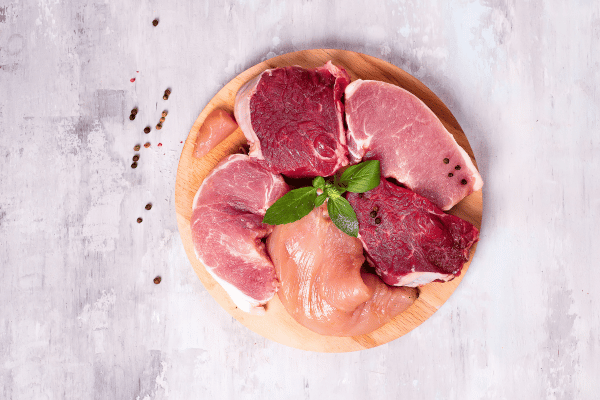
Lean proteins, such as chicken, turkey, and tofu, are rich in high-quality proteins that contain essential amino acids. These nutrients play a vital role in muscle repair and growth, especially at night when your body is recovering.
Proteins have a higher thermic effect, requiring more energy to digest. This can slightly boost your metabolism, contributing to the overall calorie-burning process. The amino acids from lean proteins also support muscle maintenance, which is crucial for a healthy metabolism.
Nutritional Facts:
- Example: Grilled Chicken Breast (per 3 ounces)
- Calories: 165
- Protein: 31g
- Fat: 3.6g
Complex Carbohydrates
Complex carbohydrates in foods like sweet potatoes, quinoa, and whole grains are rich in fiber, vitamins, and minerals. They provide a steady release of energy, helping maintain stability or regulate blood sugar levels throughout the night.
The slow-digesting nature of complex carbs prevents sudden spikes and crashes in blood sugar, reducing the likelihood of late-night cravings. This stable energy supply supports your body’s ability to focus on belly fat burning rather than dealing with insulin fluctuations.
Nutritional facts:
- Example: Quinoa (per cup, cooked)
- Calories: 222
- Carbohydrates: 39g
- Fiber: 5.2g
- Protein: 8g
Healthy Fats
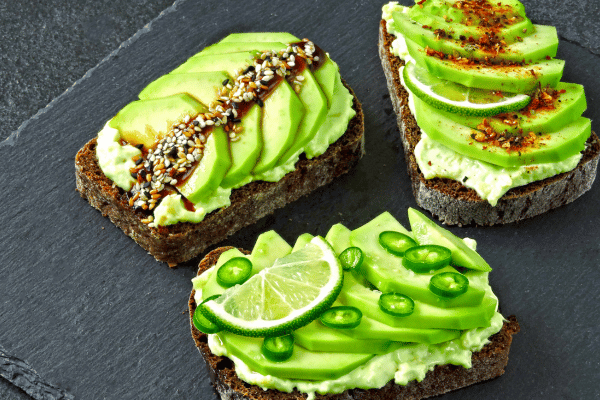
Healthy fats, such as those found in avocados, nuts, and olive oil, are loaded with monounsaturated and polyunsaturated fats and essential fatty acids. These fats play a crucial role in hormone regulation and overall cellular function.
Contrary to the misconception that all fats are the enemy, healthy fats can boost metabolism. They contribute to hormone production, including those involved in fat metabolism. Additionally, they provide a sense of satiety, preventing overeating during the night.
Nutritional facts:
- Example: Avocado (per half)
- Calories: 120
- Fat: 10.5g
- Fiber: 6.7g
- Protein: 1.5g
As you consider incorporating these foods into your bedtime routine, remember that moderation and overall dietary balance are key. While these snacks can support your body’s nighttime activities, a holistic approach to nutrition, sleep, and exercise is essential for optimal health and wellbeing.
List of Foods that Burn Fat While You Sleep
Here’s a list of foods in each category that are known to support fat-burning while you sleep:
Green Leafy Vegetables:

- Spinach
- Kale
- Swiss chard
- Collard greens
- Romaine lettuce
- Arugula
- Watercress
- Bok choy
- Broccoli
- Brussels sprouts
Lean Proteins:
- Chicken breast
- Turkey
- Tofu
- Fish (salmon, cod, tilapia)
- Lean cuts of beef (such as sirloin)
- Eggs (especially egg whites)
- Greek yogurt (unsweetened, low-fat)
- Cottage cheese (low-fat)
- Lentils
- Beans (black beans, kidney beans, pinto beans)
Complex Carbohydrates:

- Sweet potatoes
- Quinoa
- Brown rice
- Oats (steel-cut or rolled oats)
- Barley
- Whole wheat bread
- Bulgur
- Farro
- Lentils
- Beans (black beans, chickpeas)
Healthy Fats:

- Avocado
- Nuts (almonds, walnuts, pistachios)
- Seeds (chia seeds, flaxseeds, sunflower seeds)
- Olive oil
- Fatty fish (salmon, mackerel, sardines)
- Coconut oil
- Nut butter (peanut butter, almond butter)
- Dark chocolate (in moderation, with high cocoa content)
- Flaxseed oil
- Hemp seeds
Including various foods in your evening meals or snacks can contribute to a well-balanced diet that supports your body’s natural fat-burning processes during sleep. Remember, it’s essential to consider overall dietary patterns and lifestyle factors for long-term health and weight management.
Timing and Portion Control

The clock and your plate are valuable for increasing your metabolism at night. Let’s discuss the importance of timing and some astute portion management techniques to turn your nighttime routine into an ally rather than an enemy of your fitness objectives.
Significance of Timing Your Nighttime Meals
- Early to Bed, Light on the Spread: Eating dinner earlier will give your body more time to process the food before you turn it in. A balanced meal a few hours before bed helps improve digestion and frees your body from the distraction of a hefty meal to concentrate on its evening activities.
- Snack Wisely, Snack Early: It can be a wise choice to have a modest, nutrient-dense snack earlier in the evening if you find yourself experiencing a growling stomach before bedtime. This gives your body energy without taxing it with a heavy meal just before bed.
- Restrict Liquid Calories: Although being hydrated is essential, drinking high-calorie drinks right before bed will hinder your body’s capacity to burn fat effectively. When it is time to go to bed, think about drinking less liquids and staying hydrated earlier in the evening.
Portion Control Advice to Prevent Overindulging Before Bedtime
- Considerate plating: Pay attention to the amount of food you serve for dinner or an evening snack. To give the impression that the plate is fuller, use smaller plates and savor each bite. Using mindfulness in eating can help reduce overindulgence.
- Pre-portion Snacks: Divide snacks into smaller portions in advance rather than indiscriminately chomping from a giant bag or container. This helps reduce the urge to eat the entire packet and helps with portion control.
- Balanced Nutrient Intake: Ensure your evening meals and snacks have a good mix of macronutrients. Combining lean proteins, healthy fats, and complex carbohydrates results in a filling, nutrient-dense plate that will satisfy your appetite.
- Savor and Chew Slowly: Consuming too much food might result from eating too rapidly, which can override your body’s natural fullness cues. Allow your body to tell you when it is comfortably full by taking your time and enjoying every meal.
- Create a Schedule: Reliability is essential. Creating a regular meal routine might assist in controlling your hunger and warding off the inclination to overindulge at night. Try to follow a schedule that coincides with your body’s circadian cycles.
Recall that the objective is to make conscious decisions that promote your body’s wellbeing rather than to deny yourself. You may set up a situation where your body burns fat effectively as you get a good night’s sleep by being mindful of time and amount control.
Lifestyle Factors for Optimal Nighttime Fat Burning
Many of us concentrate on daily habits in our quest for a better lifestyle, frequently ignoring the possibility of optimizing our evening routines. But the amount of sleep we get to rest is essential for maintaining our general health, which includes controlling our weight. Here, we explore lifestyle elements that may support ideal fat-burning during the night.
Regular Sleep Schedule: The Cornerstone of Restful Sleep
Keeping a regular sleep schedule is one lifestyle component that is sometimes overlooked yet very important. Similar to how our bodies benefit from regularity, our sleep-wake cycle is no exception. A circadian rhythm can be upset by irregular sleep patterns, impacting the release of hormones essential for controlling appetite and metabolism.
Restorative sleep is associated with quality sleep, and it can only be attained by consistently going to bed and waking up at the same time each day. This stability supports efficient fat burning during the night by balancing hormones and regulating the body’s internal schedule.
Exercise: Sparking the Metabolic Furnace at Night
Frequent exercise is a powerful energy source for both daytime and nighttime metabolism. Exercise increases calorie expenditure and fosters an environment conducive to fat-burning.
It’s interesting to note that exercising has advantages outside of the gym. After an evening workout, the body continues to burn calories during recuperation. This overnight metabolic surge and the post-workout calorie burn emphasize the importance of regular exercise in your routine.
Stress Reduction: A Clear Head for a Sleepy Night
Stress is a silent killer of healthy weight management and sleep. Stress increases cause the hormone cortisol to be released, which is linked to increased appetite and fat storage. Unsurprisingly, long-term stress can interfere with sleep, which can set off a vicious cycle of inadequate sleep and difficulties related to weight.
For optimal evening fat burning, stress management measures must be prioritized. Stress-reduction techniques like deep breathing exercises, meditation, or even a relaxing bedtime ritual can help reduce tension, which improves the quality of sleep and helps with weight management.
Creating a Nighttime Wellness Routine in Conclusion
Achieving the best possible fat burning at night requires a multifaceted approach that considers many aspects of lifestyle. You can establish a setting that supports restful sleep and a healthy metabolism by adhering to a regular sleep pattern, exercising regularly, and actively reducing stress. Recall that the path to a better you continues into the evenings. Accept these aspects of your lifestyle and allow your evenings to serve as a trigger for your general wellbeing.
Featured Articles
- What Does a PCOS Belly Look Like? The Eye-Opening Reality
- 36-Hour Fast: A Journey to Physical and Mental Well-being
- Keto Weight Loss: Your Journey to a Fitter Tomorrow!
- 5 Tricks To Reach Ketosis Faster
- Why KETO Is Beneficial For Your Brain
Final Thoughts
Setting out on a quest to fuel your evenings with meals that burn fat is a commitment to your health, not just a simple diet change. We found that some tasty foods support burning fat at night, but we also learned that these foods can improve our sleep and general health.
As you incorporate these items into your nighttime routine, remember the need to maintain balance. Even though some foods benefit metabolism, the best results come from a comprehensive diet for evening wellbeing. Fat-burning meals harmonize with regular exercise, stress reduction, and sleep schedules to create an ideal health atmosphere.

Think about how flexible your nighttime routines are. Try including items that burn fat into your light meals or nighttime snacks. Allow the comforting crunch of nuts or the calming scent of herbal teas to become your evening companions. Accept the satiating qualities of cottage cheese or the delicate sweetness of berries as partners in your pursuit of sleepy evenings and energizing mornings.
Recall that each person’s road to a renewed night is distinct and personal. As you navigate the tranquil worlds of your night, embrace it with curiosity and let the combination of mindful nutrition, lifestyle choices, and self-care create a tapestry of wellness. I hope you have pleasant nights, delightful dreams, and mornings full of the energy of a refreshed you. Good health and sweet dreams on your journey of transformation!