

Discover if Rice Noodles Align with Your Ketogenic Lifestyle. Unveil Their Carb Content and Explore Keto-Friendly Alternatives.
Are Rice Noodles Keto Friendly?
🍜 Rice noodles are generally not considered keto-friendly due to their high carbohydrate content. A standard serving of rice noodles can contain a significant amount of carbs, which may disrupt ketosis.
Finding low-carb noodles on the keto journey is such an adventure—a discovery of great alternatives to traditional pasta. Although, rice noodles may not be your number one option, there are various keto-friendly alternatives you can still try.
With that in mind, it should now be possible to come up with a successful meal plan toward understanding net carbs, blood sugar levels, and the state of ketosis. Never has the search for low-carb alternatives to regular pasta been so fun and rewarding, with such options as shirataki noodles, zucchini noodles, and spaghetti squash.
Once you find out exactly which kind of noodles you can use, you will be able to enjoy all your favorite dishes without any compromise towards your ketogenic goals.
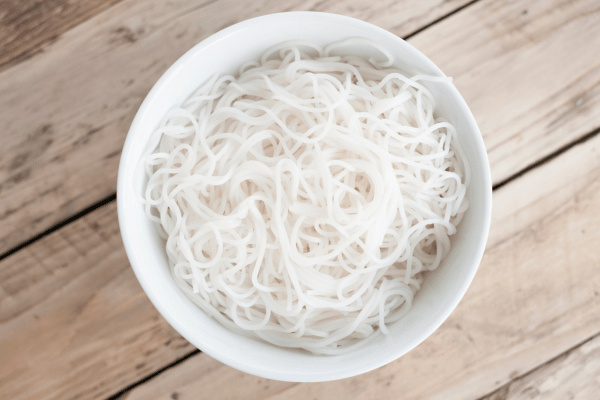
Table of Contents:
- Understanding the Keto Diet
- The Role of Noodles in a Keto Diet
- Rice Noodles: A Nutritional Profile
- Are Rice Noodles Keto?
- Keto-Friendly Noodle Alternatives
- Preparing Keto Noodles at Home
- Eating Out: Keto Noodle Options
- The Impact of Rice Noodles on Ketosis
- Frequently Asked Questions
- Featured Articles
- Final Thoughts
Understanding the Keto Diet
Firstly, let’s understand the base principle of the keto diet, which is ketosis. Simply put, this is a metabolic state in which the body burns fat for energy and not carbohydrates, which is why there is a need for a supply of low-carb egg noodles.
Successful ketosis requires regular tracking of net carbs. One has to strike a balance to remain within the recommended intake of carbohydrates for sustained ketosis. A well-structured meal plan, therefore, will focus on low-carb, high-protein foods. These basics are important to a ketogenic diet.
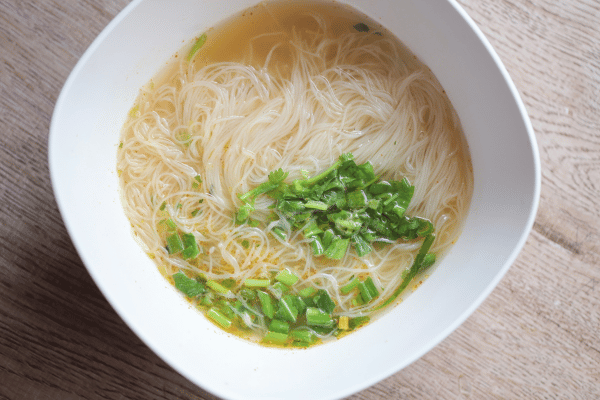
Ketosis is a metabolic state in which the body uses stored fat for energy purposes due to the very low intake of carbohydrates in a keto diet. The process produces ketones as an alternative fuel source, reducing the dependence on glucose.
To maintain ketosis, carbohydrate limits are important. Normally, a very strict keto diet will dictate that the average daily intake of carbohydrates should be around 20 to 50 g to have the body burn fat for energy instead of carbohydrates. By restricting this, the body gets into and stays in ketosis, where it uses ketones for energy.
This is where the importance of knowing whether are rice noodles keto or not and how important is keeping track of net carbs for a person on a ketogenic diet for the proper regulation of blood sugar and staying in ketosis.
The Role of Noodles in a Keto Diet
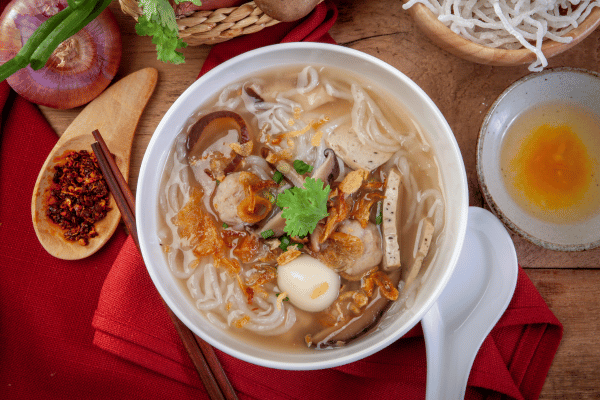
Noodles are a major part of the keto diet because they are involved in many traditional dishes. Most noodles, however, have a high carbohydrate content, something that makes ketosis very hard to achieve. So, in a strict keto diet that focuses on low-carbohydrate foods, traditional noodles cannot be an option since their carb content is quite high. Consider alternative options, such as shirataki noodles, zucchini noodles, and spaghetti squash, to enjoy noodle-like dishes while still staying within a keto diet’s carbohydrate limits.
Common Noodle Types and Their Carb Content
When following a keto diet, being aware of common noodle types and their carb content is essential. Traditional pasta contains high carbs, making it unsuitable for ketosis. Shirataki noodles, spaghetti squash, and zucchini noodles are low-carb alternatives. Shirataki noodles have zero net carbs, while spaghetti squash and zucchini noodles have fewer carbohydrates than regular pasta. These options provide a great alternative for those looking to reduce their carbohydrate intake while still enjoying noodle-like dishes.
Alternatives to Traditional Noodles
Shirataki noodles, spaghetti squash noodles, and zucchini noodles are low-carb alternatives to traditional noodles, fitting well into a keto diet. These options offer fewer carbohydrates and can help maintain the state of ketosis. While shirataki noodles are a great zero-carb choice, spaghetti squash, and zucchini noodles provide a vegetable-filled substitute. Experimenting with these alternatives can add variety and nutrition to your meals while supporting your low-carb, ketogenic lifestyle.
Rice Noodles: A Nutritional Profile
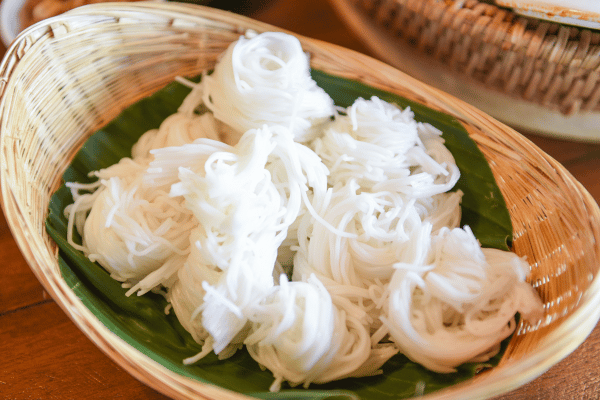
Rice noodles boast a moderate nutritional profile, typically offering around 192 calories per cup serving. When considering their carb content, rice noodles contain approximately 44 grams of carbohydrates per cup, which may be high for those on a strict keto diet.
Carbohydrate Content in Rice Noodles
Rice noodles typically contain a high carbohydrate content, making them unsuitable for a strict keto diet. In a 100-gram serving, rice noodles can have around 25–30 grams of net carbs, which could significantly impact your state of ketosis. It’s essential to be mindful of this when considering incorporating rice noodles into your meal plan. Substituting low-carb alternatives such as shirataki noodles or zucchini noodles can help you stay within your carbohydrate intake limits while enjoying noodle-like dishes.
Comparing Rice Noodles to Keto Standards
Rice noodles contain a higher carb count in comparison to keto standards. While 1 cup of cooked rice noodles provides about 44 grams of carbs, keto typically allows around 20–50 grams of net carbs daily. This disparity could challenge staying within ketosis. Substituting with low-carb options like shirataki or zucchini noodles would better align with the ketogenic diet’s requirements. Comparing rice noodles to keto guidelines reveals the need for moderation or alternative choices to maintain ketosis effectively.
Are Rice Noodles Keto?
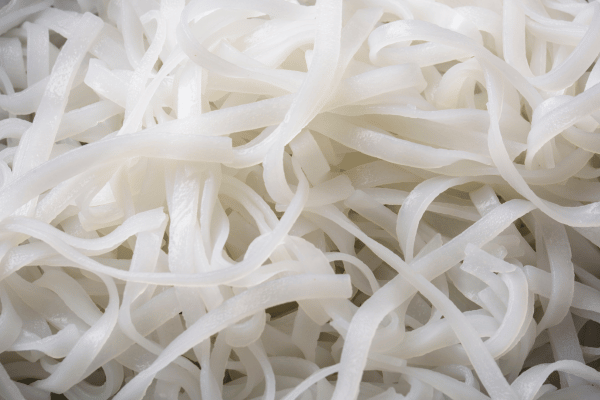
Rice noodles can be a tricky addition to a keto diet due to their high carbohydrate content. Modifying portions and balancing them with very low-carb options like zucchini noodles can make them fit into a keto meal plan. Creative incorporation is key.
Modifying Portions for Keto Compatibility
To ensure rice noodles fit your keto plan, adjust portion sizes. Although rice noodles contain carbs, consuming a smaller portion can help manage your daily carb intake. Pair a smaller serving of rice noodles with ample low-carb veggies and protein to create a balanced keto meal. By controlling your portions and balancing your macros, you can enjoy rice noodles occasionally while staying in ketosis. Always listen to your body’s response to different portion sizes to find what works best for your keto lifestyle.
Creative Incorporation of Rice Noodles in Keto Meals
When it comes to creatively incorporating rice noodles into keto meals, consider swapping out traditional pasta with spiralized zucchini noodles or shirataki noodles. These alternatives provide a low-carb option while adding variety to your dishes. Experiment with stir-fries using kelp noodles or adding rice noodles to keto-friendly broth-based soups. By exploring different noodle substitutes, you can enjoy the textures and flavors of noodle dishes without compromising your ketogenic diet goals.
Keto-Friendly Noodle Alternatives
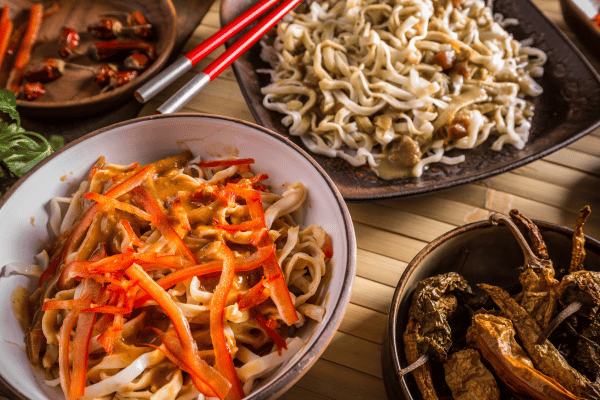
Shirataki noodles, made from konjac yam, stand out as a zero-carb option in keto meal plans. Zucchini noodles, or zoodles, offer a vegetable twist to traditional pasta dishes. Other low-carb substitutes include spaghetti, squash, and kelp noodles. These alternatives, rich in fiber and low in calories, provide great options for those following a strict keto diet. By replacing regular pasta with these alternatives, individuals can enjoy the taste and texture of noodles while keeping their carbohydrate intake in check.
Shirataki Noodles: A Zero-Carb Option
Shirataki noodles, a zero-carb option, are a popular choice in keto diets due to their minimal impact on blood sugar levels. Made from konjac yam or devil’s tongue yam, these translucent and gelatinous noodles are low in calories and high in fiber. Shirataki noodles offer a satisfying noodle-like consistency without carbohydrates, making them a great alternative for those following a strict keto diet.
Zucchini Noodles (Zoodles) for a Vegetable Twist
Zucchini noodles, also known as zoodles, offer a creative, low-carb pasta alternative. With fewer carbohydrates than traditional noodles, zoodles fit well into a keto meal plan. These vegetable noodles mimic the texture of spaghetti, making them a great addition to dishes. Rich in nutrients like fiber and vitamins, zucchini noodles are a great alternative for those on a keto diet looking to lower their carbohydrate intake.
Other Low-Carb Noodle Substitutes
Shirataki noodles, spaghetti squash, and zucchini noodles are excellent low-carb alternatives to traditional pasta. Shirataki noodles, also known as miracle noodles, contain minimal calories and carbohydrates, making them a popular choice for keto dieters. Spaghetti squash offers a vegetable twist to noodle dishes, while zucchini noodles, or zoodles, are a nutritious and low-carb option packed with vitamins and minerals.
Preparing Keto Noodles at Home

Creating keto-friendly noodles at home can be a satisfying and delicious endeavor. By using ingredients like almond or wheat flour, eggs, or even zucchini, you can craft low-carb pasta alternatives that fit perfectly into your meal plan. With simple recipes and a little creativity, homemade noodles can be a great addition to your ketogenic diet.
Simple Recipes for Homemade Keto Noodles
Creating homemade keto noodles can be a rewarding culinary experience. One simple recipe involves using zucchini to make zoodles—spiralized zucchini strips that resemble traditional noodles. Another quick option is to use spaghetti squash, which can be roasted and separated into noodle-like strands. These versatile noodles can be a great addition to your keto meal plan, offering a low-carb alternative to traditional pasta.
Tips for Cooking Low-Carb Noodles
When preparing low-carb noodles, consider spiralizing vegetables like zucchini as a pasta alternative. Opt for shirataki or kelp noodles for a keto-friendly option. To enhance flavor, stir-fry noodles with veggies in a light sauce. Avoid overcooking low-carb noodles to maintain their texture. Experiment with different seasonings and herbs to create a variety in your dishes.
Eating Out: Keto Noodle Options
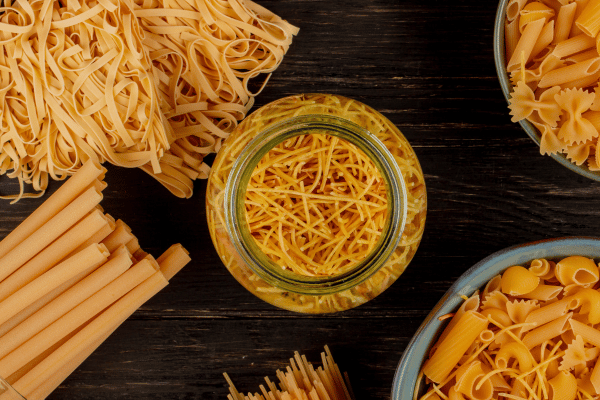
When dining out on a keto diet, choosing the right noodle options is crucial. Look for restaurants offering shirataki noodles or zucchini noodles as low-carb alternatives. Avoid rice noodles and traditional pasta, opting instead for options like spaghetti squash or kelp noodles. Ensure that the chosen noodle dish fits your carb restrictions and helps maintain ketosis. By making smart choices when eating out, you can enjoy delicious noodle dishes while staying in line with your ketogenic meal plan.
What to Look for in Restaurant Menus
When dining out on a keto diet, prioritize dishes featuring shirataki noodles, zucchini noodles, or spaghetti squash. Opt for meals low in net carbs, avoiding rice noodles or traditional pasta. Verify if the sauce is low in sugar and loaded with vegetables or proteins. Look for options with high fiber content, like kelp noodles or edamame pasta. Beware of hidden sugars in dressings or marinades. Customizing orders for more veggies and lean proteins can enhance the keto-friendliness of restaurant meals.
How to Customize Orders to Stay Keto
When dining out while following a keto diet, customizing orders is key. Your main dish should be grilled proteins such as chicken or fish. Replace starchy sides with extra servings of low-carb vegetables or a side salad. To control the amount used, request dressings and sauces on the side.
The Impact of Rice Noodles on Ketosis
Rice noodles can impact ketosis due to their high carbohydrate content, potentially taking you out of the desired state of ketosis. The high carb levels in rice noodles can elevate blood sugar levels, hindering the body’s ability to burn fat for fuel efficiently. It’s essential to be mindful of portion sizes and overall carb intake when considering incorporating rice noodles into a ketogenic meal plan.
Personal Experiences and Anecdotal Evidence
Personal experiences and anecdotal evidence play a significant role in understanding how rice noodles affect individuals on a keto diet. Many report challenges in maintaining ketosis when consuming rice noodles due to their high carb content. Some find it manageable by adjusting portion sizes or incorporating them strategically within their meal plans. However, it varies depending on individual carb tolerance levels and the strictness of their ketogenic diet. Gathering insights from others’ experiences can help you make informed decisions about including rice noodles in a keto lifestyle.
What Science Says About Rice Noodles and Keto
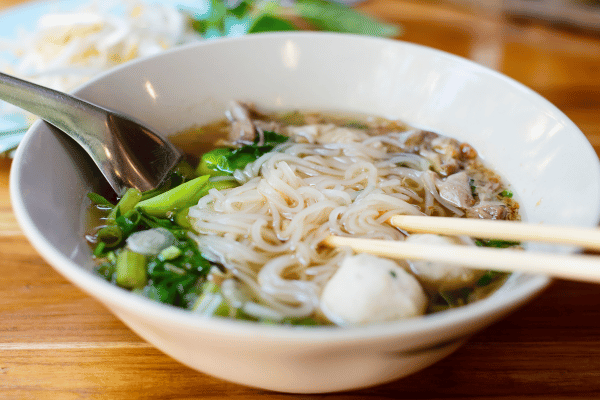
Rice noodles, while a popular choice, may not align well with a keto diet due to their high carbohydrate content. Rice noodles can spike blood sugar levels, potentially hindering ketosis, according to scientific research. Studies suggest that substituting rice noodles with low-carb alternatives like shirataki or zucchini noodles can better support ketosis. Considering the impact of rice noodles on carbohydrate intake and blood sugar, it is advisable to opt for keto-friendly noodle options for successful adherence to a ketogenic meal plan.
Frequently Asked Questions
Are There Any Keto-Friendly Rice Noodle Brands?
Yes, there are keto-friendly rice noodle brands available, such as Explore Cuisine’s Organic Edamame Spaghetti and Miracle Noodle Shirataki Rice. These brands offer low-carb alternatives to traditional rice noodles, making them suitable for a keto diet.
How Often Can I Eat Rice Noodles on a Keto Diet?
On a keto diet, you can occasionally enjoy rice noodles as long as they fit within your daily carb limit. Modest portions paired with low-carb veggies and proteins can help maintain ketosis. Be mindful of your overall carb intake to balance indulgence with keto goals.
What Are the Best Ways to Incorporate Rice Noodles into a Keto Diet?
Control portions, opt for low-carb noodle alternatives like shirataki or zucchini noodles, and experiment with creative recipes to incorporate rice noodles into a keto diet. Make sure you meet your carb limits to maintain ketosis while indulging in noodle dishes.
Can I Achieve Ketosis if I Eat Rice Noodles Occasionally?
Rice noodles can hinder ketosis due to their high carb content. If you strictly control portion sizes to stay within keto limits, occasional consumption may be possible.
Featured Articles
- Palmini Noodles: The Ultimate Low-Carb Pasta Alternative
- Low Carb Egg Noodles 101: Exploring the Benefits for Keto
- Keto Friendly Noodles and Pasta Alternatives You Must Try
- Noodles and Company Keto Menu: Savory Low-Carb Delights!
- Why KETO Is Beneficial For Your Brain 👍🧠
Final Thoughts
When following a keto diet, it’s crucial to prioritize low-carb options like shirataki noodles, zucchini noodles, or spaghetti squash instead of high-carb rice noodles.
These alternatives help maintain ketosis by keeping carbohydrate intake in check. Rice noodles, with their higher carb content, may not align with the strict requirements of a ketogenic meal plan.
Experimenting with keto-friendly noodle substitutes can enhance variety and flavor while supporting weight loss and stabilizing blood sugar levels. Remember, making informed choices is key to success on a keto journey.