

Unpacking the Carb Content of Watermelon to Answer the Question: Is Watermelon Keto Friendly?
Is Watermelon Keto?
✅ YES! Watermelon can be part of a keto diet, but it should be consumed in moderation due to its natural sugar content. A typical cup of diced watermelon contains around 9 grams of net carbs, so it’s important to be mindful of your daily carb allowance while enjoying this refreshing fruit on keto.
Keto is all about eating lots of fat and few carbs. So what does that mean for a tasty treat like watermelon? Is watermelon keto?
Well, here’s the surprise: Watermelon can be your keto buddy. Here’s the scoop: The keto diet works by cutting down your carbs. When less sugar is used, your body burns stored fat for energy. That’s how Keto helps with weight management.
But here’s the twist – fruits are often loaded with carbs, right? So, can you still enjoy the juicy goodness of watermelon without blowing your low-carb keto plan? Let’s dive in! Summer means sunny days, BBQs, and cool watermelon slices – but is watermelon keto team?
Even if you’re a keto pro, it’s easy to forget which foods fit into your game plan. So, think of this as your keto refreshment guide. Watermelon is packed with nutrients and lots of water, making it great for keeping you hydrated and healthy.
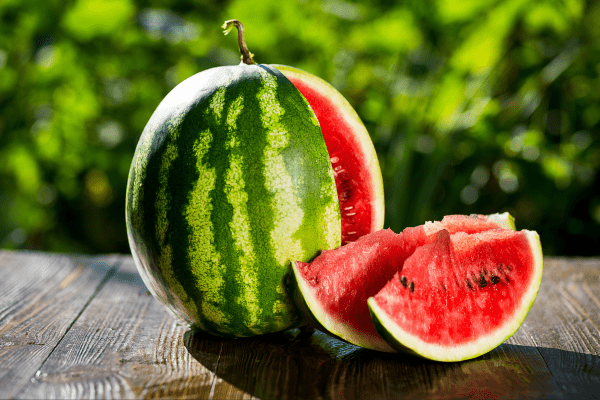
But, like all fruits, watermelons have natural sugars. So, keto folks might wonder if munching on watermelon will kick them out of ketosis, which is the fancy word for when your body burns fat instead of carbs.
A ketogenic, or Keto, diet is when you eat lots of fat, a good amount of protein, and minimal carbs.
Since sugars are carbs, it makes sense to question “Is Watermelon Keto?”.
Table of Contents
- Is Watermelon Keto Friendly?
- Carbohydrates in Watermelon
- Net Carbs: What Keto Dieters Need to Know
- Portion Control and Keto-Friendly Options
- Watermelon Keto Friendly Recipe
- Other Keto-Friendly Fruits
- Final Thoughts
Is Watermelon Keto Friendly?
Let’s get straight to it: Is watermelon keto friendly? To answer this, we need to break down the components of watermelon and understand how they fit into the keto diet.
What is Watermelon?
Watermelon is the quintessential summer fruit, known for its refreshing taste and high water content. It’s a natural choice for staying hydrated on hot days, and its vibrant pink flesh is a common sight at picnics and BBQs. But what’s inside this juicy treat?
Watermelon primarily contains water (about 90%) and contains essential vitamins and minerals, such as vitamins A and C, potassium, and antioxidants like lycopene. These nutrients make it a healthful choice, especially when trying to beat the summer heat.
So, Is Watermelon Keto Safe?
Here’s the scoop: Watermelon does contain natural sugars, primarily fructose. A typical cup of diced watermelon has about 9 grams of net carbs. While this isn’t as carb-heavy as some fruits, it’s still significant for keto dieters aiming for low-carb intake.
So, is watermelon a resounding “no” for Keto? Not necessarily. It’s all about moderation and portion control. If you’re in a situation where you can fit a small serving of watermelon into your daily carb allowance, you can still enjoy this delicious fruit while staying keto-friendly.
In the end, watermelon can be a refreshing treat for keto dieters, but it’s essential to be mindful of your carb intake and track it within your daily limit. Remember, Keto isn’t for everyone, so it’s a good idea to consult with a healthcare professional or nutritionist before making significant dietary changes.
Carbohydrates in Watermelon
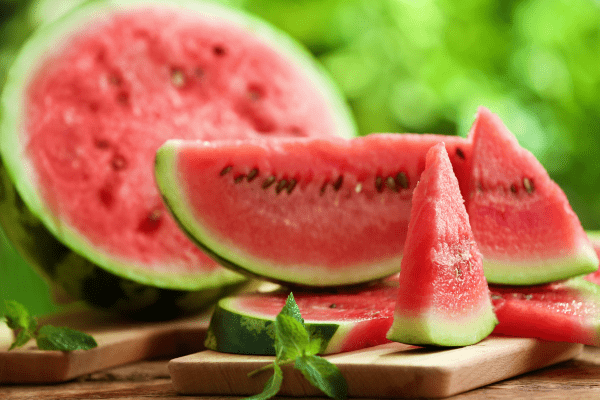
When you eat watermelon, carbohydrates are a hot topic, especially for those following a low carb diet or anyone keeping a close eye on their carb intake. Let’s break down the carbohydrate content in watermelon and understand what makes up those carbs.
Primarily Composed of Water
First things first, watermelon is aptly named because it’s, well, mostly water. About 90% of its weight is water. This high water content makes it one of the most hydrating fruits you can enjoy, making it a perfect choice to quench your thirst on a scorching day.
Natural Sugars
Now, let’s talk about the carbs in watermelon. The carbohydrates in watermelon come mainly in the form of natural sugars. These natural sugars, predominantly fructose, give watermelon its deliciously sweet taste. Unlike added sugars found in many processed foods, the sugars in watermelon are naturally occurring.
A typical serving of watermelon (approximately one cup of diced pieces) contains around 9 grams of net carbohydrates. Net carbs are the total carbs minus the fiber content, and watermelon does have some dietary fiber, which can help slow the absorption of sugar.
Comparing Carb Content to Other Low Carb Fruits
To put this in perspective, let’s compare the carb content of watermelon to a few other fruits:
- Watermelon (1 cup diced): Approximately 9 grams of carbs.
- Strawberries (1 cup, whole): About 7 grams of net carbs.
- Blueberries (1 cup): Roughly 17 grams of net carbs.
- Banana (1 medium): Approximately 24 grams of net carbs.
- Apple (1 medium): About 21 grams of net carbs.
This comparison shows that while watermelon contains carbs, it’s on the lower end of the spectrum than other fruits. This makes it a relatively keto-friendly fruit option when consumed in moderation.
Net Carbs: What Keto Dieters Need to Know
If you’re on the keto diet, you’ve probably heard the term “net carbs” thrown around a lot. Understanding net carbs is crucial for keto dieters because it helps determine which foods fit within the daily carb limit while staying in ketosis. Let’s break down the concept of net carbs and why they are essential for those following a ketogenic diet.
What Are Net Carbs?
Net carbs represent the carbohydrates that significantly impact your blood sugar levels. To calculate net carbs, subtract the dietary fiber content and certain sugar alcohols (like erythritol and xylitol) from the total carbohydrates in a food item. This subtraction is because fiber and some sugar alcohols are not fully absorbed by your body and, therefore, don’t have the same impact on blood sugar as other carbs.
Why Are Net Carbs Important on Keto?
The keto diet is about drastically reducing your carb intake, usually around 20-50 grams of net carbs daily. By keeping your net carbs low, you encourage your body to enter a state of ketosis, which starts burning fat for energy instead of carbohydrates. This is the fundamental principle behind the keto diet and why it’s effective for weight loss and improved metabolic health.
Net Carb Count for Watermelon

A one-cup serving of diced watermelon contains approximately:
- Total Carbohydrates: About 11 grams
- Dietary Fiber: Roughly 2 grams
To find the net carbs, you subtract the dietary fiber from the total carbohydrates:
Net Carbs = Total Carbohydrates – Dietary Fiber Net Carbs = 11 grams – 2 grams Net Carbs = 9 grams
So, a typical one-cup serving of diced watermelon contains around 9 grams of net carbs. If you enjoy some watermelon on your keto diet, you must account for these 9 grams of net carbs within your daily carb allowance. Remember, moderation is key, and keeping track of your net carb intake is essential to stay in ketosis while enjoying watermelon’s sweet and hydrating taste.
Portion Control and Keto-Friendly Options
So, you’ve decided that you’d like to include watermelon in your keto diet occasionally. Great! The key to doing this successfully is mindful portion control and wise choices. Here are some tips for keto dieters who want to enjoy watermelon responsibly while staying within their daily carb limits:
1. Measure Your Serving Size:
- To keep your net carb intake in check, measure your watermelon serving carefully. Stick to a small portion, such as half a cup or one cup of diced watermelon. This allows you to enjoy the sweet taste without consuming excessive carbs.
2. Pair with High-Fat Foods:
- Balance out the carbs in watermelon with high-fat foods. For example, you can enjoy a serving of watermelon as part of a meal that includes avocado, cheese, or nuts. The fat content in these foods can help offset the impact of the carbs.
3. Consider Timing:
- Consume watermelon strategically within your eating window. Some keto dieters prefer carbs earlier in the day when their bodies may be more insulin-sensitive, while others incorporate them around workouts for energy replenishment.
4. Opt for Watermelon Rinds:
- To enjoy watermelon flavor with fewer carbs, pickling or cooking watermelon rinds. They have a milder sweetness and can be used in keto-friendly recipes.
5. Mix with Keto-Friendly Ingredients:
- Create keto-friendly watermelon salads combining diced with cucumber, feta cheese, mint, and olive oil. This makes for a refreshing and balanced dish.
6. Freeze for Keto-Friendly Desserts:
- Blend watermelon chunks and freeze them into popsicles or ice cubes. This can satisfy your sweet tooth without causing a significant spike in your carb intake.
7. Spread It Out Throughout the Day:
- Instead of serving your entire watermelon at once, consider dividing it into smaller portions to enjoy throughout the day. This can help spread the carb impact more evenly.
8. Monitor Your Carb Budget:
- Keep a close eye on your daily carb allowance and track your net carb intake. This ensures you stay within your carb limit by consuming other foods with hidden carbs.
9. Be Mindful of Your Body’s Response:
- Every person’s tolerance for carbs varies. Pay attention to how your body responds to watermelon consumption. If it negatively affects your ketosis, adjust your portion sizes accordingly.
By practicing portion control and making strategic choices, you can incorporate watermelon into your keto meal plan while maintaining your low-carb lifestyle. Remember that moderation is key, and staying mindful of your net carb intake will help you enjoy the sweet taste of watermelon without derailing your keto goals.
Watermelon Keto Friendly Recipe
Ingredients:
- 2 cups of diced watermelon (about 9 grams of net carbs)
- 1/2 cup of diced cucumber (about 2 grams of net carbs)
- 1/4 cup of crumbled feta cheese (about 1 gram of net carbs)
- Fresh mint leaves, chopped
- 1 tablespoon of extra-virgin olive oil
- 1 tablespoon of fresh lime or lemon juice
- Salt and pepper to taste
Instructions:
- Start by preparing the watermelon. Make sure it’s diced into bite-sized pieces. You can remove any seeds if needed.
- Dice the cucumber into small cubes.
- In a mixing bowl, combine the diced watermelon and cucumber.
- Crumble the feta cheese and add it to the bowl.
- Chop fresh mint leaves and sprinkle them over the salad.
- Whisk together the olive oil and lime or lemon juice in a separate small bowl to create a light dressing.
- Drizzle the dressing over the salad, and gently toss everything together until well combined.
- Season the salad with a pinch of salt and a dash of pepper to taste. Remember that feta cheese is naturally salty, so adjust the salt accordingly.
- Let the salad sit for a few minutes to allow the flavors to meld together.
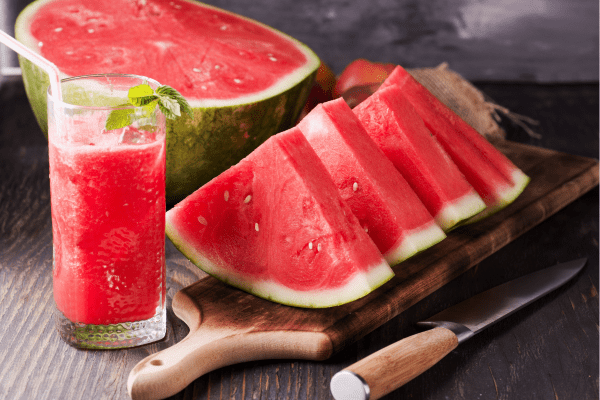
- If desired, serve your keto watermelon mint salad chilled, garnished with additional mint leaves. You can also create watermelon juice or watermelon smoothie.
Other Keto-Friendly Fruits
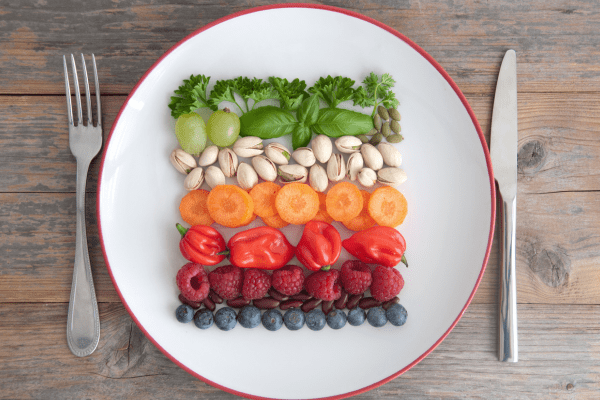
While watermelon can be enjoyed in moderation on a keto diet, there are several other keto-friendly fruits that you can incorporate into your low-carb eating plan. These fruits have lower net carb counts than higher-sugar fruits like bananas and grapes. Here are some keto-friendly fruit options:
- Berries: Berries are often the go-to choice for keto dieters because they are relatively low in carbs and high in fiber and antioxidants. Some keto-friendly berries include strawberries, blueberries, raspberries, and blackberries.
- Avocado: While technically a fruit, avocados are an excellent source of healthy fats and grams of fiber, making them a staple in many keto diets. They are versatile and can be used in sweet and savory keto recipes.
- Coconut: Coconut is another keto-friendly fruit. You can enjoy fresh coconut meat, unsweetened coconut flakes, or coconut milk (check the label for added sugars). It’s rich in healthy fats and has a mildly sweet flavor.
- Lemon and Lime: Citrus fruits like lemons and limes are relatively low in net carbs and can add a refreshing twist to your keto-friendly beverages and dishes. Just be mindful of added sugars in lemonade or limeade.
- Kiwi: Kiwi has a higher carb content than other keto-friendly fruits but can still be included in moderation. One small kiwi contains about 6 grams of net carbs.
- Cantaloupe: While higher in carbs than some other keto-friendly fruits, cantaloupe can still fit into a keto diet when consumed in small portions. It has a sweet and refreshing taste.
- Olives: While not typically considered fruit, olives are technically a fruit and are extremely low in carbs. They are a great addition to salads and keto-friendly snacks.
- Rhubarb: Rhubarb is relatively low in carbs and can be used in keto-friendly desserts and sauces. However, it’s pretty tart, so sweeten it with a keto-friendly sweetener.
- Pomegranate Seeds: Pomegranate seeds, also known as arils, are relatively low in net carbs and can add flavor and texture to salads and keto dishes.
Final Thoughts
In exploring whether watermelon is keto-friendly, we’ve uncovered some key insights to help you make informed choices on your ketogenic journey.
Watermelon, with its high water content and natural sugars, does contain carbs. A typical cup of diced watermelon has approximately 9 grams of net carbs. While this is lower in carbs than some other fruits, it’s still a significant portion of your daily carb limit on a strict keto diet.
The keto diet is about entering and maintaining a state of ketosis, where your body burns fat instead of carbohydrates for energy. It would help to restrict your daily carb total carb intake to a certain threshold, typically around 20-50 grams of net carbs.
So, can you enjoy watermelon on Keto? The answer is yes, with some caveats. Practicing portion control and consuming watermelon in moderation to fit within your daily carb allowance is essential. Pair it with keto-friendly ingredients like high-fat foods to help balance your macronutrient intake.

Remember that everyone’s carb tolerance varies, and what works for one person may not work for another. Listening to your body and monitoring how watermelon consumption affects your ketosis can guide your choices.
While watermelon can be a refreshing and hydrating treat, especially during hot summer days, its place in your keto diet depends on your individual goals and carb tolerance. Balancing your love for watermelon with your commitment to Keto can lead to a delicious and satisfying dietary experience.