

Beyond the Grain: Discover Keto Rice Substitutes for a Healthier You
What are the best low-carb rice substitutes?
👉 Cauliflower rice is a great low-carb substitute for rice with a similar texture, but significantly fewer carbs. It’s versatile and can be easily incorporated into different dishes, soaking up flavors. Another good option is konjac or shirataki rice, which has minimal carbs and can mimic the texture of rice in keto-friendly meals.
Rice takes center stage in a variety of delectable dishes. From creamy risotto to flavorful fried rice, vibrant paella to delicate sushi, this starchy grain plays a crucial role. However, are there any rice varieties that offer lower-carb options without compromising on taste?
Regrettably, the answer is no. If you’re following a keto diet, it is advisable to steer clear of rice to achieve optimal results.
But, fear not! You can satisfy your rice cravings by exploring gluten-free low-carb rice substitutes and easy keto recipes. Embark on a culinary adventure through rice, discovering delightful alternatives like the famous cauliflower rice and shirataki rice. Let’s dive in!

Table of Contents
- Can You Eat Rice on Keto?
- Cauliflower Rice
- Konjac Rice
- Cabbage Rice
- Broccoli Rice
- Mushroom Rice
- Lentils
- Hemp Seeds
- Heart of Palm Rice
- Keto Rice FAQs
- Final Thoughts
Can You Eat Rice on Keto?

Traditional rice has a high carbohydrate content, which makes it difficult to include in a standard ketogenic diet. Keto diet followers typically limit carb intake to maintain ketosis. Since rice is starchy, it can significantly contribute to carb consumption.
While rice is a staple in many cultures, it’s high in carbohydrates, which may not align with your healthy eating goals. As per the USDA, one cup of cooked rice contains as much as 44 grams of net carbs!
However, there are ways to enjoy rice-like textures without jeopardizing ketosis. This involves exploring alternative ingredients that have fewer carbs but still offer a satisfying and versatile meal base.
Don’t miss out on tasty keto rice dishes while following a low-carb diet! The ketogenic diet promotes eating low-carb vegetables, with cauliflower being a popular choice to make a rice substitute. Using a food processor or grater, cauliflower can be turned into rice-sized granules, providing a texture similar to traditional rice.
Additionally, other keto-friendly rice alternatives like konjac or shirataki rice can be incorporated into keto meals, providing a rice-like experience without the high carbohydrate content. Ultimately, while traditional rice may not align with the strict carb limits of a strict keto diet, there are creative and delicious ways to enjoy similar textures through mindful ingredient selection.
Experiment with various keto rice alternatives to find the ones that best suit your taste preferences and complement the flavors of your favorite keto rice dishes.
Cauliflower Rice
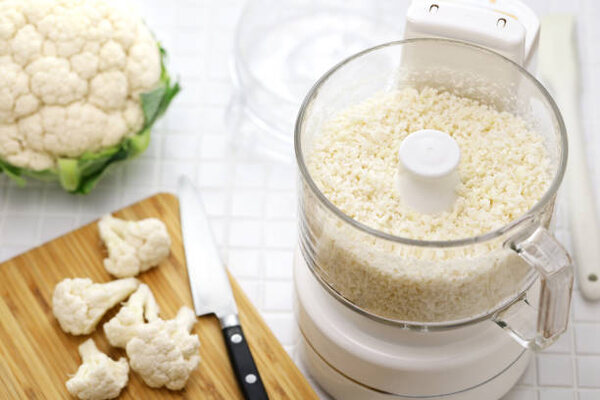
Cauliflower rice is an excellent keto rice alternative in most rice-based recipes. With only 4.7 grams of total carbs and 2.4 grams of dietary fiber, it has 3 grams of net carbs per cup.
It’s incredibly versatile and simple to prepare. Plus, you can easily enhance its taste with spices or sauces. This versatile keto rice can be used in various meals. Two great keto dishes that use riced cauliflower are cauliflower fried rice and cauliflower mushroom risotto.
If you love cauliflower, it also works great in stir-fries and curries as it absorbs flavors effectively. Additionally, you can substitute regular white rice with cauliflower rice in dishes such as stuffed peppers or burrito bowls.
To make riced cauliflower, cut the cauliflower florets into small pieces and pulse them in a food processor until you achieve the desired texture. It’s a simple and nutritious way to enjoy this versatile vegetable.
You can also find pre-made raw cauliflower rice in supermarkets.
Konjac Rice

If you’re searching for the lowest net-carb keto rice substitute, try shirataki rice! This “miracle rice” has virtually zero carbs according to the USDA.
Konjac rice is derived from konjac root, just like shirataki noodles or konjac noodles, which are a popular low-carb pasta substitute.
It is also super easy to prepare! Just drain the liquid, rinse it well, and boil for 2-3 minutes. Then, drain again and give a final rinse to remove all starch.
Miracle rice has a chewy texture and neutral flavor. It can be used in stir-fries, soups, and even sushi. For instance, you can swap regular rice with shirataki rice in a low-carb chicken stir-fry or fried rice. This reduces carbs and increases protein in the dish.
Cabbage Rice
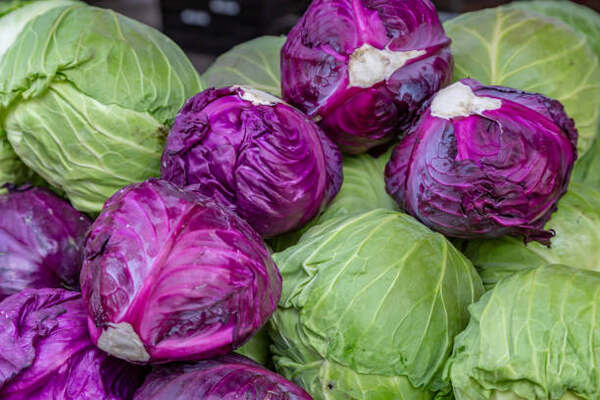
Another simple option for a low-carb keto rice substitute is cabbage. To make cabbage rice, shred the cabbage into small pieces and sauté them in a pan with butter or coconut oil until tender.
You’ll be amazed at how much the texture of cabbage rice resembles traditional rice. Moreover, it can be customized to suit your preferred flavor profiles. Sauté it with garlic, onions, and herbs for a savory dish, or add apples or raisins for a sweet delight.
Both red and green cabbage are suitable for the keto diet. Green cabbage has a slightly lower net carb count of 3.2 grams per 89-gram cup, compared to red cabbage at 3.9 grams.
Cabbage is a versatile ingredient that works well in various dishes, including side plates and main courses. It’s commonly used in Asian-style meals like stir-fries and curries, and can also be incorporated into other keto-friendly recipes.
It goes perfectly with spices common in Indian food like garam masala, cumin, and turmeric. Enjoy riced cabbage to reduce carbs without sacrificing flavor or satisfaction.
Broccoli Rice
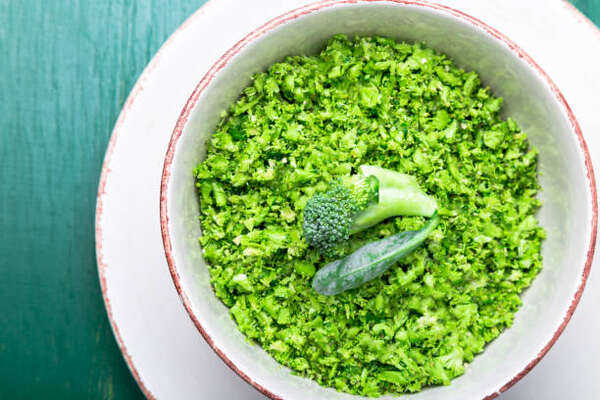
Keto cauliflower rice may be all the rage, but let’s not forget about broccoli rice. This versatile ingredient transforms a whole head of broccoli, including the stalk, into something absolutely delicious.
Cut a head of broccoli into one-inch pieces. Pulse in a food processor until desired texture. Lightly sauté with cilantro and lime for a grain-free base in a homemade burrito bowl.
Mix with your favorite dressing for a tasty side dish, add to a stir fry, or use in a wrap. This delightful and nutritious keto rice alternative offers endless possibilities.
Mushroom Rice

Mushrooms are an excellent keto rice substitute due to their savory, earthy flavor. They offer a delicious, keto-friendly alternative to rice, but be mindful of the carb counts as they can vary across mushroom varieties.
Sliced white mushrooms have just 2.5 grams of net carbs and 4.4 grams of total carbs per cup, but any finely chopped variety will do.
Cremini mushrooms have 2.6 grams of net carbs and 3 grams of total carbs per cup; Portobello mushrooms have 3.2 grams of net carbs and 5.9 grams of total carbs per cup.
To make mushroom-based keto rice, finely chop a cup or two of your preferred mushrooms and saute them with butter and salt. You can also combine mushroom rice with other low-carb rice alternatives to vary the taste and texture of your meals.
Lentils

Lentils are a nutritious and filling keto rice alternative that has gained popularity. To make lentil “rice,” simmer the lentils until they reach the desired texture – tender with a slightly chewy bite. This flavorful base can be used in various meals, including stir-fries and curries.
Elevate your culinary experience with a Middle Eastern-inspired vegetarian dish with lentils and cauliflower rice. Alternatively, for a refreshing lunch or dinner, make a lentil salad with crunchy vegetables like carrots, cucumber, and celery dressed in a flavorful dressing and olive oil.
Hemp Seeds
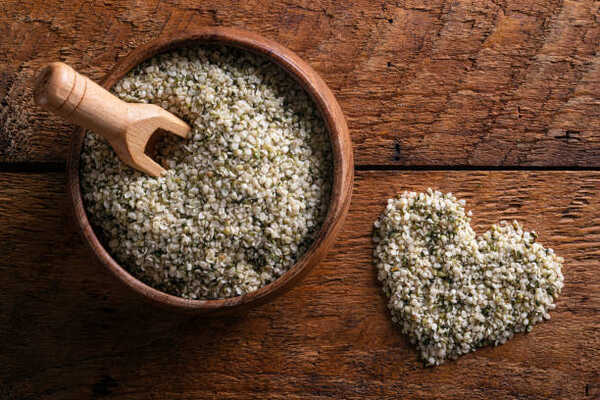
Shelled hemp seeds or hemp hearts are a fantastic option for replicating the taste and texture of wild rice and other hearty grains.
They are also rich in healthy fats, plant-based protein, and fiber, making them an excellent rice substitute for individuals aiming to limit carb intake while boosting nutrient consumption.
Each 3-tablespoon serving of shelled hemp seeds provides 15 grams of fat, 9.5 grams of protein, 2.6 grams of total carbs, and 1.4 grams of net carbs. Be mindful not to consume excessively as it is high in fat and can hinder weight loss.
Use it as a substitute for wild rice in wild rice pilaf, or include it in your keto meals to replicate the texture of regular rice.
Heart of Palm Rice

Hearts of Palm Rice is crafted from the tender inner core of the palm tree. It offers a mild, slightly nutty flavor, often likened to artichokes, and a tender texture similar to cooked rice. Think of it as a versatile base for all your favorite keto rice dishes.
Palmini, a brand known for its innovative pasta made from hearts of palm, has expanded its product line to include a keto-friendly rice alternative. Packaged in convenient cans, this rice substitute only requires a simple process of draining, rinsing, and cooking to achieve your desired consistency.
Riced hearts of palm are also available in some grocery stores. With a quick cooking time, this keto rice alternative effortlessly satisfies your craving while offering a healthier option.
Keto Rice FAQs
Is brown rice better than white rice on keto?
Both brown and white rice are high in carbohydrates, but brown rice offers additional nutritional benefits that may be considered in a ketogenic diet. Brown rice retains its outer bran layer and germ, which contain fiber, vitamins, and minerals.
The fiber in brown rice aids digestion and helps stabilize blood sugar levels, potentially reducing the impact on insulin response.
However, it’s important to note that brown rice still contains a significant amount of net carbs, so portion control is crucial when following a keto diet.
Is black rice OK for keto?
Black rice is a nutrient-rich whole grain packed with antioxidants, fiber, and essential vitamins and minerals. Although it has slightly fewer carbs than white rice, it still contains a significant amount, which may not be suitable for strict ketogenic diets.
It’s important to consume black rice in moderation and be mindful of overall carbohydrate intake when including it in a keto meal plan.
Final Thoughts
When following a ketogenic diet, it’s important to carefully consider the carbohydrate content and nutritional value of the rice you choose. While brown and black rice have more nutrients compared to white rice, their higher carb content makes them less compatible with strict adherence to a ketogenic lifestyle.
Instead, people following the keto diet often prefer alternative options such as cauliflower rice or shirataki rice. These options offer a beautiful rice-like texture without the high carb content. Other less common keto rice alternatives include rutabaga, quinoa, and zucchini, although their net carbs may be a little higher.
To successfully follow a ketogenic diet, prioritize individual preferences, nutritional needs, and overall goals. Trying out different low-carb alternatives can offer a diverse and enjoyable culinary experience. Ultimately, finding a balance that aligns with personal tastes and dietary requirements is key to keto success.
To maintain a healthy lifestyle, it’s important to get creative in the kitchen and stay informed about a variety of options for keto rice. This will make your ketogenic experience sustainable and enjoyable. Remember, moderation and mindfulness are key to success on the ketogenic path.