
Maximize Taste, Minimize Carbs: The Ultimate Keto Thickener Guide!
How Can I Thicken Keto Recipes Without Flour?
🧑🍳 To thicken keto dishes without flour, use low-carb alternatives like xanthan gum, guar gum, or glucomannan powder. These low-carb thickeners thicken sauces without altering taste or texture. You may also opt for rich, creamy additions such as cream cheese or heavy cream and explore the versatility of vegetable purees.
Navigating low-carb cooking doesn’t require giving up the rich, creamy textures we adore. This guide explores keto thickener techniques, opening up a world of culinary creativity without the need for high-carb wheat flour or corn starch.
Being mindful of carbs in the kitchen, we get the challenge of finding swaps that match our keto diet goals and amp up our dish flavors. No more trade-offs between texture and health – let’s dive into the wonders of keto thickeners!
From sauces that cling perfectly to your favorite proteins to hearty stews that warm your soul, we’ll explore a repertoire of low-carb alternatives that keep your taste buds dancing. Discover the secrets of natural thickeners like xanthan gum, low-carb coconut or almond flour, the creamy wonders of cream cheese and heavy cream, and the surprising versatility of vegetable purees.
Whether you’re experienced with keto or new to low-carb eating, this guide helps turn regular recipes into amazing dishes. Join us on this tasty journey to master cooking with a keto thickener. Prepare to enhance your kitchen creations and enjoy low-carb living to the fullest!
Table of Contents
How to Thicken Soups on Keto

Soups and stews use traditional high-carb thickeners such as flour, cornstarch, arrowroot powder, or potato starch. But, those on a keto diet might find these high-carb options challenging.
Flour, made from grains, is carb-heavy, so it’s a non-starter for those cutting carbs. Similarly, corn starch is high in carbs and can hinder those dedicated to a low-carb lifestyle.
One main principle of the ketogenic diet is limiting carb intake to trigger ketosis, where the body uses fat for energy. Common thickeners like flour and cornstarch can add extra carbs to your meals, hindering this goal. As cooks on a low-carb diet aim to make tasty soups while sticking to keto rules, they seek keto thickener alternatives to high-carb thickeners.
Luckily, in keto cooking, you have many thickening agent substitutes to thicken without straying from your low-carb goals. Try almond or coconut flour, glucomannan powder, and xanthan gum to replace high-carb thickeners in soups. Enjoy a tasty, keto-friendly way to thicken low-carb soups that fit your diet goals perfectly.
Keto Thickener Substitutes
When it comes to enhancing the heartiness of keto-friendly soups, various ingenious keto thickener alternatives await your culinary exploration. Almond flour and coconut flour, with their subtle flavors, offer both texture and a nutritional boost.
Glucomannan powder and xanthan gum are excellent thickeners for low-carb recipes, needing just a small quantity to do the trick. Flaxseed meal, packed with healthy fats and fiber, adds taste and texture perfect for your low-carb diet.
Guar gum and psyllium husk are key for achieving the right thickness. Guar gum provides a smooth texture, while psyllium husk adds a touch of earthiness and thickens soups effortlessly. Pureed veggies are vital in thickening keto soups, offering a nutrient-rich solution that blends well, enhancing body and flavor.
Don’t overlook heavy cream and egg yolks for a rich, luxurious touch in your keto soup. With these options, you can achieve the desired consistency for a flavorful keto and low-carb soup or sauce tailored to your taste.
Almond Flour

Almond flour is a must-have for keto eaters. Swap almond flour for cornstarch for a similar texture and no carb overload. Almond flour from blanched almonds, almond meal from whole almonds. Both gluten-free and low carb, ideal for keto soup thickening.
To thicken a soup with almond flour, mix it with water or broth until it forms a paste. Add this to your soup, stirring well. Adjust the amount based on how thick you want it. Begin with small quantities, adding more as needed for the desired thickness.
Almond flour also provides nutrients like vitamin E, iron, potassium, and calcium. One quarter-cup serving (28g) of almond flour includes:
- Calories: 170
- Carbohydrates: 6g
- Fiber: 2g
- Net Carbs: 4g
- Fat: 15g
- Protein: 6g
Coconut Flour
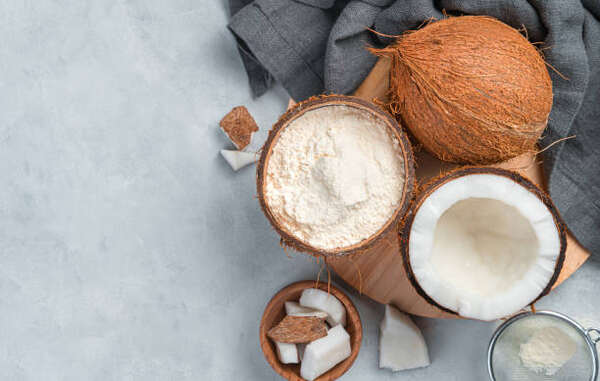
Coconut flour can also serve as a keto thickener. It’s also gluten-free and low in carbs. But this low-carb thickener has more fiber, aiding digestion and keeping you full.
To thicken soups or sauces with this low-carb flour, mix it with water or broth until it forms a paste. Add this to your soup, stirring well. Adjust the amount based on how thick you want it. Begin with small quantities, adding more as needed for the desired thickness.
It also provides nutrients like iron, potassium, and calcium. One quarter-cup serving (28g) of coconut flour contains:
- Calories: 120
- Carbohydrates: 16g
- Fiber: 10g
- Net Carbs: 6g
- Fat: 4g
- Protein: 6g
Glucomannan Powder

The Konjac plant root contains Glucomannan, a type of dietary fiber that is tasteless and can be easily added to most foods without changing their taste.
Glucomannan powder, also known as konjac flour, is excellent for weight loss and controlling appetite. It’s rich in fiber and low in calories, acting as a natural prebiotic. This can help boost cholesterol, hormone levels, and gut health, and support immune functions while reducing inflammation.
Including konjac fiber in your diet can boost digestion, relieve constipation, lower cholesterol, and help manage diabetes. One cup includes:
- Calories: 10
- Carbohydrates: 5g
- Fiber: 5g
- Net Carbs: 0g
- Fat: 0g
- Protein: 0g
Xanthan Gum
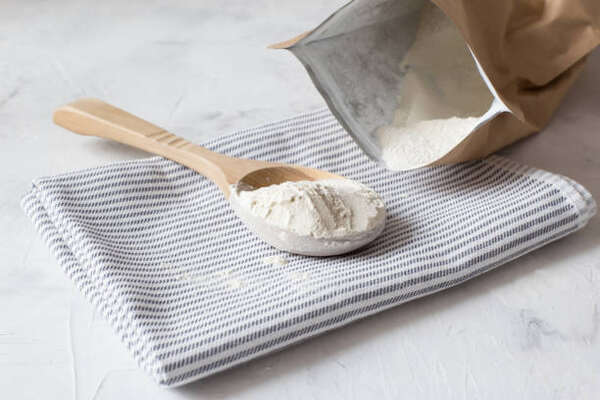
Xanthan gum, a popular gluten-free keto thickener, is made from fermented sugar using bacteria. Besides thickening, it serves as a soluble fiber that enhances digestion and eases constipation. Research suggests it could lower blood sugar and cholesterol levels in diabetes patients.
One important thing to note is that xanthan gum should be used sparingly, as consuming too much of it can cause digestive issues such as bloating and gas. It’s always best to follow recipe instructions and use the recommended amount.
For those on a keto diet, xanthan gum is handy for thickening sauces and soups without adding extra carbs. Vegans on keto can also swap eggs with xanthan gum. One tablespoon of xanthan gum contains:
- Calories: 30
- Carbohydrates: g
- Fiber: 2g
- Net Carbs: 2g
- Fat: 0g
- Protein: 0g
Flaxseed Meal
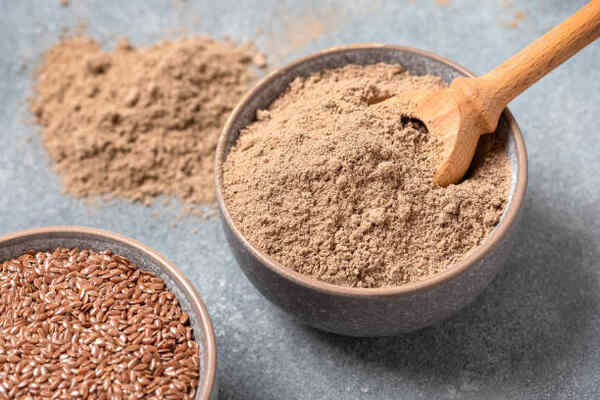
Flaxseed meal or ground flax seeds can act as a keto thickener in various recipes, commonly used in smoothies and as an oatmeal substitute. They’re rich in omega-3 fatty acids and lignan, a plant-based polyphenol.
Flaxseed meal is keto-friendly and provides health benefits like better digestion and lowered heart disease risk. Ground flax seeds are easier for the body to digest than whole seeds, which might pass through undigested.
Flaxseed offers benefits like lowering cholesterol, antioxidants, and supporting weight loss. One tablespoon contains:
- Calories: 30
- Carbohydrates: 2g
- Fiber: 2g
- Net Carbs: 0g
- Fat: 3g
- Protein: 1.5g
Guar Gum
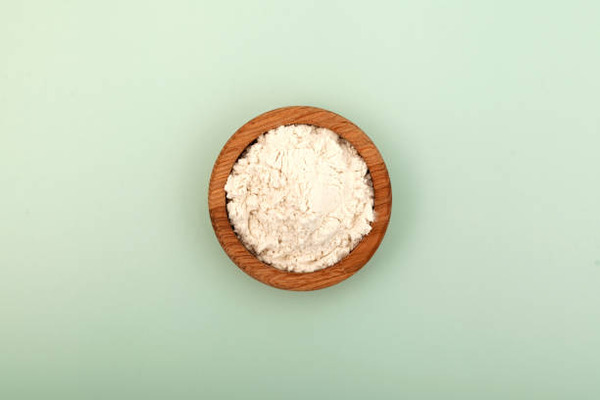
Guar gum, a plant fiber from the guar seed, is similar to glucomannan. It serves as a natural keto thickener. Derived from the guar plant, its powdered form is carb-free. Use it in moderation as it’s potent. Excessive use may result in a gummy or slimy texture in your dish.
Consuming excessive amounts can be risky, yet guar gum remains versatile in both hot and cold liquids. It expands in liquid independently of temperature, as studies indicate. Therefore, incorporating guar gum into a recipe effortlessly alters its texture.
One 100g serving of guar gum contains:
- Calories: 30
- Carbohydrates: 9g
- Fiber: 9g
- Net Carbs: 0g
- Fat: 0g
- Protein: 0g
Psyllium Husk
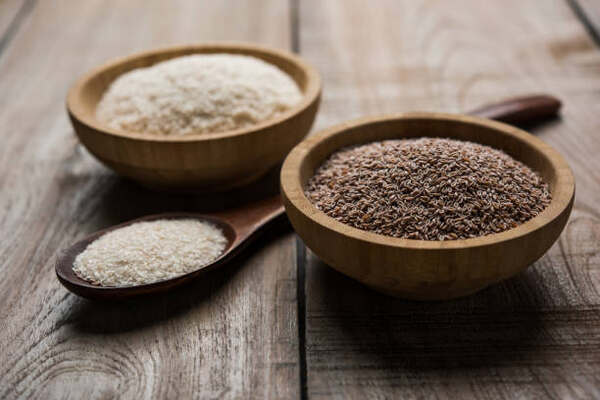
Psyllium husk is a soluble fiber that thickens by absorbing moisture, making it handy as a binder in food. Swap cornstarch with psyllium husk powder for thickening in baking and sauces, similar to non-keto diets. It’s often used in dietary fiber supplements that can also work as laxatives.
Psyllium husk serves as a good keto thickener with zero net carbs thanks to its high fiber content that supports digestion. However, it lacks fats and proteins. Keep in mind that psyllium husk might lead to bloating or gas in some people, so use it moderately.
One tablespoon of psyllium husk powder contains
- Calories: 35
- Carbohydrates: 10g
- Fiber: 7g
- Net Carbs: 3g
- Fat: 0.7g
- Protein: 2.5g
Chia Seeds
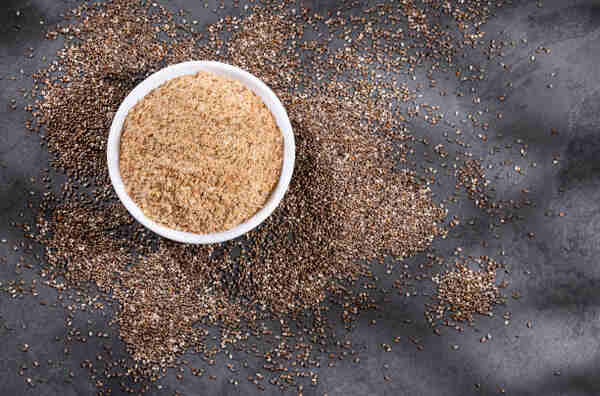
Chia seeds are high in fiber. When mixed with water, ground chia seeds absorb liquid and form a gel-like consistency. This makes them a versatile, neutral-tasting thickener for keto dishes like puddings and jams. They provide health benefits and are perfect for low-carb diets such as keto.
You can add one teaspoon of chia seeds to replace traditional thickeners. They can be used as a keto thickener in homemade jelly, pudding, and sauces by adding them to water or any other liquid.
One ounce (28g) of chia seeds contains:
- Calories: 35
- Carbohydrates: 13g
- Fiber: 11g
- Net Carbs: 2g
- Fat: 9g
- Protein: 4g
Pureed Veggies
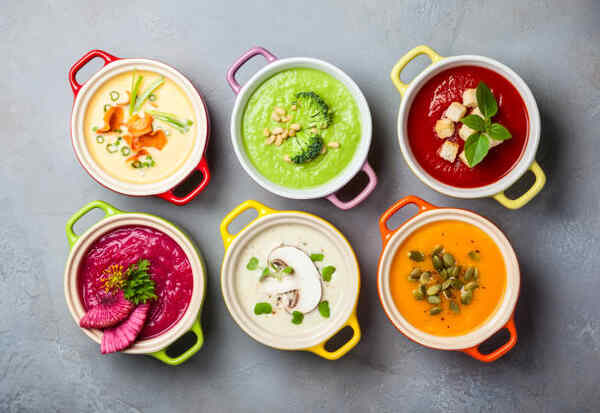
Vegetables are rich in nutrients and can serve as a keto thickener due to the pectin in their cell walls. They’re easily accessible and low in carbs and calories. Pureed cauliflower, broccoli, and zucchini are ideal for thickening stews and soups on a keto diet, offering added vitamins and minerals to your meals.
To use pureed vegetables, cook them until tender, then blend them in a blender or food processor until smooth and creamy. You can add this keto thickener to your soups or sauces while cooking to thicken them up without adding any extra carbs.
Opt for veggie puree over cornstarch for soups; it works for sauces and baking too, depending on your taste. Cauliflower is a great veggie choice. Also, consider keto-friendly options like broccoli, eggplant, and zucchini for pureeing.
Heavy Cream
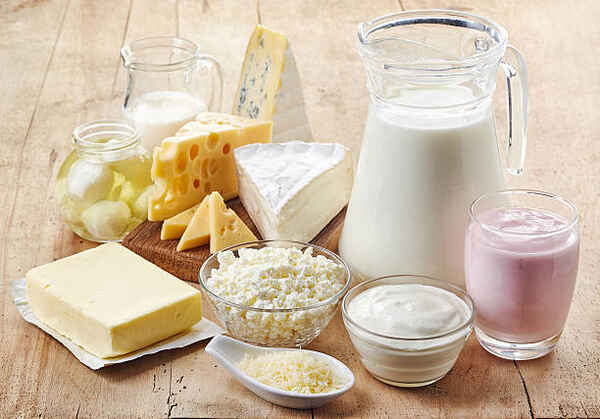
If you like using dairy in your cooking, heavy cream is a great keto thickener for a creamy texture. Heavy whipping cream adds flavor and creaminess to sauces but doesn’t thicken them. Simmer the cream to reduce water content and make your dish thicker.
You can choose cream cheese or sour cream to make a dish creamier. Adding a bit of butter to your sauce or soup can also help create a creamy texture without being overly thick. Butter has natural emulsifiers and a high fat content that helps stabilize and bind ingredients. For a dairy-free alternative, try coconut cream in creamy sauces.
Egg Yolks

Eggs are an excellent keto thickener option. They are low in net carbs and rich in fat and protein. When thickening with eggs, avoid adding yolks to hot foods directly to prevent scrambling. Remember to temper the egg yolks before using them as a thickener.
To avoid curdling your eggs, whisk the egg yolks in a separate bowl. Gradually mix some hot liquid with the yolks, whisking constantly to warm the mixture. Once combined, add the tempered eggs to the main sauce while stirring gently. Don’t let the liquid boil, as it will result in scrambled eggs.
Keto Thickener FAQs
How do I adjust the thickness of a soup if I’ve added too much thickener?
If your soup is too thick, fixing it is easy. To thin it out, slowly add small amounts of liquid like broth or water, stirring until it’s just right. This method lets you adjust the soup without losing flavor. Also, consider tweaking the seasonings to balance the taste. With some careful adjustments, you’ll save your soup and get the perfect texture for a delicious meal.
Can I use dairy-based thickeners like heavy cream and cheese in keto recipes?
While heavy cream and cheese are excellent dairy-based keto-friendly thickeners in traditional recipes, they might pose challenges in dairy-free alternatives. However, there are viable substitutes that maintain a dairy-free and keto-friendly profile. For thickening soups, coconut cream or nut-based alternatives like almond or cashew butter can replicate the richness of heavy cream.
Final Thoughts
In the world of keto cooking, mastering keto thickener techniques unlocks a range of culinary options. Say goodbye to high-carb choices like regular flour and corn starch, and embrace various keto thickeners tailored to your low-carb lifestyle.
From the simplicity of almond and coconut flour to the magic of xanthan gum and glucomannan, the options are as varied as they are effective. Embrace the richness of soups thickened with pureed veggies, heavy cream, or egg yolks, ensuring that every spoonful aligns with your keto goals.
Exploring low-carb cooking innovations? Achieving the ideal soup texture is possible and rewarding. Try these keto thickener substitutes to enhance your low-carb meals for more satisfaction and health benefits. Enjoy your cooking!