

The Truth About Are Potatoes Keto
Are Potatoes Really Keto-Friendly?
❌ NO! – Potatoes aren’t keto-friendly because they’re loaded with carbs that can quickly push you over your daily limit. A single medium potato can have over 18-30 grams of net carbs. If you’re following a keto diet, stick with lower-carb options like cauliflower, zucchini, or broccoli to keep things keto.
Potatoes are common in many dishes, from mashed potatoes and fries to baked and roasted sides. But if you’re cutting carbs, it’s important to know whether they fit your daily goals.
Some people wonder if certain types of potatoes, like sweet potatoes or purple potatoes, might be lower in carbs or keto-approved.
Others look for keto-friendly versions of potato dishes using alternatives like cauliflower mash or turnip fries.
In this article, we’ll explain what potatoes are, check if they’re keto-friendly, and break down their nutrition facts.
We’ll also look at the benefits and drawbacks of eating potatoes, suggest keto substitutes, and answer a few common questions about fruit and keto.
If you’ve been curious about how potatoes fit into a keto lifestyle, this guide covers it clearly and simply.

Table of Contents:
- What Are Potatoes?
- Are Potatoes Keto-Friendly?
- Potatoes Nutrition Facts
- Potatoes Benefits and Drawbacks
- Related Articles
- Frequently Asked Questions
- Final Thoughts
What Are Potatoes?
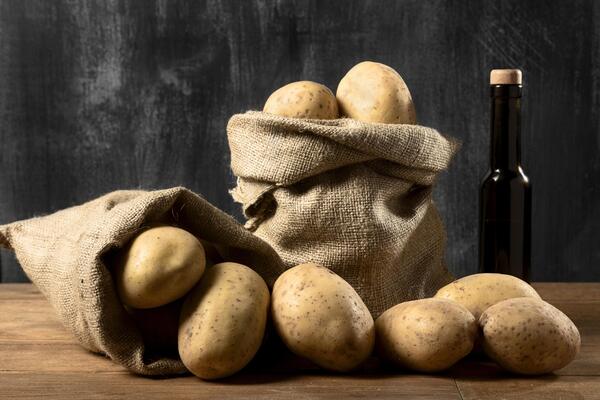
Potatoes are one of the most popular starchy vegetables enjoyed around the world. They’re often found in everyday meals like baked potatoes, mashed potatoes, and fries.
While they offer important nutrients like vitamin C and potassium, they also fall into the category of high-carb foods, which makes them a challenge for those on a very low-carb diet like the ketogenic diet.
On the keto diet, people track total carbs minus fiber to manage their daily carbohydrate intake. Since a medium potato contains about 18-30 grams of net carbs, it can quickly use up your daily limit if you’re aiming to lose weight or burn fat on a high-fat diet.
That’s why many swap potatoes for green leafy vegetables or keto-friendly options cooked with olive oil for added healthy fats.
Even in a healthy diet, too many potatoes may raise concerns for those watching their carb intake or managing cardiovascular disease by lowering blood pressure and promoting weight loss.
Are Potatoes Keto-Friendly?

No, potatoes are not considered keto-friendly. If you’re following a low-carbohydrate diet like keto, potatoes can quickly derail your progress.
A medium potato contains about 30 grams of net carbohydrates, which is a large portion of your daily total carbohydrate intake on keto.
Potatoes, especially when served as French fries or potato chips, are often fried in unhealthy oils. Even cooking them with coconut oil doesn’t make them keto-approved, as they still pack too many carbs.
Eating keto is all about keeping your carbs low and focusing on nutritious foods like low-carb veggies like bell peppers, zucchini, and leafy greens. And sources of saturated fat or monounsaturated fat, such as olive oil or avocados.
While potatoes are high in vitamins like vitamin D and minerals, they don’t provide enough protein or healthy fat, both of which are essential for gut health and supporting energy on keto.
Instead, consider opting for cheddar cheese, plain Greek yogurt, or other fatty fish for a more balanced, keto-friendly meal.
If you’re concerned about high blood pressure or chronic disease, focusing on carb-free options like low-carb root vegetables and lean protein sources is the way to go.
Potatoes Nutrition Facts

Potatoes are a rich source of carbohydrates, mainly in the form of starch, providing steady energy. They contain fiber, especially with the skin on, and offer a modest amount of protein.
Key vitamins include vitamin C and several B vitamins, while minerals like potassium and magnesium support nerve and muscle function.
Despite their reputation, potatoes are naturally low in fat and cholesterol-free when not fried or heavily processed.
Here’s the approximate nutrition breakdown for one medium baked potato with skin:
- Calories: 85 kcal
- Total fats: 0.1 gram
- Net carbs: 18.2 grams
- Protein: 1.7 grams
Potatoes Benefits and Drawbacks

Potatoes offer valuable nutrients like potassium, fiber, and vitamin C, which can support heart health and digestion. Their complex carbs provide lasting energy, making them a staple in many diets.
However, frequent consumption of fried or heavily processed potato dishes can lead to excess calorie and fat intake.
Additionally, their high glycemic index may impact blood sugar levels when eaten in large amounts.
Benefits of Potatoes:

- Rich in vitamins and minerals: Potatoes are packed with essential nutrients like vitamin C, potassium, and vitamin B6, which help support heart function, boost your immune system, and keep your nerves working properly.
- Good source of antioxidants: They contain natural plant compounds like flavonoids, carotenoids, and phenolic acids that help reduce damage from free radicals and may lower the risk of certain long-term health issues.
- High in fiber: Eating potatoes with their skin adds extra dietary fiber, which can improve digestion, keep your gut healthy, and help you feel full and satisfied for longer periods.
- Versatile and budget-friendly: Potatoes are easy to prepare and affordable, making them a popular ingredient in countless recipes, from baked and roasted dishes to comforting soups and hearty stews.
Drawbacks of Potatoes:

- High in carbohydrates: Potatoes are loaded with carbs, with a single medium potato containing over 30 grams of net carbs. This can easily exceed your daily high in carbs limit on a keto or low-carb diet.
- Can cause blood sugar spikes: Due to their high glycemic index, potatoes break down quickly into sugar, leading to rapid increases in blood sugar levels. This can be problematic for people with insulin resistance or those managing diabetes.
- Low in healthy fats and protein: Potatoes provide little in the way of healthy fats or protein, both of which are crucial on keto for maintaining energy and keeping you satisfied between meals.
- Often served in unhealthy forms: Potato-based dishes like fries or chips are typically fried in unhealthy oils, adding extra calories and trans fats, which can negatively impact your overall health when eaten frequently.
Related Articles
If you’re curious about other foods and how they stack up on keto, check out these helpful reads:
- Is Green Apple Keto? The Secrets Behind Its Carb Content
- Skillet Sweet Potatoes: A Guide to Mouthwatering Perfection
- Sweet Potatoes in Air Fryer: Healthy & Easy Snack
- Are Dates Keto? Your Guide to Keto-Friendly Date Consumption
- Are Green Beans Keto? Easy Recipe for Your Low-Carb Diet
- Are Lima Beans Keto? Discover the Truth Behind This Legume
These articles break down popular foods and hacks for keeping your keto journey flavorful and satisfying without blowing your carb budget.
Frequently Asked Questions
What Is a Keto Substitute for Potatoes?
If you’re craving the texture of potatoes on keto, try cauliflower. It’s low in carbs and can be mashed, roasted, or even made into “cauliflower rice” as a potato alternative. Other options include turnips and radishes, which also work well in various recipes without the high-carb content.
What Fruit Is Ok on Keto?
While many fruits are high in sugar and carbs, berries are keto-friendly. Options like strawberries, blackberries, and raspberries are lower in carbs and packed with fiber, making them great choices for keto. Avocados and olives are also excellent options, as they’re low in carbs and rich in healthy fats.
Are Apples Keto-Friendly?
Unfortunately, apples aren’t considered keto-friendly. A medium apple contains about 20 to 25 grams of net carbs, which can quickly use up your daily carb allowance on keto. If you’re craving fruit, it’s better to stick with berries, avocados, or olives.
Final Thoughts
To wrap things up, potatoes aren’t a great fit for a keto eating pattern. Their high carb count can quickly kick you out of ketosis and may even lead to weight gain if you’re not careful.
While they offer nutrients and potential health benefits, there are better options for those trying to achieve ketosis and maintain ketosis.
Fortunately, plenty of keto swaps exist. Mashed cauliflower, keto-friendly vegetables, and protein-rich options like fresh meat, poultry meat, and fish make excellent substitutes.
Pair these with healthy fats like extra virgin olive oil to keep meals satisfying and nutritious. Avoid processed meats, artificial sweeteners, and carb-heavy sides to stay on track.
Ketogenic diet has shown links to decreased risk of certain conditions and are gaining attention in spaces like Women’s Health.
Curious to learn more? Check out our website for meal ideas, recipes, and guides. We’ve got everything you need to create a sustainable, low-carb lifestyle, plus you might just spot a few helpful images courtesy of Getty Images along the way!