
Indulge in Culinary Mastery: Crafting the Perfect Steak Tartare in Your Kitchen – A Step-by-Step Guide to Gourmet Delight
What is Steak Tartare?
🥩 Steak tartare is a classic dish made from finely chopped or minced raw beef, typically seasoned with ingredients like onions, capers, mustard, and Worcestershire sauce.
Steak tartare is one of the great culinary pleasures that has graced the fine dining recipes for as long as years. A dish is associated with two characteristics: rich, delicate taste and good-quality raw beef, flavored with a harmonious blend of seasonings.
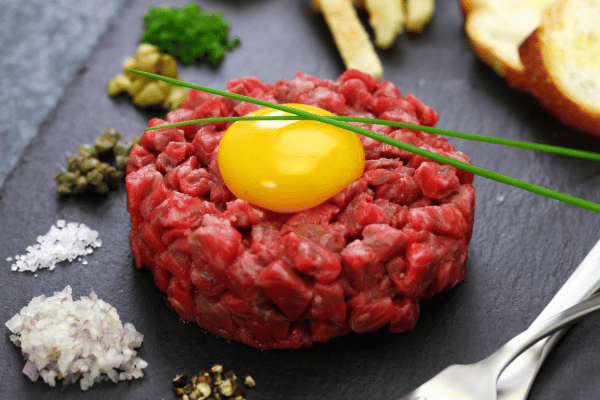
It’s unique and unforgettable. Even though making the perfect steak tartare can seem a little bit of a sophisticated thing to do at home, with the right combination of ingredients and techniques, it’s very easy. The following blog post will disclose to you all the secrets of the process, from selecting the right beef to the subtle art of seasoning.
In this guide, you will be sure to master the preparation of steak tartare, perfecting it until you decide to treat people with it or yourself. Let’s get into this journey together and bring luxury to your home kitchen with steak tartare recipes!
Table of Contents:
- What is Steak Tartare?
- Selecting the Right Cut of Beef
- How to Make Steak Tartare at Home
- Tips for Garnishing and Adding Visual Appeal
- Frequently Asked Questions
- Final Thoughts
What is Steak Tartare?
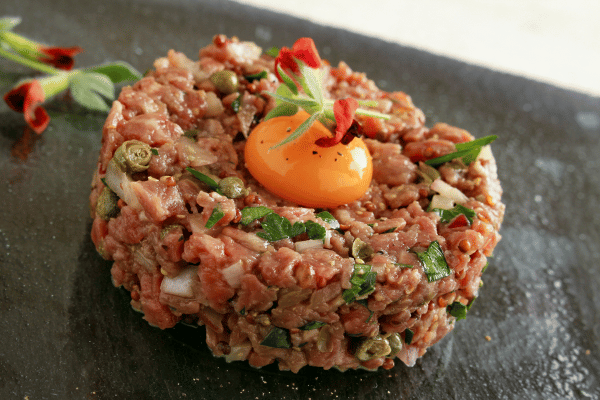
Steak tartare is a simple but sophisticated dish that is also bold in flavor. Typically, we finely chop or mince highly seasoned raw beef with a variety of ingredients to release its maximum flavor. Typically, we top it with a raw egg yolk and serve it alongside toasted bread or crackers. This dish is native to France and has, over time, transcended being anything remotely close to casual dining—primarily due to its richness in texture and purity of ingredients.
Key Ingredients and Their Significance
- Beef: Undoubtedly, beef is the star of steak tartare. High-quality, fresh beef is essential, with cuts like tenderloin or sirloin being the most popular choices due to their tenderness and flavor. Ensuring the beef is fresh and sourced from a reputable butcher is crucial for both taste and safety.
- Egg Yolk: Often placed atop the prepared beef, the raw egg yolk adds a creamy richness that binds the ingredients together. It’s a luxurious component that enhances the texture of the dish.
- Capers: These small, pickled flower buds bring a briny, tangy flavor that cuts through the richness of the beef, adding a burst of complexity to each bite.
- Onions and Shallots: Finely diced onions or shallots provide a sharp, sweet contrast to the beef, balancing the dish with their pungency and crunch.
- Mustard: A dollop of Dijon or whole-grain mustard introduces a subtle heat and tanginess, elevating the overall flavor profile.
- Herbs and Spices: We season the beef with fresh herbs like parsley and chives and spices like black pepper and Worcestershire sauce to give it depth and freshness.
- Acidic Components: We occasionally add ingredients like lemon juice or vinegar to add a hint of acidity, which brightens the dish and balances the richness.
Variations and Regional Differences in Preparation
Despite the widespread recognition of the classic French preparation of steak tartare, numerous regional variations offer unique twists on this timeless dish:
- French Classic: The traditional French version typically includes finely chopped beef, capers, onions, parsley, and a raw egg yolk, often served with Dijon mustard and Worcestershire sauce.
- Italian Battuta di Manzo: High-quality beef, olive oil, lemon juice, and occasionally anchovies give this similar dish, known as battuta di Manzo, its distinctive Mediterranean flavor.
- Korean Yukhoe: This Korean variation uses thinly sliced raw beef seasoned with soy sauce, sesame oil, garlic, and sugar. People often serve it with a julienned pear and a raw egg yolk.
- Belgian Filet Américain: A popular variant in Belgium, filet américain combines beef with mayonnaise, capers, onions, and various seasonings to create a creamier texture.
Each regional interpretation of steak tartare showcases local ingredients and culinary traditions, allowing food enthusiasts to explore a diverse range of flavors and techniques. Whether you prefer the classic French method or are intrigued by international variations, understanding the key ingredients and regional differences can inspire you to experiment and create your perfect version of steak tartare at home.
Selecting the Right Cut of Beef
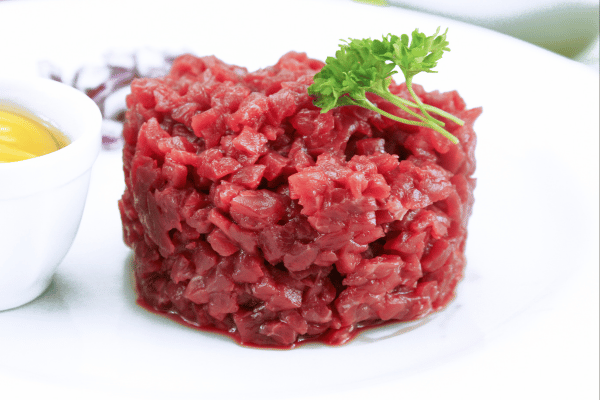
The foundation of a perfect steak tartare lies in choosing the right cut of beef. Given that the beef is served raw, it’s essential to select a cut that is both tender and flavorful. Here are some tips to help you make the best choice:
- Tenderloin (Filet Mignon): This is the most popular cut for steak tartare due to its tenderness and subtle flavor. It’s easy to work with and ensures a melt-in-your-mouth texture.
- Top Sirloin: Another excellent option, top sirloin offers a balance of tenderness and rich beefy flavor. It’s slightly more robust than tenderloin, providing a deeper taste.
- Eye of Round: A leaner cut that is also quite tender, eye of Round is a cost-effective choice that still delivers good texture and flavor when finely chopped.
When selecting your beef, always ensure it is fresh and sourced from a reputable butcher. Look for meat that is bright red with a firm texture. For safety and optimal taste, consider freezing the beef for a short period and then thawing it before preparation, as this can help eliminate any potential bacteria.
How to Make Steak Tartare at Home
Steak tartare, with its elegant simplicity and bold flavors, is a dish that can transform any meal into a gourmet experience. While it may seem intimidating to prepare at home, the process is straightforward with the right ingredients and techniques. Follow this step-by-step guide to make the perfect steak tartare in your own kitchen.
Ingredients:
- 8 oz high-quality beef tenderloin or top sirloin
- 1 egg yolk (preferably organic or free-range)
- 1 small shallot, finely diced
- 1 tablespoon capers, rinsed and finely chopped
- 1 tablespoon finely chopped fresh parsley
- 1 teaspoon Dijon mustard
- 1 teaspoon Worcestershire sauce
- 1 teaspoon freshly squeezed lemon juice
- Sea salt or kosher salt
- Freshly cracked black pepper
- Optional: finely chopped chives, a dash of hot sauce, or a splash of olive oil
- Toasted bread or crackers for serving
Instructions:
Prepare Your Ingredients
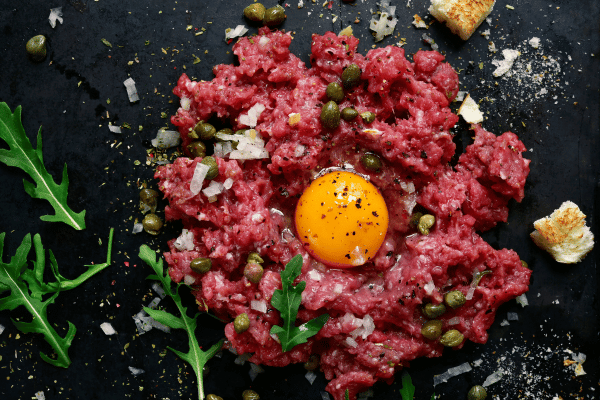
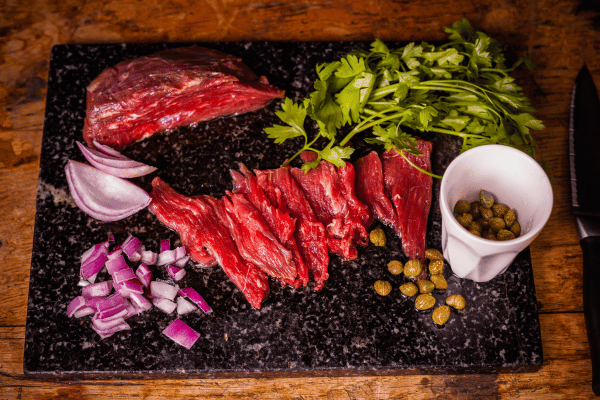
Beef: Ensure your beef is very fresh and sourced from a reputable butcher. If desired, partially freeze the beef for about 15 minutes to make it easier to cut. Using a sharp knife, finely chop the beef into small, even pieces. Avoid using a food processor, as it can over-process the meat and affect the texture.
Additional Ingredients: Finely dice the shallot and rinse and chop the capers. Separate the egg yolk from the white, keeping the yolk intact.
Mix the Ingredients
In a mixing bowl, combine the chopped beef, diced shallot, chopped capers, and parsley. Add the Dijon mustard, Worcestershire sauce, and lemon juice. Mix gently to combine.
Season to Taste
Season the mixture with a pinch of sea salt and freshly cracked black pepper. Mix thoroughly, then taste a small amount. Adjust the seasoning as needed, adding more salt, pepper, or lemon juice to achieve the desired flavor balance.
Plate the Tartare
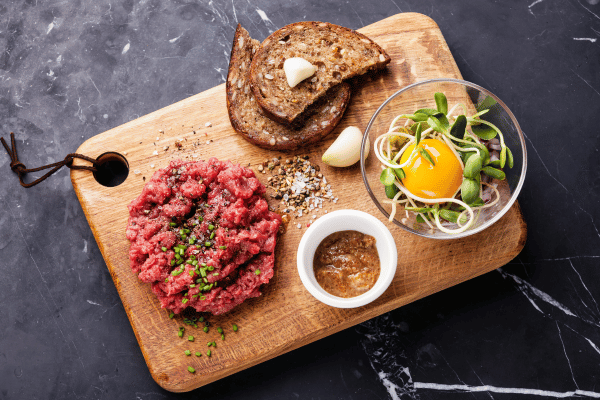
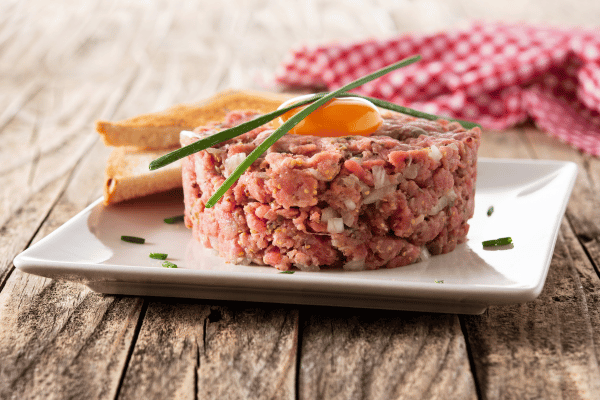
Transfer the beef mixture to a serving plate, shaping it into a neat mound or using a ring mold for a professional presentation. Create a small indentation on the top and place the egg yolk in the center.
Serve
Garnish with additional chopped parsley or chives if desired. Serve immediately with toasted bread or crackers on the side. Encourage your guests to mix the egg yolk into the tartare for added richness before enjoying it.
Tips for Success:
- Quality Matters: Use the freshest, highest-quality ingredients you can find, especially the beef and egg yolk.
- Knife Skills: Finely chopping the beef by hand ensures the best texture. Take your time to achieve even, small pieces.
- Balance the Flavors: Taste and adjust the seasoning as you go. The key to perfect steak tartare is a balanced blend of flavors.
- Serve Fresh: Steak tartare should be prepared and served immediately to ensure the best taste and safety.
By following these steps and paying attention to the quality and balance of your ingredients, you can create a steak tartare that rivals the finest restaurants. Enjoy the process and the gourmet experience that comes with making this classic dish at home.
Nutritional Facts
The nutritional value of steak tartare can vary based on the specific ingredients and quantities used. Below is an approximate nutritional breakdown for a standard serving of steak tartare (about 200 grams) made with high-quality beef, egg yolk, capers, onions, and other common seasonings.
Nutritional Information per Serving (Approximate)
- Calories: 340 kcal
- Protein: 30 grams
- Total Fat: 22 grams
- Saturated Fat: 8 grams
- Cholesterol: 280 milligrams
- Carbohydrates: 3 grams
- Dietary Fiber: 0 grams
- Sugars: 1 gram
- Sodium: 500 milligrams
- Potassium: 450 milligrams
Tips for Garnishing and Adding Visual Appeal
Creating a visually appealing steak tartare not only enhances the dining experience but also showcases your culinary skills. Here are some tips to garnish and add visual appeal to your steak tartare:
Use Fresh Herbs
Parsley and Chives: Finely chopped fresh parsley or chives can add a pop of color and freshness. Sprinkle them around the plate or directly on top of the tartare for an elegant touch.
Add Microgreens
Microgreens: These tiny, delicate greens are perfect for adding a sophisticated look. Scatter a small handful of microgreens, such as arugula or radish, around the tartare or on top.
Drizzle with Olive Oil
Olive Oil: A light drizzle of high-quality extra virgin olive oil can add a beautiful sheen and enhance the flavor. Drizzle it around the plate or lightly over the tartare itself.
Include Edible Flowers
Edible Flowers: Edible flowers such as nasturtiums, violets, or pansies can add vibrant color and a touch of elegance. Use them sparingly to avoid overpowering the dish.
Use Toasted Bread or Crackers
Toasted Bread or Crackers: Arrange slices of toasted baguette, crackers, or crostini artfully around the tartare. Consider using different types of bread for variety in texture and appearance.
Add a Touch of Citrus
Citrus Zest: A few fine shavings of lemon or lime zest can add color and a burst of fresh citrus aroma. Sprinkle the zest lightly over the tartare for a bright and zesty finish.
Shape with a Ring Mold
Ring Mold: Use a ring mold to shape the tartare into a neat, uniform cylinder. This professional touch creates a clean and elegant presentation. Gently pack the beef mixture into the mold, then lift it off carefully.
Layer Ingredients
Layering: For added visual interest, consider layering some ingredients within the tartare. For example, mix half the capers or onions into the beef and sprinkle the rest on top as a garnish.
Add a Quail Egg
Quail Egg: Instead of a regular egg yolk, consider using a quail egg for a smaller, more delicate presentation. Place the quail egg yolk on top of the tartare for an elegant touch.
Serve on Unique Plates
Unique Plates: Choose interesting plates or platters to serve your steak tartare. Slate, marble, or wooden boards can add a rustic or modern look, depending on your preference.
Garnish with Pickled Vegetables
Pickled Vegetables: Add a few pickled vegetables, such as radishes, cucumbers, or red onions, as a garnish. Their vibrant colors and tangy flavor can enhance the overall presentation and taste.
Finish with a Sprinkle of Sea Salt
Sea Salt: Just before serving, sprinkle a pinch of flaky sea salt, such as Maldon, over the top. This adds a touch of texture and a visual element that indicates careful seasoning.
By incorporating these garnishing tips, you can elevate the visual appeal of your steak tartare, making it not only a culinary delight but also a feast for the eyes. A well-presented dish can impress your guests and enhance their overall dining experience.
Frequently Asked Questions
Is it Safe to Eat Raw Beef in Steak Tartare?
Eating raw beef carries a risk of foodborne illness, but you can minimize this risk by using fresh, high-quality beef from a reputable source. It’s also recommended to freeze the beef for a short period before preparation to kill any potential bacteria.
What Should I Serve with Steak Tartare?
Steak tartare is traditionally served with toasted bread or crackers. You can also pair it with a side salad, pickled vegetables, or thinly sliced radishes for added texture and flavor.
What Can I Use as a Substitute for Raw Egg Yolk?
If you prefer not to use raw egg yolk, you can substitute with a dollop of mayonnaise or aioli for a similar creamy texture. Another option is to use a pasteurized egg yolk.
Can I Add Other Ingredients to My Steak Tartare?
Yes, you can customize your steak tartare with additional ingredients such as finely chopped gherkins, anchovies, or a splash of brandy or cognac for added flavor complexity.
Final Thoughts
Steak tartare is a culinary masterpiece that embodies the art of simplicity and the beauty of high-quality ingredients. While it may seem daunting to prepare at home, following the right steps and using fresh, top-notch components can make the process both enjoyable and rewarding. From selecting the perfect cut of beef to mastering the balance of seasonings and presenting it with visual flair, each detail contributes to a dish that is as impressive as it is delicious.
Whether you are hosting a sophisticated dinner party or indulging in a gourmet meal for yourself, steak tartare offers a unique and elegant dining experience. Remember to prioritize the freshness and safety of your ingredients, and don’t be afraid to experiment with different flavors and garnishes to make the dish your own.
By following the comprehensive guide and tips provided, you can confidently bring the luxury of steak tartare into your home kitchen. Enjoy the process of creating this classic dish, and savor the rich, harmonious flavors that make steak tartare a timeless favorite among food enthusiasts. Happy cooking!