

Counting Calories in Chicken Wings: Your Guide to Guilt-Free Indulgence
How Many Calories Are in a Chicken Wing?
👉 The calorie content of a chicken wing may change depending on its size, how it’s cooked, and if it has the skin on. Typically, a fried chicken wing with skin has about 100-160 calories. Choosing grilled or baked chicken wings without skin can reduce the calorie count to around 40-50 per wing.
Indulging in chicken wings is a beloved pastime for many, whether as a game-day snack or a guilty pleasure. However, understanding the caloric content of this popular dish is crucial for those striving for balanced nutrition.
We explore the truth about the calories in chicken wings to help readers make smarter snacking choices. We look at how different cooking methods affect calories and share portion control tips for this tasty treat.
By understanding the calorie content of chicken wings, readers can confidently manage their cravings, ensuring each bite supports their health goals.
Prepare for a delicious journey that blends culinary joy with nutrition awareness, allowing guilt-free enjoyment of this popular finger food.
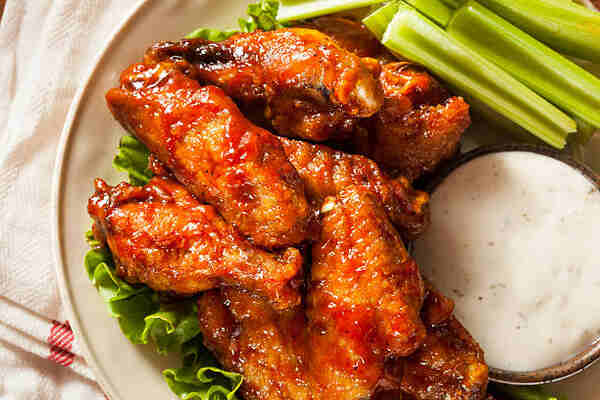
Table of Contents
- How Many Calories in Chicken Wings
- Chicken Wing Nutrition Facts
- Chicken Breast Nutrition Facts
- Chicken Leg Nutrition Facts
- Chicken Thigh Nutrition Facts
- Health Benefits
- Chicken Recipes to Try
- Calories in Chicken Wings FAQs
- Final Thoughts
How Many Calories in Chicken Wings
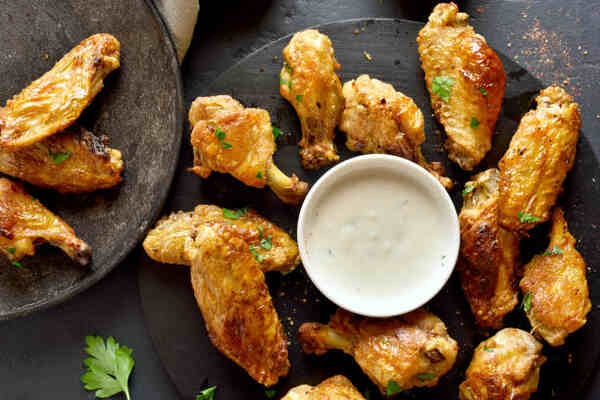
When figuring out the calories in chicken wings, consider various factors. The preparation method is key. Fried wings are higher in calories due to added oil, usually 100-160 calories per serving.
Grilling or baking wings is a healthier choice, with around 40–50 calories, about 8 g fat, and 12 g protein per wing when the skin is removed.
Considering how you cook is crucial for making smart dietary choices. Opting for grilled or baked wings over deep-fried ones is a healthier alternative. Wings can still be part of a nutritious meal if you avoid those covered in heavy sauces or breading.
Moreover, portion size is crucial for managing calorie intake. Mindlessly eating a plate of wings is tempting, but being aware of portion sizes can lead to significant changes. Recognizing that each wing adds to the total calorie count helps with portion control.
Whether you’re snacking on chicken wings or having them as part of a meal, knowing the calorie content helps you make better choices about your diet, striking a balance between enjoying treats and eating healthily.
Chicken Wing Nutrition Facts
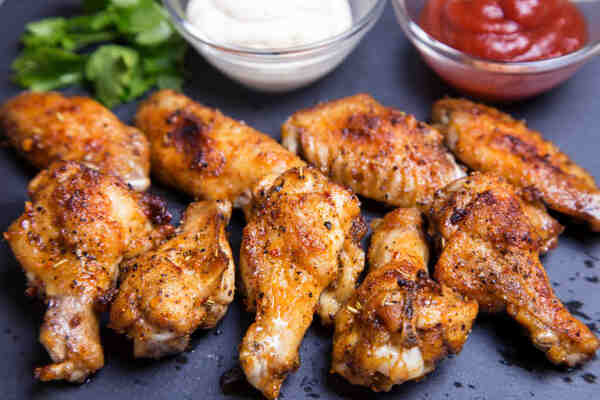
Nutrition info from USDA for one roasted chicken wing with skin (85g):
- Calories: 216
- Fat: 14.4g
- Carbohydrates: 0g
- Protein: 20.2g
One fried chicken wing with skin (58g) contains the following, as per USDA:
- Calories: 160
- Fat: 11.7g
- Carbohydrates: 6.5g
- Protein: 12.2g
On the other hand, one skinless chicken wing (37g) contains:
- Calories: 115
- Fat: 7.44g
- Carbohydrates: 4.41g
- Protein: 7.81g
Finally, one skinless, boneless chicken wing (20g) contains:
- Calories: 62
- Fat: 4.02g
- Carbohydrates: 2.24g
- Protein: 4.22g
Chicken Breast Nutrition Facts
In contrast, according to the USDA, 100g of boneless skinless chicken breast contains:
- Calories: 107
- Fat: 0.89g
- Carbohydrates: 0g
- Protein: 23.2g
Chicken Leg Nutrition Facts
In contrast, according to the USDA, 100g of chicken leg quarters contains:
- Calories: 259
- Fat: 22.3g
- Carbohydrates: 0g
- Protein: 15.2g
Chicken Thigh Nutrition Facts
Finally, according to the USDA, 100g of boneless skinless chicken thigh contains:
- Calories: 144
- Fat: 18.6g
- Carbohydrates: 0g
- Protein: 7.92g
Health Benefits

Chicken wings and chicken meat, in general, have many health benefits when eaten as part of a balanced diet.
They are a great source of high-quality protein for muscle growth, repair, and overall body function. Protein also helps you feel full, so having chicken wings in moderation can help with weight management.
Furthermore, chicken meat is packed with key nutrients like vitamins B6 and B12, vital for energy metabolism, nervous system function, and red blood cell formation. Chicken also provides minerals such as phosphorus for bone health and selenium for antioxidant defense.
Additionally, chicken wings and other chicken cuts can be cooked in various ways to suit different diets and cooking styles.
Opting for grilled or baked wings instead of fried ones offers a leaner choice, cutting down on unhealthy fats and calories while maintaining nutritional value.
Serve wings with veggies and whole grains to create a wholesome and tasty meal that boosts health and well-being.
Chicken Recipes to Try

Looking for an easy, healthy chicken recipe full of flavor and goodness? Check out our collection below:
- Keto Chicken Breast Recipes
- Fried Chicken Thighs
- Keto Chicken Thigh Recipes
- Chicken Leg Quarter Recipes
- Potato and Chicken Casserole
- Air Fryer Chicken Tenderloins
If you’re craving chicken wings in a pinch, check out these guides for keto-friendly menu items:
Calories in Chicken Wings FAQs
How Many Calories are in 6 Boneless Chicken Wings?
The calorie content in six boneless chicken wings can vary based on factors like size, seasoning, and cooking methods. On average, boneless chicken wings usually have about 50 to 70 calories per wing. So, for six boneless chicken wings, you’re looking at roughly 300 to 420 calories.
How Many Calories are in 10 Plain Wings?
Again, the calorie count in 10 plain wings can vary based on factors like size and cooking method. On average, one plain chicken wing has around 60 to 70 calories. So, for 10 wings, the total would be about 600 to 700 calories. Note that actual counts may vary slightly depending on preparation and serving size.
Final Thoughts
In conclusion, navigating the realm of chicken wings and their caloric content offers valuable insights for informed dietary choices. By understanding the calorie differences between various cooking methods and portion sizes, you can enjoy your favorite snack responsibly.
Opt for grilling or baking wings over frying them to significantly reduce calorie intake, promoting a healthier approach to indulgence. Moreover, being mindful of sauce choices and portion control further enhances the nutritional profile of each serving.
Whether enjoyed as a game-day treat or a casual meal, chicken wings can be part of a balanced diet when consumed in moderation and paired with wholesome accompaniments.
So, next time you’re craving a plate of wings, remember the importance of smart cooking methods, mindful servings, and sauce selections to savor the flavor without compromising on health.