

Flavor-Packed Ribeye Steak Recipe You Must Try Tonight
What is the Best Way to Cook Ribeye Steak?
🧑🍳 The optimal method for preparing a ribeye steak involves searing and oven-finishing to seal in juices and promote even cooking. Grilling adds a smoky flavor, while pan-searing creates a delicious crust. For precise and uniform cooking, try sous-vide followed by a brief sear.
Craving a restaurant-quality steak without leaving the comfort of your home? Look no further! Our easy ribeye steak recipe is your ticket to a delicious and satisfying meal that’s quick to prepare.
Known for its rich marbling and bold flavor, ribeye is a top choice for steak lovers. Whether you’re an experienced chef or a beginner in the kitchen, this recipe provides clear steps and basic ingredients for perfecting your steak. Ideal for a quick weeknight meal or a special event, our method guarantees a tender, juicy steak every time.
Indulge in the tasty journey of top-notch dining with a delicious ribeye steak recipe. Learn how to cook this flavorful meat to perfection without the need for long marinades or complex techniques. This recipe aims to enhance the natural flavors of the ribeye simply.
Every step, from understanding how to cook ribeye steak to choosing quality ingredients, enhances your food experience. Prepare to wow your loved ones with a delectable steak that’s both simple and tasty to make.
Ready to start cooking? Let’s go!

Table of Contents
- What is Ribeye Steak?
- Preparing Your Ribeye Steak
- How to Cook Ribeye Steak
- Other Methods of Cooking Ribeye
- Cooking Times and Temperatures
- Tips for Mastering the Perfect Sear
- How to Serve Ribeye Steak
- Storage and Leftovers
- Frequently Asked Questions
- Final Thoughts
What is Ribeye Steak?
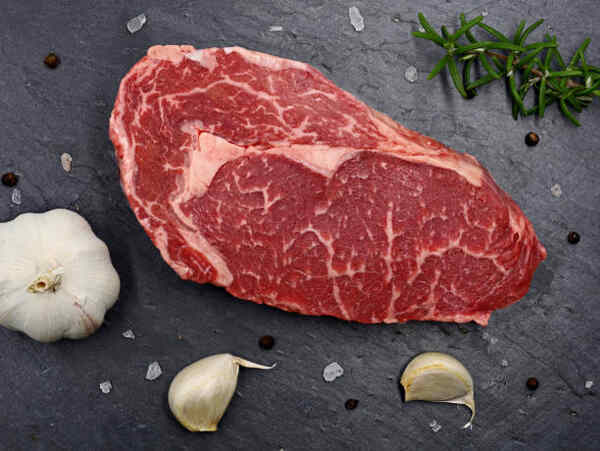
Ribeye cut is a top pick for steak enthusiasts due to its tenderness and rich flavor from high marbling. This cut from the beef rib section is known for its succulent texture that melts in your mouth. Understanding the various cuts is key to fully enjoying ribeye steak.
The two main types of ribeye cuts are bone-in and boneless. The bone-in ribeye, often referred to as a “cowboy steak,” offers a more robust flavor due to the presence of the bone, which enhances the overall taste during cooking.
On the other hand, boneless ribeye steaks provide a convenient option for those who prefer a simpler eating experience without dealing with bones.
Additionally, there are different types within these categories like the traditional ribeye cap or spinalis dorsi, known for its rich marbling and smooth texture. This prized cut offers a flavorful taste and a luxurious feel that enhances any dining experience.
Get to know the different cuts and qualities of steak to choose the right one for you. Whether you prefer the marbling of a ribeye cap or a boneless option, understanding these differences will boost your cooking skills and love for this top-notch beef.
What Makes Ribeye Special?
Ribeye stands out for its exceptional marbling, which contributes to its intense flavor and juiciness. The high fat content within the meat enhances its tenderness, making it a top choice for steak enthusiasts.
The ribeye’s succulent texture stands out, offering a luxurious melt-in-your-mouth experience that’s unmatched by other cuts. Along with its delicious taste and tenderness, ribeye boasts a rich umami flavor, making it a top pick for those seeking a premium dining experience.
Whether grilled, pan-seared, or oven-roasted, ribeye steak never fails to impress with its unbeatable combination of marbling, tenderness, and flavor.
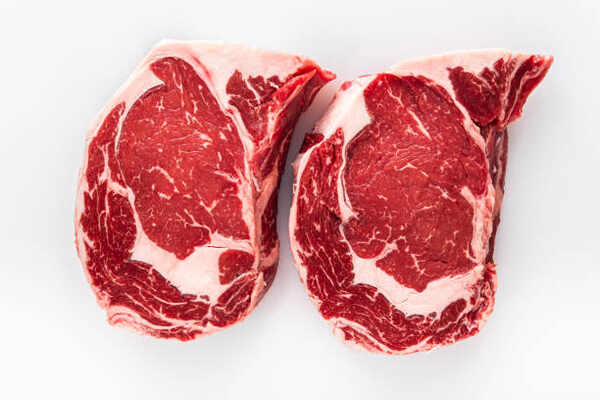
Different Cuts of Ribeye
Ribeye steak comes in various cuts, each offering a unique dining experience. From the classic boneless ribeye steaks to the impressive tomahawk steak, there are options for every preference.
The USDA prime rib eye steak is famous for its marbling and tenderness, while the filet mignon offers a leaner but equally flavorful option. Trying various cuts helps steak lovers find their favorites and adjust their cooking methods.
Preparing Your Ribeye Steak
To prepare your ribeye steak, start by ensuring it’s at room temperature. Gather fresh herbs, garlic cloves, kosher salt, and black pepper for seasoning. Use a sharp knife on a cutting board to score the steak’s exterior for added flavor.
Let the steaks rest on the counter before cooking. Consider marinating for extra taste, and always preheat your cast iron skillet. Remember, preparation is key to a delicious ribeye steak.
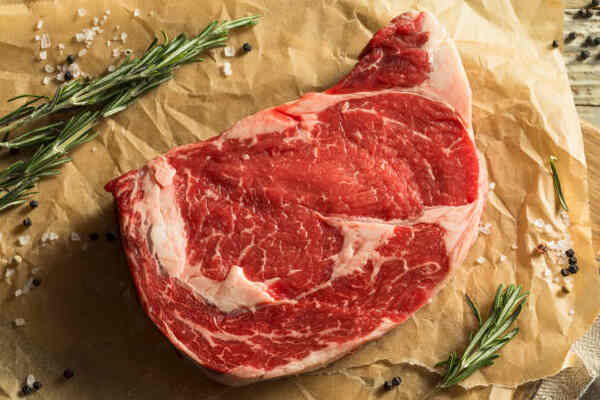
Choosing the Right Steak
For choosing the right steak, opt for boneless ribeye steaks with plenty of marbling for maximum flavor. Look for USDA Prime or Choice grade ribeye for the best quality. Ensure the steak is thick to retain juiciness during cooking.
Let the steak sit at room temperature for even cooking. Consider using a meat thermometer to determine the ideal internal temperature. Remember, selecting the right steak is crucial for a delicious ribeye experience.
How to Cook Ribeye Steak
This ribeye steak recipe is intentionally simple to highlight the steak’s preparation. With minimal effort and a few key ingredients, you’ll enjoy juicy, mouthwatering steak every time!
Ingredients
Just a few basic ingredients ensure your ribeye is full of delicious flavors.

Rib eye steaks: This recipe is for two steaks, each about 1 inch thick. Frozen steaks will also work. Simply thaw them overnight in the fridge.
Butter: Use unsalted butter to regulate the salt added to the dish more effectively.
Olive oil: Olive oil adds a tasty sear for cooking the steaks.
Fresh herbs: Herbs like fresh rosemary and thyme infuse aromatic notes. You can use fresh sage, marjoram, or oregano if you don’t have one or both.
Garlic. Smashed. Garlic cloves add a rich depth of flavor.
Seasoning: For seasoning, start with salt and ground black pepper to taste.
Here are all the ingredients you will need:
- 2 ribeye steaks, 1-inch thick
- 1/2 teaspoon salt
- 1/2 teaspoon pepper
- 2 tablespoons unsalted butter
- 2 tablespoons olive oil
- 4 cloves garlic
- 2 sprigs thyme
- 2 sprigs Rosemary
Instructions
Remove the ribeye steaks from the fridge and allow them to reach room temperature for approximately 30 minutes.
Season both sides of the steaks generously with salt and black pepper.
To pan-fry ribeye steak, heat a large skillet over medium-high heat and then add the butter and olive oil.
When the butter melts and sizzles, put thyme, rosemary, and smashed garlic cloves in the skillet.
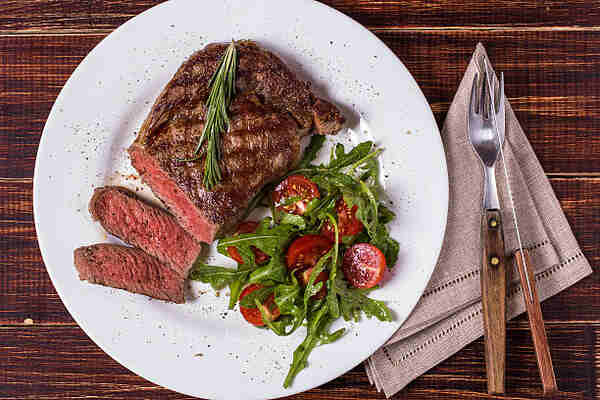
Place the ribeye steaks in the skillet. Cook for 4-5 minutes on each side until a crust forms outside and the steaks reach 130°F for medium-rare or 140°F for medium doneness.
Remove the steaks from the skillet and set them on a cutting board or plate.
Cover the steaks loosely with foil and let them rest for 5-10 minutes to redistribute the juices.
Slice against the grain, then serve. Pair it with your favorite vegetable sides.
Nutrition
One steak contains:
- Calories: 352
- Carbohydrates: 1g
- Protein: 23g
- Fat: 29g
- Sodium: 349 mg
- Fiber: 0.2g
Other Methods of Cooking Ribeye
Experiment with different cooking methods like grilling or pan-searing to find your favorite way of preparing this delicious cut of meat.
Searing a ribeye steak on a cast iron skillet at high heat locks in flavor. Grilling over an open flame adds a smoky taste. Roasting in the oven at a precise temperature ensures even cooking. Remember to season the steak with salt and pepper before cooking to enhance its natural flavors, no matter which method you use.

Aside from pan-seared ribeye, another popular method is grilling. Whether using a gas or charcoal grill, make sure to preheat it to high heat before adding your seasoned steak. Place the steak on the grill directly over the flame and cook for about 5-6 minutes on each side for medium-rare doneness.
For those who prefer oven cooking, preheat your oven to 375°F and place the seasoned steak on a baking sheet. Cook for about 10-12 minutes for medium-rare, flipping halfway through.
No matter which method you choose, it’s important to let the ribeye rest for at least 5 minutes before slicing into it. This allows the juices to be redistributed and ensures a tender and flavorful steak.
To add even more flavor to your ribeye, try marinating it in your favorite marinade or dry rub before cooking. You can also top it with compound butter or a chimichurri sauce after cooking for an extra boost of flavor.
Each technique provides a distinct method to relish the succulent tenderness of a well-prepared ribeye steak. Try out various approaches to find how you like best to enjoy this delicious beef cut.
Cooking Times and Temperatures
For the perfect ribeye steak, cooking times and temperatures are crucial. Achieving the desired level of doneness requires precision. From rare to well-done, using a meat thermometer is recommended to monitor the internal temperature accurately.
Sear your steak at high heat, then finish in the oven for even cooking. Remember to let it rest after cooking for juicy, tender results. Follow these steps with the correct cooking times and temperatures for a perfect ribeye every time.

For a perfect doneness guide when cooking ribeye steak, here are some temperature ranges to keep in mind.
- Rare: 120-130°F (49-54°C) with a bright red center.
- Medium-rare: 130-135°F (54-57°C) with a warm red center.
- Medium: 135-145°F (57-63°C) with a pink center.
- Medium-well: 145-155°F (63-68°C) with a slightly pink center.
- Well-Done: 155°F (68°C) and above with no pink.
Remember, the steak’s temperature increases slightly during resting, so consider this when cooking.
Make sure your ribeye is perfectly cooked by using a meat thermometer. This tool ensures the right internal temperature, removing any uncertainty.
Insert the thermometer into the thickest part of the steak without touching the bone for an accurate reading. For medium-rare steak, aim for 130°F to 135°F, while medium requires 140°F to 145°F, and so on.
This ensures your ribeye is succulent and juicy, offering a delightful dining experience for all steak lovers. Make precision cooking a breeze with a reliable meat thermometer.
Tips for Mastering the Perfect Sear

For a perfect sear on your ribeye steak, pat the steaks dry with paper towels. Heat a cast iron skillet over high heat until it’s smoking hot, then season the steak generously with kosher salt and black pepper.
Drizzle olive oil in the cast iron pan and sear each side for a crispy crust. For extra flavor, try using compound butter with fresh herbs. Allow the steak to rest before serving to seal in the juices and flavors.
For a crispy crust on your ribeye steak, ensure the meat is dry before cooking by patting it down with paper towels. Use a cast iron skillet over high heat to achieve a perfect sear. Season generously with kosher salt and black pepper just before cooking.
Preheat the skillet thoroughly to promote crust formation. Remember not to overcrowd the pan to let the steak sear properly. These steps will help you achieve a mouthwatering, crispy crust on your ribeye steak.
After cooking, let your ribeye steak rest for about 5-10 minutes. This crucial step allows the juices to redistribute throughout the meat for maximum flavor and tenderness. Resting on a cutting board loosely covered with foil helps retain warmth.
For a juicy steak, let it rest briefly before slicing and serving. Don’t cut into it right away to keep the moisture in. Resting your steak is crucial for a great dining experience.
Try other steak recipes with different cuts of meat and cooking methods to find your favorite:
How to Serve Ribeye Steak
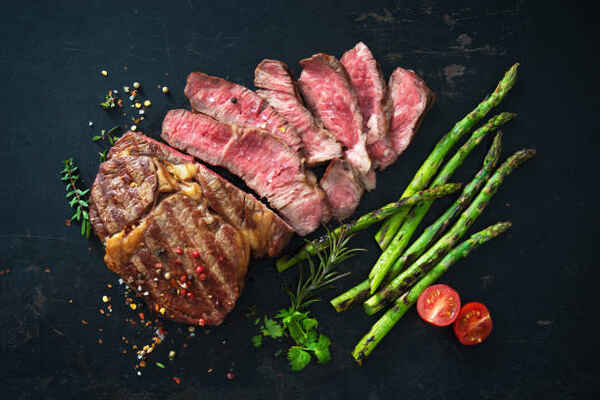
Pair ribeye steak with grilled asparagus or roasted Brussels sprouts, and creamy mashed or roasted potatoes. Complement with red wine and flavorful sauce or compound butter for a delightful dining experience.
Vegetable Pairings
For a delightful accompaniment to your juicy ribeye steak, consider vibrant vegetable pairings. Air fryer asparagus or roasted radishes drizzled with olive oil and sprinkled with kosher salt offer a fresh and flavorful contrast.
Alternatively, sautéed garlic spinach provides a garlicky kick that complements the rich flavor of the ribeye. Experiment with grilled zucchini seasoned with black pepper and a hint of paprika for a unique twist.
These vegetable sides enhance your dining experience, adding color and nutrients to your meal.
Starch-Based Sides
Creamy mashed potatoes, buttery roasted potatoes, or a flavorful wild rice pilaf all complement the richness of a ribeye steak perfectly. Whether you opt for classic mashed potatoes or elegant garlic herb roasted potatoes, the starch-based sides add a satisfying element to your steak dish.
The creamy texture of mashed potatoes or the crispy exterior of roasted potatoes balance the savory flavors of the ribeye, creating a delightful dining experience. Experiment with different starch-based sides to find your favorite pairing.
Wine Pairing Suggestions
For the perfect wine pairing with your juicy ribeye steak, opt for a full-bodied red wine like a Cabernet Sauvignon or a Malbec. These wines complement the rich flavors and robust nature of the ribeye.
If you prefer a white wine, a Chardonnay with oak notes can also be a good match. Consider your personal preference when choosing the wine to accompany your flavorful ribeye steak.
Sauces and Butters for Steak
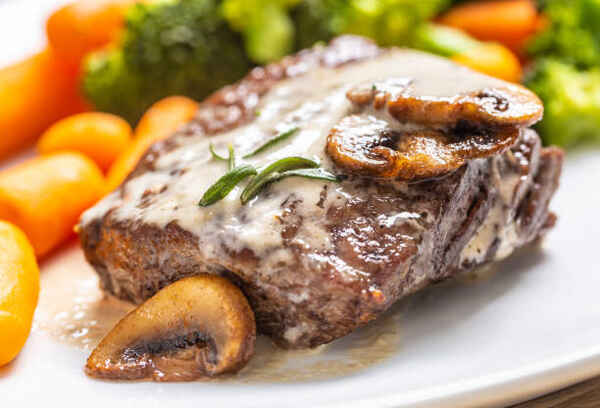
For a delectable enhancement to your ribeye steak, consider preparing a savory garlic butter or a classic peppercorn sauce. The garlic butter, made with minced garlic cloves, fresh herbs, and a touch of olive oil, complements the rich flavors of the steak beautifully.
On the other hand, a peppercorn sauce, crafted with black pepper, herbs, and a creamy base, adds a delightful kick to each bite. Experiment with these sauce options to elevate your ribeye steak experience.
Storage and Leftovers
Properly storing ribeye steak is crucial to maintain its quality. After the meal, let the leftover steak cool to room temperature before refrigerating. To prevent moisture loss, wrap it tightly in plastic or foil or store it in an airtight container.
For optimal taste, consume within the next day, or freeze for longer storage. To keep your leftover steak fresh, place it in an airtight container or wrap it tightly in plastic wrap before refrigerating.
However, avoid keeping it in the fridge for more than a day for the best taste. If you plan to store it longer, consider freezing it. Remember to let the steak reach room temperature before reheating to preserve its flavors.
Transform your leftover ribeye steak into a tasty steak salad with fresh veggies and tangy vinaigrette dressing. Another idea: thinly slice the steak for a flavorful topping on homemade pizzas or flatbreads.
You can also chop the leftover steak and incorporate it into hearty stews or pasta dishes for an extra kick of flavor. Experiment with different recipes to discover new and exciting ways to enjoy your leftover ribeye steak.
Frequently Asked Questions
How Do I Choose the Best Ribeye?
Choosing the best ribeye steak requires focusing on marbling for flavor and tenderness. Aim for USDA Prime or Choice grades for top quality and taste.
Moreover, thickness is key for even cooking and a perfect steak. Check the color and texture to ensure freshness. Consider these factors to select a top-notch ribeye that will delight your taste buds.
Can I Cook Ribeye in the Oven?
Yes, you can cook a ribeye steak in the oven. Use a meat thermometer and follow the temperature guidelines for your preferred level of doneness to ensure your ribeye steak is cooked perfectly. For extra flavor, try searing the ribeye before baking it in the oven for a delicious crust.
Don’t be afraid to experiment with different seasonings to enhance the flavor profile of your oven-cooked ribeye steak. With a little practice and creativity, you can enjoy a restaurant-quality meal right in your own kitchen!
How Long Should Ribeye Rest Before Serving?
Allowing your ribeye steak to rest for approximately 5-10 minutes before serving is crucial for a more enjoyable dining experience. During this resting period, the juices within the steak redistribute, resulting in a juicier and more flavorful bite.
Is It Better to Cook Ribeye Steak on High or Low Heat?
Cooking ribeye on high heat is a great technique to achieve a perfect sear, which helps seal in the juices and create a flavorful crust on the steak. This initial high-heat cooking method adds that sought-after caramelization and depth of flavor.
However, to ensure that the inside of the ribeye is evenly cooked to your desired level of doneness, it’s essential to finish cooking it on low heat. This slow and gentle cooking at the end allows the heat to penetrate deeper into the meat without overcooking the exterior.
Combining high-heat searing and low-heat finishing creates a juicy grilled ribeye steak with a charred crust, offering a perfect balance of texture and flavor.
Final Thoughts
Ribeye steak is a top pick for meat lovers due to its rich flavor and marbled texture. Knowing the cuts and cooking methods is key to enjoying a perfectly cooked ribeye. Marbling in ribeye adds tenderness and flavor, appealing to steak fans.
When cooking ribeye steak, getting the perfect sear is key to sealing in juices and flavors. Cook it on high heat for a caramelized crust outside while keeping the inside juicy. Resting the ribeye post-cooking is crucial too, letting the juices spread for a moist, flavorful meal.
Enhance your ribeye meal by choosing sides that complement it, like garlic mashed potatoes, grilled asparagus, or a garden salad. Pick the right wine, such as a bold red, to elevate your dining experience and harmonize flavors with your steak.
By mastering these tips and tricks, you can make a restaurant-quality ribeye steak at home. Whether you like it rare, medium-rare, or well-done, knowing about ribeye cuts and cooking techniques ensures a juicy, flavorful steak every time.